
Mental Health Guardianship | Florida
Mental Health Guardianship Attorney in Florida
Robinson & Casey helps families establish guardianship when a loved one lacks capacity to make medical and personal decisions. We handle the court process from petition to appointment.
By Richard J. Casey III, Esq. · Published October 02, 2026
Mental Health Guardianship in Florida: Court Process and Costs
Mental health guardianship is a court order. A judge appoints someone to make medical, financial, and personal decisions for an adult who cannot manage their own affairs due to mental illness. If you’re caring for a family member with serious mental health conditions, this guide explains the Florida process, costs, and how Robinson & Casey helps families navigate mental health guardianship.

Not sure what your next step is?
Talk it through with our team — the first consultation is free, confidential, and carries no obligation.
What Is Mental Health Guardianship?
Mental health guardianship gives one person legal authority to make decisions for an adult who lacks capacity due to mental illness. Unlike informal family arrangements, mental health guardianship requires a court order based on medical evidence.
Florida Statutes Chapter 744 governs guardianship in Florida. Mental health guardianship focuses on incapacity from mental illness—not age or other causes. The court order defines what decisions the guardian can make and how long it lasts.
Who Needs Mental Health Guardianship?
Mental health guardianship is appropriate for adults who:
- Have a serious mental health condition (schizophrenia, bipolar disorder, severe depression, or psychotic disorders) that prevents sound decision-making
- Refuse necessary mental health treatment, medication, or hospitalization despite clear danger
- Cannot manage finances, housing, or daily care due to mental illness
- Are unlikely to regain decision-making ability without ongoing legal authority
If your family member has capacity to decide—even if you disagree—mental health guardianship is not appropriate. Courts prefer less restrictive alternatives when possible, such as healthcare power of attorney or financial power of attorney.
How to Get Mental Health Guardianship in Florida
The mental health guardianship process follows six key steps:
Step 1: Petition Filing
An attorney files a guardianship petition with the Florida court in the county where the adult lives. The petition names the proposed guardian and the person for whom guardianship is sought.
Step 2: Medical Evaluation
A physician must examine the adult and provide a written report documenting incapacity. The court cannot grant mental health guardianship without this medical evidence.
Step 3: Notice and Service
The adult must be notified of the guardianship petition and served with court documents. This gives the adult the opportunity to respond and defend themselves.
Step 4: Right to Counsel
The adult has the right to an attorney at no cost if they cannot afford one. This attorney represents the adult’s interests—not the family’s.
Step 5: Court Hearing
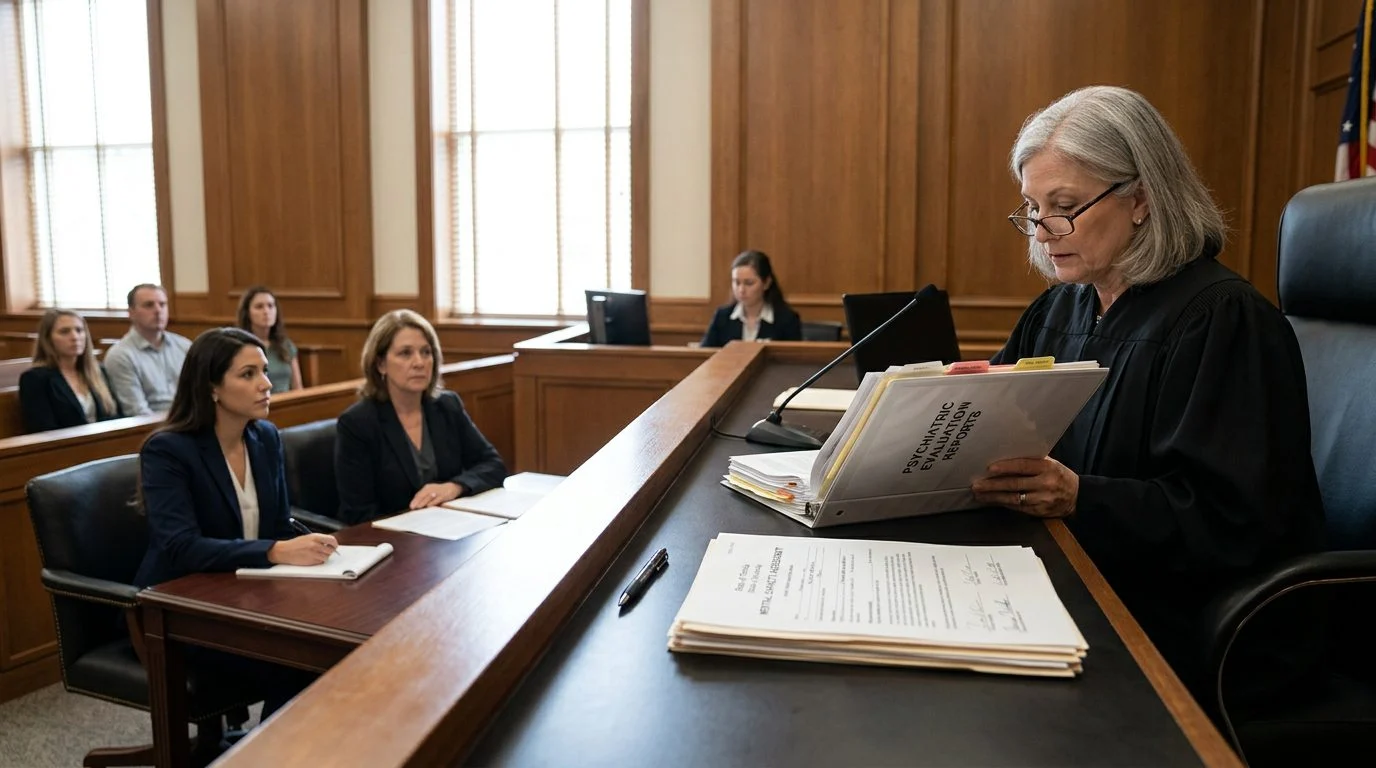
A judge holds a hearing where evidence is presented. The family’s attorney presents the medical report and testimony. The adult’s attorney may cross-examine witnesses and present evidence.
Step 6: Order and Appointment
If the judge finds by clear and convincing evidence that the adult lacks capacity, the court appoints the guardian. The order specifies the scope—whether plenary (full authority) or limited to specific areas.
Timeline: Most cases take 2–4 months from petition to final order. Contested cases may take longer.
What Mental Health Guardianship Covers
The guardianship order defines the guardian’s authority. Mental health guardianship typically includes:
- Medical decision-making: consent to psychiatric treatment, medication, hospitalization, and therapy
- Treatment compliance: authority to ensure the adult follows treatment plans and takes prescribed medications
- Living arrangements: decisions about where the adult resides and the level of care
- Financial management: control over income, benefits, and spending (if included in the order)
- Personal care: decisions about daily living, nutrition, hygiene, and safety
A limited guardianship grants authority only in specific areas—for example, mental health treatment decisions only. A plenary guardianship grants full authority over all personal and financial decisions. An emergency temporary guardianship can last up to 90 days when immediate danger exists; it can be converted to permanent guardianship later.
See our guide to guardianship types for more detail.
Drawbacks of Mental Health Guardianship
Mental health guardianship is powerful, but it comes with significant consequences:
- Loss of autonomy: The adult loses the right to make decisions about their life, medical care, finances, and living situation.
- Stigma and privacy loss: Guardianship is a public court process. The adult’s mental health condition is documented in court records.
- Ongoing court involvement: Guardians must file annual reports, seek court approval for major decisions, and remain accountable to the judge.
- Cost: Mental health guardianship involves attorney fees, court filing fees, physician evaluation fees, and ongoing compliance costs.
- Potential for abuse: If a guardian acts in their own interest, the arrangement can harm the person it is meant to protect.
- Difficult to reverse: Terminating guardianship requires the adult to petition the court and prove they have regained capacity.
For these reasons, Florida courts prefer mental health guardianship only when less restrictive alternatives are insufficient.
Have questions about what happened?
Ask our team directly. The first conversation is free, confidential, and there is no obligation to continue.
Can Mental Health Guardianship Be Established Without Court?
No. Mental health guardianship in Florida requires a court order. A judge must find, based on medical evidence and testimony, that the adult lacks capacity. Family members cannot establish mental health guardianship by agreement alone.
If your family member has capacity and is willing, less restrictive alternatives exist:
- Healthcare power of attorney: grants decision-making authority over medical and mental health treatment
- Financial power of attorney: grants authority over financial and property decisions
- HIPAA authorization: allows you to access and discuss the adult’s medical records
If the adult refuses to sign and truly lacks capacity, court-ordered mental health guardianship is the legal path forward.
Costs of Mental Health Guardianship
Mental health guardianship involves several costs:
- Attorney fees: typically $1,500–$3,500 for the initial petition, depending on complexity and whether the adult contests it
- Court filing fees: varies by county in Florida
- Physician evaluation: typically $300–$800 for the required medical report
- Ongoing costs: annual guardian accounting, court filings, and potential attorney fees for modifications
Who pays? Family members often pay costs upfront. If the adult has assets, the guardian may use those funds to pay mental health guardianship expenses. If the adult has no assets, family members bear the cost.
Mental Health Guardianship and Involuntary Commitment
Mental health guardianship and involuntary commitment are separate legal processes:
- Involuntary commitment is short-term psychiatric hospitalization, typically lasting days to weeks. It is ordered when someone is an imminent danger to themselves or others due to mental illness. Learn more about involuntary commitment for addiction.
- Mental health guardianship is long-term decision-making authority, lasting until the guardianship is terminated or the adult regains capacity.
A guardian can enforce mental health treatment after hospital discharge. The guardian can ensure the adult complies with outpatient mental health treatment, medication, and therapy. If the adult is in crisis, the guardian can authorize emergency psychiatric evaluation and hospitalization.
Frequently Asked Questions About Mental Health Guardianship
Can I establish mental health guardianship if my family member refuses?
Yes, if a physician certifies incapacity and the court finds it necessary. The adult’s refusal does not prevent mental health guardianship if they lack capacity.
What if my family member contests the guardianship?
The adult has the right to an attorney and a hearing. The court will weigh the evidence and may deny guardianship, grant it, or grant limited guardianship instead.
Can mental health guardianship be terminated?
Yes, if the adult petitions the court and proves they have regained capacity. The burden is on the adult to demonstrate restoration of decision-making ability.
How often must I report to the court?
Guardians must file an annual report documenting the adult’s condition, decisions made, and financial management.
What if the guardian dies or resigns?
The court appoints a successor guardian or may terminate mental health guardianship if no suitable successor is available.
Want to know where you stand?
Tell us what happened and our team will walk you through the options available to you, at no cost.
Robinson & Casey’s Approach to Mental Health Guardianship
Robinson & Casey focuses exclusively on mental health guardianship and related matters. This focused practice means:
- Deep experience: handling emergency temporary guardianship, limited guardianship, plenary guardianship, and contested proceedings
- Local knowledge: serving families across South Florida and statewide; familiar with local court procedures
- Bilingual accessibility: serving Spanish-speaking and bilingual families throughout South Florida
- Direct representation: you work with the attorney handling your case
- Transparent process: clear explanation of each step, timeline, and cost upfront

The Mental Health Guardianship Process at Robinson & Casey
Initial consultation: Discuss your family member’s situation, mental health history, and goals for mental health guardianship.
Medical evaluation coordination: We guide you to obtain the required physician’s report documenting incapacity.
Petition preparation: Attorney drafts the guardianship petition, specifying the scope (limited or plenary).
Court filing: Petition is filed; the court sets a hearing date.
Notice and service: The adult is notified and served; they have the right to retain counsel.
Pre-hearing preparation: Attorney prepares you and witnesses; reviews medical evidence and testimony strategy.
Court hearing: Attorney represents you, presents evidence, and responds to objections.
Order and appointment: If the court grants mental health guardianship, you are appointed and receive authority to act.
Ongoing compliance: We assist with annual reporting, modifications, and future filings.
If you’re caring for a family member with mental illness who can’t safely make decisions about treatment or their own care, families in your situation reach out to Robinson & Casey regularly. Schedule a consultation or call (561) 849-4700 to discuss your family’s situation with an attorney who focuses on mental health guardianship.
How Robinson & Casey Serves Your Family
Petition Preparation & Filing
We prepare and file the guardianship petition with the court, including physician certification of incapacity and all required documentation.
Court Representation
We represent you throughout the guardianship process, including hearings and all court filings needed to establish or modify guardianship.
Family Guidance
We explain your options—plenary guardianship, limited guardianship, or emergency temporary guardianship—and help you choose the right path for your situation.
Urgent Situations
When immediate action is needed, we can pursue emergency temporary guardianship to protect your loved one while the full guardianship process moves forward.
Types of Mental Health Guardianship
Plenary Guardianship
The guardian makes all personal, medical, and financial decisions for the ward. Used when the individual lacks capacity in all major areas.
Limited Guardianship
The guardian has authority over specific decisions only—such as medical treatment or residential placement—while the individual retains other rights.
Emergency Temporary Guardianship
A fast-track guardianship that provides immediate protection when there is an urgent threat to the individual's health, safety, or welfare.
Mental Health Guardianship
Guardianship established when a physician certifies that the individual lacks capacity due to mental illness or condition, and the court finds guardianship necessary.
Your Loved One Has Rights
Even when guardianship is necessary, Florida law protects the ward's right to an attorney, a hearing before the judge, and the opportunity to contest the guardianship. We navigate this process with respect for both the family's needs and the individual's legal protections.
Common Questions About Mental Health Guardianship
Can guardianship be established if my family member refuses?
Yes. If a physician certifies incapacity and the court finds guardianship necessary, the adult's refusal does not prevent the court from appointing a guardian.
What happens if my family member contests the guardianship?
The adult has the right to an attorney and a court hearing. The judge will hear evidence and determine whether guardianship is appropriate and in the person's best interest.
How long does the guardianship process take?
A standard guardianship typically takes several weeks to a few months, depending on court scheduling and whether the guardianship is contested. Emergency temporary guardianship can be granted much faster.
What is the difference between guardianship and involuntary commitment?
Involuntary commitment for addiction is a court-ordered treatment program for substance use disorder. Guardianship gives someone legal authority to make decisions on behalf of another person. Both are separate legal processes.