
Mental Health Guardianship
Mental Health Guardianship Attorney South Florida
When a loved one cannot make decisions about their mental health care, Robinson & Casey helps families petition the court for guardianship. We handle the legal process so you can focus on their wellbeing.
By Richard J. Casey III, Esq. · Published October 02, 2026
Mental Health Guardianship Attorney in Florida
A mental health guardianship is a court order. A judge appoints a guardian to make medical, financial, and personal decisions for an adult who cannot make them. This happens when someone has a serious untreated mental health condition and lacks capacity to care for themselves or accept treatment.
Robinson & Casey handles mental health guardianship cases exclusively across South Florida and statewide. We guide families through every step—from evaluating whether guardianship is appropriate to representing you at the hearing. This guide explains what mental health guardianship is, how it works in Florida, and how we can help.

Not sure what your next step is?
Talk it through with our team — the first consultation is free, confidential, and carries no obligation.
What Is Mental Health Guardianship?
Mental health guardianship is a legal relationship created by court order. A judge appoints a guardian to make decisions for an adult (the “ward”) who lacks mental capacity due to mental illness. The guardian acts in the ward’s best interest under ongoing court oversight under Florida Statutes Chapter 744.
This applies to adults age 18 and older with serious mental health conditions. Examples include untreated schizophrenia, severe bipolar disorder, major depression with incapacity, or psychotic disorders. These conditions must impair the person’s ability to understand information, communicate wishes, or make reasoned decisions about care and safety.
Mental health guardianship differs from other guardianship types. Emergency temporary guardianship is shorter-term and crisis-driven (typically 60 days). Plenary guardianship grants full authority over all personal and financial decisions. Mental health guardianship may be limited (medical decisions only) or broader, depending on the court’s findings.
Signs Your Family Member May Need Guardianship
You may need to pursue mental health guardianship if your family member:
- Refuses necessary psychiatric treatment or medication despite serious symptoms
- Cannot manage daily living tasks (hygiene, nutrition, housing, safety)
- Lacks capacity to understand the consequences of their decisions
- Is at risk of harm to themselves or others due to untreated mental illness
- Cannot communicate their wishes or understand information presented to them
- Requires ongoing care that family members cannot provide without legal authority
If you recognize these signs, guardianship may protect your loved one and give your family legal standing to make critical decisions.
Types of Guardianship in Florida
Florida law recognizes several guardianship types:
Plenary Guardianship
The guardian has full authority over all personal and financial decisions. Used when the ward cannot manage any significant life area.
Limited Guardianship
The guardian has authority only over specific areas—for example, medical decisions but not financial matters. This preserves the ward’s autonomy in areas where they retain capacity.
Emergency Temporary Guardianship
A short-term guardianship (typically 60 days, renewable) appointed quickly in crisis situations. Used when immediate protective action is needed before a full hearing.
Mental Health Guardianship
Focused specifically on mental health treatment decisions and related care. The guardian can authorize psychiatric hospitalization, medication, therapy, and living arrangements related to mental health treatment.
Your attorney will help determine which type fits your family’s situation.
How to Get Guardianship in Florida
The guardianship process follows a structured legal pathway. Here’s what to expect:
Step 1: Petition Filed with Court
An attorney prepares and files a guardianship petition with the court. The petition describes the alleged incapacitated person and explains why guardianship is necessary. Pro se (self-filed) petitions often contain errors that delay or derail the case.
Step 2: Medical Evaluation
The court orders a medical evaluation by a court-appointed physician or psychiatrist. This establishes whether the person lacks capacity due to mental illness. You typically pay the evaluation fee ($300–$800).
Step 3: Notice and Service
The alleged incapacitated person and all interested parties must receive formal notice of the petition and hearing. Proper service is mandatory under Florida law.
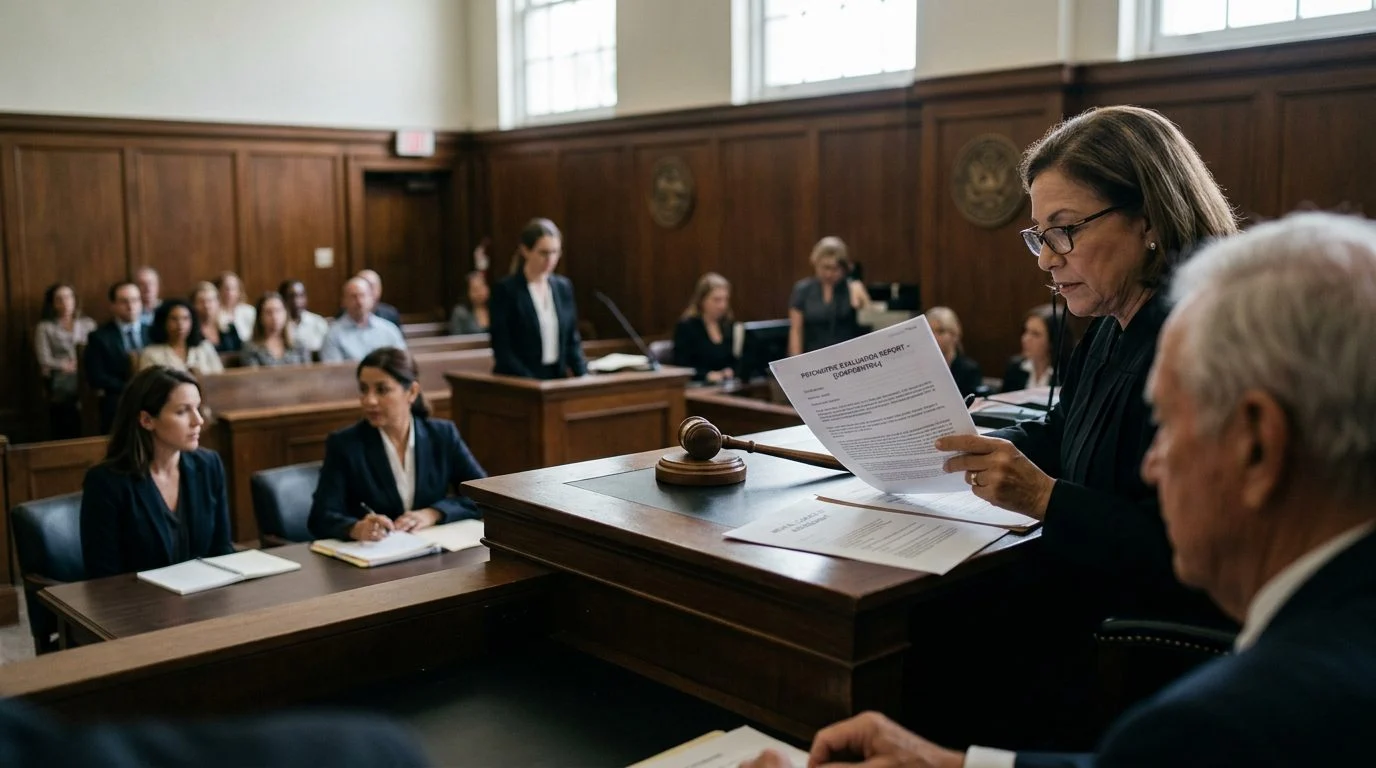
Step 4: Guardianship Hearing
The judge holds a hearing. The alleged incapacitated person has the right to an attorney and to contest the petition. You present evidence showing incapacity and need for guardianship. If contested, the hearing may require expert testimony.
Step 5: Appointment and Oath
If the judge grants guardianship, the guardian is appointed and takes an oath. The guardian then assumes authority over the ward’s personal, medical, and financial decisions.
Timeline: Uncontested cases typically take 2–4 months from petition to final order. Contested cases may take longer.
What Mental Health Guardianship Covers
A mental health guardian has authority over:
- Medical and psychiatric treatment decisions (hospitalization, medication, therapy)
- Living arrangements and residential placement (home, assisted living, facility)
- Day-to-day personal care and welfare
- Financial decisions related to health care and living expenses
- Education and vocational training if applicable
Important: Guardianship does not grant authority over voting rights, marriage, or reproduction. These rights remain protected under Florida law.
Guardian Responsibilities in Florida
Once appointed, a guardian must:
- Act in the ward’s best interest at all times
- Make informed decisions based on the ward’s preferences when known
- Maintain regular contact and monitor the ward’s welfare
- File annual financial accounting with the court (if managing finances)
- Report significant changes in the ward’s condition to the court
- Seek court approval for major decisions (property sale, long-term placement, residence change)
- Comply with all requirements under Florida Statutes Chapter 744
Guardians are held accountable by the court and can be removed if they fail to act in the ward’s best interest.
Have questions about what happened?
Ask our team directly. The first conversation is free, confidential, and there is no obligation to continue.
Guardianship Attorney Fees in Florida
Guardianship attorney fees vary based on case complexity:
- Uncontested mental health guardianship: $1,500–$3,500 in attorney fees
- Contested guardianship: $3,500–$10,000+ depending on hearing length
- Court filing fees: approximately $300–$500 (separate from attorney fees)
- Medical evaluation fee: $300–$800 (court-ordered, paid by the petitioner)
Many firms offer flat fees for uncontested cases. Some guardianship costs may be paid from the ward’s estate if funds are available. Discuss payment options during your initial consultation.
Can I File for Guardianship Without a Lawyer?
Legally, yes—but it is not recommended. Florida guardianship law is complex. Pro se petitions frequently contain procedural errors that delay or derail the case. The court requires strict compliance with notice requirements, medical evaluation procedures, and hearing protocols under Chapter 744, Florida Statutes.
Mistakes often result in dismissal, forcing you to refile—costing more time and money. If the alleged incapacitated person contests, you will face an attorney on the other side. An experienced guardianship attorney ensures all requirements are met and handles complex procedural issues that pro se filers typically miss.
What a Mental Health Guardianship Attorney Does
A guardianship attorney:
- Evaluates whether guardianship is appropriate and necessary for your situation
- Determines which guardianship type fits your needs
- Prepares and files the petition with all required information
- Obtains and coordinates the required medical evaluation
- Handles service of process and ensures all notice requirements are met
- Represents you at the guardianship hearing and presents your evidence
- Guides you through post-appointment obligations (accounting, reporting, court filings)
How Robinson & Casey Handles Mental Health Guardianship
Robinson & Casey focuses exclusively on guardianship and Marchman Act matters. This focused approach means we stay current with Florida law and understand local court procedures specific to mental health guardianship.
We serve families across South Florida (Miami-Dade, Broward, Palm Beach counties) and statewide. Our team handles emergency temporary guardianship, plenary guardianship, limited guardianship, and mental health guardianship cases—both contested and uncontested. We offer bilingual services to serve Spanish-speaking families.
We guide you through the entire process: initial consultation, case evaluation, petition preparation, coordination of medical evaluation, filing and service, pre-hearing preparation, hearing representation, and post-appointment support.
What to Expect Working with Robinson & Casey
Initial Consultation
We discuss your family’s situation and your concerns about your loved one. We explain the process and costs.
Case Evaluation
We review medical history, current treatment, and the capacity issues that concern you. We determine which guardianship type applies.
Petition Preparation
Our attorney drafts the guardianship petition with all required information and supporting documentation.
Medical Evaluation
We coordinate with a court-appointed physician or psychiatrist to conduct the capacity evaluation.
Filing and Service
We submit the petition to court and serve notice on all required parties.
Pre-Hearing Preparation
We prepare you and any witnesses for the guardianship hearing and explain what to expect.
Hearing Representation
Our attorney presents your case to the judge, introduces evidence, and advocates for guardianship.
Post-Appointment Support
We guide you on guardian duties, annual accounting, court reporting, and ongoing compliance.
Frequently Asked Questions
How long does a guardianship last?
A guardianship continues until terminated by court order, the death of the ward, or restoration of the ward’s capacity.
Can a guardianship be challenged?
Yes. The ward or interested parties can petition the court to terminate or modify the guardianship.
What if the ward recovers mental capacity?
The guardian can petition for restoration of rights. The ward can also petition to restore their own rights.
Who can serve as guardian?
A family member, friend, or professional guardian can serve, provided they meet Florida requirements and are approved by the court.
Do I need a lawyer for annual accounting?
Yes, it is recommended. Annual accounting must comply with court rules and Florida statute.
Can I be reimbursed for guardianship expenses?
Possibly, from the ward’s estate if funds are available. Discuss this with your attorney.
Want to know where you stand?
Tell us what happened and our team will walk you through the options available to you, at no cost.
Why Families Choose Robinson & Casey
- Dedicated practice: We handle guardianship and Marchman Act cases exclusively.
- Deep knowledge: Years of representing families navigating mental health guardianship.
- Local presence: Located in South Florida; we serve Miami-Dade, Broward, Palm Beach, and statewide.
- Bilingual support: Spanish-speaking attorneys and staff to serve your family.
- Compassionate approach: We understand the emotional and practical challenges families face.
- Transparent process: Clear explanation of costs, timeline, and what to expect.

Schedule Your Consultation
If you’re caring for a family member with untreated mental illness and wondering whether guardianship is the right step, contact Robinson & Casey today. Call (561) 849-4700 to discuss your situation and learn your options.
Bring any medical records, treatment history, or court documents you have. There is no obligation—a consultation helps you understand the process and next steps.
How Robinson & Casey Serves Your Family
Petition Preparation & Filing
We prepare and file all required guardianship documents with the court, ensuring compliance with Florida law and proper notice to all interested parties.
Court Representation
Our attorneys represent you throughout the guardianship process, from initial petition through court hearing and ongoing guardianship matters.
Family Guidance
We explain your options—plenary guardianship, limited guardianship, or emergency temporary guardianship—and help you choose the right path for your situation.
Urgent Situations
When immediate action is needed, we can petition for emergency temporary guardianship to protect your loved one while the full guardianship process moves forward.
Types of Mental Health Guardianship
Plenary Guardianship
The court grants you authority over all major decisions affecting your loved one's person and property. Used when the individual cannot make any significant decisions independently.
Limited Guardianship
You receive authority over specific areas only—such as mental health treatment decisions—while your loved one retains other rights and decision-making power.
Emergency Temporary Guardianship
A court-ordered temporary arrangement that protects your loved one immediately while a full guardianship petition is being processed.
Mental Health Guardianship
Focused specifically on decisions about psychiatric care, medication, hospitalization, and treatment—essential when mental illness impairs judgment about medical needs.
Time Matters in Mental Health Crises
If your loved one is in immediate danger or refusing necessary mental health treatment, emergency temporary guardianship may be available quickly. Contact us right away to discuss your situation and explore immediate options.
Common Questions About Mental Health Guardianship
How long does a guardianship last?
A guardianship continues until terminated by court order, the death of the ward, or restoration of the ward's capacity. You can petition the court to modify or end it if circumstances change.
Can a guardianship be challenged?
Yes. The ward or interested parties can petition the court to terminate or modify the guardianship if they believe it is no longer necessary or appropriate.
What if the ward recovers mental capacity?
If your loved one regains the ability to make decisions, you or they can file a petition to restore their rights and end or limit the guardianship.
Do I need a lawyer for guardianship?
While not required, an attorney ensures your petition meets all legal requirements, protects your loved one's interests, and increases the likelihood of court approval.