
Guardianship of a Minor in Florida
Protecting Your Child's Future Through Court-Ordered Guardianship
Robinson & Casey handles guardianship petitions for minors across Florida, guiding families through the legal process with clarity and care.
By Richard J. Casey III, Esq. · Published September 19, 2026
Guardianship of a Minor in Florida: Legal Process & Requirements
Guardianship of a minor in Florida is a court-ordered relationship in which a guardian assumes legal responsibility for a child’s care, custody, and welfare when the child’s parents cannot or should not serve in that role. Under Florida Statutes Chapter 744, guardianship transfers parental rights and duties to the guardian and provides a legal framework to protect children whose parents are deceased, incapacitated, or unable to provide adequate care.
This guide explains what guardianship means, when it’s necessary, who can serve as a guardian, how the process works, and what responsibilities guardians assume in Florida.

Not sure what your next step is?
Talk it through with our team — the first consultation is free, confidential, and carries no obligation.
What Is Guardianship of a Minor in Florida?
Guardianship of a minor is a court-ordered legal relationship in which a guardian takes on parental duties when a child’s parents cannot or should not do so.
Guardianship is distinct from adoption. Adoption severs the legal relationship between a child and their biological parents and creates a new parent-child relationship. Guardianship, by contrast, does not sever parental rights—it temporarily transfers specific legal authority to a guardian while preserving the child’s relationship with their parents. Guardianship is also different from informal caregiving arrangements, where an adult cares for a child without court involvement or legal authority to make decisions on the child’s behalf.
Florida law recognizes guardianship as a protective mechanism for children in vulnerable situations. The court retains ongoing jurisdiction to ensure the guardian acts in the child’s best interest throughout the guardianship.
When Is Guardianship of a Minor Necessary?
Guardianship becomes necessary when a child’s parents are unable or unwilling to provide care and legal authority is required to protect the child’s welfare.
Common circumstances include:
- Death of both parents or the sole custodial parent. When a child loses their primary caregiver(s), guardianship provides legal authority for another adult to make decisions and care for the child.
- Parental incapacity due to illness, disability, or mental health condition. If a parent is temporarily or permanently unable to care for a child, guardianship allows another person to step in.
- Parental abandonment or inability to provide adequate care. When a parent is unwilling or unable to meet a child’s basic needs, guardianship protects the child’s welfare.
- Situations where a child’s safety or welfare is at risk. Guardianship may be necessary when parental involvement is not in the child’s best interest.
- Need for legal authority to make decisions. A relative or trusted adult may need guardianship to enroll a child in school, authorize medical treatment, or manage the child’s finances.
Who Can Serve as a Guardian of a Minor in Florida?
Florida law does not require the guardian to be a blood relative. The court prioritizes the child’s best interest when selecting a guardian, and the proposed guardian must pass a background screening and demonstrate fitness to care for the minor. The court may appoint a professional guardian if no suitable family member or friend is available.
The Florida Guardianship Process for a Minor
Establishing guardianship of a minor in Florida involves filing a petition with the court in the county where the child resides.
The petition must include information about the minor, the proposed guardian, and the reason guardianship is necessary. Once filed, notice must be given to the child’s parents (if living and located), the minor (if age 14 or older), and other interested parties. The court may appoint a guardian ad litem—a person appointed to represent the minor’s interests in the guardianship proceeding—to ensure the child’s voice is heard.
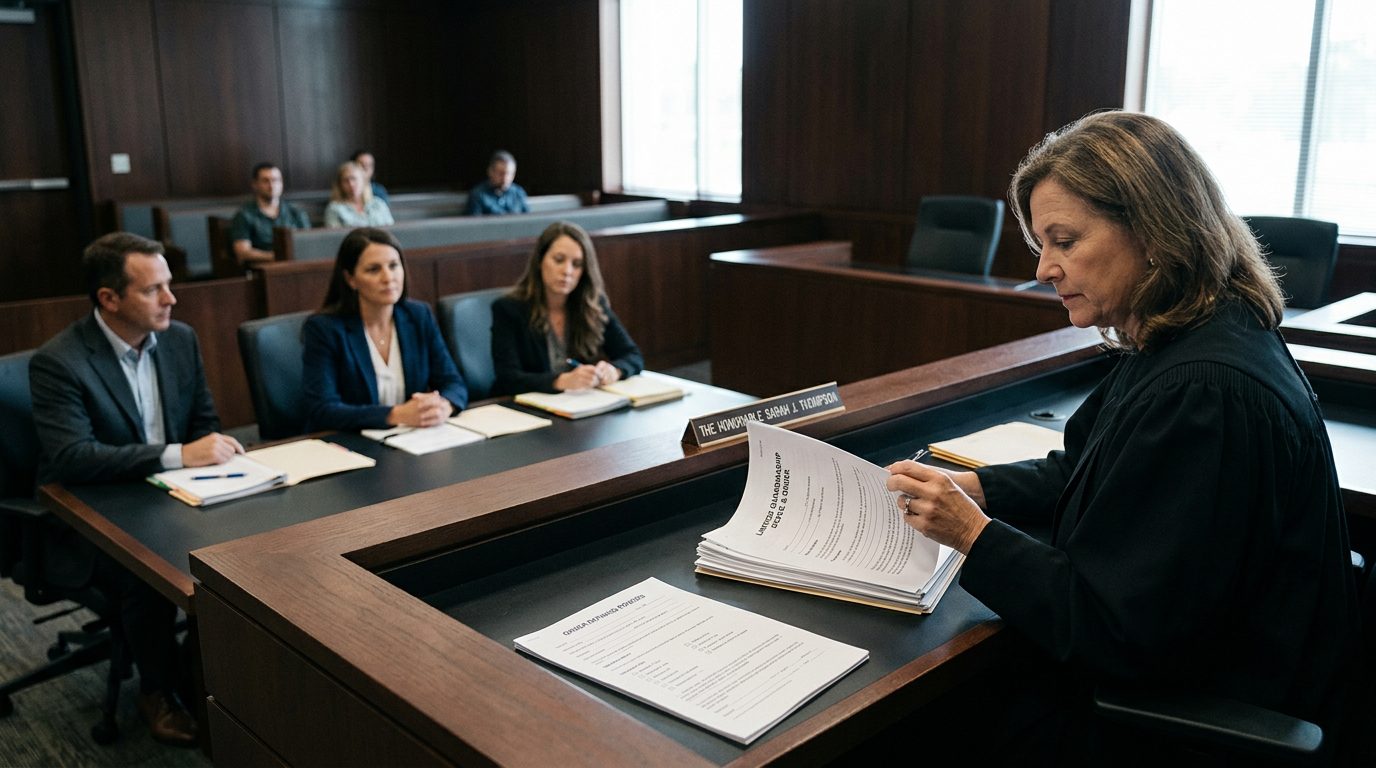
Before granting guardianship, a judge holds a hearing to determine whether guardianship is in the minor’s best interest. If the petition is granted, the judge issues an order establishing guardianship, and the guardian assumes legal authority over the child’s care and decisions.
Legal Responsibilities of a Guardian of a Minor
Guardians assume significant legal responsibilities for the child’s welfare and wellbeing.
These responsibilities include:
- Providing food, shelter, clothing, and medical care.
- Making educational decisions and ensuring school attendance.
- Managing the minor’s property and finances (if the guardianship includes estate authority).
- Acting in the minor’s best interest at all times.
- Maintaining regular contact with the minor.
- Reporting to the court on the minor’s welfare and any significant changes in circumstances.
- Obtaining court approval for major decisions, such as non-emergency medical treatment or sale of the child’s property.
Guardians must file annual reports with the court detailing the minor’s welfare and any significant events. The court retains jurisdiction to ensure the guardian is fulfilling these obligations and acting in the child’s best interest. Failure to comply with reporting requirements can result in removal of the guardian.
Have questions about what happened?
Ask our team directly. The first conversation is free, confidential, and there is no obligation to continue.
Types of Guardianship for a Minor in Florida
Florida law recognizes multiple forms of guardianship for minors, each suited to different circumstances.
Plenary guardianship grants the guardian full authority over the minor’s person and estate (property and finances). This is the most comprehensive form and is used when a guardian needs complete decision-making authority.
Limited guardianship grants authority over specific matters only, preserving some parental rights. This form is used when a parent retains some authority or when the child has specific needs requiring guardianship in certain areas only.
Temporary guardianship grants short-term authority quickly in urgent or emergency situations. Temporary guardianship may be granted without the full notice and hearing requirements of permanent guardianship and is used when immediate protection is necessary.
Guardianship of the person grants authority over the minor’s care and custody but not financial matters. This form is used when the child’s personal welfare is the primary concern.
Guardianship of the estate grants authority over the minor’s property and finances only, without authority over personal care decisions. This form is used when a child has assets that require management.
How Long Does Guardianship of a Minor Last?
Guardianship continues until the minor reaches age 18, the age of majority in Florida.
Guardianship may be terminated earlier if circumstances change and it is no longer in the minor’s best interest. The guardian or interested parties may petition the court to modify or end the guardianship. Additionally, minors who reach age 14 may petition to remove their guardian if they believe removal is in their best interest.
Court Oversight and Reporting Requirements
The Florida court system maintains oversight of guardianships to protect minors’ interests.
Guardians must file annual reports with the court detailing the minor’s welfare and any significant events. The court retains jurisdiction to ensure the guardian is acting in the minor’s best interest and may require the guardian to obtain court approval before making certain major decisions. Regular court oversight ensures that guardians fulfill their duties and that the guardianship remains appropriate for the child’s needs.
Frequently Asked Questions
What is the difference between guardianship and adoption?
Adoption severs the legal relationship with biological parents and creates a new parent-child relationship, while guardianship transfers temporary authority to a guardian without severing parental rights.
How long does it take to establish guardianship of a minor in Florida?
The timeline varies depending on whether the guardianship is contested and the court’s schedule, but temporary guardianship can be granted quickly in urgent situations.
Can a minor petition to remove their guardian?
Yes, minors who reach age 14 may petition the court to remove their guardian if they believe removal is in their best interest.
What is a guardian ad litem?
A guardian ad litem is a person appointed by the court to represent the minor’s interests during the guardianship proceeding.
What happens if a guardian fails to file required reports?
Failure to comply with annual reporting requirements can result in removal of the guardian by the court.
Can guardianship be modified after it’s established?
Yes, the guardian or interested parties may petition the court to modify or terminate the guardianship if circumstances change.

Want to know where you stand?
Tell us what happened and our team will walk you through the options available to you, at no cost.
Next Steps
If you’re facing a situation where a child needs legal protection and you’re considering guardianship of a minor in Florida, understanding the process, your responsibilities, and the legal framework is an important first step. The guardianship process involves court filings, notice requirements, and ongoing obligations—and the specific path depends on your circumstances and the type of guardianship that best serves the child’s needs.
If you’re researching guardianship because a child in your life needs protection, or if you’re uncertain about whether guardianship is the right option, an attorney who handles guardianship matters can help you understand your specific situation, walk you through the process, and ensure the child’s interests are protected. People in your position reach out regularly to discuss their circumstances and explore the options available.
Contact Robinson & Casey to discuss your guardianship situation.
Why Robinson & Casey for Minor Guardianship
Focused Practice
We focus exclusively on guardianship matters and related petitions. Our practice is built on this narrow, deep focus.
Petition & Court Representation
We prepare guardianship petitions, navigate court filings, and represent your interests throughout the process.
Clear Timeline Guidance
We explain what to expect at each stage so you understand the process and can plan accordingly.
Direct Access
Call us directly at (561) 849-4700. We're here to answer your questions and move forward together.
Types of Minor Guardianship in Florida
Emergency Temporary Guardianship
Urgent situations require swift legal action. Emergency temporary guardianship provides immediate court authority when a child's safety or welfare is at risk and cannot wait for standard proceedings.
Plenary Guardianship
Full guardianship grants broad authority over the child's person and estate. The guardian makes decisions on education, healthcare, living arrangements, and financial matters.
Limited Guardianship
When a minor retains some decision-making capacity, limited guardianship grants the guardian authority only over specific areas—such as healthcare or education—while the child retains other rights.
Mental Health Guardianship
For minors with mental health conditions requiring ongoing treatment and supervision, mental health guardianship ensures coordinated care and legal authority over mental health decisions.
Key Consideration
Guardianship is a significant legal step that affects the child's rights and your family's future. Understanding the differences between guardianship types—and which fits your situation—is essential before filing.
What to Expect in the Guardianship Process
Initial Consultation
We listen to your situation, explain guardianship options, and help you understand which type of guardianship may be appropriate for your child and family.
Petition Preparation
We prepare the guardianship petition with all required documentation, ensuring accuracy and completeness for filing with the court.
Court Filing & Notification
We file your petition and manage required notifications to interested parties, following Florida's procedural rules.
Hearing & Court Approval
We represent you at the guardianship hearing, presenting your case to the court and answering questions to support approval of the guardianship.
Ready to Protect Your Child's Future?
Related practice areas
- Guardianship Attorney in Florida | Robinson & Casey
- Temporary Guardianship in Florida: When It’s Needed
- Getting Guardianship of a Mentally Ill Person in Florida