
Florida Legal Options
How to Get Someone Into Rehab Who Refuses
When voluntary treatment isn't an option, Florida law provides a path forward. Learn how the Marchman Act and guardianship can help.
By Richard J. Casey III, Esq. · Published September 18, 2026
How to Get Someone Into Rehab Who Refuses: Florida Legal Options
When addiction is severe and someone refuses treatment, voluntary rehab isn’t an option. Florida law gives families a legal pathway to compel assessment and treatment through the Marchman Act and involuntary commitment—civil court processes designed to protect people who pose serious risk to themselves or others. This guide explains how these mechanisms work, what to expect, and how Robinson & Casey helps families navigate the process.

If you decide to proceed, we gather details from you, organize evidence, and draft a petition tailored to your case and the court's expectations. Talk it through with our team — the first consultation is free, confidential, and carries no obligation.
When Someone Refuses Rehab: Your Legal Options in Florida
Voluntary treatment works when someone recognizes the problem and agrees to help. But active addiction often destroys that willingness. When refusal puts someone at imminent risk—overdose, unsafe driving, inability to care for themselves—waiting for voluntary acceptance can be dangerous.
Florida provides two primary legal tools: the Marchman Act (a civil commitment statute) and involuntary commitment for addiction. Both allow a family member, physician, or law enforcement officer to petition a court for an order compelling the person to undergo assessment and, if warranted, court-ordered treatment. Neither is criminal; both are focused on treatment, not punishment.
What Is the Marchman Act and How Does It Work?
The Marchman Act, codified in Florida Statute § 397.675, allows an authorized person to file a petition with the court seeking involuntary assessment and treatment of someone with substance use disorder.
Who can file a Marchman Act petition: – A spouse, parent, adult child, sibling, or other family member – A physician or mental health professional – A law enforcement officer
What the Marchman Act does: The law compels the respondent (the person being petitioned against) to undergo professional assessment at a designated facility. If the assessment shows substance use disorder and risk, the court may order treatment—inpatient or outpatient—for up to 60 days, renewable if clinically necessary.
Key distinction: This is a civil process, not a criminal one. The goal is assessment and treatment, not jail or punishment. The respondent retains legal rights, including the right to attend hearings and present a defense.
The Marchman Act Process: Step-by-Step
Understanding the timeline and what happens at each stage helps you prepare and set realistic expectations.
Step 1: Petition Filing
You (or an authorized person) file a petition with the court describing the respondent’s substance use, their refusal of treatment, and the specific ways their use creates risk to health or safety. The petition must include concrete facts—dates, incidents, behavioral examples—not vague concerns. A judge will later decide whether these facts meet the legal standard for involuntary commitment.
Step 2: Emergency Temporary Involuntary Commitment (Ex Parte Hearing)
If danger is imminent, you can request an ex parte hearing—one held without the respondent present. The judge reviews your petition and evidence. If the court finds imminent danger, it may grant emergency temporary commitment for up to 5 days. This is the fastest legal intervention available; it can happen within hours.
Step 3: Full Hearing
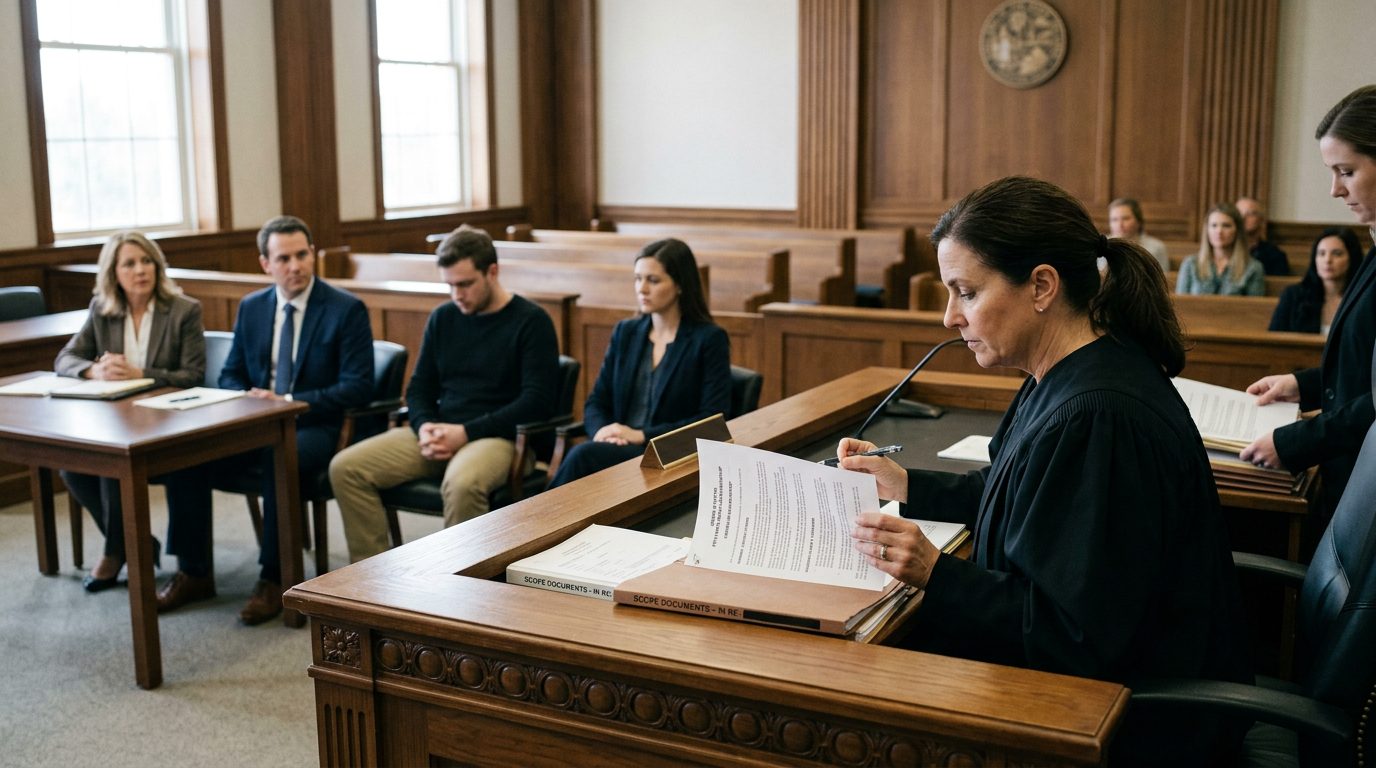
Within 5 business days of emergency temporary commitment, a full hearing must occur. The respondent attends, has the right to an attorney, and can present a defense. You (or your attorney) present evidence. The judge decides whether to order assessment and/or treatment based on whether the legal standard is met: whether the person’s substance use creates a substantial likelihood of serious harm to self or others, or whether they’re unable to care for themselves.
Step 4: Assessment
If the court orders it, the person is transported to a designated assessment facility. A professional evaluates their substance use, medical and mental health status, and treatment needs.
Step 5: Treatment Order
Based on the assessment, the court may order inpatient or outpatient treatment for up to 60 days. The order can be renewed if clinically necessary.
Timeline: Emergency temporary commitment can occur within hours. The full hearing typically happens within 5 business days. Treatment duration depends on the court order and the facility’s clinical judgment.
Not sure what your next step is?
Talk it through with our team — the first consultation is free, confidential, and carries no obligation.
Involuntary Commitment for Addiction: When and Why
Courts don’t order involuntary commitment automatically. The legal standard is strict: the person’s substance use must create a substantial likelihood of serious harm to self or others, or they must be unable to care for themselves.
Examples of substantial likelihood of harm: – Active overdose risk or recent overdose – Driving under the influence – Neglect of basic health and safety (not eating, untreated medical conditions) – Violent behavior linked to substance use – Loss of housing or inability to maintain shelter due to use
The judge weighs the evidence you present and decides whether the standard is met. This is not automatic; a weak or vague petition is often denied. Specific facts, dates, and credible evidence matter.
What Robinson & Casey Handles in Marchman Act and Involuntary Commitment Cases
Robinson & Casey has handled Marchman Act and involuntary commitment cases for families across South Florida and statewide. Here’s what we do:
Petition Preparation and Filing
We draft a petition tailored to your situation, grounded in specific facts and legal grounds. Vague petitions fail; we ensure yours includes the concrete behavioral examples, dates, and evidence a judge needs to find the legal standard is met.
Emergency Temporary Commitment Hearings
When danger is imminent, we represent you at ex parte hearings to seek immediate protective orders. Speed and clarity matter; we prepare your case for same-day or next-day court action.
Full Hearing Representation
We appear at the court hearing, present evidence, make legal arguments, and respond to the respondent’s defense. We understand what local judges expect and how to present your case persuasively.
Documentation and Evidence Gathering
We help you organize medical records, witness statements, behavioral documentation, and other evidence that supports your petition. Strong evidence is the foundation of a successful case.
Post-Order Guidance
After the court issues an order, we advise you on compliance, what happens next, and whether renewal is necessary if treatment needs to continue.
Statewide Service
We handle Marchman Act cases throughout Florida, not just South Florida. If you’re in any part of the state, we can help.
Why This Matters: The Role of Legal Representation
Court standards are high. Judges require clear, credible evidence that the legal threshold is met. A family member can file a Marchman Act petition without a lawyer, but the petition language, evidence presentation, and hearing strategy matter enormously.
Vague petitions—ones that describe concern without specific facts—are often denied. Judges see dozens of petitions. Yours must stand out with concrete details: what substance, how often, what happened on what date, what specific risk resulted.
Hearing preparation is critical. The respondent may have an attorney who will challenge your evidence and argue that the legal standard isn’t met. You need someone who understands the judge’s expectations, knows how to present evidence effectively, and can anticipate and counter the defense.
Time sensitivity is real. If you miss the window for emergency temporary commitment, the urgency fades. If your petition is poorly drafted, the court may deny it, and filing again takes time. Robinson & Casey understands local courts and the judges’ expectations; we help you get it right the first time.
Have questions about what happened?
Ask our team directly. The first conversation is free, confidential, and there is no obligation to continue.
Frequently Asked Questions
Q: Will the court definitely order treatment if I file a Marchman Act petition?
No. The court must find that the legal standard is met—substantial likelihood of serious harm or inability to care for self. We help you present the strongest case, but the judge makes the final decision.
Q: What if the person refuses to go to the facility after the court order?
Law enforcement can enforce the order. The facility and court handle compliance; our role is to ensure the order is clear and legally sound.
Q: How long does the whole process take?
Emergency temporary commitment can happen within hours. The full hearing typically occurs within 5 business days. Treatment duration is set by the court and the facility’s assessment.
Q: Can I file a Marchman Act petition if I’m not a family member?
Yes. A physician, mental health professional, or law enforcement officer can also file. We advise on who should file based on your situation.
Q: What if the person has already been to rehab and refuses to go again?
Prior treatment attempts don’t disqualify a new petition. If current substance use and refusal create substantial risk, a new petition may be warranted.
Q: Is this a criminal process?
No. The Marchman Act is a civil commitment process focused on assessment and treatment, not criminal charges or punishment.
What to Expect When You Contact Robinson & Casey
Initial Consultation
We listen to your situation, review what you know about the person’s substance use and refusal, and explain your legal options plainly.
Case Assessment
We determine whether a Marchman Act petition or involuntary commitment is appropriate and likely to succeed based on the facts you provide.
Petition Preparation
If you decide to proceed, we gather details from you, organize evidence, and draft a petition tailored to your case and the court’s expectations.
Court Representation
We appear at hearings and present your case to the judge.
Ongoing Support
We answer questions and guide you through the process from filing to order issuance.

Next Steps: Getting Legal Help Now
If someone you care about is refusing treatment and their substance use is creating serious risk, legal intervention may be necessary. Robinson & Casey handles Marchman Act petitions and involuntary commitment cases for families in this exact situation—people call regularly when they’ve exhausted other options and need a court order to compel treatment.
When you’re ready to explore whether a Marchman Act petition or involuntary commitment is right for your case, call (561) 849-4149 to schedule a consultation. Or contact us online to discuss your situation and next steps.
Legal Pathways to Involuntary Treatment
Marchman Act Petition
A Florida civil proceeding that allows a family member or concerned person to petition the court for involuntary assessment and treatment of someone struggling with substance abuse. The court evaluates whether the person poses a substantial likelihood of serious harm or is unable to care for themselves.
Emergency Temporary Guardianship
A rapid court order that grants immediate decision-making authority when someone is unable to manage their affairs due to mental incapacity. This can include authority to consent to treatment and placement.
Plenary or Limited Guardianship
A longer-term guardianship arrangement where a court-appointed guardian makes decisions on behalf of the ward, including medical and treatment decisions. Limited guardianship restricts the guardian's powers to specific areas.
Mental Health Guardianship
A guardianship focused specifically on mental health and substance abuse treatment decisions when someone cannot make safe choices for themselves.
Important: Court Approval Required
Filing a petition does not automatically result in court-ordered treatment. A judge must find that the legal standard is met based on evidence presented. Robinson & Casey helps you build the strongest case, but the court makes the final decision.
Why Work With Robinson & Casey
Focused Practice
Robinson & Casey focuses exclusively on Marchman Act petitions and guardianship matters. We know Florida's laws and court procedures in these areas inside and out.
Florida-Wide Service
We serve families across South Florida and statewide, handling cases in courts throughout Florida.
Fast Action When Needed
Emergency situations demand quick response. We understand the urgency of getting someone into treatment and can move rapidly through the court system.
Protective Advocacy
We advocate for your loved one's safety and recovery, presenting evidence and arguments designed to convince the court that intervention is necessary.
Clear Guidance
We explain your legal options plainly, answer your questions, and guide you through each step of the process.
Family-Focused
We understand the emotional weight of these decisions. Our goal is to help families access the treatment their loved ones need.
Common Questions
What happens if someone refuses treatment after a court order?
Law enforcement can enforce a court order for involuntary assessment or treatment. The specifics depend on the type of order and the circumstances. Robinson & Casey can explain your options if compliance becomes an issue.
How long does the Marchman Act process take?
Timeline varies based on court schedules and case complexity. Emergency temporary orders can move faster than full petitions. We work to move your case forward as quickly as the court allows.
Do I need to prove the person is addicted?
The Marchman Act focuses on whether someone poses a substantial likelihood of serious harm or cannot care for themselves due to substance abuse—not just addiction status. We help gather and present evidence to meet the legal standard.
What if the person is also struggling with mental health issues?
Mental health and substance abuse often occur together. Mental health guardianship and Marchman Act petitions can both address these concerns. We evaluate which approach—or combination—fits your situation.