
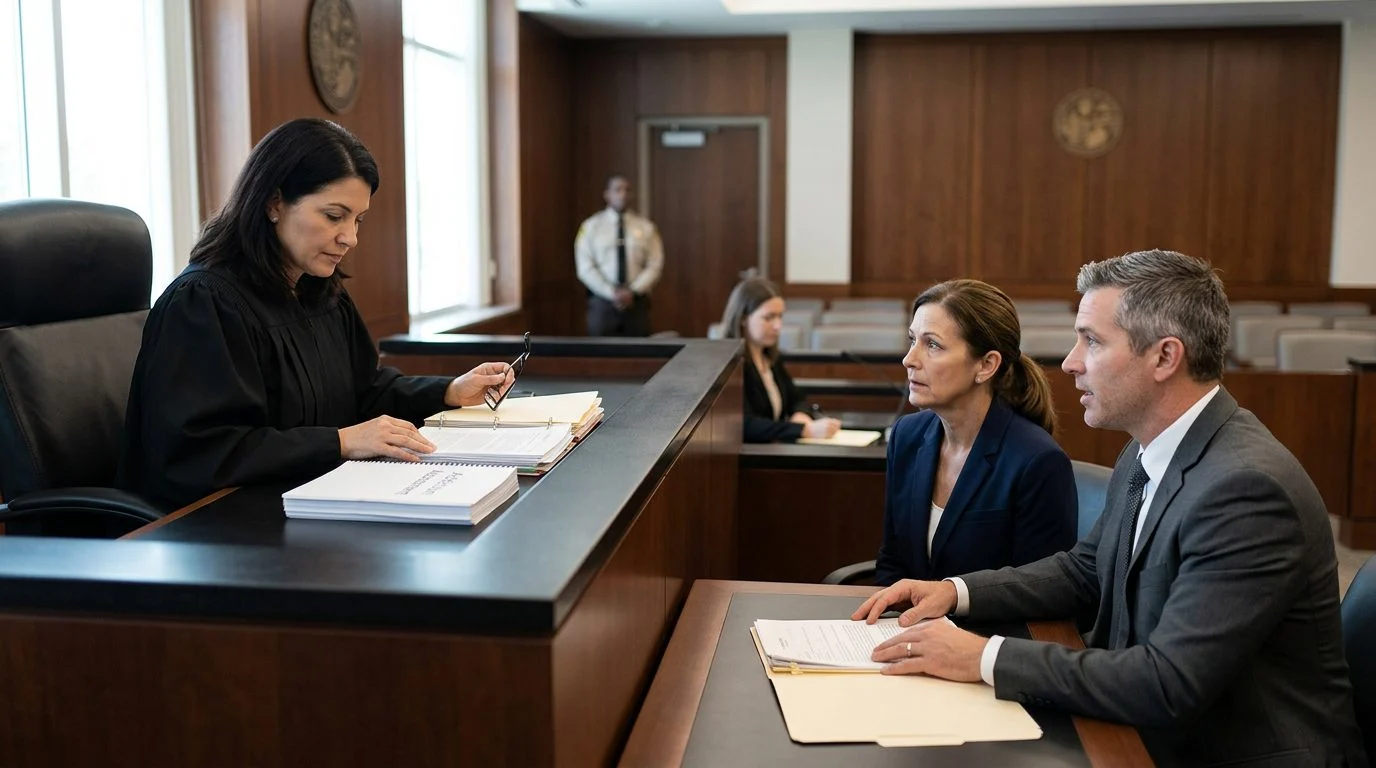
Marchman Act Attorney | Miami-Dade and South Florida
When Your Adult Child Is Using Drugs, Clear Legal Options Can Help
Robinson Casey focuses on Marchman Act petitions and guardianship matters for families in Miami-Dade, across South Florida, and statewide. Your first consultation is free, confidential, and carries no obligation to continue.
Casey III, Esq. · Published November 5, 2026
Yes. A parent can file a Marchman Act petition for an adult child living at home who is using drugs, if the statute’s criteria appear to be met. This page explains who may file, what a petition can and cannot do, and how the court process runs for an adult child living at home using drugs in Florida.
Your Son Is Still at Home, and You Are Running Out of Options
You have paid for treatment, tried interventions, and set boundaries. Still, your son keeps using, and each crisis feels worse than the last. Maybe it was an overdose, a hospital visit, an arrest, or a night when he simply disappeared.
You are afraid. You fear the next overdose will be the last one. You fear he will end up in jail or with nowhere to live. You fear you will stop believing anything can help him.
You may also be carrying all of this alone, deciding each day what to do next. Florida law offers a legal path you may not know about. It lets certain family members ask a court to order involuntary treatment for an adult whose substance use has taken away his ability to stop. The rest of this page explains how that path works.
If your son is still using at home and each night brings new fear, you don't have to work out the court process alone. Let's talk through the facts of his case. Talk it through with our team — the first consultation is free, confidential, and carries no obligation.

Can You File a Marchman Act Petition for an Adult Child in Florida?
Yes, a parent can file. Under Fla. Stat. § 397.68112, a petition for an adult may be filed by the respondent’s spouse or legal guardian, any relative, a service provider, or an adult who has direct personal knowledge of the respondent’s substance abuse impairment and his or her prior course of assessment and treatment. As his parent, you are a relative.
The court decides the petition, not you. Under Fla. Stat. § 397.675, the judge looks for a good-faith reason to believe your son is substance abuse impaired. The judge also looks for proof that he has lost the power of self-control over his use. Further tests apply, such as whether he can see his need for help.
Your role is to give the court clear facts. The Florida Department of Children and Families describes the Marchman Act as allowing involuntary assessment, stabilization and treatment for adults and youth severely impaired by substance abuse.
What a Marchman Act Petition Can and Cannot Do
A petition starts a court case. It does not force treatment on its own, and it cannot promise a result.
What it can do: – Put dated facts about your son’s use before a judge. Under Fla. Stat. § 397.68141, the petition must state why you believe he is impaired and has lost self-control. – Include a professional’s report, if one exists. A report from a qualified professional who examined him within 30 days before filing may go with the petition. – Lead to an order for treatment. When the court finds the conditions proved by clear and convincing evidence, it may order treatment for up to 90 days, under Fla. Stat. § 397.697.
What it cannot do: – Promise that the judge will order treatment, or that treatment will work once it starts. – Stop a crisis on the spot. The court works on its own timeline. In an emergency, a judge may act on the petition’s contents alone, under Fla. Stat. § 397.6818. – Remove your son’s rights. He keeps his right to a lawyer and to be heard at the hearing.
How the Marchman Act Process Works, Step by Step
A Marchman Act case starts with a petition filed in the county where your son is physically located. As the court put it in J.P. v. J.N., the filing of the petition in the wrong county “did not divest the circuit court in Putnam County of jurisdiction.”
- Consultation. We review your son’s history, your goals, and the facts you already have.
- Petition. The petition names your son and you, states your relationship, and sets out the facts. See Fla. Stat. § 397.68141.
- Filing. The petition goes to the clerk in the county where he is located. Under Fla. Stat. § 397.681, the clerk may not charge a filing fee.
- Scheduling and notice. Under Fla. Stat. § 397.68151, the court sets a hearing within 10 court working days unless a continuance is granted. Your son receives the petition and the notice.
- Assessment. Under Fla. Stat. § 397.6957, the court hears and reviews all relevant evidence, including the results of the assessment completed by the qualified professional, and at the conclusion either dismisses the petition or orders involuntary treatment.
- Hearing. Your son must attend unless the court finds that he knowingly, intelligently, and voluntarily waives his right to be present, or that his presence is inconsistent with his best interests or is likely to be injurious to himself or others. The judge hears evidence, including testimony from family members, under oath and on the record.
Expect several stages, not a single day in court. Plan for a sequence of steps.
What It Costs to Start and What the Free First Consultation Covers
The first consultation is free, confidential, and carries no obligation to continue. Robinson & Casey offers it so you can ask questions before you decide anything.
In the consultation, we review your son’s recent history, the records you already have, such as hospital discharge papers or police reports, and the likely next steps. The clerk may not charge a filing fee for the petition. The court may prohibit, or a law enforcement agency may waive, service-of-process fees for a petitioner who is determined to be indigent. Other costs depend on the facts of your case, so ask about them early.
Why Families Bring Marchman Act Matters to Robinson Casey
Robinson & Casey limits its practice to Marchman Act petitions and guardianship matters.
Richard J. Casey III, Esq. is the responsible lawyer for this page. Our attorneys and our team, including support staff, give each family’s facts and documents close attention.
The practice handles related matters too, including involuntary commitment for addiction, mental health guardianship, guardianship, and emergency temporary guardianship.
Not sure what your next step is?
Talk it through with our team — the first consultation is free, confidential, and carries no obligation.
Questions Parents Ask Before Filing a Marchman Act Petition
These are the questions that matter most at the start.
Do I have to be his guardian to file?
No. A relative may file a petition under Fla. Stat. § 397.68112.
Will police take him into custody?
The court may order a law enforcement officer to take him into custody and deliver him for evaluation, under Fla. Stat. § 397.6818.
What if he leaves before the hearing?
If he does not appear, and upon reviewing the petition, testimony, and evidence presented the court reasonably believes he meets the commitment criteria and that a substance abuse emergency exists, the court may reissue an assessment order under the same statute, valid for 90 days. Tell us about his whereabouts during the consultation.
Does he get a lawyer?
Yes. He has a right to counsel at every stage of the proceeding, and a court-appointed lawyer if he cannot afford one.
How is this different from guardianship?
A Marchman petition asks a court to order assessment and treatment for substance impairment. Guardianship is a separate court process, and we handle both.
What should I bring?
Bring dates, hospital or police records, and any treatment history you have.
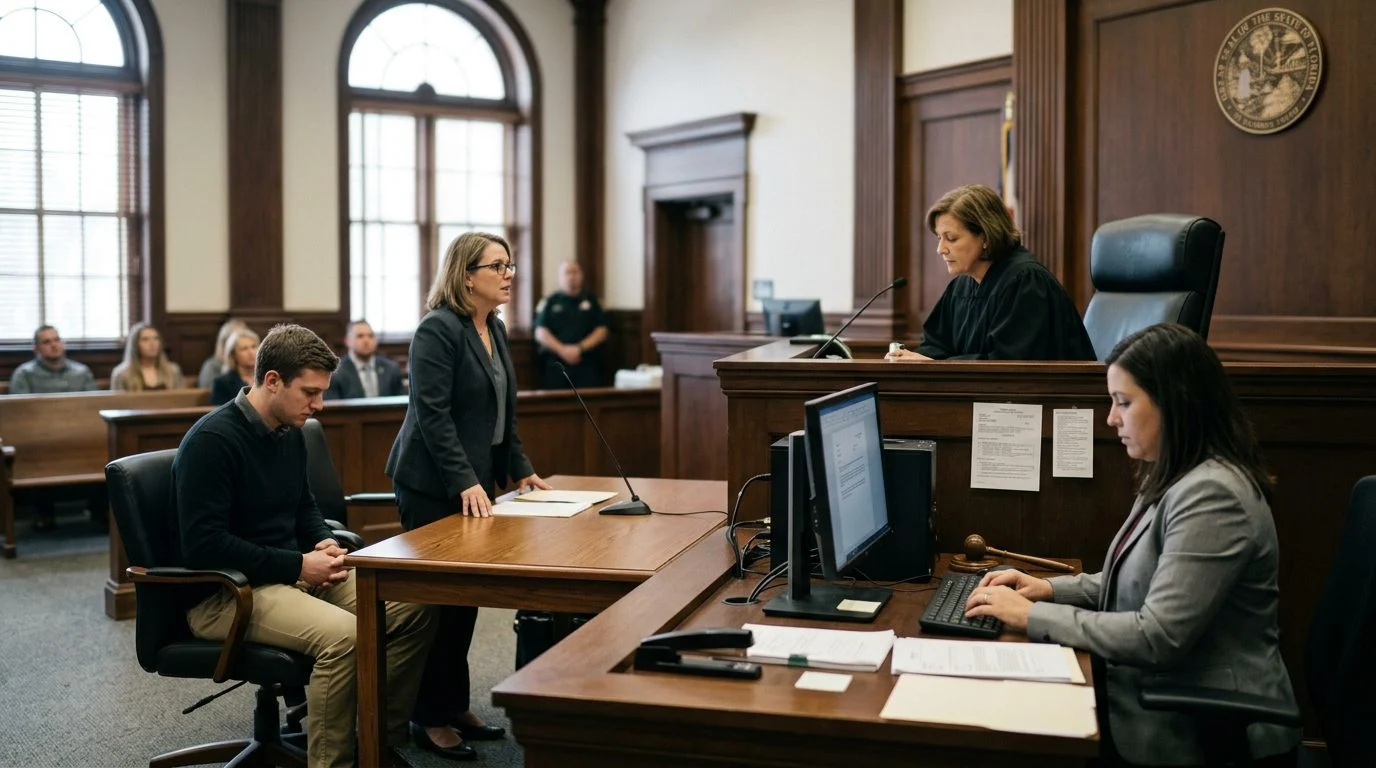
If Your Son Is Using at Home Right Now, Talk to Us Before the Next Crisis
A Marchman Act petition may be a legal option when an adult child living at home keeps using and refuses help. You may be lying awake, listening for the door and wondering whether tonight is the night. You don’t have to sort out the court process alone. Call (561) 849-4700 or schedule a consultation to review his situation and see whether a petition fits.
Why Families Work With Robinson Casey
A Focused Practice
Our practice focuses on Marchman Act petitions and guardianship matters, so your case is handled by a firm that works in these areas every day.
Confidential From the Start
Your first consultation is free and confidential. You can share the details of your family's situation without any obligation to continue.
South Florida and Statewide
We represent families in Miami-Dade and throughout South Florida, and we also assist clients across Florida.
Support for the Whole Family
Our team guides parents and relatives through each step, from the first call to the court process, with clear and steady communication.
Matters We Handle
Marchman Act Petitions
Help filing a petition for a loved one who needs substance use evaluation and treatment under Florida's Marchman Act.
Involuntary Commitment for Addiction
Guidance on court-ordered evaluation and treatment when a family member's substance use puts their health or safety at risk.
Emergency Temporary Guardianship
Immediate court protection when a person is in urgent need of a guardian and waiting could cause serious harm.
Plenary and Limited Guardianship
Guardianship petitions tailored to the level of decision-making support a person needs, from broad to narrowly defined authority.
Mental Health Guardianship
Legal support for families seeking a guardian for a relative whose mental health condition affects their ability to make sound decisions.
Don't Wait Until the Crisis Peaks
Waiting for a dangerous situation to escalate can leave your family with fewer options. If your adult child's drug use is putting his health or safety at risk, reach out early so we can review your situation with you.