
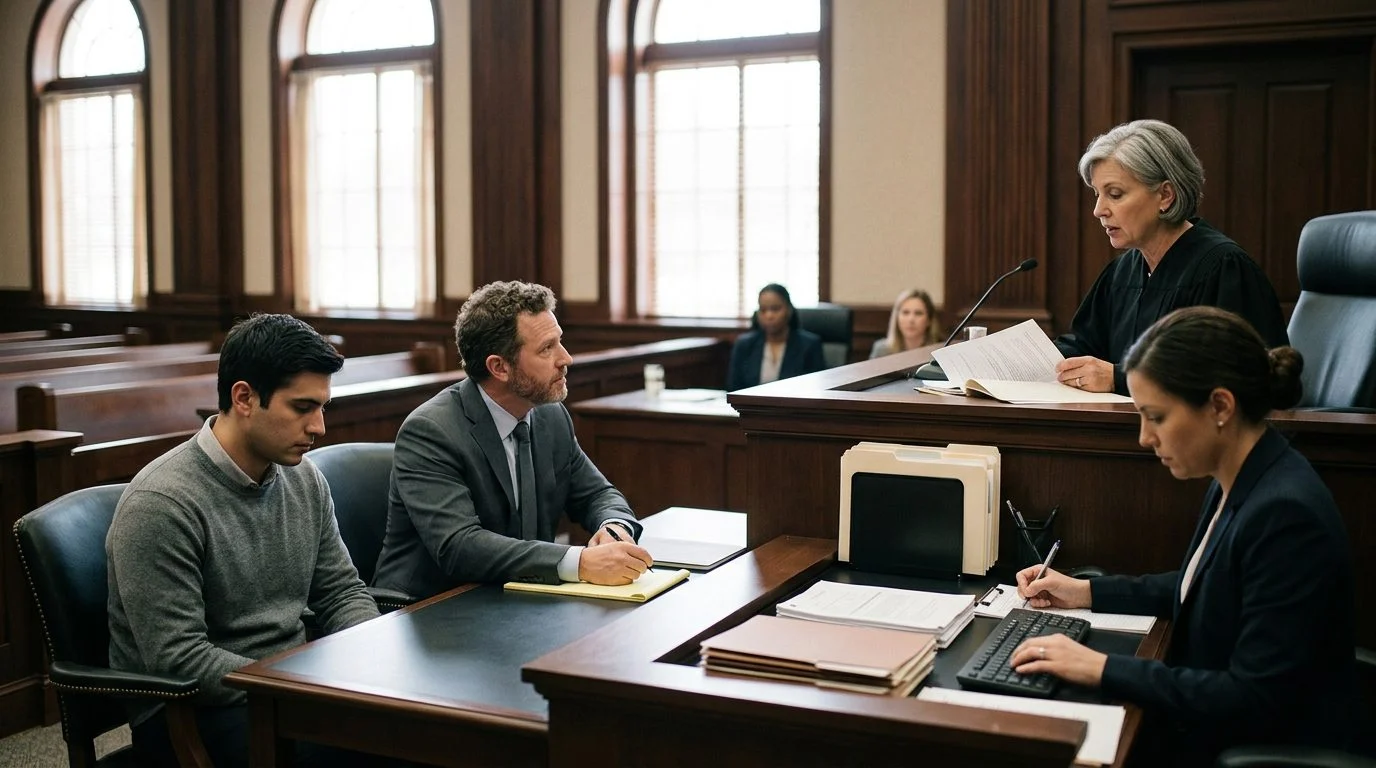
Marchman Act Attorney | Florida
Helping Your Family Act on a Court Order for Your Adult Child
Robinson Casey focuses on Marchman Act petitions and guardianship matters for families in Miami-Dade, South Florida and across the state. Richard J. Casey III, Esq. is responsible for this page.
By Richard J. Casey III, Esq. · Published November 1, 2026
Where You Are Right Now: Refusal Is Painful, but It Is Not the End of Your Options
Florida law lets a family member ask a court to order an adult child into assessment and treatment for substance use, even when that child refuses. The request is a petition filed under the Marchman Act.
If you have spent years paying for treatment, trying interventions, and holding firm boundaries, you know how exhausting this is. Then a recent overdose, relapse, hospital stay, arrest, or disappearance pushed you to look for another way. Many parents type some version of “how to get court order for adult child drug treatment Florida” late at night, often alone.
You may be asking one plain question. Can the law require an adult child to get treatment when they say no? This page answers that question. It covers the law, the steps, what you can do today, and how to reach a Florida firm that limits its practice to these matters. It is a decision guide, not a sales pitch.
When a child keeps getting worse, the next step can feel impossible, and you don't have to face that choice alone. Our team is ready to talk through your situation with you. Talk it through with our team — the first consultation is free, confidential, and carries no obligation.

What the Marchman Act Is and Who It Is For
The Marchman Act is Florida’s law for court-ordered assessment and treatment of substance abuse. The process centers on assessment and treatment, not criminal charges.
A judge can act only if the legal criteria are met. The judge needs a good faith reason to believe your child is substance abuse impaired, or has a substance use disorder and a co-occurring mental health disorder, and has lost the power of self-control over substance use. Fla. Stat. § 397.675 Your child must also be unable to see the need for help and make a sound choice about it. Or your child must be likely to neglect themselves in a way that poses a real and present threat of substantial harm, and it must not be apparent that the harm can be avoided through willing, able, and responsible family members or friends or other services; or there must be a substantial likelihood that your child has inflicted, threatened, or attempted physical harm, or, unless admitted, is likely to inflict it on themselves or someone else.
Refusal alone is not proof of impaired judgment. The facts must show why the criteria are met.
Fla. Stat. § 397.675 sets the criteria for involuntary admission and does not say who may file a petition for an adult child.
How the Marchman Act Petition Process Generally Works
The petition is filed with the clerk of court in the county where your child is located, and then the court sets a hearing.
- Gather specific facts. The petition must name your child and you, state your relationship, and explain the facts behind your belief. Fla. Stat. § 397.68141 A petition must include factual allegations showing the reason the petitioner believes the respondent is substance abuse impaired.
- Attach an assessment if you have one. A report from a qualified professional who examined your child within 30 days can go with the petition.
- File in the right county. The clerk may not charge a filing fee. Fla. Stat. § 397.681 A petition for involuntary treatment must be filed with the clerk of the court in the county where the person is located, and the clerk may not charge a fee for filing it. J.P. v. J.N.
- Use the emergency route if needed. If there is an emergency, the petition must also describe the exigent circumstances and include a request for an ex parte assessment and stabilization order. Law enforcement may take your child into custody.
- Review the order. If the criteria are proved by clear and convincing evidence, the court may order treatment.
Fla. Stat. § 397.681 gives the courts jurisdiction over involuntary treatment petitions; it does not address who carries the burden of proof.
What the Firm Does for Parents Who File
Richard J. Casey III, Esq. is the responsible lawyer for this page.
Parents who want to get court order for adult child drug treatment Florida often need help with paperwork and timing. The firm can start with a review of your family’s facts for a Marchman Act fit. From there, it can walk you through the petition, notice, and hearing steps described above.
The firm also handles involuntary commitment for addiction. It can address mental health guardianship questions that arise alongside addiction. The firm offers a free first consultation that is confidential and carries no obligation to continue (Spanish: consulta inicial gratuita, confidencial y sin compromiso).
What You Can Do Today While You Decide
Start a dated, factual log now, because the petition must rest on specific facts. Write down what happened, when, who was present, and what emergency responders did.
Then take these steps:
- Save hospital, EMS, police, and medical paperwork about your child.
- If your child is in immediate danger, call 911 right away.
- Protect your own documents and money. Be careful about covering consequences in ways that keep the crisis going, and keep the door open to your child.
- Write down the outcome you hope for and the worries keeping you up at night.
Your Questions and Fears, Answered Plainly
The Marchman Act asks a court for assessment and treatment, not a criminal sentence.
Will my child go to jail? Florida law says people not accused of a crime may not be held in jails, except for protective custody under the chapter.
The rest depends on the facts of your case.
Will treatment work? No lawyer can promise recovery. The statute on involuntary treatment petitions does not set how long a court order can last; the courts have jurisdiction over these petitions.
Not sure what your next step is?
Talk it through with our team — the first consultation is free, confidential, and carries no obligation.
Frequently Asked Questions
Who can file a Marchman Act petition for an adult child in Florida?
A spouse, legal guardian, any relative, a service provider, or an adult with direct personal knowledge may file. A parent is a relative, so a parent can file.
Where is the petition filed?
It is filed with the clerk of court in the county where your child is physically located when you file.
What if my child lives in another county?
The petition belongs where your child is physically located. A petition filed in the wrong county is generally transferred, not dismissed. J.P. v. J.N.
Does the firm handle guardianship questions too?
Yes. Robinson & Casey limits its practice to Marchman Act petitions and guardianship matters, so related guardianship questions fall within that focus.
What should I bring to the first consultation?
Bring your dated log, any hospital, EMS, or police records, and a list of past treatment attempts. These papers help the firm review your family’s facts.
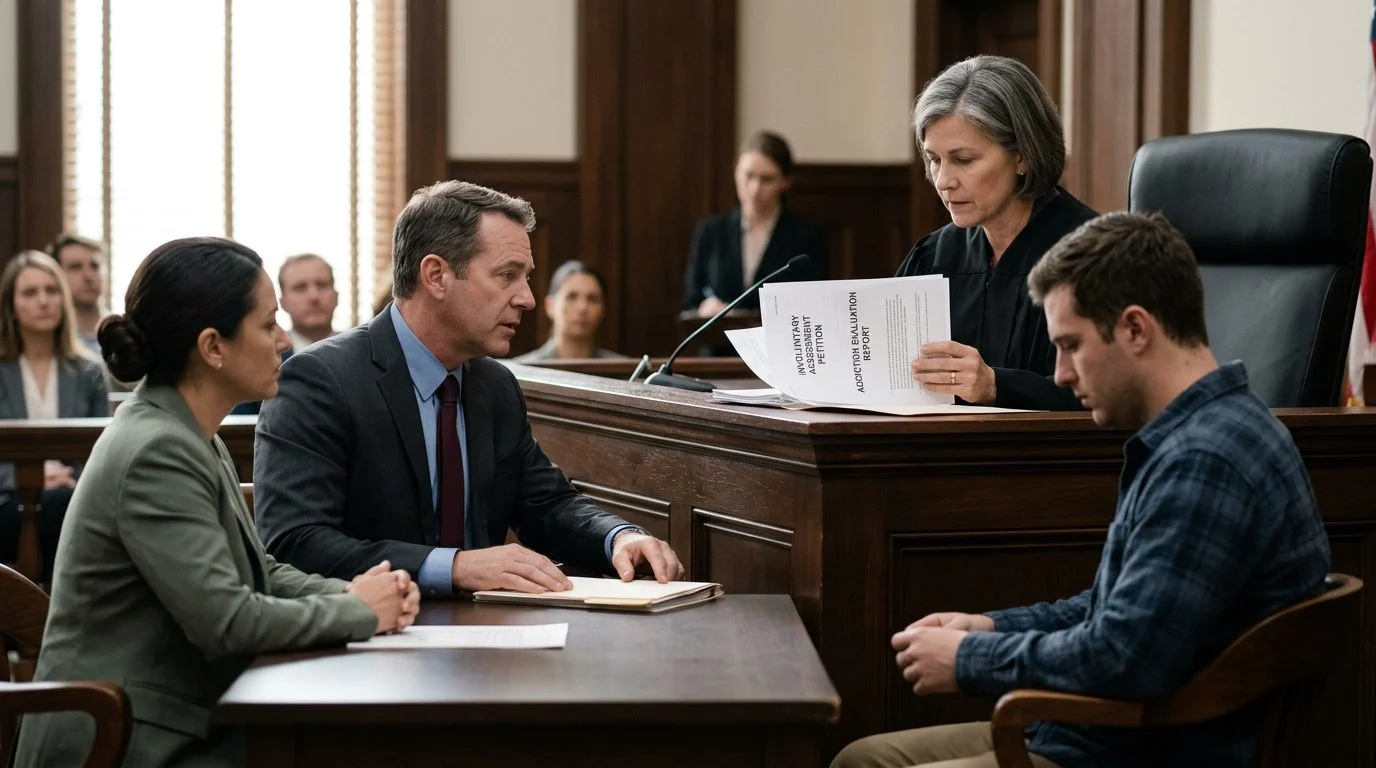
Talk Through Your Situation With Robinson Casey
If you’re weighing how to get court order for adult child drug treatment Florida, you don’t have to decide alone. Your child keeps getting worse, and the next step feels heavy. Call (561) 849-4700 or reach the firm online to talk through your situation.
Matters We Handle
Marchman Act Petitions
Guidance on filing a petition for a court-ordered assessment, treatment or stabilization for an adult child struggling with substance use or mental health crisis.
Involuntary Commitment for Addiction
Representation in the court process for families seeking an involuntary commitment order when a loved one is unable or unwilling to get help.
Emergency Temporary Guardianship
Help with urgent requests for temporary guardianship when an adult's immediate safety or wellbeing is at risk.
Guardianship Matters
Support with plenary, limited and mental health guardianship petitions, including the court filings and hearings involved.
Why Families Contact Robinson Casey
A Focused Practice
Robinson Casey limits practice to Marchman Act and guardianship matters, so our work is centered on these court proceedings.
Confidential Conversations
What you share with us about your family and your loved one is treated in confidence.
Clear Explanations
We explain the petition process, the court steps and what to expect in plain language.
Support Team
Our team, including office staff and assistants, helps keep your case organized from first call to hearing.
Do Not Wait Until A Crisis Peaks
When a loved one's health or safety is at risk, early questions can make a difference in how your options are explored. Speak with our office before the situation becomes an emergency.