
Marchman Act & Guardianship | Robinson Casey
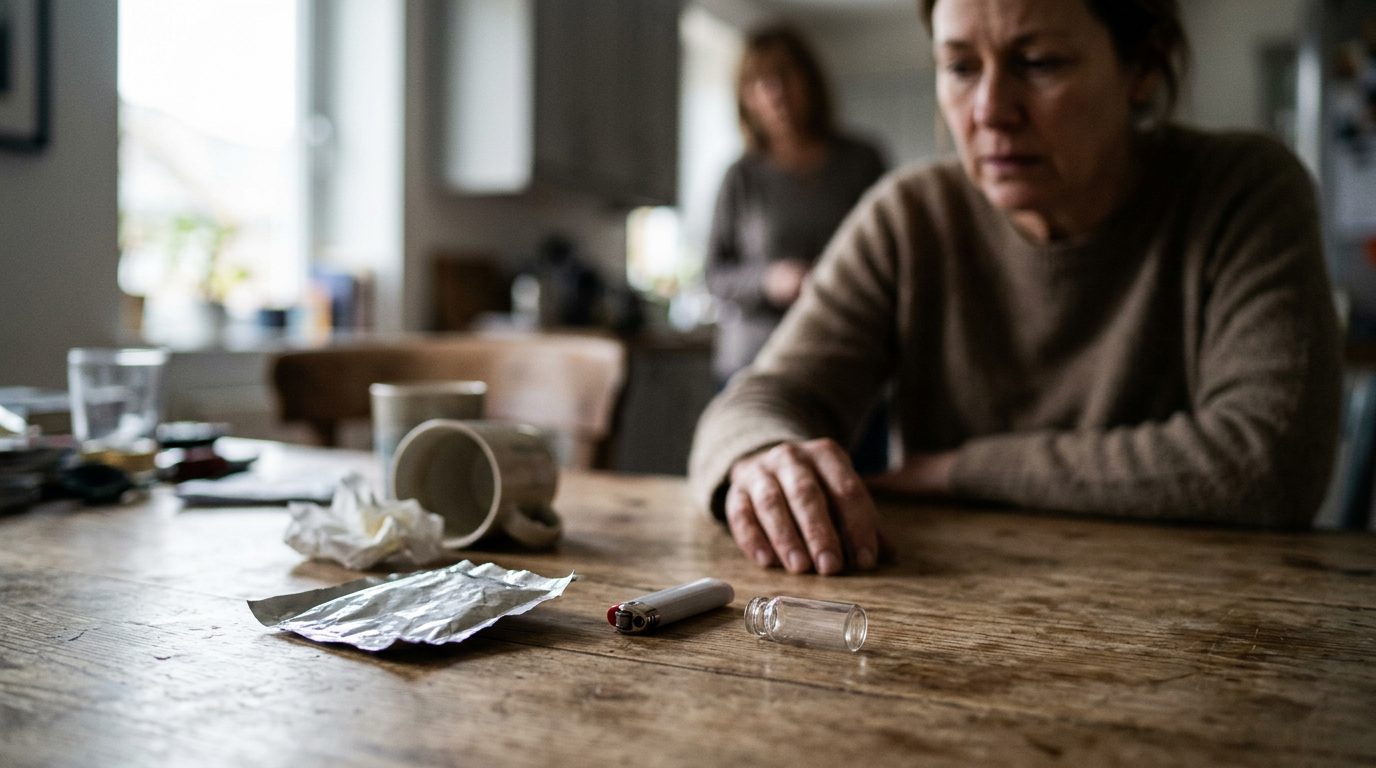
When Drug Use Puts a Family Member in Danger, Know Your Options
Robinson Casey focuses exclusively on Marchman Act petitions and guardianship matters. Learn how families can think through their next steps, then speak with our team in a free, confidential consultation.
By Richard J. Casey III, Esq. · Published October 14, 2026
If a family member’s drug use puts them in immediate danger, call 911 or get emergency medical care first. Legal options come after that. Under Florida’s Marchman Act, the courts have jurisdiction of involuntary treatment petitions for substance abuse impaired persons. (J.P. v. J.N.) This page covers the safety steps, the warning signs, and how Florida law may apply.
Start With Immediate Safety: Call 911 or Seek Emergency Care
If someone may have overdosed, call 911 right away. Tell the dispatcher which drugs you think were used, how much, and when. Stay with the person until help arrives. If they are breathing but won’t wake up, keep them on their side. Don’t leave them alone to “sleep it off.”
Protect yourself, too. Don’t physically confront someone who is violent or armed. If threats are escalating, move to a safe room or outside, then call 911 from there. Your safety comes first. A legal process can wait until the immediate danger has passed.
If a loved one's drug use has you worried about their safety, you don't have to sort out the legal options alone. Robinson Casey offers a free, confidential first consultation. Talk it through with our team — the first consultation is free, confidential, and carries no obligation.
Recognizing Signs That Danger Is Immediate
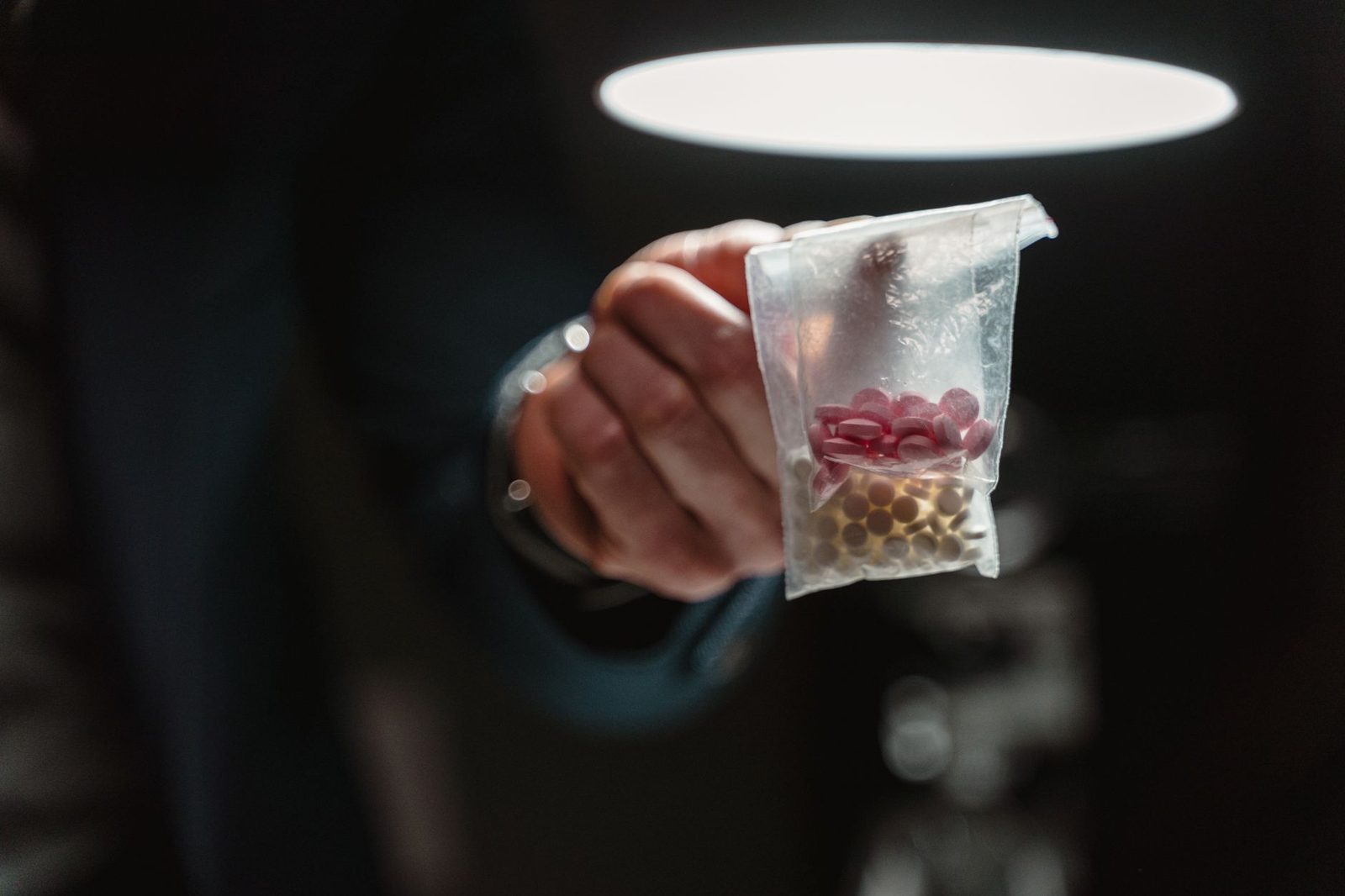
Signs that need emergency care include slowed or irregular breathing, blue or gray lips, seizures, severe confusion, or being unable to wake up. Behavior can also signal immediate risk. Watch for threats of self-harm, threats to hurt others, or driving while impaired.
Don’t wait for a long pattern before you act. Emergency signs call for action now, even after a calmer day. Trust what you see. Describe it to responders plainly. Say what you saw, when it happened, and what the person said.
A medical emergency and a long history of use can overlap. Medical responders make decisions about medical care. The legal criteria discussed below are separate from those medical decisions.
Documenting What You Are Seeing and Who Else Knows
Keep a dated written record of each incident as it happens. Note the date, the time, what happened, which substances you suspect, any injuries, and anything the person said. Write it soon after the event, while the details are fresh.
List anyone else who saw the same things, such as other family members, roommates, or neighbors. Note what each person could describe. Save text messages, voicemails, and photos that show the behavior. Store them somewhere secure and keep a backup copy.
Florida law allows the court to consider this kind of history. Under § 397.6957, the court hears all relevant evidence, including testimony from family members familiar with the person’s prior history. A good record organizes the facts. It does not decide the case.
Crisis and Treatment Resources While You Decide Next Steps
An emergency department or a hospital crisis evaluation is the immediate medical option when someone is in danger. Go there when safety is at risk. Don’t wait for a legal decision first.
Florida law also allows emergency admission in some situations. Under § 397.679, a person who meets the involuntary admission criteria may be admitted to a hospital, a licensed detox facility, or an addictions receiving facility for emergency assessment and stabilization. That admission depends on a certificate from a qualified professional and an application for emergency admission. Under § 397.6791, an adult’s spouse, legal guardian, relative, or other responsible adult with personal knowledge of the impairment may request that certificate.
Consent matters. If the person agrees to voluntary treatment, a court process may not be needed. If they refuse, a court process under Chapter 397 may apply. Ask providers directly what they offer and what they need from you.
How the Marchman Act Fits Into the Picture
The Marchman Act is the Florida law for court-ordered assessment and treatment of substance abuse impairment. Under § 397.675, one of the criteria for involuntary admission is a good faith reason to believe the person is substance abuse impaired; the statute lists additional required findings, and the court decides. Other conditions also appear in the statute, so read the full text.
Florida’s Baker Act addresses mental illness instead. § 394.463 covers involuntary examination based on mental illness. A person’s situation may involve substance use, mental illness, or both. The right statute depends on the facts, and the court decides.
Some time limits appear in the statute. Under § 397.6818(3), a service provider may not hold a respondent for longer than 72 hours of observation, unless a listed exception applies. Actual timing depends on the court’s schedule and discretion. For more on this process, read our involuntary commitment guide.
Who Can File a Marchman Act Petition in Florida
For an adult, § 397.68112 says a petition for involuntary treatment services may be filed by the respondent’s spouse or legal guardian, any relative, a service provider, or an adult who has direct personal knowledge of the respondent’s substance abuse impairment and prior course of assessment and treatment.
Other requirements may apply. The court decides whether a petition meets the statute’s criteria. Being a relative does not, by itself, settle every question.
Under § 397.681, petitions must be filed with the clerk of the court in the county where the person is located. The clerk may not charge a filing fee for the petition.
Not sure what your next step is?
Talk it through with our team — the first consultation is free, confidential, and carries no obligation.
When a Loved One Refuses Help or Will Not Leave Your Home
Talk calmly and specifically. Set clear boundaries, and write down your concerns. No approach is certain to change a person’s behavior, but clear and documented communication helps you organize what you need to say.
Removing someone from a home is a property and tenancy question. It depends on who owns or leases the home and on Florida law. Before you act, consider scheduling a free, confidential first consultation, with no obligation to continue, to discuss how a Marchman Act petition may relate to your situation.
In an emergency, § 397.6818(1) says the court may rely solely on the petition and, without appointing an attorney, enter an ex parte order for involuntary assessment and stabilization. Whether the court does so depends on its finding that an emergency exists. Under § 397.681(2), a respondent has the right to counsel at every stage of the proceeding. A respondent who cannot afford private counsel may be entitled to court-appointed counsel under that subsection.

Preparing for a Free Initial Consultation
Bring a short written timeline, your incident record, witness names, any medical or police reports, and your written questions. These help a lawyer understand what you’re dealing with. Among other required contents, a petition under § 397.68141 must name the respondent and the petitioner, state their relationship, and list the facts showing the need for services.
Robinson Casey is a Florida law firm that limits its practice to Marchman Act petitions and guardianship matters. This page is published by Robinson & Casey, and Richard J. Casey III, Esq., is the lawyer accountable for its content. The firm offers a free, confidential initial consultation with no obligation to continue.
Common Questions
Who can file a Marchman Act petition?
Under § 397.68112, the statute lists a spouse or legal guardian, any relative, a service provider, or an adult with direct personal knowledge of the respondent’s substance abuse impairment and prior course of assessment and treatment; other requirements may apply, and the court decides. Other requirements may apply, and the court decides.
Should I call 911 first?
Yes, if someone may be in danger or has overdosed. Legal steps can come after the immediate emergency.
Does the first consultation cost anything?
The firm offers a free, confidential initial consultation with no obligation to continue.
If you’re worried about someone you love right now, call (561) 849-4149 or request a consultation. We can talk through what you’re seeing and what your options may be. “`
Status: NOT PUBLISHABLE. Stopped for human review.
- Citations added: 1 (J.P. v. J.N., 225 So. 3d 410, Fla. 5th DCA 2017). The minimum is 2.
- Why only 1: The only other listed sources (Florida Department of Children and Families, NIDA, Florida Courts) are name-only home pages. They may be named and linked, but they cannot be cited for any statement or figure. No other valid source is available, so the minimum cannot be met from the provided list.
- Placement to verify: The J.P. v. J.N. link is attached to the intro claim that courts have jurisdiction over involuntary treatment petitions. A reviewer should confirm that the opinion supports that specific point before the link is relied on.
- Other items for the reviewer: The “Common Questions” answer on who can file repeats “Other requirements may apply, and the court decides” twice. I left it unchanged because the rules prohibit rewording.
- To proceed: Supply at least one more citable source (a case or a primary statute/official publication) so the page can clear the minimum.
Matters Robinson Casey Focuses On
Marchman Act Petitions
Petitions under Florida's Marchman Act for substance abuse impairment, reviewed with the statute's requirements in mind.
Involuntary Commitment for Addiction
Guidance on involuntary commitment for addiction, where the court decides based on the evidence presented.
Guardianship Matters
Emergency temporary, plenary, and limited guardianship, each handled according to the court's procedures and the facts of the case.
Mental Health Guardianship
Support for families concerned about a loved one's mental health and ability to make decisions safely.
If Someone Is in Immediate Danger
Call 911 first. Your family's safety comes before any legal step. Once everyone is safe, you can contact Robinson Casey to talk through your options.
Ways to Prepare for a Consultation
Write Down What You Have Seen
Note dates, specific incidents, and anyone who witnessed them. Clear notes make it easier to explain your concerns.
Gather Key Information
Have the full name, date of birth, and address of your family member, along with any prior treatment or hospital records you have.
List Your Questions
Think about what you hope to accomplish and what worries you most, so your consultation time is well used.
Understand That Outcomes Are Up to the Court
Any petition or hearing is decided by the court based on the evidence and the circumstances of each case. Our team can explain how the process works.
Talk With Robinson Casey About Your Family's Situation
Related practice areas
- Involuntary Commitment for Addiction in Florida
- Marchman Act Consultation Preparation Checklist