
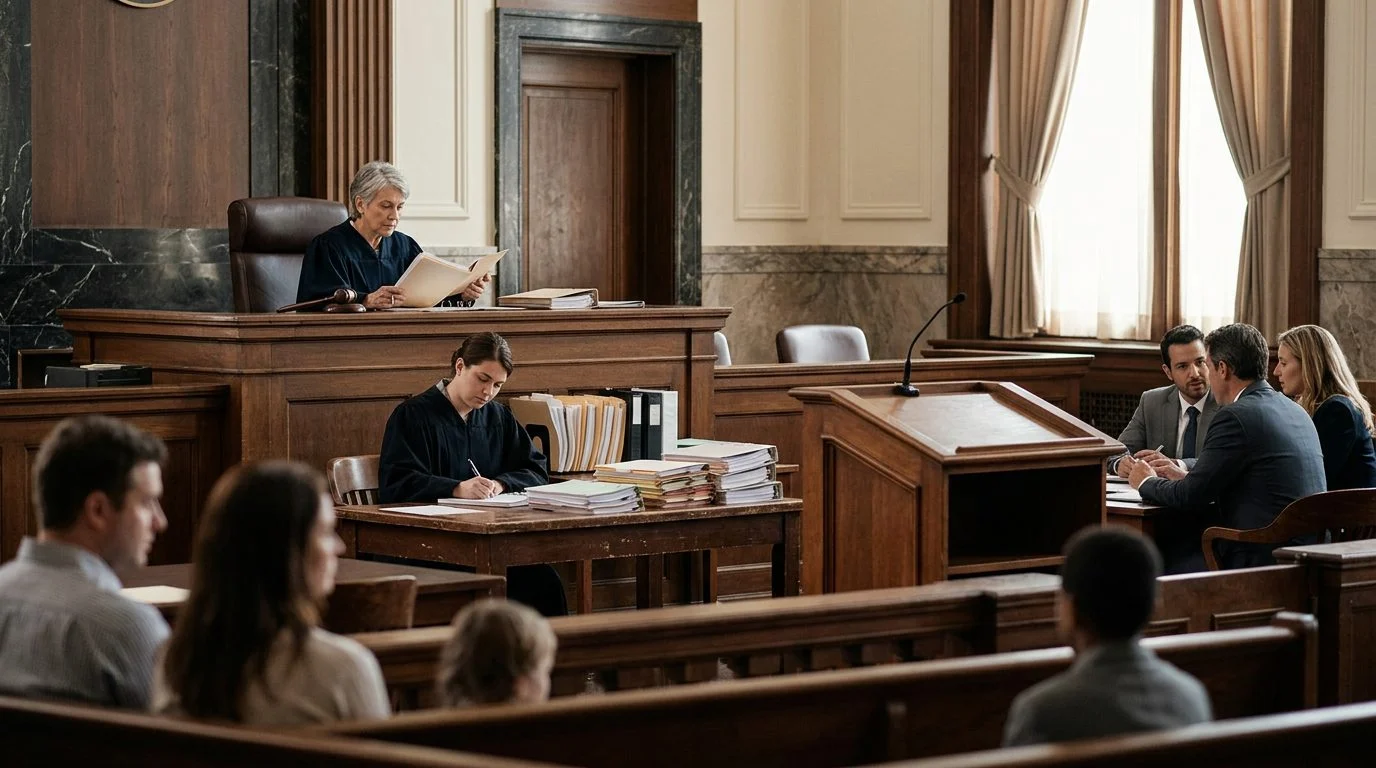
Marchman Act & Involuntary Commitment
Involuntary Commitment for Methamphetamine Addiction in Florida
When a family member refuses help, Florida law provides a legal pathway to court-ordered treatment. Robinson & Casey helps families navigate the Marchman Act petition process.
By Richard J. Casey III, Esq. · Published September 21, 2026
Involuntary Commitment for Methamphetamine Addiction in Florida: What Families Need to Know
When a family member’s methamphetamine addiction spirals into active use, erratic behavior, and refusal of help, involuntary commitment under Florida’s Marchman Act may become the only legal pathway to intervention. Florida law recognizes that severe substance use disorders can strip away a person’s ability to make safe decisions, and it gives families, healthcare providers, and law enforcement the right to petition a court for emergency treatment placement—even without the person’s consent.
This guide explains how involuntary commitment works in Florida, why methamphetamine addiction often reaches the crisis point that triggers it, and what your family can expect through the legal process.

Not sure what your next step is?
Talk it through with our team — the first consultation is free, confidential, and carries no obligation.
Understanding Methamphetamine Addiction and When Commitment May Be Necessary
Methamphetamine is a powerful central nervous system stimulant that produces rapid, severe changes in brain chemistry and behavior. Unlike some other substances, meth creates intense euphoria followed by sharp crashes—a cycle that drives compulsive re-dosing and quickly erodes judgment, impulse control, and the ability to recognize danger.
The National Institute on Drug Abuse identifies methamphetamine use disorder as a chronic relapsing condition characterized by compulsive drug-seeking behavior despite mounting harmful consequences. Users often experience paranoia, aggression, hallucinations, and severe sleep deprivation—all of which impair decision-making capacity and increase the risk of harm to self or others.
Signs that methamphetamine addiction has reached a crisis point often include:
- Rapid weight loss, skin sores, and severe dental decay
- Erratic, violent, or paranoid behavior that puts family members or the person at risk
- Complete loss of employment, housing, or financial stability
- Repeated refusal to seek treatment or acknowledgment of the problem
- Active use despite overdose risk, legal consequences, or health emergencies
- Inability to care for themselves or dependents
When someone is actively using methamphetamine, voluntary treatment is rarely an option. Active use clouds judgment, denial runs deep, and the drug’s grip on the brain makes rational decision-making nearly impossible. In these circumstances, involuntary commitment becomes a legal tool to break the cycle and access treatment.
Florida’s Legal Framework for Involuntary Commitment in Addiction Cases
Florida’s Marchman Act, codified in Fla. Stat. § 397.675, establishes the legal framework for involuntary commitment of individuals with substance use disorders, including methamphetamine addiction. The statute recognizes that some people with severe addictions cannot or will not seek help voluntarily, and it authorizes the court to order treatment in the interest of public health and safety.
Under the Marchman Act, the following people can petition the court for involuntary commitment:
- Family members (parents, spouses, adult children, siblings)
- Healthcare providers who have treated the person
- Law enforcement officers
- The Florida Department of Children and Families
The court must find that the individual is unable or unwilling to seek treatment voluntarily and that substance abuse poses a threat to their health, safety, or the safety of others. The statute distinguishes between two types of commitment orders:
Emergency Involuntary Commitment (Ex Parte Order): When imminent danger is present, a family member or provider can petition for an emergency ex parte order—a temporary hold issued by a judge without the person’s presence or input. This order allows immediate intervention and transport to a treatment facility or evaluation center for up to five days pending a full hearing.
Longer-Term Commitment: After a hearing where both sides present evidence, the court may order commitment for up to 60 days (renewable) if it finds clear and convincing evidence that involuntary treatment is necessary.
The Process: From Petition to Commitment
The pathway to involuntary commitment in Florida follows a structured legal process designed to balance the need for swift intervention with due process protections.
Filing the Petition: A family member, healthcare provider, or law enforcement officer files a petition with the court in the county where the person resides. The petition describes the person’s substance abuse, specific incidents demonstrating inability or unwillingness to seek treatment, and the threat posed to health or safety. In methamphetamine cases, this often includes documentation of active use, erratic behavior, overdose risk, or harm to dependents.
Emergency Ex Parte Order: If the petition alleges imminent danger, the judge may issue an ex parte order on the same day—without the person being present. This order authorizes law enforcement or emergency services to take the person into custody and transport them to an evaluation facility. The person is held temporarily (typically up to five days) while the court schedules a full hearing.
The Hearing: At the hearing, the petitioner presents evidence—medical records, witness testimony, documentation of past treatment refusals, and details of recent behavior. The person has the right to be present, to have an attorney, and to present their own evidence. The court considers whether the person is unable or unwilling to seek treatment and whether substance abuse poses a real threat. In methamphetamine cases, courts often consider the drug’s rapid progression, the person’s history of relapse, and behavioral changes as evidence of imminent danger.
Court Order: If the court finds clear and convincing evidence, it issues a commitment order. For methamphetamine addiction, this typically authorizes treatment placement for 30 to 60 days, with the possibility of renewal if progress is not evident.
Treatment Placement: The Florida Department of Children and Families or a licensed treatment provider arranges placement at an appropriate facility. The person undergoes medical detoxification, psychiatric evaluation, and entry into a treatment program tailored to substance use disorder.
Timeline: The entire process—from petition to commitment order—can occur within days. Emergency ex parte orders may be issued the same day. Full hearings typically occur within 10 to 14 days of the emergency order.
Have questions about what happened?
Ask our team directly. The first conversation is free, confidential, and there is no obligation to continue.
Why Methamphetamine Addiction Specifically Presents Urgent Circumstances
Methamphetamine addiction differs from many other substance use disorders in its speed of progression and severity of behavioral change. The drug produces intense dopamine release, followed by a crash that drives immediate re-use. This cycle creates rapid addiction, severe cognitive and psychiatric effects, and a high risk of overdose or violence.
According to SAMHSA, involuntary civil commitment is recognized as a lawful intervention when individuals with substance use disorders lack capacity to consent to treatment and present safety risks. In methamphetamine cases, this threshold is often met quickly:
- Cognitive impairment: Methamphetamine use damages the prefrontal cortex, the brain region responsible for judgment, impulse control, and risk assessment. Active users cannot reliably evaluate their own safety or the need for treatment.
- Psychiatric effects: Paranoia, hallucinations, and aggression are common, creating danger to the person and others.
- Overdose risk: Methamphetamine purity and potency vary widely. Users often cannot predict dose effects, and overdose can cause cardiac arrest, stroke, or sudden death.
- Rapid deterioration: Unlike some addictions that progress over months or years, methamphetamine addiction can cause severe functional decline—job loss, homelessness, legal crisis—within weeks.
Waiting for voluntary compliance in a methamphetamine crisis is often not safe. Involuntary commitment, guided by the Marchman Act, provides a legal mechanism for immediate intervention.
What to Expect During and After Involuntary Commitment
Once a commitment order is in place, the person enters a structured treatment pathway.
Initial Assessment and Stabilization: Upon arrival at a treatment facility, the person undergoes medical evaluation and detoxification. Methamphetamine withdrawal is not typically life-threatening, but it causes severe depression, fatigue, and cravings. Medical staff monitor vital signs and may provide supportive medications to ease the transition.
Treatment Programming: Treatment typically includes individual therapy, group counseling, psychiatric care, and education about addiction and relapse prevention. Duration varies, but court-ordered treatment often spans 30 to 60 days. The goal is to stabilize the person, address underlying mental health issues, and build skills for sustained recovery.
Family Involvement: Many programs encourage family participation in therapy and education. This helps repair relationships damaged by addiction and prepares the family to support recovery after discharge.
Transition and Aftercare: Before discharge, treatment providers develop a discharge plan that includes outpatient therapy, support groups (such as Narcotics Anonymous), and ongoing monitoring. Aftercare is critical to preventing relapse.
Court Oversight: The court retains jurisdiction. If the person is not making progress, the commitment may be renewed. If progress is evident, the person may be discharged before the order expires.
Working With an Attorney on Your Petition
Filing a Marchman Act petition yourself is legally possible, but the process involves court procedures, evidence gathering, and legal standards that benefit from professional guidance. An attorney who handles involuntary commitment petitions can strengthen your case significantly.
An attorney will:
- Help you document the person’s substance abuse history, recent incidents, and current danger
- Prepare witness statements and gather medical or police records
- Draft a petition that clearly meets the statutory standard for involuntary commitment
- Represent you at the hearing, present evidence, and respond to legal challenges
- Navigate court deadlines and procedural requirements
- Protect your family’s interests and ensure the court has the information needed to order treatment
In the involuntary commitment cases our attorneys handle, families often feel overwhelmed by the crisis and uncertain about how to present their concerns to the court. Legal representation clarifies the process, reduces stress, and increases the likelihood that the court will issue the commitment order your family needs.

Want to know where you stand?
Tell us what happened and our team will walk you through the options available to you, at no cost.
Take the Next Step
If a family member’s methamphetamine use has spiraled beyond their control and you’re facing the decision of whether involuntary commitment is necessary, families in your situation can reach out to us. Robinson & Casey has handled Marchman Act petitions for families across Florida. Call (561) 849-4700 to discuss your options with our team, or contact us online to schedule a consultation. We can help you understand the legal pathway forward and guide you through the commitment process.
For more information about the Marchman Act and how it applies to your situation, see our complete guide to involuntary commitment for addiction.
How Robinson & Casey Helps
Marchman Act Petitions
We prepare and file petitions for involuntary commitment under Florida's Marchman Act, handling the legal requirements and court procedures so your family can focus on recovery.
Emergency & Temporary Orders
When immediate intervention is needed, we pursue emergency temporary commitment orders to secure rapid treatment placement and stabilization.
Court Representation
We represent families throughout the commitment hearing and any subsequent proceedings, advocating for the treatment and oversight your loved one needs.
Accessible Guidance
We answer your questions about the legal process, what to expect, and the steps involved—so you understand your options before moving forward.
Time Matters in a Crisis
Methamphetamine addiction can escalate rapidly, creating safety risks for your family member and others. The sooner you understand your legal options, the sooner you can act. Contact us to discuss your situation and learn how the Marchman Act may apply.
What to Expect in the Marchman Act Process
Petition & Filing
We prepare a detailed petition documenting the addiction, behavior, and need for treatment, then file it with the court. This initiates the legal process.
Emergency Hearing
The court may hold an emergency hearing to determine whether temporary commitment is warranted while a full hearing is scheduled.
Full Hearing & Order
At the full hearing, evidence is presented to the judge, who decides whether to order involuntary commitment to a treatment facility.
Treatment & Oversight
Once committed, your loved one enters treatment under court supervision. The commitment order remains in effect for the duration set by the judge.