
Marchman Act & Involuntary Commitment
Involuntary Commitment for Opioid Addiction in Florida
When a loved one's opioid use becomes a crisis, Florida law provides a path to court-ordered treatment. Robinson & Casey guides families through emergency petitions and commitment proceedings.
By Richard J. Casey III, Esq. · Published September 19, 2026
Involuntary Commitment for Opioid Addiction in Florida: What Families Need to Know
When someone you love is caught in opioid addiction and refuses treatment, involuntary commitment under Florida law may be a legal pathway to compel assessment and care. Florida’s Marchman Act (Chapter 397, Florida Statutes) provides the framework for families, healthcare providers, and law enforcement to petition a court for involuntary commitment when an individual’s substance abuse creates danger or renders them unable to care for themselves.
This guide explains how involuntary commitment works in opioid addiction cases, what evidence courts require, and how the process unfolds in Florida courts.

Not sure what your next step is?
Talk it through with our team — the first consultation is free, confidential, and carries no obligation.
The Opioid Crisis and Involuntary Commitment in Florida
Florida faces one of the nation’s most severe opioid epidemics, with overdose deaths continuing to rise year after year. When addiction reaches a critical point—when someone refuses help, poses imminent risk of overdose, or can no longer meet basic needs—families often face a heartbreaking question: what legal options remain?
Involuntary commitment is not punishment; it is a temporary legal intervention designed to stabilize a person and initiate treatment when voluntary options have failed. Unlike voluntary treatment, where the individual consents to care, involuntary commitment is court-ordered. It applies specifically to situations where the person’s substance abuse meets legal grounds: danger to self or others, inability to care for oneself, or likelihood of serious harm without intervention.
The distinction matters because involuntary commitment carries due process protections. The individual has the right to legal representation, the right to challenge the petition, and the right to a hearing before a judge. The goal is never indefinite detention—it is to break the cycle of refusal and begin evidence-based treatment.
Florida’s Legal Framework for Involuntary Commitment in Addiction
Florida Statute Chapter 397, the Marchman Act, is the statute that governs involuntary assessment and treatment of substance abuse, including opioid addiction. The law recognizes that addiction is a medical and behavioral condition that sometimes requires court intervention to protect the individual and the public.
Who can petition: Family members, healthcare providers, law enforcement officers, and other authorized parties may file a petition for involuntary commitment. In practice, spouses, parents, adult children, and close relatives most often initiate petitions when they witness escalating opioid use and failed attempts at voluntary treatment.
The court’s role: Once a petition is filed, a Florida court evaluates whether the grounds exist. The judge considers evidence of substance abuse, documentation of danger, medical records, witness testimony, and the individual’s history of treatment attempts. The court does not make a diagnosis; rather, it applies the legal standard: Is there clear and convincing evidence that this person meets the grounds for commitment?
The Marchman Act Process for Opioid Addiction
The Marchman Act process typically unfolds in stages, beginning with an emergency petition and moving toward a full hearing.
Initial petition and grounds: The petition must allege one or more grounds: (1) substance abuse, (2) danger to self or others, or (3) inability to care for oneself. For opioid addiction, these grounds often overlap. A person may be using opioids, at imminent risk of overdose, and unable to maintain housing or employment—all three grounds present in a single case.
Emergency ex parte order: If the court finds probable cause that grounds exist, it may issue an emergency ex parte order (an order made without the respondent present). This order authorizes immediate temporary commitment, usually for up to five business days. The individual is transported to an assessment facility, where a physician and a mental health professional evaluate them and determine whether to recommend continued treatment.
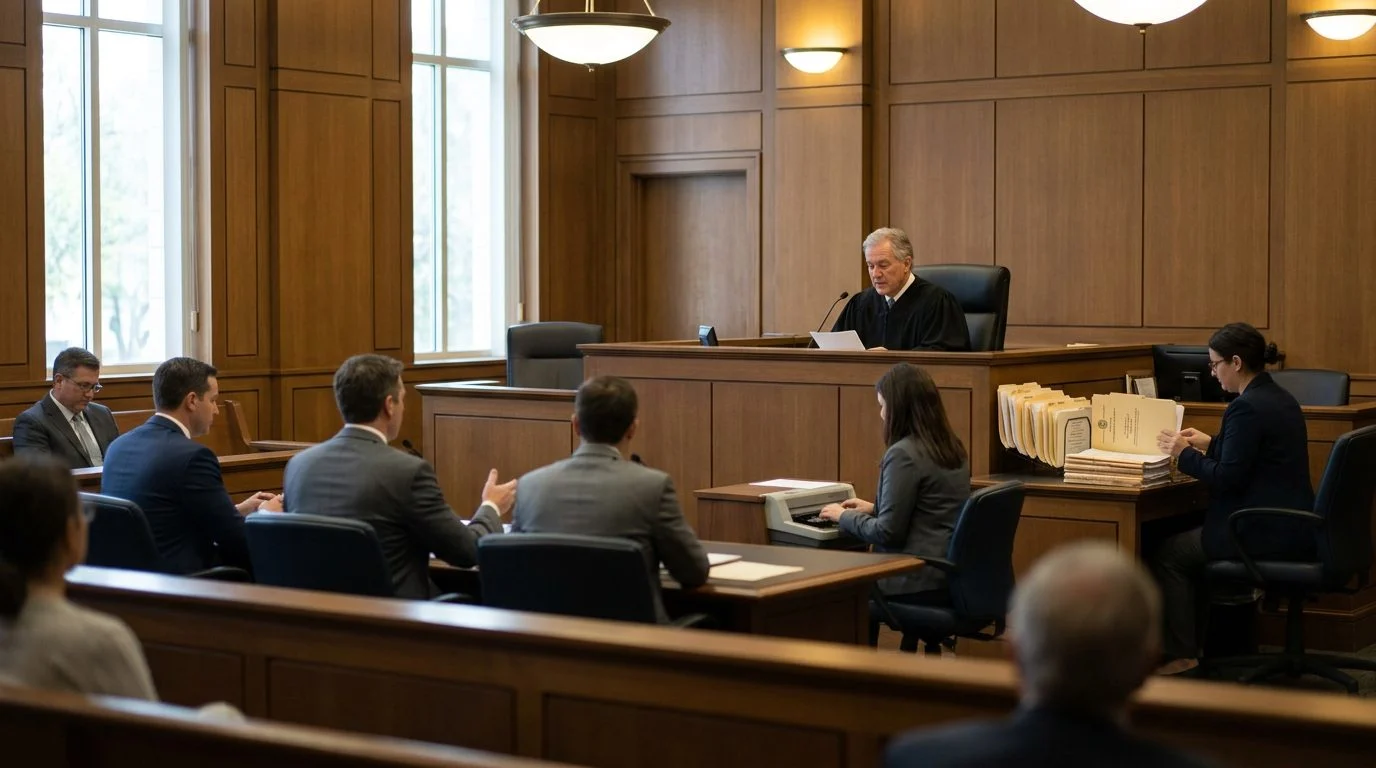
The hearing: Within the timeframe set by the ex parte order, a full hearing is held. The petitioner presents evidence: incident reports, overdose history, family testimony, medical records, behavioral observations. The respondent (the person named in the petition) has the right to attend, present evidence, and challenge the petition. Both sides may call witnesses. The judge then decides whether to order temporary commitment (up to 60 days) or extended commitment (up to six months), or to dismiss the petition.
Duration and treatment: Temporary commitment typically lasts up to 60 days and is intended for stabilization and initial treatment. Extended commitment may follow if the court finds continued grounds and the individual has not responded to temporary measures. Throughout commitment, the individual receives assessment, treatment planning, and often medication-assisted therapy.
Have questions about what happened?
Ask our team directly. The first conversation is free, confidential, and there is no obligation to continue.
Opioid Addiction and Danger to Self or Others
Courts evaluate “danger” in opioid addiction cases by looking at concrete, specific facts. Overdose risk is the most obvious form of danger to self. A person who has survived multiple overdoses, who uses alone, who has no stable housing, or who combines opioids with other drugs faces imminent risk.
Documentation matters: Families strengthen a petition by gathering specific evidence: dates and locations of overdoses, emergency room visits, arrests, statements from the individual about suicidal thoughts or hopelessness, changes in behavior or appearance, and evidence of inability to pay rent, maintain employment, or meet basic hygiene. Courts are more persuaded by concrete incidents than by general statements like “he’s out of control.”
Medical and legal standards: Florida courts apply the standard of clear and convincing evidence—a higher bar than “more likely than not” but lower than “beyond a reasonable doubt.” Medical professionals and law enforcement may testify about overdose risk, the progression of opioid use disorder, and the likelihood of serious harm without intervention. The court balances the individual’s liberty interest against the state’s interest in protecting health and safety.
Treatment Options Following Involuntary Commitment
Involuntary commitment is the gateway to treatment, not the treatment itself. Once a person is committed, they enter an assessment and treatment program.
Evidence-based approaches: Medication-assisted treatment (MAT) is the gold standard for opioid use disorder. SAMHSA and NIDA recognize medications like methadone, buprenorphine, and naltrexone as highly effective in reducing cravings, preventing overdose, and supporting long-term recovery. Many Florida treatment facilities offer MAT as part of their commitment programs.
Transition to voluntary care: The goal of involuntary commitment is to stabilize the person and move them toward voluntary, ongoing treatment. Once someone is stabilized on medication, engaged in counseling, and beginning to rebuild connections to family and employment, the transition to voluntary outpatient care becomes possible. Courts recognize that sustainable recovery depends on the individual’s eventual willingness to participate.
Challenges and Defenses in Opioid Addiction Commitment Cases
A person facing involuntary commitment has legal rights. Common grounds for challenging a petition include:
- Insufficient evidence: The petitioner did not prove grounds by clear and convincing evidence.
- Lack of due process: The respondent was not properly notified, did not have adequate opportunity to be heard, or was denied legal representation.
- Procedural error: The petition was filed incorrectly, the hearing was not held within the required timeframe, or the court lacked jurisdiction.
The individual’s right to counsel is fundamental. If they cannot afford an attorney, the court appoints one. A defense attorney may challenge the factual basis of the petition, cross-examine witnesses, and present evidence that the grounds do not exist or that less restrictive alternatives are available.
Courts balance individual liberty against public health. They do not lightly order involuntary commitment, but they also do not ignore evidence of serious danger or inability to care for oneself.
Working With an Attorney on Opioid Addiction Commitment Matters
Whether you are considering filing a Marchman Act petition or defending against one, legal guidance is essential. The process involves strict procedural requirements, evidentiary standards, and constitutional protections.
For families seeking commitment: An attorney helps you understand whether grounds exist, gathers and organizes evidence, prepares witnesses, and presents your case persuasively to the court. In the opioid cases our firm handles, we work with families to document the specific incidents, medical history, and behavioral patterns that demonstrate danger or inability to self-care. Proper presentation of evidence significantly affects the court’s decision.
For individuals facing commitment: An attorney ensures your rights are protected, challenges weak evidence, and advocates for less restrictive alternatives or voluntary treatment pathways. Due process is not optional in these cases.
Protecting interests and ensuring procedure: An experienced attorney knows Florida’s Marchman Act rules, local court practices, and the standards judges apply. They ensure deadlines are met, paperwork is correct, and your interests—whether you are petitioner or respondent—are properly represented.

Want to know where you stand?
Tell us what happened and our team will walk you through the options available to you, at no cost.
Frequently Asked Questions
How quickly can an emergency ex parte order be issued?
If the court finds probable cause, an emergency ex parte order can be issued the same day or within one business day, authorizing immediate temporary commitment.
Can someone be held indefinitely under a Marchman Act commitment?
No. Temporary commitment is limited to 60 days; extended commitment to six months. The individual has the right to a hearing and may challenge the order.
Is medication-assisted treatment mandatory during commitment?
No, but it is strongly recommended and offered. Treatment plans are individualized based on medical assessment and the person’s needs.
What happens if someone refuses treatment after being committed?
The treatment facility and court work to engage the person in care. Refusal alone does not end commitment, but it may affect the treatment plan and the transition to voluntary care.
If you’re watching a family member struggle with opioid addiction and wondering whether involuntary commitment is an option, understanding Florida’s legal framework is the first step. Families and concerned individuals facing this decision work with an attorney to evaluate grounds, gather evidence, and navigate the court process. Robinson & Casey handles Marchman Act petitions and involuntary commitment matters throughout Florida. Contact us today to discuss your situation and learn how we can help guide your family through this difficult decision.
The Marchman Act Process for Opioid Addiction
Emergency Ex Parte Order
File an emergency petition with the court. If probable cause is found, an ex parte order can be issued the same day or within one business day, authorizing immediate temporary commitment to a treatment facility.
Temporary Commitment (Up to 60 Days)
The individual is held for evaluation and treatment. During this period, the facility assesses their condition and develops a treatment plan. The person has the right to a hearing within 5 days.
Extended Commitment (Up to 6 Months)
If temporary commitment is insufficient, the court may order extended commitment. This requires clear and convincing evidence that the person is likely to cause serious bodily harm or suffer serious bodily harm without continued treatment.
Discharge & Aftercare
When treatment goals are met or the commitment period ends, the person is discharged. Aftercare planning and ongoing support help reduce the risk of relapse.
Why Robinson & Casey for Involuntary Commitment Cases
Focused Practice
We handle Marchman Act petitions and involuntary commitment matters exclusively. Our entire practice centers on these proceedings.
Emergency Response
Opioid crises don't wait. We understand the urgency and move quickly to file emergency ex parte orders when time is critical.
Statewide Representation
We serve families across South Florida and statewide, handling petitions in courts throughout Florida.
Clear Guidance
We explain the Marchman Act process, your options, and what to expect at each stage—so you're never left guessing.
Time Matters in Opioid Addiction Crises
Opioid overdose is a medical emergency. If someone is in immediate danger, call 911. For non-emergency involuntary commitment, contact us as soon as possible so we can file an emergency petition and seek a court order for immediate treatment.
Common Questions About Involuntary Commitment for Opioid Addiction
Who can file a Marchman Act petition?
A family member, friend, physician, mental health professional, or law enforcement officer can file. The petitioner must have personal knowledge of the person's substance abuse and its effects.
What happens at the hearing?
The court hears evidence about the person's opioid use and whether they meet the legal standard for commitment. The person has the right to be present, to have an attorney, and to present evidence. The judge decides whether to order temporary or extended commitment.
Can someone refuse treatment during commitment?
During a court-ordered commitment, the person is required to participate in treatment. However, they retain certain rights, including the right to legal representation and the right to challenge the commitment in court.
What if the person is released before I think they're ready?
If temporary commitment ends and you believe extended commitment is necessary, a new petition can be filed before discharge. We can advise you on whether the legal standard for extended commitment is met.
Ready to Protect Your Loved One?
Related practice areas
- Involuntary Commitment for Addiction in Florida