
Involuntary Commitment & Patient Rights
Understanding Your Rights During Involuntary Commitment in Florida
When addiction or mental health crisis leads to involuntary commitment, knowing your legal protections matters. Robinson & Casey guides families through the process.
By Richard J. Casey III, Esq. · Published September 28, 2026
Involuntary Commitment Patient Rights in Florida: Legal Protections for Addiction Cases
When someone faces involuntary commitment for addiction in Florida, the law provides constitutional and statutory due process protections designed to prevent unlawful detention and ensure fair treatment throughout the process. Understanding these rights—whether for yourself or a family member—is essential when navigating commitment proceedings.

Not sure what your next step is?
Talk it through with our team — the first consultation is free, confidential, and carries no obligation.
What Legal Protections Apply During Involuntary Commitment in Florida?
Florida law provides multiple layers of due process protection for individuals subject to involuntary commitment for addiction. These safeguards exist to ensure that commitment decisions are made fairly, that individuals understand the allegations against them, and that detention is not indefinite or arbitrary.
The Florida Statutes establish the framework for involuntary commitment, including the Marchman Act and related provisions in Chapter 397 and Chapter 744. These laws outline the specific rights that apply at each stage of the commitment process—from the filing of a petition through detention, hearing, and any subsequent appeals or modifications.
These protections apply whether the commitment is sought under the Marchman Act (which addresses substance abuse) or under other involuntary commitment statutes. The goal is consistent: to balance the state’s interest in providing treatment with the individual’s constitutional right to liberty and due process.
The Right to a Hearing and Legal Representation
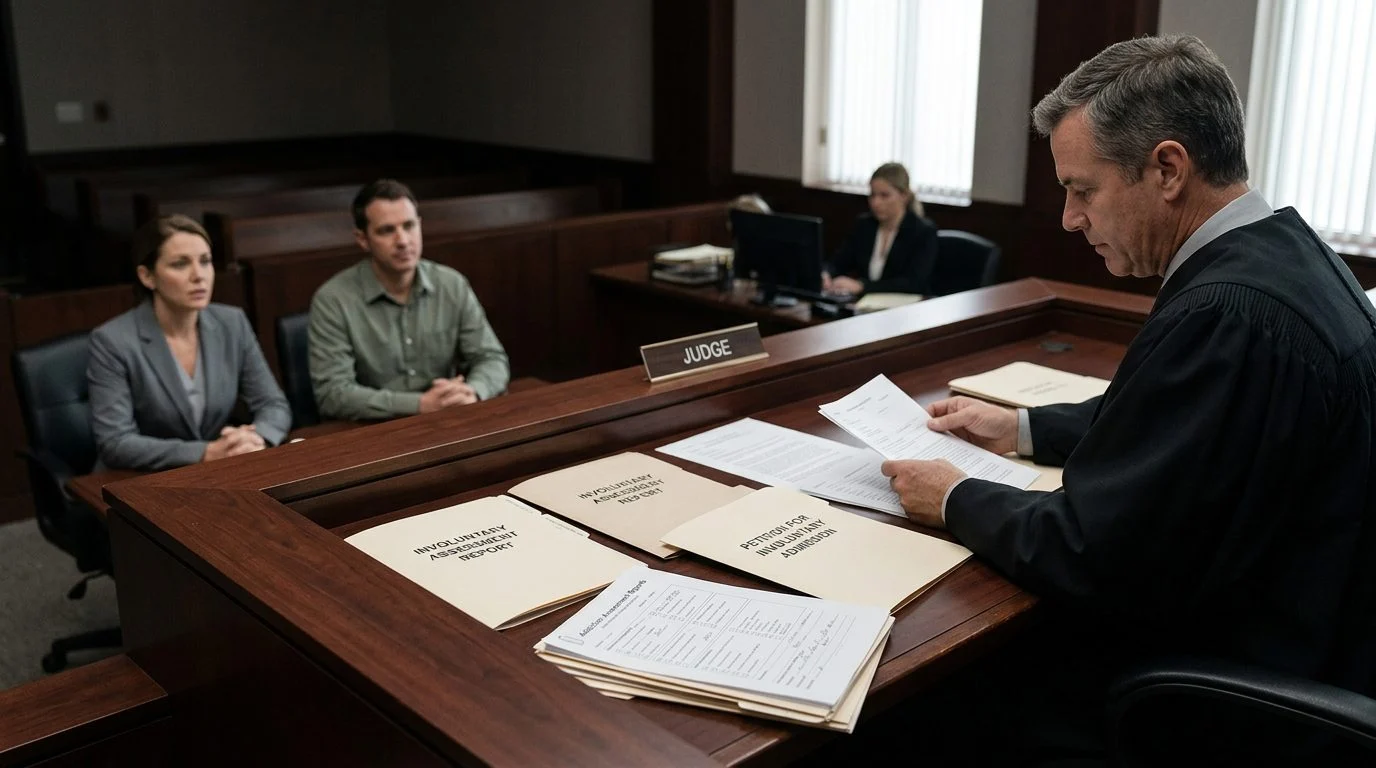
A person subject to involuntary commitment has the right to a hearing before a judge or hearing officer to determine whether the grounds for commitment are legally and factually sufficient. This hearing is not optional—it is a fundamental due process requirement.
At the hearing, the petitioner (the person or entity seeking commitment) must present evidence justifying the commitment. The individual has the right to contest that evidence, present their own witnesses and documents, and challenge the petitioner’s case. This is not a rubber-stamp process; the court must actually hear and weigh the evidence.
Legal representation is critical. An individual subject to involuntary commitment has the right to retain an attorney of their choice. If they cannot afford one, they have the right to request court-appointed counsel. An attorney can review the petition, identify weaknesses in the petitioner’s case, cross-examine witnesses, and present a defense. In the cases Robinson & Casey handles, having skilled legal representation often makes the difference between an order being granted or contested successfully.
The hearing must occur within a timeframe established by Florida law. This ensures that individuals are not left in limbo for extended periods without a judicial determination of whether commitment is justified.
The Right to Notice and Information
Before any hearing occurs, a person subject to involuntary commitment must receive written notice of the petition and the specific grounds for commitment. This notice must be provided in plain language—not legal jargon—and in a timely manner so the individual has adequate time to prepare a response.
The notice must clearly identify who filed the petition and what specific facts support it. Is the petition based on recent substance use? Failure to comply with treatment? A threat to self or others? The individual must know the exact allegations to mount a meaningful defense.
This transparency requirement is a cornerstone of due process. It prevents surprise commitments based on hidden or vague reasons. An individual cannot effectively challenge a commitment order if they don’t understand what they’re being accused of or who is making the accusation.
Rights During Detention and Evaluation
While awaiting a hearing, individuals retain fundamental rights. They are entitled to humane treatment, access to appropriate medical care, and the right to communicate with family, friends, and legal counsel. These aren’t luxuries—they’re legal protections against abuse or isolation during detention.
Medical evaluations conducted during this period must be performed by qualified professionals and properly documented. An individual has the right to request a second medical opinion if they disagree with an initial evaluation. These evaluations form the factual basis for the commitment petition, so accuracy and professional standards matter.
The Florida Department of Children and Families oversees many of these protections and can provide information about the standards facilities must meet during detention.
Access to Records and Documentation
Individuals and their attorneys have the right to access all medical records, psychological evaluations, and documents used to support the commitment petition. These records are essential—they allow you to understand the basis for commitment and to challenge inaccuracies or unsupported conclusions.
Timely access to documentation is critical for informed decision-making. If an evaluation contains errors, mischaracterizations, or conclusions not supported by the facts, you need to see it before the hearing. Your attorney can then cross-examine the evaluator or present contrary evidence.
Denying access to these records would make it impossible to mount a meaningful defense. Florida law recognizes this and requires that documentation be made available.
Have questions about what happened?
Ask our team directly. The first conversation is free, confidential, and there is no obligation to continue.
The Right to Challenge the Commitment
If a court orders involuntary commitment, the individual’s rights don’t end. They retain the right to appeal the order or seek modification based on changed circumstances.
Periodic review hearings may be required to determine whether continued commitment remains necessary. If the individual has responded well to treatment, achieved sobriety, or otherwise addressed the grounds for commitment, they can petition for release or modification of the order. Commitment is not permanent; it must be justified by ongoing evidence that commitment remains appropriate.
Protection Against Indefinite Detention
Florida law explicitly prohibits indefinite involuntary commitment without ongoing judicial review. A commitment order is not a life sentence. The Florida Courts system requires that commitment orders be reviewed periodically and that the grounds for continued commitment be justified.
If the circumstances that led to commitment no longer exist—if the individual is no longer at imminent risk, has engaged in treatment, or has otherwise stabilized—they have the right to petition for release. The burden then shifts to the petitioner to justify why continued commitment is still necessary.
Rights Related to Treatment and Medication
During involuntary commitment, individuals retain rights regarding the type and scope of treatment provided. Forced medication is subject to legal limits and procedural safeguards in Florida. The right to informed consent applies to many treatment decisions, even during involuntary commitment.
This means that treatment must be medically appropriate, that side effects must be disclosed, and that alternatives must be considered. An individual cannot simply be medicated indefinitely without ongoing justification and review.
When Family Members Should Seek Legal Guidance
If you believe a commitment petition is unfounded, that procedures have not been followed correctly, or that a loved one’s rights are being violated, legal counsel can help you understand your options and protect those rights.
An attorney can review the petition, examine the evidence, and assess whether the procedures followed comply with Florida law. Legal representation is especially critical if you plan to contest the commitment, seek modification of the order, or appeal a court’s decision.
In the involuntary commitment cases Robinson & Casey handles, families often discover that petitions lack sufficient factual support, that notice was improper, or that the individual’s rights to legal representation or access to records were not respected. These procedural violations can be grounds to challenge or modify the commitment order.

Want to know where you stand?
Tell us what happened and our team will walk you through the options available to you, at no cost.
Frequently Asked Questions
Do I have the right to a lawyer during involuntary commitment proceedings in Florida?
Yes. You have the right to retain an attorney or request court-appointed counsel if you cannot afford one.
How long can someone be involuntarily committed for addiction in Florida?
Commitment is not indefinite; it must be reviewed periodically, and if the grounds no longer exist, the individual may petition for release.
Can I access my medical records during involuntary commitment?
Yes. You and your attorney have the right to access all medical records and documents used to support the commitment petition.
What if I disagree with a commitment decision?
You have the right to appeal the order or seek modification based on changed circumstances or procedural errors.
Is forced medication allowed during involuntary commitment in Florida?
Forced medication is subject to legal limits and safeguards; informed consent applies to many treatment decisions even during commitment.
If you’re facing an involuntary commitment petition for a loved one—or questioning whether one is justified—families in your situation reach out regularly to understand what rights apply and how to protect them. Robinson & Casey helps families navigate these proceedings and enforce the legal protections Florida law provides. Contact us for a consultation to discuss your specific circumstances.
Key Protections in Florida Involuntary Commitment
Right to Legal Representation
You have the right to retain an attorney or request court-appointed counsel if you cannot afford one. Having legal representation protects your interests throughout the process.
Periodic Review Requirements
Commitment is not indefinite. Florida law requires periodic review of the grounds for commitment, and if those grounds no longer exist, commitment must be reconsidered.
Right to Notice and Hearing
You have the right to receive notice of commitment proceedings and to be heard before a court or designated examiner before commitment is ordered.
Access to Medical Records
You have the right to access your medical records and the clinical basis for any commitment determination made about you.
What Happens During Involuntary Commitment
Petition and Initial Evaluation
A petition for involuntary commitment is filed, typically by a family member, healthcare provider, or law enforcement. An initial evaluation by a qualified clinician determines whether grounds for commitment exist.
Court Hearing or Examination
You have the right to a hearing before a judge or examination by a designated mental health professional. This is your opportunity to contest the commitment or present evidence about your condition and circumstances.
Commitment Order and Duration
If the court finds grounds for commitment, an order is entered. The length and type of commitment depends on the specific circumstances—temporary, short-term, or long-term—and is subject to periodic review.
Ongoing Rights and Discharge Planning
While committed, you retain certain rights, including the right to refuse certain treatments (with exceptions), to communicate with family and counsel, and to have your case reviewed for discharge when appropriate.
Time Matters in Commitment Cases
Involuntary commitment proceedings move quickly. Having an attorney from the start protects your rights and ensures your voice is heard at every stage. Early legal guidance can make a significant difference in the outcome.
Common Questions About Patient Rights
Can I refuse treatment while involuntarily committed?
Generally, you have the right to refuse certain treatments, though there are exceptions—particularly in emergency situations or when a court has authorized treatment over your objection. An attorney can advise you on your specific situation.
How often is my commitment reviewed?
Florida law requires periodic review. The frequency depends on the type and duration of commitment. Your attorney can ensure these reviews happen and can advocate for discharge if the grounds for commitment no longer apply.
Can my commitment be challenged or appealed?
Yes. You have the right to challenge the commitment, request a hearing, or appeal a commitment order. Legal representation is crucial to protecting these rights effectively.
What happens when I'm ready for discharge?
Discharge planning typically begins early in commitment. You and your treatment team work toward safe discharge. Your attorney can advocate for discharge when appropriate and ensure your transition plan is sound.
How Robinson & Casey Can Help
Protection of Your Rights
We focus exclusively on Marchman Act petitions and guardianship matters, including involuntary commitment for addiction. We understand Florida's laws and how to protect your rights at every stage.
Guidance for Families
Whether you're facing commitment or seeking to help a loved one, we provide clear, compassionate guidance through a complex legal process.
Immediate Availability
Commitment matters are urgent. We're available to discuss your situation and begin representation quickly when time is critical.
Protect Your Rights—Talk to an Attorney Today
Related practice areas
- Limited Conservatorship Attorney | Florida | Robinson &