
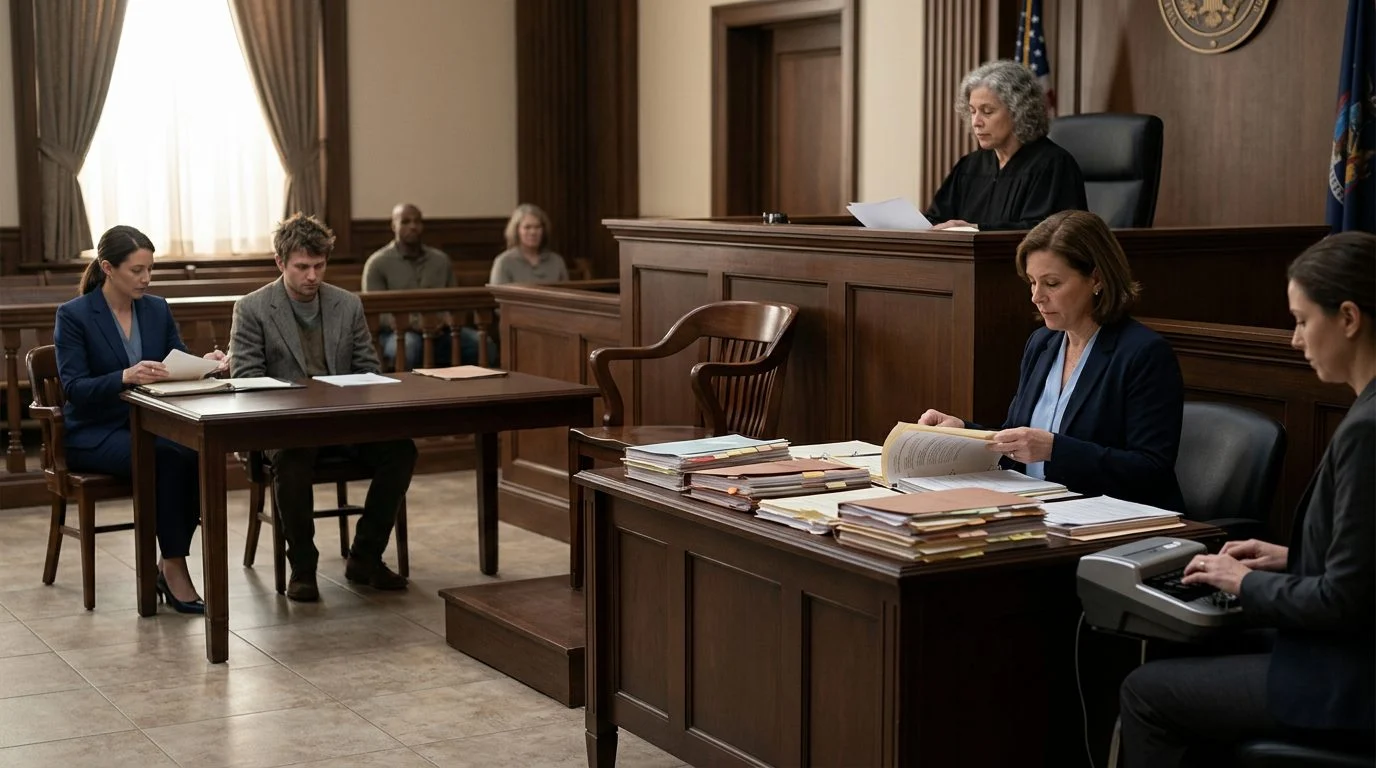
Involuntary Commitment
Involuntary Commitment for Prescription Drug Addiction in Florida
When a loved one's prescription drug use threatens their health and safety, Florida law provides a legal path to intervention. Robinson & Casey guides families through the involuntary commitment process.
By Richard J. Casey III, Esq. · Published September 21, 2026
Involuntary Commitment for Prescription Drug Addiction in Florida
Yes, involuntary commitment is available in Florida for prescription drug addiction when the person poses danger to themselves or others. Florida’s Marchman Act applies equally to prescription drugs—including opioids, benzodiazepines, and stimulants—as it does to illicit substances. The fact that a drug was initially prescribed by a doctor does not shield it from involuntary commitment proceedings when addiction develops and becomes dangerous.
Many families delay intervention because prescription addiction feels different from street drug use. It isn’t. The legal pathway to help is the same, and understanding how involuntary commitment works can mean the difference between crisis and recovery.

Not sure what your next step is?
Talk it through with our team — the first consultation is free, confidential, and carries no obligation.
Understanding Prescription Drug Addiction Under Florida Law
Prescription drug addiction differs from illicit drug use in origin, but carries identical legal standing under Florida’s involuntary commitment framework. A person prescribed oxycodone for back pain, alprazolam for anxiety, or amphetamines for ADHD can develop a substance use disorder that becomes as severe and dangerous as any street drug addiction.
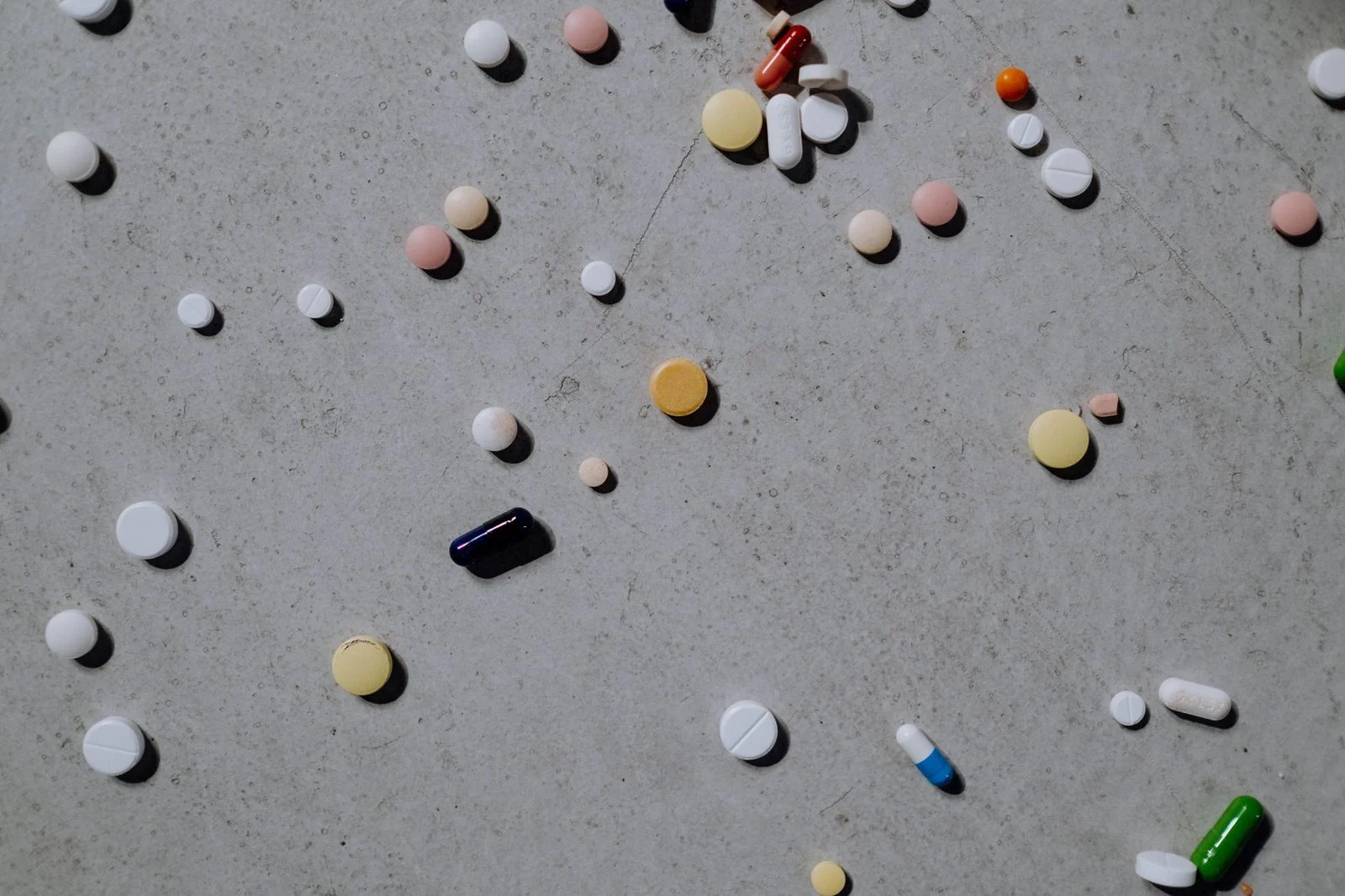
The most commonly involved prescription drugs are:
- Opioids: hydrocodone, oxycodone, morphine
- Benzodiazepines: alprazolam (Xanax), diazepam (Valium), lorazepam (Ativan)
- Stimulants: amphetamine-based medications (Adderall, Ritalin)
Prescription addiction is often overlooked because the initial prescription was legitimate. A doctor authorized it. The person didn’t seek it on the street. This legitimacy can mask severe dependence—escalating doses, doctor-shopping (visiting multiple physicians for refills), and dangerous behavior while under the influence all signal addiction regardless of how the drug arrived in the person’s hands.
Involuntary commitment becomes a legal tool when addiction poses imminent danger to the person or others—overdose risk, suicidal ideation, reckless behavior, or refusal of voluntary treatment despite intervention.
The Marchman Act and Prescription Drug Addiction
Florida Statute § 397.675 applies to addiction involving any substance, including prescription drugs, when the person’s use poses a threat to health, safety, or welfare. The substance’s legal origin—whether prescribed or purchased on the street—does not exempt it from involuntary commitment.
To petition for involuntary commitment, you must demonstrate:
- Substance abuse: The person is abusing prescription drugs (using beyond prescribed doses, obtaining from multiple doctors, using despite negative consequences).
- Danger: The abuse poses a threat to the person’s health, safety, or welfare, or to others.
- Clear and convincing evidence: This is a higher legal standard than “more likely than not”—the evidence must be substantially more persuasive than the opposing view.
Who can petition? Family members, caregivers, healthcare providers, and law enforcement in certain circumstances. You do not need the person’s agreement or cooperation to file.
Signs That Involuntary Commitment May Be Necessary
Watch for these warning signs that prescription drug addiction has reached a point where involuntary commitment may be appropriate:
- Escalating doses beyond what the doctor prescribed, or obtaining refills early
- Doctor-shopping: visiting multiple physicians to obtain duplicate prescriptions
- Inability or refusal to stop despite family intervention, job loss, or relationship damage
- Dangerous behavior while under the influence: driving, operating machinery, caring for children unsupervised
- Overdose risk, especially when mixing opioids with benzodiazepines or alcohol
- Suicidal or self-harm ideation linked to substance use or withdrawal
- Refusal of voluntary treatment despite repeated family conversations or professional recommendations
Any one of these, combined with a pattern of prescription drug misuse, strengthens the case for involuntary commitment.
The Involuntary Commitment Process for Prescription Drug Addiction
The process unfolds in stages:
Emergency Ex Parte Petition
When imminent danger exists—overdose risk, active suicidal ideation, or violent behavior—you can file an emergency petition without the respondent (the person being committed) present. “Ex parte” means one-sided; the court considers only your evidence initially. This allows rapid intervention in crisis situations.
Temporary Involuntary Commitment
If the court finds probable cause of substance abuse and danger, it orders temporary involuntary commitment, typically lasting up to 5 days. During this period, the person receives medical evaluation, stabilization, and initial treatment planning.
Full Hearing
Within the temporary commitment window, a full hearing is held. Both sides present evidence. The person can contest the commitment. The court decides whether to extend commitment based on clear and convincing evidence of substance abuse and danger.
Medical Evaluation
A physician assesses the addiction’s severity, medical necessity for treatment, and any withdrawal risks. This evaluation is central to the court’s decision and to treatment planning.
Prescription Drugs and Medical Complexity
Prescription drug addiction carries medical risks that make physician supervision during involuntary commitment medically necessary, not punitive.
Withdrawal Risks
Benzodiazepines and opioids produce serious withdrawal symptoms—tremors, seizures, rapid heart rate, severe anxiety, and pain. Stopping suddenly can be dangerous. Supervised medical detoxification manages these symptoms safely and increases the likelihood of successful treatment.
Medication-Assisted Treatment (MAT)
Evidence-based treatment for opioid addiction often includes medications like methadone or buprenorphine, which reduce cravings and withdrawal symptoms. MAT is frequently recommended during and after involuntary commitment and significantly improves long-term recovery outcomes.
Drug Interactions
Prescription addiction frequently involves multiple substances—opioids mixed with benzodiazepines, alcohol, or other drugs. These combinations amplify overdose risk and complicate treatment. Involuntary commitment ensures comprehensive medical evaluation and physician-supervised care.
Have questions about what happened?
Ask our team directly. The first conversation is free, confidential, and there is no obligation to continue.
Challenges Specific to Prescription Drug Cases
Several obstacles can delay or complicate involuntary commitment for prescription addiction:
Legitimacy Bias
Courts and families may underestimate danger because the drug was initially prescribed by a doctor. “It’s not like street drugs” is a common rationalization. This bias can delay intervention until a crisis occurs.
Denial and Minimization
The person struggling with addiction often minimizes the problem: “My doctor prescribed it,” “I’m not an addict,” “I can stop anytime.” This denial can prevent voluntary treatment and make involuntary commitment necessary.
Prescriber Involvement
Some physicians continue refilling prescriptions despite signs of addiction. This complicates the case for commitment—the person can argue the doctor approves the dose. Gathering pharmacy records and refill history strengthens your petition.
Insurance and Access
Treatment availability and coverage for prescription drug addiction may differ from programs for other substances. Planning ahead for post-commitment care is important.
Preparing for an Involuntary Commitment Petition
Strong documentation strengthens your case:
- Prescription and pharmacy records: Refill dates, doses, which doctors prescribed, and any early refills
- Medical records: ER visits, overdoses, injuries, or health complications linked to the drug
- Behavioral documentation: Dates, times, and descriptions of dangerous behavior, missed work, relationship damage, or concerning statements
- Witness statements: Written or recorded accounts from family, friends, employers, or healthcare providers describing the addiction’s impact
- Incident reports: Police reports, ER records, or accident reports involving the person while under the influence
An attorney experienced in legal representation for Marchman Act petitions can help you organize this evidence, assess whether involuntary commitment is appropriate, and file the petition correctly and quickly.
After Involuntary Commitment: Treatment and Recovery
Involuntary commitment is not an endpoint—it’s a gateway to treatment.
Inpatient Treatment
Depending on the commitment type and medical necessity, inpatient treatment typically lasts 5–30 days. This period includes medical detoxification, counseling, group therapy, and treatment planning.
Transition Planning
Discharge planning should address ongoing outpatient care, medication management (including MAT if appropriate), and relapse prevention strategies.
Follow-Up Care
Prescription drug addiction often requires long-term monitoring, counseling, and support groups. Recovery is a process, not a single event.
Family Involvement
Therapy and support groups help families understand addiction as a medical condition, reduce shame, and support the person’s recovery. Family involvement improves outcomes.
When to Seek Legal Help
Consider contacting an attorney if:
- You’re uncertain whether involuntary commitment is appropriate for your situation
- You’re struggling to gather evidence or document the addiction’s severity
- You need to file an emergency petition quickly
- You’re concerned about the person’s immediate safety or overdose risk
- You want guidance on the Marchman Act process before taking action
If you’re watching a loved one struggle with prescription opioids, benzodiazepines, or stimulants and they’ve refused help, families in your situation can reach out to us. We help you understand whether involuntary commitment makes sense, gather the evidence needed, and navigate the legal process.
Contact Robinson & Casey today to schedule a consultation.
Call (561) 849-4700 or reach out online.
Want to know where you stand?
Tell us what happened and our team will walk you through the options available to you, at no cost.
Frequently Asked Questions
Q: Can involuntary commitment be used for prescription drug addiction in Florida?
A: Yes. Florida Statute § 397.675 applies to addiction involving any substance, including prescription drugs, when the person’s use poses a threat to health, safety, or welfare. The substance’s legal origin does not exempt it from involuntary commitment.
Q: What is the difference between temporary and full involuntary commitment?
A: Temporary involuntary commitment typically lasts up to 5 days and allows for medical evaluation and initial stabilization. A full hearing is held within this window. If the court finds clear and convincing evidence of substance abuse and danger, commitment may be extended.
Q: Can I file an emergency petition for involuntary commitment without the person’s knowledge?
A: Yes. An emergency ex parte petition can be filed when imminent danger exists—overdose risk, active suicidal ideation, or violent behavior. The court considers your evidence initially without the respondent present, allowing rapid intervention in crisis situations.
Q: What evidence do I need to support an involuntary commitment petition?
A: Strong documentation includes prescription and pharmacy records, medical records, behavioral documentation with dates and times, witness statements, and incident reports. An attorney can help you organize this evidence and assess whether involuntary commitment is appropriate.
Q: Is medication-assisted treatment (MAT) available after involuntary commitment?
A: Yes. Evidence-based treatment for opioid addiction often includes medications like methadone or buprenorphine. MAT is frequently recommended during and after involuntary commitment and significantly improves long-term recovery outcomes.
Prescription Drugs Are Covered
Under Florida Statute § 397.675, involuntary commitment applies to addiction involving any substance—including prescription medications—when use poses a threat to the person's health, safety, or welfare. The legal origin of the drug does not exempt it from the commitment process.
Types of Involuntary Commitment
Emergency Temporary Commitment
Immediate intervention when prescription drug use creates an urgent threat. This short-term hold allows for stabilization and assessment while the family pursues longer-term options.
Full Involuntary Commitment
A court-ordered commitment lasting up to six months, renewable. Provides time for comprehensive treatment and recovery planning when prescription drug addiction requires extended intervention.
Limited Commitment
A more narrowly tailored court order when full commitment may be excessive. Useful when the person's prescription drug use is serious but circumstances suggest a focused, shorter intervention.
Why Robinson & Casey
Focused on Marchman Act and Guardianship
We focus exclusively on involuntary commitment and guardianship matters. This narrow focus means we know the statutes, the courts, and the process inside and out.
Petition and Court Representation
We prepare the petition, gather the necessary evidence, and represent your family in court. We handle the legal work so you can focus on your loved one's recovery.
Fast Response to Urgent Situations
Prescription drug crises don't wait. We respond quickly to emergency situations and can move toward temporary commitment when time is critical.
Available Across Florida
Robinson & Casey serves families throughout South Florida and statewide, handling involuntary commitment cases wherever you are in Florida.
Ready to Take the Next Step?
Related practice areas
- Involuntary Commitment for Addiction in Florida
- Involuntary Commitment For Addiction in South Florida
- Involuntary Commitment for Methamphetamine Addiction in