
Marchman Act & Involuntary Commitment
Involuntary Commitment for Addiction in South Florida
When a loved one is struggling with substance abuse, the Marchman Act provides a legal path to court-ordered treatment. Robinson & Casey guides families through the process.
By Richard J. Casey III, Esq. · Published October 03, 2026
Involuntary Commitment for Addiction in South Florida: Legal Process & What to Expect
When someone you love is trapped in addiction and refuses treatment, involuntary commitment may be your legal option. In Florida, the Marchman Act allows families and caregivers to petition the court to compel substance abuse assessment and treatment without the person’s consent. Robinson & Casey represents families across South Florida through this difficult process.
If you're watching a loved one struggle with addiction and voluntary treatment has failed, families in your situation reach out to Robinson & Casey regularly—call (561) 849-4149 to discuss whether involuntary commitment is the right step. Talk it through with our team — the first consultation is free, confidential, and carries no obligation.

What Is Involuntary Commitment for Addiction in Florida?
Involuntary commitment for addiction is a court-ordered process requiring someone struggling with substance abuse to undergo assessment and treatment against their will. It is governed by Florida Statutes Chapter 397, the Marchman Act, and is separate from the Baker Act, which handles mental health crises. The process requires you to file a petition with the court and prove specific legal criteria through clear and convincing evidence—a high legal standard. Involuntary commitment is available when voluntary treatment has failed, is not feasible, or when the person’s substance abuse poses serious risk of harm.
Who Can Petition for Involuntary Commitment?
The law allows several categories of people to file a petition:
- Family members: spouse, parent, adult child, or sibling
- Healthcare providers or addiction treatment professionals who have direct knowledge of the person’s substance abuse
- Law enforcement in certain emergency circumstances
- State attorney or designated state representative
- Any person with knowledge of the individual’s substance abuse (in limited cases, with court approval)
You do not need to be a blood relative. What matters is that you have direct knowledge of the person’s substance abuse and its consequences.
Legal Criteria: When Does Florida Allow Involuntary Commitment?
The court will only approve involuntary commitment if you prove all of these elements by clear and convincing evidence:
- Substance abuse disorder: The individual abuses alcohol, drugs, or both, causing a pattern of use that impairs functioning.
- Serious harm or deterioration: The substance abuse has caused—or is likely to cause—serious bodily harm, death, or severe mental or physical deterioration.
- Inability or unwillingness to seek treatment: The person is unable or unwilling to seek treatment voluntarily.
- No less restrictive alternative: Voluntary treatment, outpatient services, or other less restrictive means are unavailable or have been exhausted.
- Clear and convincing evidence: The judge must be substantially certain of these facts before ordering commitment.
This is a high bar intentionally. Courts do not lightly override a person’s liberty. Your attorney must present solid evidence—medical records, prior failed treatment attempts, documented incidents of harm, and credible witness testimony.
How the Involuntary Commitment Process Works: Step-by-Step
The process from petition to hearing typically takes 1–2 weeks. Here is what happens at each stage:
Step 1 – Petition Filing
Your attorney prepares a detailed petition describing the individual’s substance abuse history, prior treatment attempts, specific incidents of harm, and why voluntary treatment is not feasible. The petition must cite the legal criteria and include supporting facts. You file it with the circuit court in the county where the person resides or is found.
Step 2 – Ex Parte Hearing (Optional)
You may request an immediate ex parte hearing (a hearing without the respondent present) to obtain a temporary commitment order. The judge reviews your petition and decides if probable cause exists. This can happen within hours in an emergency.
Step 3 – Temporary Commitment
If the judge finds probable cause, the individual may be taken into custody and held in a licensed facility for up to 5 days pending the full hearing. During this time, they receive medical evaluation and crisis stabilization.
Step 4 – Notice and Hearing
The respondent (the person being petitioned against) receives formal notice of the petition and their right to a hearing. The hearing must occur within 5 days. Both you and the respondent have the right to present evidence, call witnesses, and be represented by an attorney. The respondent can contest the petition.
Step 5 – Court Decision
The judge hears testimony and evidence from both sides. Your attorney presents your case; the respondent’s attorney presents theirs. The judge then decides whether clear and convincing evidence supports commitment. The judge may rule from the bench or issue a written order within a few days.
Step 6 – Commitment Order
If approved, the court issues a commitment order. The individual enters involuntary assessment and stabilization (up to 5 days in a licensed facility) followed by involuntary treatment (up to 60 days initially). The facility coordinates medical care, detoxification, mental health evaluation, and treatment planning.
What Involuntary Commitment Covers in Florida
Once the court issues a commitment order, the individual receives:
- Involuntary Assessment and Stabilization: A 5-day medical evaluation and crisis stabilization period in a licensed addiction treatment facility.
- Involuntary Treatment: Up to 60 days of court-ordered substance abuse treatment following stabilization.
- Medical Care: Detoxification, medication management, and medical monitoring appropriate to the person’s condition.
- Mental Health Evaluation: Screening and assessment for co-occurring mental health disorders (depression, anxiety, bipolar disorder, etc.).
- Treatment Planning: Development of an individualized treatment plan tailored to the person’s needs and history.
- Discharge Planning: Coordination of aftercare, outpatient services, support groups, and ongoing recovery resources upon release.
The facility bills the individual or their insurance for these services. Federal law (42 CFR Part 2) protects the confidentiality of all treatment records, even in court-ordered cases.
Not sure what your next step is?
Talk it through with our team — the first consultation is free, confidential, and carries no obligation.
How Robinson & Casey Handles Your Case
We guide families through every stage of the involuntary commitment process:
- Initial Consultation: We listen to your situation, gather facts about the person’s substance abuse history, and explain your legal options honestly.
- Case Evaluation: We assess whether the legal criteria are met and give you a realistic view of the court’s likely response.
- Petition Preparation: We draft a detailed, legally sound petition with supporting facts, dates, and evidence.
- Evidence Gathering: We work with you to collect medical records, prior treatment records, incident reports, witness statements, and other documentation.
- Court Representation: We represent you at all hearings, present evidence, examine witnesses, and advocate for the commitment order.
- Facility Coordination: We help identify appropriate treatment facilities and coordinate admission once the order is issued.
- Ongoing Support: We answer your questions throughout the commitment period and advise on next steps and aftercare.
Why Families in South Florida Choose Robinson & Casey
Focused Practice: We handle Marchman Act petitions and involuntary commitment cases exclusively. This is all we do. We are not a general law firm juggling dozens of practice areas.
Years of Experience: Robinson & Casey has represented families across South Florida and statewide in involuntary commitment matters. We know the law, the process, and the courts.
Local Knowledge: We understand the Miami-Dade, Broward, and Palm Beach county court systems, the judges, and local procedures. This knowledge matters when timing and strategy are critical.
Compassionate Approach: We recognize that this decision is emotionally difficult. We guide families with care and clarity, not pressure.
Responsive Communication: We return calls promptly and keep you informed at every stage. You are not left wondering what happens next.
Realistic Counsel: We do not promise outcomes or guarantee results. We explain the law, the criteria, what evidence matters, and what to expect based on your facts.
Frequently Asked Questions
Q: What is the difference between the Marchman Act and the Baker Act?
A: The Marchman Act applies to substance abuse; the Baker Act applies to mental health crises. Both allow involuntary commitment, but under different legal standards and in different facilities.
Q: Does Florida have a ‘5150 hold’ like California?
A: No. Florida uses the Baker Act for mental health holds and the Marchman Act for substance abuse. The process, duration, and legal criteria differ.
Q: Who pays for involuntary commitment and treatment?
A: The individual being committed is responsible for treatment costs. Many facilities accept insurance, Medicaid, or offer payment plans. The court does not order the petitioner to pay.
Q: Can I involuntarily commit an adult child for addiction?
A: Yes, if the legal criteria are met—substance abuse causing serious harm, inability to seek treatment voluntarily, and no less restrictive alternative. Age alone does not prevent commitment.
Q: What happens if the court denies the petition?
A: The individual is released. You may refile if circumstances change or new evidence emerges, but you cannot immediately refile the same petition.
Q: Is involuntary commitment confidential?
A: Court records are generally public, but federal law protects treatment records. Discuss confidentiality concerns with your attorney.
Q: What should I tell the attorney?
A: Be honest and complete. Share all relevant facts: substance use history, prior treatment attempts, incidents of harm, medical conditions, and safety concerns. Attorney-client privilege protects this information.
Q: What should I not tell the attorney?
A: Do not withhold or misrepresent facts. The court will discover the truth, and inaccurate information weakens your case. Your attorney needs the full picture to represent you effectively.
What to Expect at the Hearing
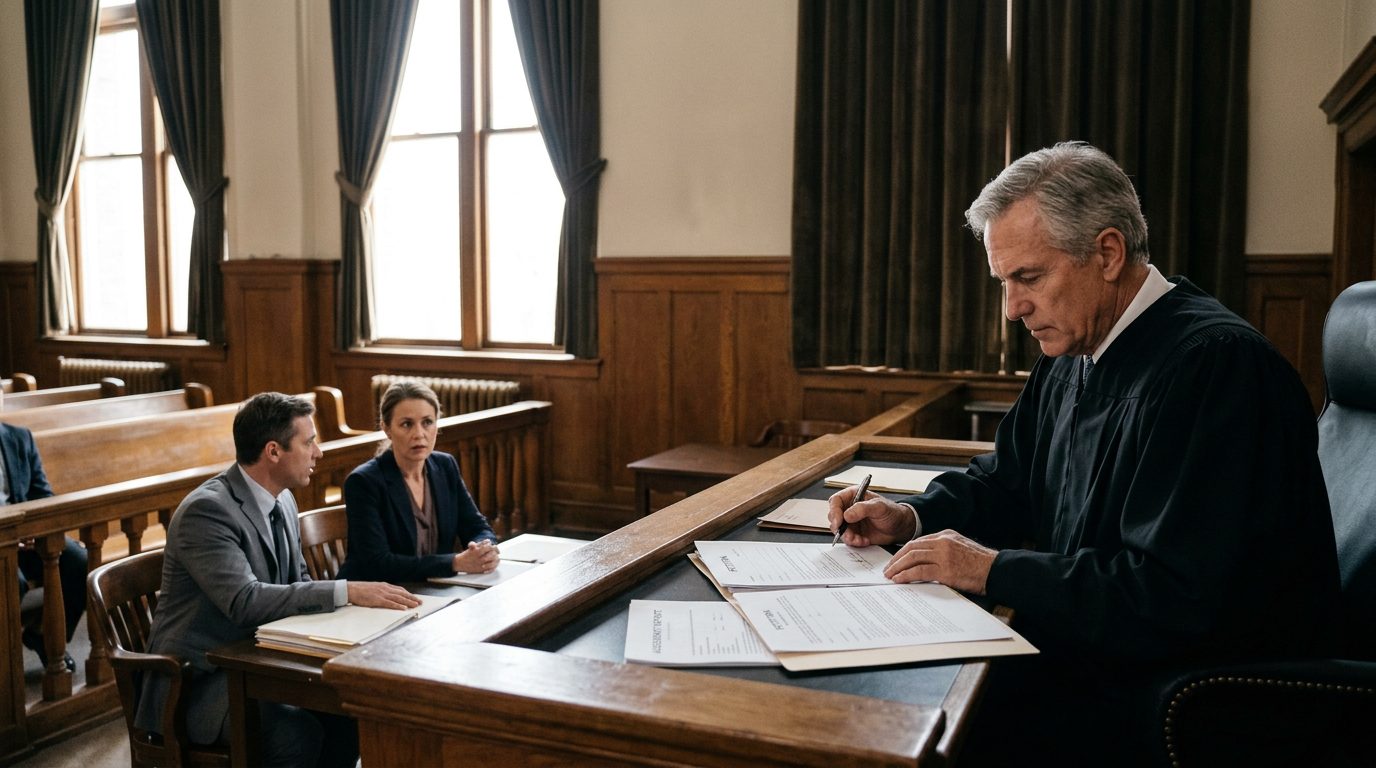
You will testify about the individual’s substance abuse, prior treatment attempts, and harm caused. The respondent has the right to be present, to have an attorney, and to present evidence. The judge will ask questions to clarify facts and assess whether legal criteria are met. Your attorney will present evidence and argue why commitment is necessary. The respondent’s attorney may cross-examine you and present counter-evidence. The judge will issue a ruling from the bench or in writing within a few days. If approved, the commitment order is effective immediately.

Take the Next Step
If you’re watching a loved one struggle with addiction and voluntary treatment has failed, families in your situation reach out to Robinson & Casey regularly. We can discuss whether involuntary commitment is the right step for your family and guide you through the legal process with experience and care. Call (561) 849-4149 to schedule a consultation, or contact us online to get started.
Time Matters in Addiction Cases
Substance abuse crises often require swift legal action. The sooner you contact an attorney, the sooner you can explore whether involuntary commitment under the Marchman Act is appropriate for your situation.
How the Marchman Act Works
Petition & Hearing
A family member or concerned person petitions the court for involuntary commitment. The court holds a hearing to determine whether the person meets the legal standard for substance abuse requiring treatment.
Court-Ordered Treatment
If the court finds grounds, it may order the individual into an inpatient or outpatient treatment program. This bypasses the person's consent and is enforceable by law.
Legal Representation
An attorney helps you prepare the petition, gather evidence, present your case at the hearing, and navigate the procedural requirements to give your petition the strongest foundation.
Marchman Act vs. Baker Act
The Marchman Act addresses substance abuse; the Baker Act addresses mental health crises. Both allow involuntary commitment, but under different legal standards and in different settings.
Why Robinson & Casey for Marchman Act Cases
Focused Practice
Robinson & Casey focuses exclusively on Marchman Act petitions and guardianship matters. We handle involuntary commitment for addiction cases across South Florida and statewide.
Petition Preparation
We prepare and file your Marchman Act petition with the court, ensuring all required documentation and legal grounds are properly presented.
Hearing Representation
We represent you at the court hearing, present evidence, and advocate for the treatment outcome your family seeks.
Responsive Service
Addiction crises don't wait. We move quickly to help you understand your options and take action when time is critical.