
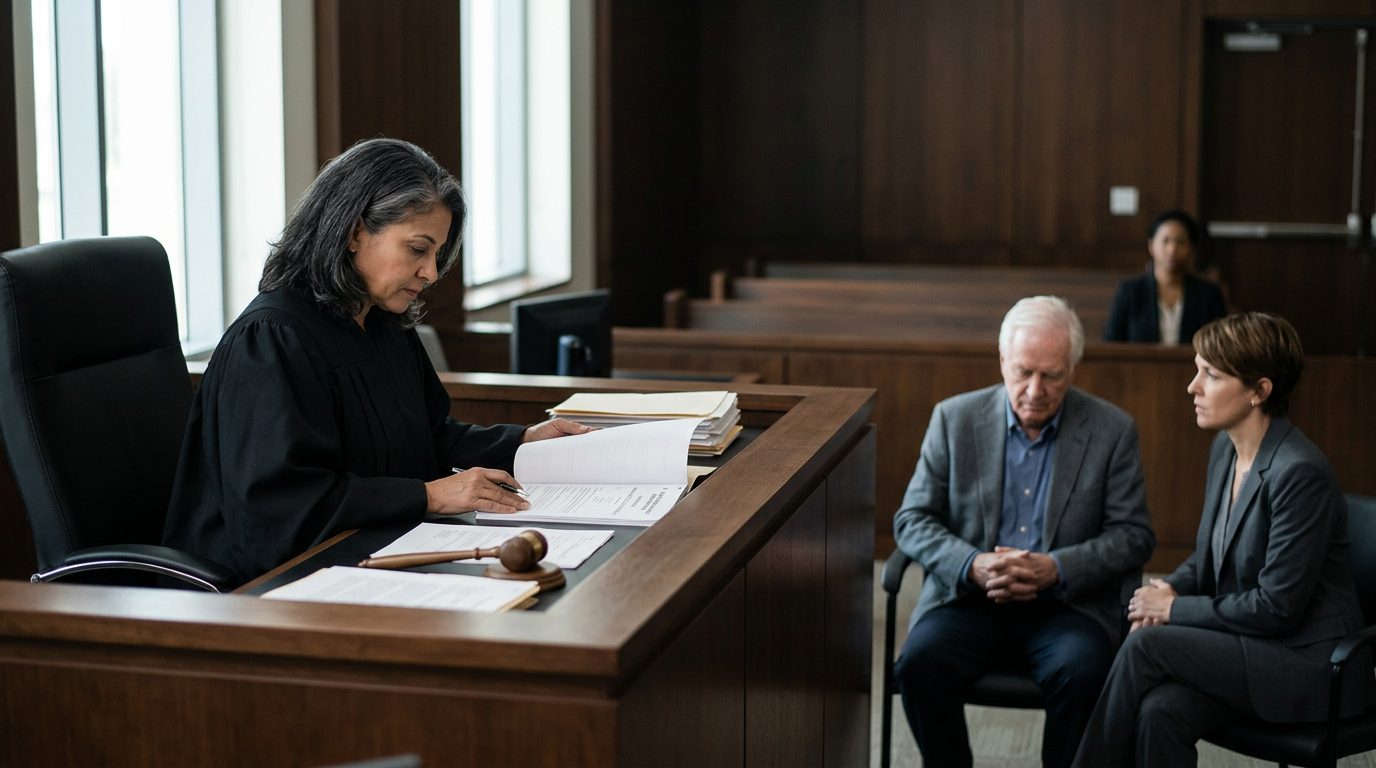
Limited Guardianship in Florida
Understanding Limited Guardianship Requirements & Eligibility
Learn what limited guardianship is, who qualifies, and how Robinson & Casey can guide you through the Florida court process.
By Richard J. Casey III, Esq. · Published September 20, 2026
Limited Guardianship Requirements in Florida: Eligibility & Process
Limited guardianship in Florida is a court-ordered arrangement where a guardian has authority over specific decisions only—not all decisions—allowing the ward to retain decision-making power in other areas. This approach exists because not everyone who needs help with some decisions lacks capacity in all of them.
If you're weighing whether limited guardianship is right for someone in your care—or you're unsure whether their situation calls for limited or full guardianship—reach out to discuss your circumstances; families in this position can contact us. Talk it through with our team — the first consultation is free, confidential, and carries no obligation.

What Is Limited Guardianship in Florida?
Limited guardianship gives a guardian authority over specific decisions only, while the ward keeps control over areas not assigned to the guardian.
Unlike plenary guardianship, which grants a guardian full authority over all matters affecting the ward’s person and property, limited guardianship is narrower and more tailored. The court decides exactly which decisions the guardian may make—for example, medical treatment, specific financial accounts, where the person lives, or education—and the ward retains decision-making power in all other areas.
Florida law favors the least restrictive approach. If someone can make sound decisions about their medical care but needs help managing finances, limited guardianship over finances alone may be appropriate. If they lack capacity across all major areas, plenary guardianship may be necessary instead.
Who Is Eligible for Limited Guardianship in Florida?
A person is eligible for limited guardianship if they are a minor or an incapacitated adult who retains some decision-making capacity in certain areas.
Under Florida Statutes Chapter 744, a person is incapacitated if they lack the capacity to manage property, make medical decisions, or make decisions of importance to their well-being. Incapacity can result from age, mental illness, mental retardation, physical illness or disability, chronic use of drugs or alcohol, or other causes.
The key distinction: the person must retain some decision-making capacity. If they lack capacity in all major areas, plenary guardianship is more appropriate. Limited guardianship works when a person can make sound decisions in some areas but needs help in others—for instance, a young adult who can manage daily living but cannot handle complex financial matters, or an older adult who can make healthcare decisions but cannot manage property.
There is no citizenship or residency requirement, but the ward must have a connection to Florida or the matter must be properly brought in Florida courts.
Legal Requirements for Establishing Limited Guardianship
A limited guardianship petition must meet specific statutory requirements and be filed in the correct Florida circuit court.
The petition must be filed in the Florida circuit court in the county where the ward resides or is present. The petition must state facts showing incapacity in specific areas and explain why limited guardianship is necessary. It must name the proposed guardian and describe the specific powers being sought—this specificity is crucial, because the court order will define exactly what the guardian can and cannot do.
Notice must be served on the alleged incapacitated person, their spouse, parents, adult children, and other interested parties as required by Florida guardianship law. This ensures that everyone who may be affected knows about the proceeding and has a chance to respond.
A physician’s affidavit or medical evidence is required to support the claim of incapacity. The court will not proceed without credible medical documentation showing that the person lacks capacity in the specific areas identified in the petition.
The court may appoint a guardian ad litem—an independent person appointed by the court—to investigate and report on the person’s condition, living situation, and whether guardianship is truly necessary and appropriate. This safeguard protects the alleged incapacitated person’s rights.
A hearing must be held. The alleged incapacitated person has the right to be present, to have an attorney, and to contest the petition. They can present evidence and witnesses to challenge the claim of incapacity.
The Limited Guardianship Process in Florida
The path to limited guardianship involves seven key steps and typically takes two to four months from filing to final order.
Step 1: Petition Preparation and Filing
An attorney prepares the petition for limited guardianship, gathering facts about the person’s condition and identifying the specific areas where the guardian’s authority is needed. The petition is filed with the circuit court in the correct county.
Step 2: Service of Notice
Notice is served on the alleged incapacitated person, their spouse, parents, adult children, and other interested parties. Service must comply with Florida court rules and be documented in proof of service filed with the court.
Step 3: Medical Evaluation and Physician’s Affidavit
A physician evaluates the alleged incapacitated person and provides an affidavit or medical report documenting the incapacity. This affidavit becomes part of the court record.
Step 4: Guardian Ad Litem Investigation
If the court appoints a guardian ad litem, that person investigates the alleged incapacitated person’s condition, living arrangements, and whether guardianship is appropriate. The guardian ad litem prepares a written report for the court.
Step 5: Court Hearing
The judge holds a hearing where evidence is presented—typically the physician’s affidavit, the guardian ad litem report, and testimony from family members or others with knowledge of the person’s condition. The alleged incapacitated person may testify or present evidence.
Step 6: Judge’s Determination
The judge determines whether the person is incapacitated and, if so, whether limited guardianship is appropriate. The judge also decides the scope of the guardian’s powers based on the evidence.
Step 7: Issuance of Letters of Guardianship
Once the judge enters the order, the court issues letters of guardianship defining the guardian’s specific powers. These letters are the guardian’s authority to act.
Timeline: Most limited guardianship cases proceed from filing to final order in two to four months, depending on the court’s schedule, the complexity of the case, and whether the alleged incapacitated person contests the petition.
Specific Powers and Limitations in Limited Guardianship
The court order specifies exactly which decisions the guardian may make, and the guardian cannot act outside that scope.
Common limited powers include: – Consent to medical treatment or surgery – Management of specific financial accounts or property – Determination of residence or living arrangements – Enrollment in school, therapy, or rehabilitation programs – Healthcare decisions (but not all healthcare decisions, if the order is narrowly tailored)
Powers not granted in the order remain with the ward. For example, if the court grants the guardian authority only over medical decisions, the ward retains the right to make financial decisions, choose where to live (within limits), and make other personal choices.
The guardian must act in the ward’s best interest and within the scope of the court order. Any action outside the granted powers may be challenged or voided by the court. If a guardian exceeds their authority, the ward, a family member, or another interested party can petition the court to enforce the limits or remove the guardian.
Not sure what your next step is?
Talk it through with our team — the first consultation is free, confidential, and carries no obligation.
Documentation and Court Filings Required
Establishing limited guardianship requires several documents, most of which follow statutory forms.
- Petition for Limited Guardianship: A statutory form available from the Florida court system, stating facts about incapacity and the specific powers sought.
- Physician’s Affidavit or Medical Report: Medical documentation of the person’s incapacity, signed by a licensed physician.
- Proposed Order: A draft order for the judge to sign establishing limited guardianship.
- Proposed Letters of Guardianship: A document defining the guardian’s specific powers.
- Proof of Service: Documentation showing that notice was properly served on all required parties.
- Guardian Ad Litem Report: If one is appointed, the investigator’s written findings and recommendations.
- Other Supporting Evidence: Medical records, psychological evaluations, or testimony from family members or caregivers.
An attorney can help ensure all documents are complete and comply with Florida court rules.
When Limited Guardianship May Not Be Appropriate
Limited guardianship is not the right tool in every situation.
If the person lacks capacity in all major areas of decision-making—medical, financial, and personal—plenary guardianship may be necessary instead. If the person retains full capacity in the relevant areas, guardianship of any kind may not be appropriate, and the court will decline to appoint a guardian.
Florida law also requires courts to use the least restrictive means of protecting a person’s interests. If a less restrictive alternative—such as a power of attorney, healthcare proxy, or representative payee arrangement—can meet the person’s needs without court involvement, the court may decline guardianship. These alternatives are faster, less expensive, and less intrusive than guardianship.
Next Steps If You’re Considering Limited Guardianship
Start by gathering medical records and documentation of the person’s condition, and identify the specific decisions that need to be made on their behalf. Understand the difference between limited and plenary guardianship so you can evaluate which (if either) fits your situation.
Consulting with an attorney who handles guardianship matters is the best next step. An attorney can review the person’s medical and financial situation, explain your options, and guide you through the petition process if limited guardianship is appropriate.

Frequently Asked Questions
How long does limited guardianship last in Florida?
Limited guardianship continues until the ward reaches age 18 (if a minor), the ward regains capacity, the guardian is removed, or the court terminates the guardianship.
Can limited guardianship be modified?
Yes. If the ward’s condition changes or the guardian’s powers are no longer appropriate, the court can modify or expand the guardianship on petition by the guardian, the ward, or an interested party.
What is the cost of establishing limited guardianship in Florida?
Court filing fees, physician evaluation costs, and attorney fees vary, but the total typically ranges from $1,500 to $3,000 or more depending on complexity and whether the ward contests the petition.
Is an attorney required to file for limited guardianship?
An attorney is not legally required, but the process is complex and mistakes can delay or derail the petition. Most families work with an attorney to ensure compliance with Florida law and court rules.
What happens if the limited guardian acts outside their powers?
Any action outside the granted powers may be challenged or voided by the court. The ward, family members, or other interested parties can petition the court to enforce the limits or seek removal of the guardian.
If you’re weighing whether limited guardianship is right for someone in your care—or you’re unsure whether their situation calls for limited or full guardianship—reach out to discuss your circumstances. Families in this position can contact us. Call (561) 849-4149 or schedule a consultation to speak with an attorney about your situation.
Key Eligibility Requirements for Limited Guardianship
The Ward Must Lack Capacity in Specific Areas
Limited guardianship applies when a person cannot manage their affairs in one or more areas—such as healthcare, finances, or personal decisions—but retains capacity in others. The court must find clear and convincing evidence of incapacity in the specific domains the guardianship will cover.
The Guardianship Must Serve the Ward's Best Interest
Florida law requires that limited guardianship be the least restrictive alternative. The court will examine whether less restrictive options—such as a power of attorney or healthcare proxy—could adequately protect the ward before approving guardianship.
A Petition Must Be Filed with the Court
Limited guardianship begins with a formal petition filed in the Florida probate court in the county where the ward resides. The petition must include medical or professional evidence of incapacity and clearly identify which powers the guardian will exercise.
Notice and Hearing Requirements Apply
The proposed ward must receive notice of the guardianship petition and has the right to be present at the hearing. The ward may also be represented by an attorney and may contest the guardianship. A judge will make the final determination based on the evidence presented.
How Limited Guardianship Works in Florida
Defined Powers
The court order specifies exactly which decisions the guardian may make—for example, healthcare and medical treatment, but not financial matters. The ward retains control over all other personal and financial decisions.
Protection of Ward Rights
Limited guardianship preserves the ward's independence and autonomy in areas where they retain capacity. This approach respects the individual's dignity while providing necessary protection where needed.
Ongoing Court Oversight
Guardians must file periodic accountings and reports with the court. The guardianship remains subject to modification or termination if the ward's condition changes or the arrangement is no longer necessary.
Distinction from Plenary Guardianship
Unlike plenary guardianship, which grants broad control over all personal and financial matters, limited guardianship restricts the guardian's authority to specific areas identified by the court.
Important: Medical Evidence Is Required
Florida courts require objective medical or professional evidence—typically from a physician, psychologist, or other qualified professional—documenting the proposed ward's incapacity. Affidavits or testimony alone are generally insufficient. The evidence must be clear and convincing.
Common Questions About Limited Guardianship
How long does limited guardianship last?
Limited guardianship continues until the ward reaches age 18 (if a minor), the ward regains capacity, the guardian is removed, or the court terminates the guardianship. The arrangement is not permanent and can be modified or ended if circumstances change.
Can limited guardianship be modified?
Yes. If the ward's condition changes or the guardian's powers are no longer appropriate, either the guardian, the ward, or any interested person may petition the court to modify the guardianship. The court will review the request and make adjustments as needed.
What is the difference between limited and plenary guardianship?
Limited guardianship grants authority over specific areas only, while plenary guardianship gives the guardian broad control over all personal and financial decisions. Limited guardianship is used when the ward retains capacity in some areas and is considered less restrictive.
Who can serve as a limited guardian?
A family member, trusted friend, or professional guardian may serve, provided they meet Florida's eligibility requirements and are approved by the court. The person must be willing to act in the ward's best interest and comply with court orders and reporting requirements.
Why Robinson & Casey Handles Limited Guardianship Matters
Focused Practice in Guardianship
Robinson & Casey focuses exclusively on guardianship matters and related proceedings. We handle limited guardianship petitions, emergency temporary guardianship, plenary guardianship, and mental health guardianship cases.
Available to Serve South Florida and Statewide
We serve families across South Florida and throughout Florida. Whether your situation involves a family member in Miami-Dade, Broward, Palm Beach, or elsewhere in the state, we can help guide you through the court process.
Guidance Through a Complex Process
Limited guardianship involves medical evidence, court filings, notice requirements, and judicial hearings. We help families understand each step and prepare the necessary documentation to present a clear case to the court.
Direct Communication
We work directly with families to understand their situation, answer questions, and explain the options available. Our goal is to help you make informed decisions about protecting your loved one.