
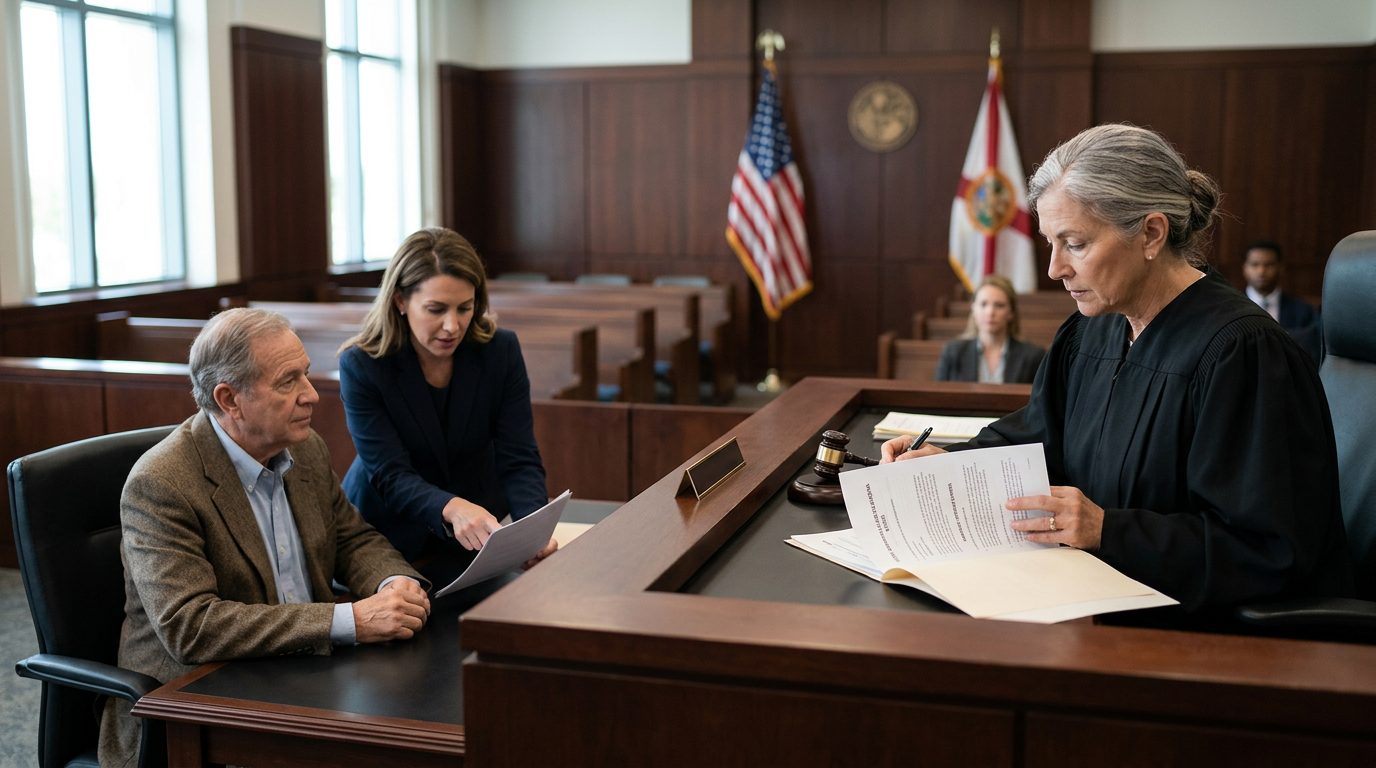
Limited Guardianship in Miami Dade
Navigate the Limited Guardianship Petition & Court Process
Robinson & Casey guides families through Florida guardianship law. We handle the petition, court filings, and hearing preparation so you can focus on your loved one's care.
By Richard J. Casey III, Esq. · Published September 18, 2026
Limited Guardianship in Miami Dade: What It Is and How to Petition the Court
Limited guardianship gives you decision-making authority over specific areas of an adult’s life—such as healthcare or finances—while letting them keep control in other parts of their life. It’s designed for situations where someone has lost capacity in some domains but still has the ability to make decisions in others.
If you’re managing care for an aging parent, an adult child with a disability, or another loved one in Miami Dade County, understanding limited guardianship can help you provide the protection they need without taking away more independence than necessary.

If you're considering limited guardianship for an adult in your family, you don't have to navigate Miami Dade's court process alone. Talk it through with our team — the first consultation is free, confidential, and carries no obligation.
What Is Limited Guardianship in Miami Dade?
Limited guardianship grants you authority to make decisions in named areas only, preserving the adult’s autonomy and legal rights everywhere else. Under Florida Statute Chapter 744, a limited guardian might have power over medical decisions but not financial ones, or vice versa.
The key difference from full guardianship is scope. A limited guardian’s powers are spelled out in the court order. The adult—called the ward—keeps the right to make decisions outside those named areas. This approach respects the person’s dignity and independence while addressing real gaps in their decision-making ability.
Common scenarios include an adult with early cognitive decline who can manage daily living but needs help with complex medical or legal choices, or an adult with a developmental disability who lives independently but requires support with financial or legal matters. The court decides exactly which powers the guardian receives based on the adult’s actual capacity in each area.
When Limited Guardianship Makes Sense in Miami Dade
Limited guardianship fits when an adult lacks capacity in specific areas but retains it in others. Florida law requires courts to use the least restrictive alternative—meaning if limited guardianship can protect someone, the court won’t impose full guardianship.
You might pursue limited guardianship when:
- Medical decline affects one area. An adult can handle finances but can’t make sound healthcare decisions due to dementia or mental illness.
- You want to preserve independence. The adult functions well in some domains and loses capacity in others; limiting the guardian’s power respects their remaining abilities.
- A disability affects specific decisions. An adult with an intellectual or developmental disability may need help with legal or financial matters but can manage personal care and daily choices.
- Aging creates targeted gaps. An older adult may need a guardian for healthcare but retain the right to decide where they live or how to spend their money.
Miami Dade courts evaluate the adult’s functional abilities in each area. They ask: Where does this person lack capacity? Where do they keep it? Limited guardianship answers those questions precisely.
Limited Guardianship vs. Other Guardianship Types
Understanding how limited guardianship differs from other arrangements helps you choose the right path for your situation.
Limited Guardianship
Authority over named areas only. The adult retains legal rights and decision-making power in all other domains. Designed to protect without removing unnecessary independence.
Plenary Guardianship
The guardian has authority over all decisions—healthcare, finances, living arrangements, personal matters. The adult loses most legal rights. Used when the person lacks capacity across all major life areas.
Mental Health Guardianship
Authority limited to mental health treatment decisions only. The adult keeps all other rights and decision-making power. Specific to situations where mental illness is the only area of incapacity.
Emergency Temporary Guardianship
Short-term authority (up to 90 days) granted quickly when an adult faces immediate danger or harm. Pending a full guardianship hearing, it provides urgent protection.
Miami Dade courts apply these distinctions carefully. They review the evidence and ask: What is the least restrictive option that protects this adult? Most of the time, that means limited guardianship when capacity is uneven.
Not sure what your next step is?
Talk it through with our team — the first consultation is free, confidential, and carries no obligation.
The Limited Guardianship Petition Process in Miami Dade
The process begins with a petition filed in Miami Dade County Circuit Court (the 11th Judicial Circuit). Here’s what happens:
Filing the Petition
You file a formal petition with the court, naming the adult and describing the specific areas where they lack capacity. The petition must include facts showing why limited guardianship is necessary—for example, medical diagnoses, examples of poor decisions, or professional assessments.
Notice and the Adult’s Rights
The adult must receive notice of the petition. They have the right to be present at the hearing, to be represented by an attorney, and to contest the guardianship. These protections ensure the court hears their side and makes a fair decision.
Capacity Evaluation
The court may order a medical or psychological evaluation to assess the adult’s capacity in specific areas. This evaluation helps the judge understand exactly where the person lacks decision-making ability and where they retain it.
The Guardianship Hearing
A judge holds a hearing where the petitioner presents evidence—medical records, testimony, professional opinions—showing the need for limited guardianship. The adult or their attorney can present a defense or challenge the petition.
The Court Order
If the judge approves, the guardianship order specifies the exact powers granted to the guardian and the areas where the adult keeps their rights. The order is precise: it names which decisions the guardian makes and which the adult retains.
Ongoing Duties
Once appointed, the guardian must file annual accountings and reports with the court. These filings show how the guardian has managed the ward’s affairs and demonstrate compliance with guardianship duties. The court monitors the guardianship to protect the adult’s interests.
Why Families in Miami Dade Choose Robinson & Casey
Robinson & Casey handles limited guardianship petitions for families across Miami Dade County and South Florida. Our attorneys prepare petition documents, gather the evidence the court needs, and guide you through Miami Dade’s specific court procedures and timelines.
We explain the differences between guardianship types so you understand which option fits your loved one’s situation. We also help guardians after appointment—answering questions about annual reports, court filings, and guardianship duties.
The limited guardianship process can feel overwhelming. Court forms, deadlines, capacity standards, and ongoing compliance requirements create complexity. Our role is to handle those details so you can focus on your loved one’s wellbeing.
Getting Started: Schedule a Consultation
The first step is a conversation about your family’s situation. In an initial consultation, we discuss the adult’s capacity concerns, which areas require guardianship authority, and whether limited guardianship is the right fit.
We’ll explain the process, timeline, and costs so you know what to expect. Then, if you decide to move forward, we prepare and file the petition, represent you in court, and support you through approval and beyond.

Have questions about what happened?
Ask our team directly. The first conversation is free, confidential, and there is no obligation to continue.
Frequently Asked Questions
How long does limited guardianship take in Miami Dade?
The process typically takes several months from petition filing to court approval, depending on court schedules and whether the adult contests the petition.
Can an adult object to a limited guardianship petition?
Yes. The adult has the right to contest the petition and present evidence at the hearing. The court must find clear and convincing evidence of incapacity before approving guardianship.
What’s the difference between limited guardianship and mental health guardianship?
Mental health guardianship covers mental health treatment decisions only. Limited guardianship can cover any specific areas—healthcare, finances, living arrangements—based on the adult’s actual incapacity.
Can limited guardianship be changed later?
Yes. The court can modify or terminate limited guardianship if the adult’s capacity changes or if circumstances no longer justify the guardianship.
Do I need an attorney to file a limited guardianship petition?
While you can file without an attorney, the process is complex. An attorney ensures your petition meets court standards, gathers necessary evidence, and represents you effectively at the hearing.
If you’re considering limited guardianship for an adult in your family, you don’t have to navigate Miami Dade’s court process alone. Families in your situation reach out regularly to discuss their options and understand what limited guardianship can do for their loved one. Schedule a consultation with Robinson & Casey today or call (561) 849-4149 to talk through your circumstances with an attorney who handles these petitions in Miami Dade courts.
The Limited Guardianship Process
Petition & Filing
We prepare and file your limited guardianship petition with the Miami Dade court, including all required documentation and medical evidence to support the request.
Notice & Response
The adult named in the petition receives notice and has the right to respond. We manage all court communications and prepare for potential objections.
Court Hearing
We represent you at the guardianship hearing, present evidence, and advocate for the limited guardianship arrangement tailored to your loved one's needs.
Court Order & Appointment
Once approved, the court issues an order appointing you as limited guardian with defined powers. We ensure you understand your duties and responsibilities.
Why Choose Robinson & Casey for Limited Guardianship
Petition Preparation & Filing
We handle all paperwork, court filings, and documentation required by Florida law for limited guardianship petitions in Miami Dade.
Court Representation
We represent you throughout the guardianship hearing and respond to any challenges or objections raised by the court or the adult.
Focused on Guardianship Matters
Robinson & Casey focuses exclusively on Marchman Act petitions and guardianship matters, serving families across South Florida and statewide.
Clear Guidance on Your Role
We explain what limited guardianship means, what powers you will have, and what responsibilities come with the appointment.
Important: The Adult Has Rights
The adult named in a limited guardianship petition has the right to contest the petition and present evidence at the court hearing. The court will evaluate whether limited guardianship is necessary and in the adult's best interest.
Ready to Move Forward?
Related practice areas
- Limited Guardianship in Florida: When Full Authority Isn’t Necessary
- Limited Guardianship in Florida: When to Petition