
Limited Guardianship
Limited Guardianship in South Florida
When a loved one needs court-ordered protection for specific decisions, Robinson & Casey guides families through the petition process.
By Richard J. Casey III, Esq. · Published September 18, 2026
Limited Guardianship in South Florida: When and How to Petition
Limited guardianship grants authority over specific decisions only. It does not grant authority over all personal and financial matters. Courts tailor limited guardianship to an individual’s actual areas of incapacity under Florida law.
This measured approach preserves dignity and independence. The person under guardianship retains autonomy where they’re capable. You gain clear legal authority where it’s truly needed.
For South Florida families facing this decision, understanding when limited guardianship fits your circumstances is the first step. Knowing how it differs from plenary guardianship, power of attorney, or other options helps you protect your loved one without removing unnecessary autonomy.
If you're weighing whether limited guardianship is the right path for your family member—someone who needs protection in specific areas but can handle other decisions independently—families in your situation reach out regularly to discuss their options. Talk it through with our team — the first consultation is free, confidential, and carries no obligation.

What Limited Guardianship Is—and When It Applies in South Florida
Limited guardianship grants you authority over specific decisions only. It does not grant authority over all personal and financial matters. Under Florida Statutes § 744.331, courts can impose guardianship powers that are “limited to those powers necessary to provide for the incompetent’s care, custody, and control.”
This preserves the person’s autonomy in areas where they retain capacity.
Limited guardianship differs sharply from plenary guardianship. Plenary guardianship grants you authority over all personal and financial decisions. In South Florida—across Miami-Dade, Broward, and Palm Beach counties—families often choose limited guardianship because it strikes a balance.
The person under guardianship retains independence in areas where they’re capable. You gain legal authority where they cannot decide safely.
Common scenarios for limited guardianship include:
- An adult child with developmental disability who can manage daily self-care but cannot handle finances or medical decisions.
- An aging parent who retains capacity for some matters but needs protection in others.
- A minor with intellectual disability approaching adulthood who will need targeted support in specific life domains.
Who Needs Limited Guardianship in South Florida
Limited guardianship is appropriate when someone has capacity in some areas but not others. This might be an adult who can manage personal care and daily routines but cannot consent to medical treatment or handle finances.
It might be an aging parent whose judgment about healthcare is sound but whose financial decision-making has deteriorated. It might be a minor with intellectual or developmental disability who will need ongoing protection in specific areas as they enter adulthood.
The key question is whether the person’s incapacity is global or partial. Global incapacity affects all major decisions. Partial incapacity affects only certain domains. If it’s partial, limited guardianship preserves more autonomy and dignity than plenary guardianship.
If it’s global, plenary guardianship may be necessary.
South Florida courts recognize this distinction. The petition you file must specify which powers you’re seeking. It must explain why full guardianship would be inappropriate. Medical or psychological evaluation evidence must establish incapacity in only the targeted decision-making areas.
Limited Guardianship vs. Other Options
Limited guardianship is not the same as a power of attorney, healthcare proxy, or financial power of attorney. Understanding the differences helps you choose the right tool.
Limited guardianship vs. power of attorney: A power of attorney is executed by a capable person without court involvement. Limited guardianship requires a court finding of incapacity and judicial oversight. If your family member can no longer understand what they’re signing, a power of attorney won’t work. You need the court’s authority through guardianship.
Limited guardianship vs. healthcare proxy or financial power of attorney: These documents let a capable person delegate specific decisions to you. They don’t require a court finding of incapacity. Limited guardianship does. If your family member disputes the guardianship or if you need the court’s backing to override their choices, limited guardianship provides that authority.
Limited guardianship vs. plenary guardianship: Limited guardianship preserves more autonomy and dignity compared to plenary guardianship. If the person retains capacity in any significant area, limited guardianship is often the more appropriate choice.
Choose limited guardianship when court oversight is necessary but full guardianship would strip away too much independence. Choose a power of attorney if your family member is still capable of understanding and consenting. Choose a healthcare proxy or financial proxy if you need delegated authority without a court finding of incapacity.
The Limited Guardianship Petition Process in South Florida
Filing for limited guardianship in your South Florida county follows a structured process. Whether you’re in Miami-Dade, Broward, Palm Beach, or elsewhere, the steps are consistent.
Step 1: File the petition. You file in the circuit court of the county where the alleged incapacitated person lives. The petition must specify which powers you’re seeking. It must explain why full guardianship is not necessary. You must also name the alleged incapacitated person and identify interested parties (spouse, adult children, healthcare providers, etc.).
Step 2: Obtain medical or psychological evaluation. Florida Statutes § 744.331 requires medical or psychological evaluation evidence establishing incapacity in the targeted decision-making areas. This evaluation is critical to your petition. The evaluator must address the specific powers you’re seeking. They must explain why the person cannot make those decisions independently.
Step 3: Provide notice. You must notify the alleged incapacitated person and all interested parties of the petition and the hearing date. The person has the right to be present, to have an attorney, and to contest the guardianship.
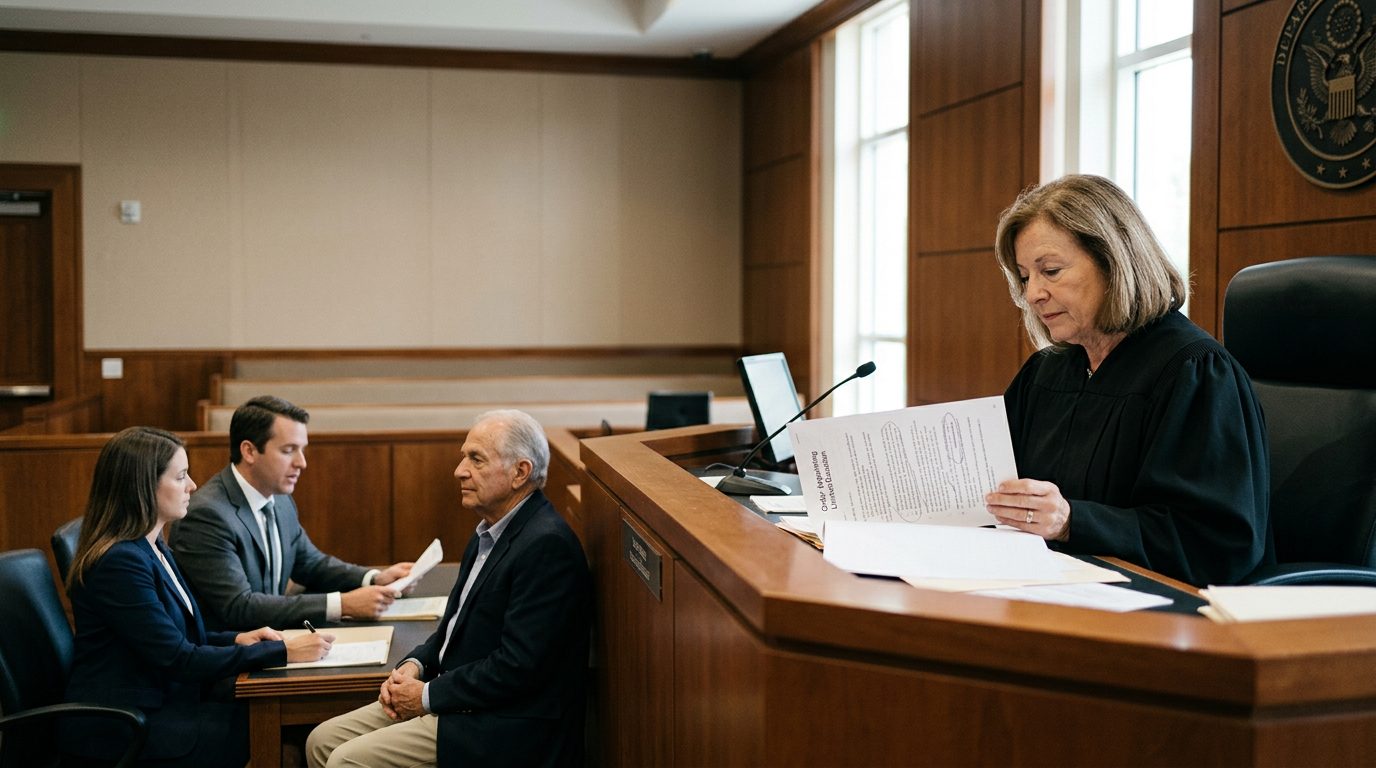
Step 4: Court hearing. You appear before a judge. The court reviews the petition, the evaluation, and any evidence or testimony. The judge determines whether limited guardianship is appropriate and which specific powers to grant.
Step 5: Order and ongoing duties. If the court grants limited guardianship, the order specifies the exact powers you have. You become bound by guardian duties: acting in the person’s best interest, managing their finances (if that power is granted), making healthcare decisions (if that power is granted), and filing annual reports with the court.
Why South Florida Families Choose Limited Guardianship
Families in Miami-Dade, Broward, Palm Beach, and across South Florida choose limited guardianship because it balances protection with dignity.
Preserves autonomy. The person under guardianship retains decision-making authority in areas where they’re capable. This maintains their sense of control and independence, which is crucial for mental health and well-being.
Reduces court burden. Limited guardianship involves less ongoing court oversight than plenary guardianship. You have clear authority in the specified areas. The person can still make decisions outside those areas.
Provides legal protection. You have court-backed authority to make or override decisions in the targeted domains. This protects both you and the person under guardianship from disputes or challenges.
Can be modified. If the person’s capacity changes—they improve, or their incapacity spreads to new areas—the guardianship can be modified. This flexibility reduces the anxiety families feel about making a permanent decision.
Not sure what your next step is?
Talk it through with our team — the first consultation is free, confidential, and carries no obligation.
Robinson & Casey’s Role in Your Limited Guardianship Petition
Robinson & Casey guides South Florida families through the limited guardianship process. We help you determine whether limited guardianship is appropriate for your situation. We also evaluate whether plenary guardianship, emergency temporary guardianship, or another option better fits your needs.
We prepare the petition and supporting documentation. We coordinate with medical or psychological evaluators. We represent you at the court hearing. We explain the powers you’ll have as guardian and your ongoing duties under the court order. We serve families across Miami-Dade, Broward, Palm Beach, and statewide.
For more information about guardianship options, we’re here to help.
Frequently Asked Questions
Can limited guardianship be changed to plenary guardianship later?
Yes. If the person’s incapacity expands or circumstances change, you can petition the court to modify the guardianship order.
How long does the limited guardianship petition process take?
Timeline varies by county and case complexity. Your attorney can give you a realistic estimate based on your specific situation and county.
What if the person under limited guardianship disagrees with the guardianship?
They have the right to contest it. The court will hold a hearing and determine whether guardianship is still necessary.
Can limited guardianship end?
Yes. If the person regains capacity in the areas covered by the guardianship, you or they can petition to terminate it.

Ready to Discuss Limited Guardianship for Your Family
If you’re weighing whether limited guardianship is the right path for your family member, reach out to discuss your options.
Contact Robinson & Casey for a consultation. Call (561) 849-4149 or schedule a consultation online. We’ll discuss your family’s circumstances, explain whether limited guardianship fits, and walk you through the next steps. There’s no obligation—just a straightforward conversation about protecting your loved one.
How Limited Guardianship Works
Targeted Authority
Unlike plenary guardianship, limited guardianship grants the court-appointed guardian authority over only specific decisions—such as healthcare, finances, or living arrangements—while the ward retains decision-making power in other areas.
Court Oversight
The guardianship order is issued by the court and remains subject to judicial review. The guardian has a legal duty to act in the ward's best interest and must account for their actions.
Preservation of Rights
Limited guardianship preserves the ward's autonomy and dignity by restricting the guardian's powers only to areas where the ward cannot manage independently.
Ongoing Adjustment
If circumstances change or the ward's capacity improves, the guardianship can be modified or terminated through a court petition.
The Limited Guardianship Process
Petition Filing
Robinson & Casey prepares and files the guardianship petition with the court, including medical evidence and documentation of the ward's incapacity in the specific areas requiring guardianship.
Court Evaluation
The court reviews the petition, may order an independent evaluation, and holds a hearing to determine whether limited guardianship is appropriate and in the ward's best interest.
Guardianship Order
If the court grants the petition, a guardianship order is entered specifying the guardian's powers and the areas in which the ward's rights are limited.
Ongoing Duties
The guardian manages the designated responsibilities, maintains records, and may be required to file periodic accountings or reports with the court.
Limited vs. Plenary Guardianship
Limited guardianship is appropriate when the ward can make decisions in some areas but needs court-ordered protection in others. Plenary guardianship removes all decision-making authority. Robinson & Casey helps you determine which form of guardianship fits your family's situation.
Common Questions About Limited Guardianship
Can limited guardianship be changed later?
Yes. If the ward's incapacity expands or circumstances change, you can petition the court to modify the guardianship order—either to expand it to plenary guardianship or to adjust the scope of the guardian's authority.
How long does the process take?
Timeline varies by county and case complexity. Robinson & Casey will provide a realistic estimate based on your specific situation and local court procedures.
What if the ward objects?
The ward has the right to contest the guardianship petition. The court will hold a hearing and consider the ward's wishes, medical evidence, and the best-interest standard before deciding.
What are the guardian's responsibilities?
The guardian must act in the ward's best interest, manage only the decisions specified in the court order, keep records, and comply with all court-ordered reporting or accounting requirements.
Why Families Choose Robinson & Casey
Focused Practice
Robinson & Casey focuses exclusively on guardianship matters and related proceedings. We handle limited guardianship petitions across South Florida and statewide.
Tailored Guidance
We listen to your family's needs and explain your options clearly, helping you understand whether limited guardianship or another form of protection is right for your situation.
Petition Preparation
We prepare thorough, court-ready petitions with the medical evidence and documentation needed to support your case.
Direct Communication
We work directly with you throughout the process, answering questions and keeping you informed at every step.