
Involuntary Commitment in Florida
Can You Involuntarily Commit Someone to a Mental Hospital?
Understanding Florida's involuntary commitment process and who can file a petition.
By Richard J. Casey III, Esq. · Published October 03, 2026
Yes, involuntary commitment is legally possible in Florida—but only when specific legal criteria are met. Involuntary commitment (also called civil commitment) allows a person to be admitted to a mental health facility without their consent when they pose a danger to themselves or others, cannot care for themselves, or are refusing treatment with likely deterioration. The process is governed by Florida Statutes Chapter 394 and involves court approval, legal representation, and ongoing review of the person’s status.
This is not a decision families make lightly, and the law recognizes that. Understanding how involuntary commitment works—and when it applies—can help you navigate this difficult situation.
What Qualifies Someone for Involuntary Commitment?
Mental illness alone is not enough to commit someone involuntarily. Under Florida Statutes Chapter 394, a person must have a mental illness or substance use disorder and meet at least one of these legal criteria:
- Danger to self or others: The person poses a substantial likelihood of causing serious bodily harm to themselves or others in the near future.
- Inability to care for themselves: Due to mental illness, they cannot provide food, shelter, clothing, or medical care, and lack the capacity to understand the need for care.
- Refusing treatment with likely deterioration: They are refusing voluntary treatment and their condition is likely to get worse without intervention.
A single statement or incident typically isn’t enough. Courts look for evidence of a pattern, ongoing behavior, or an imminent risk that meets one of these standards.
If you're facing a situation where a loved one refuses mental health treatment or help for addiction, families in your position often reach out to understand their legal options—contact us to discuss what may be possible. Talk it through with our team — the first consultation is free, confidential, and carries no obligation.

How Involuntary Commitment Works in Florida
The process begins with a petition filed in court by an authorized person. In Florida, those who can file include family members, physicians, mental health professionals, law enforcement officers, and other designated individuals.
The petition must include:
- A description of the person’s mental illness or substance use disorder
- Specific behaviors, statements, or incidents that support the need for commitment
- How the person meets one or more of the legal criteria above
- Why voluntary treatment is not appropriate or has been refused
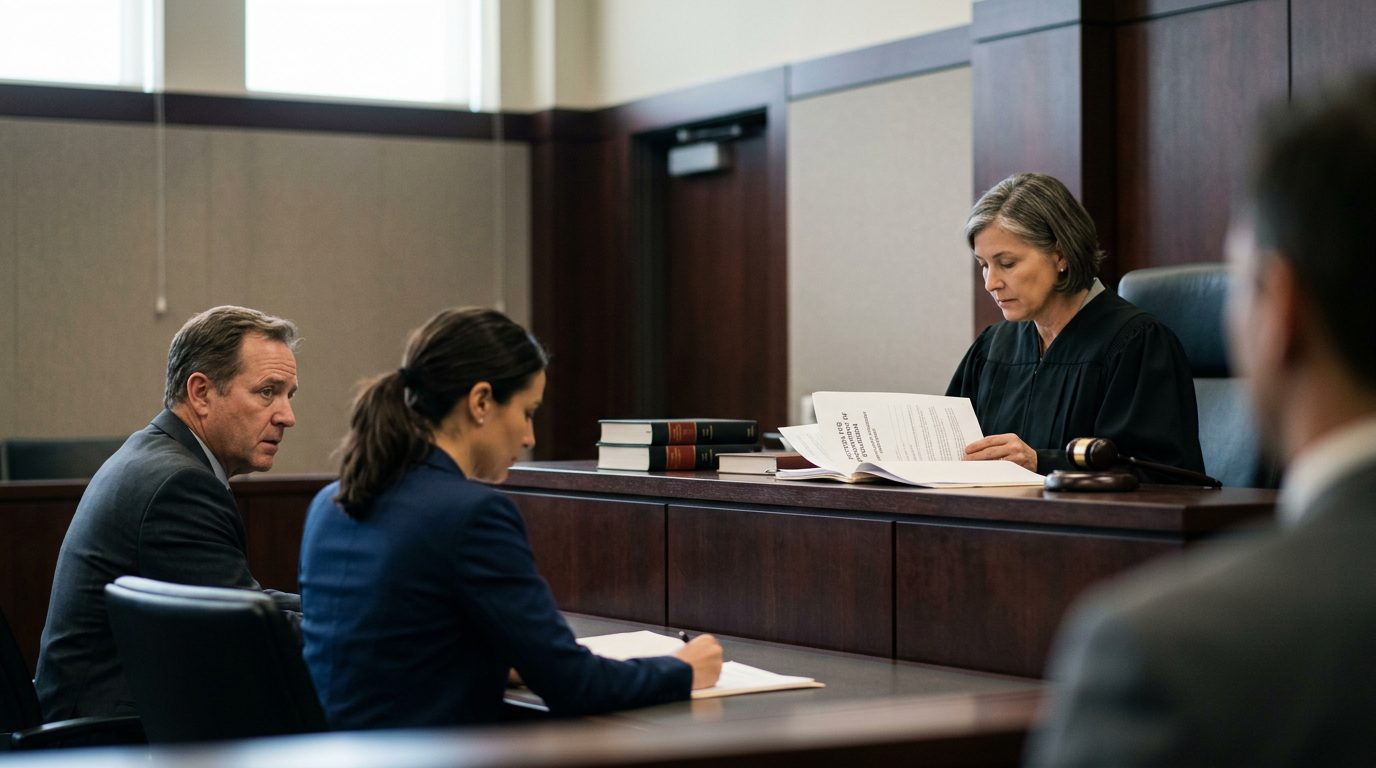
Once filed, a judge reviews the petition. If the judge finds probable cause, they may issue an order for the person to be taken into custody and brought for evaluation by a mental health professional.
The person’s rights during this process include:
- The right to legal representation
- The right to be examined by a physician or licensed mental health professional
- The right to contest the petition in court
- The right to be informed of the charges against them
If the evaluation confirms that the person meets the legal criteria, the court may order temporary or longer-term commitment. The facility must then provide appropriate medical and psychiatric treatment.
What Happens After Involuntary Commitment?
Commitment is not indefinite. Florida law requires that commitment be the least restrictive means necessary to achieve treatment. After admission, the person retains important rights:
- Right to legal representation: They can have an attorney advocate for them.
- Right to refuse certain treatments: With limited exceptions, they cannot be forced to take medication without due process.
- Right to periodic review: The facility must regularly assess whether the person still meets the criteria for commitment.
- Right to petition for release: The person can ask the court to review their commitment status.
The length of commitment depends on the person’s progress and whether the legal criteria continue to be met. If their condition improves and they no longer meet the criteria, they must be released. The goal is treatment and stabilization, not indefinite confinement.
Involuntary Commitment for Addiction: The Marchman Act
If someone is struggling with substance use disorder and refusing treatment, Florida offers a separate legal pathway. The Marchman Act (Florida Statutes Chapter 397) allows family members and others to petition the court for involuntary evaluation and treatment when a person is unable or unwilling to seek help for addiction.
The Marchman Act process is similar to civil commitment but is specifically designed for substance use disorders. It recognizes that addiction is a treatable condition and that involuntary intervention can be lifesaving when someone refuses voluntary help.
When to Seek Legal Guidance
Deciding whether to pursue involuntary commitment is complex. An attorney can help you:
- Understand whether involuntary commitment is appropriate in your situation
- Prepare and file a petition correctly
- Gather documentation and evidence to support your case
- Navigate court procedures and represent your interests
- Explore other legal options, such as guardianship or mental health guardianship
The legal process involves specific procedural requirements and deadlines. Having guidance ensures your petition is properly prepared and gives you the best chance of being heard by the court.

Frequently Asked Questions
Can a family member file for involuntary commitment?
Yes. In Florida, family members are among the authorized persons who can file a petition for involuntary commitment under Chapter 394.
How long does involuntary commitment last?
Commitment duration depends on the person’s condition and progress. The law requires periodic review, and the person may petition for release if they no longer meet the criteria.
Is involuntary commitment the same as guardianship?
No. Involuntary commitment is a short-term medical intervention for acute mental illness or substance use disorder. Guardianship is a longer-term legal arrangement that gives one person decision-making authority over another’s personal, medical, or financial affairs.
What if the person contests the commitment?
They have the right to a hearing before a judge. The court will review whether the person meets the legal criteria, and the person can present evidence and testimony in their defense.
Can someone be committed for mental illness alone?
No. Mental illness must be accompanied by one of the legal criteria—danger to self or others, inability to care for themselves, or refusal of treatment with likely deterioration.
If you’re navigating a situation where a loved one is refusing mental health treatment or help for addiction, and you’re uncertain about your legal options, families in your position regularly reach out to understand what involuntary commitment involves and whether it’s the right step. Contact Robinson & Casey to discuss your circumstances and learn how we can help guide you through the process.
Time Matters
Involuntary commitment petitions in Florida involve strict procedural requirements and timelines. Early legal guidance can help ensure your petition is properly filed and your concerns are heard.
Key Questions About Involuntary Commitment
Who Can File a Petition?
Family members, law enforcement, healthcare providers, and other authorized persons under Florida law may petition for involuntary commitment. The process begins with filing a petition with the court.
How Long Does Commitment Last?
Commitment duration depends on the individual's condition and progress. Florida law requires periodic review and allows the person to petition for release. The court determines the appropriate length based on clinical needs.
What Happens During the Process?
Once a petition is filed, the court evaluates whether there is probable cause. If the person is deemed to meet commitment criteria, a hearing is held where evidence is presented and the person has the right to legal representation.
What Are the Legal Standards?
Florida law permits involuntary commitment when a person is found to be mentally ill and poses a substantial likelihood of serious harm to themselves or others, or is unable to care for themselves.
How Robinson & Casey Can Help
Petition Preparation
We prepare and file involuntary commitment petitions on behalf of families and authorized petitioners, ensuring all required documentation meets Florida's legal standards.
Legal Representation
Our firm represents petitioners throughout the involuntary commitment process, from initial filing through court hearings and ongoing proceedings.
Guidance on Your Options
We explain the involuntary commitment process, answer your questions, and help you understand the steps involved and what to expect.
Serving South Florida and Statewide
Robinson & Casey handles involuntary commitment matters for families across Miami-Dade, South Florida, and throughout Florida.