
Emergency Marchman Act Attorney | Miami-Dade
Emergency Marchman Act Help for Miami-Dade Families
Robinson Casey focuses on Marchman Act petitions and guardianship matters for families across South Florida and statewide. Richard J. Casey III, Esq. is responsible for this page. Your first consultation is free, confidential, and carries no obligation to continue.
By Richard J. Casey III, Esq. · Published October 31, 2026
When Your Adult Child Is in Immediate Danger, Waiting Is Not an Option
An emergency Marchman Act attorney in Miami-Dade helps a family ask a Florida court to order an adult into assessment and treatment when substance use puts that person in serious danger. This page explains how that process works and what it can and cannot do.
You may have paid for treatment for years. You may have tried every intervention you could find and held firm on every boundary. Then came the overdose, the relapse, the hospital stay, the arrest, or the night your child disappeared. Now you need a legal path, and you need it fast.
Robinson Casey limits its practice to Marchman Act petitions and guardianship matters for families across South Florida and statewide. Richard J. Casey III, Esq. is the responsible lawyer for this page.
If your adult child is in danger right now, we can talk through a Marchman Act petition with you, and you don't have to face it alone. Talk it through with our team — the first consultation is free, confidential, and carries no obligation.

What the Marchman Act Is and Who It Covers
The Marchman Act is Florida’s civil process for court-ordered assessment and treatment of people whose substance abuse impairs them.
A court can order involuntary treatment only when the legal test is met. Under § 397.675, there must be a good faith reason to believe the person is substance abuse impaired and has lost the power of self-control about substance use. The person must also meet one more test, such as being unable to understand the need for care.
Refusal alone is not enough. The same section says that mere refusal to receive services does not, by itself, show a lack of judgment. Fla. Stat. § 397.675 reads: “(b) Without care or treatment, is likely to suffer from neglect or refuse to care for himself or herself; that such neglect or refusal poses a real and present threat of substantial harm to his or her well-being; and that it is not apparent that such harm may be avoided through the help of willing, able, and responsible family members or friends or the provision of other services, or there is substantial likelihood that the person has inflicted, or threatened to or attempted to inflict, or, unless admitted, is likely to inflict, physical harm on himself, herself, or another.” That’s why the specific facts of your child’s situation matter so much.
Minors fall under different rules in the same chapter of the Florida Statutes.
What an Emergency Marchman Act Petition Covers
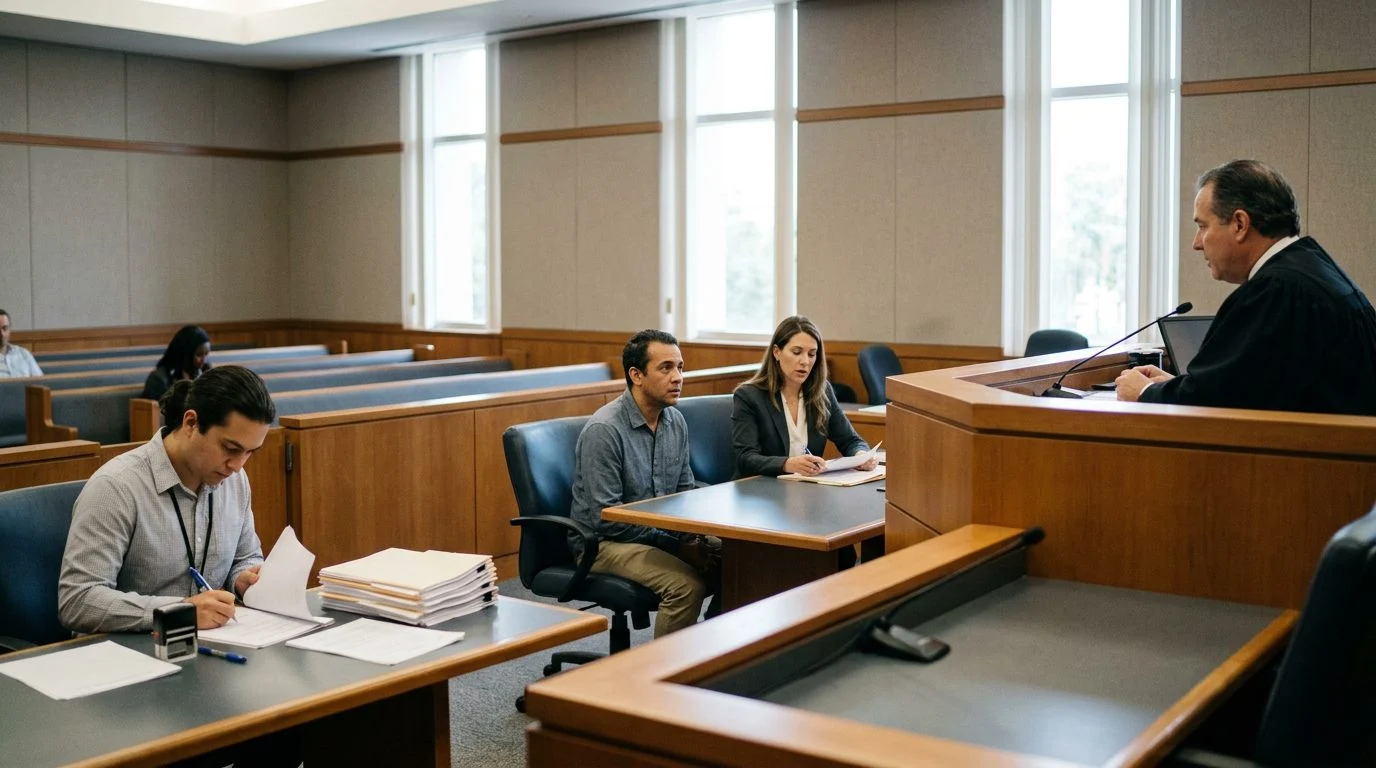
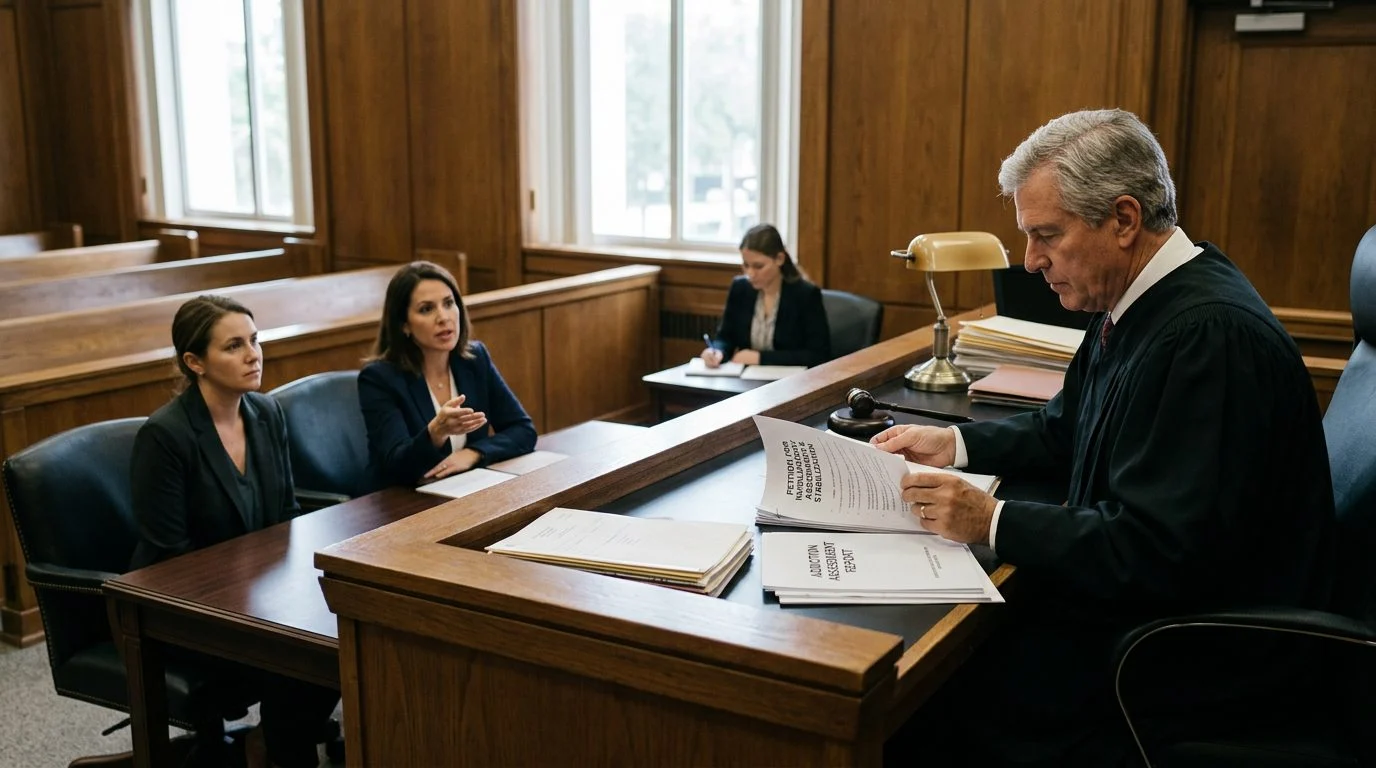
An emergency petition asks the court to act quickly when waiting could cause serious harm. The petition must describe the urgent facts and ask for an ex parte assessment and stabilization order, meaning an order the court can enter before your child has a hearing. § 397.68141 sets out that requirement.
Vague facts can sink a petition. A Florida appeals court held that an ex parte order was entered in error because the petition did not give a good faith reason to believe the statutory criteria were met. See D.H. v. K.J.R.. Dates, incidents, and specific harm matter.
Our team and attorneys help with the core work: preparing the petition, gathering the facts that show impairment and danger, filing, and taking the case to the hearing. Where the facts call for it, guardianship matters, such as emergency temporary guardianship, can come up too. Some matters may be referred to another lawyer or firm, and we’ll tell you when that’s the case.
How an Emergency Marchman Act Case Typically Moves Forward
An emergency case usually moves from a professional’s certificate to a facility admission, then to a court petition and hearing. Each step follows a specific statute.
- Intake consultation. You share the crisis, where your child is, and any records you have, such as discharge papers or police reports.
- Certificate. For an adult, a qualifying professional can request an emergency certificate. A spouse, legal guardian, relative, or responsible adult with personal knowledge can also request one under § 397.6791. The professional’s certificate must reflect an exam within the preceding 5 days and is valid for 7 days after issuance, under § 397.6793.
- Delivery. An applicant, spouse, guardian, or law enforcement officer may deliver the person to a hospital or a licensed detoxification facility or addictions receiving facility for emergency assessment and stabilization under § 397.6795.
- Physician assessment. Within 72 hours after an emergency admission to a hospital or a licensed detoxification or addictions receiving facility, the attending physician must assess the person to decide what further services are needed; for a nonresidential provider, a qualified professional has 5 days, under § 397.6797.
- Filing. The petition is filed with the clerk in the county where the person is located, and the clerk may not charge a filing fee under § 397.681. Miami-Dade adult petitions go through the Miami-Dade Clerk of Courts Probate Court. A wrong-county filing is a venue problem, not automatically a dismissal, per the J.P. v. J.N. venue ruling.
- Hearing. The court must schedule a hearing within 10 court working days unless a continuance is granted, under § 397.68151.
Honest Answers to What You Fear Most
A petition can bring your child before a court and into assessment. It cannot promise recovery, and no attorney can promise it.
Overdose or death. A court order for treatment can last up to 90 days under § 397.697. It is a legal tool to bring your child into care, not a cure.
Incarceration. Your child’s arrest history can change which options apply. Bring every record to intake so the facts can be reviewed.
Homelessness. Court-ordered treatment can connect a person to services. Housing outcomes depend on the facts of each case, and no one can predict them.
A person who wants a lawyer and cannot afford private counsel has the right to a court-appointed lawyer under § 397.681.
What the court needs to see. The petitioner must prove by clear and convincing evidence that the person is impaired and has a history of not complying with treatment, and that because of the impairment the person is unlikely to voluntarily participate in recommended services or cannot determine whether services are necessary, and also meets a further showing, such as refusing care because of judgment so impaired by substance abuse that the person cannot appreciate the need for care or make a rational decision about it, under § 397.6957.
Losing hope. Exhaustion is real. A legal path moves the decision into a court process with clear steps and a lawyer focused on these petitions.
Why Families in Miami-Dade Work With Robinson Casey
Robinson Casey limits its practice to Marchman Act petitions and guardianship matters, serving families across South Florida and statewide.
For Miami-Dade families, intake starts with where your child is located, since that location decides the filing county. Miami-Dade adult petitions are routed through the Clerk’s Probate Court.
Robinson Casey has support staff who help with scheduling, documents, and follow-up. Our attorneys focus on these petitions, and Richard J. Casey III, Esq. is the responsible lawyer for this page.
We explain each step and the statute behind it, so you can follow the process from the start. We don’t use testimonials or awards on this page, and every statement here can be checked against the law cited above.
Not sure what your next step is?
Talk it through with our team — the first consultation is free, confidential, and carries no obligation.
Frequently Asked Questions About Emergency Marchman Act Petitions
Can I file if my adult child doesn’t want treatment?
The Act covers adults who refuse care. Refusal alone isn’t enough, so the court looks at whether impairment affects your child’s judgment.
Who can file a petition for an adult child?
For an adult respondent, a petition for involuntary treatment services can be filed by the respondent’s spouse or legal guardian, any relative, a service provider, or an adult with direct personal knowledge of the respondent’s substance abuse impairment and prior course of assessment and treatment. See § 397.68112. See § 397.68112.
Where do I file an emergency petition in Miami-Dade?
File with the clerk in the county where your child is located. Miami-Dade adult petitions go through the Clerk’s Probate Court.
Does the clerk charge a fee to file?
No. The clerk may not charge a fee for filing the petition, under § 397.681.
What should I bring to the consultation?
Bring the dates of recent incidents, hospital or police records, prior treatment history, and the names of people who saw the crisis.
Call Robinson Casey About Your Adult Child’s Emergency
If your adult child has overdosed, relapsed, been hospitalized, been arrested, or gone missing, you don’t have to carry this alone. Richard J. Casey III, Esq. and the Robinson Casey team can review your facts and explain the Marchman Act options that may apply. Call (561) 849-4700 or request a consultation online. The first consultation is free, confidential, and comes with no obligation to continue. Our goal is a legal path to proper treatment, so you no longer manage this crisis alone, though no outcome is promised.
Why Families Contact Robinson Casey
Focused Practice
Our practice focuses on Marchman Act petitions and guardianship matters, so our attention stays on the legal issues that affect your family.
Confidential Conversations
Talking about a loved one's health and safety is hard. We keep your information confidential from the first call.
Free First Consultation
Your initial consultation is free, confidential, and comes with no obligation to continue.
Support Across South Florida
We serve families in Miami-Dade and throughout South Florida, and we also assist clients statewide.
Do Not Wait Until It Becomes an Emergency
When a loved one's safety is at risk, prompt action matters. Gather what you know about recent events, and contact us as soon as you can so we can talk through your options.
How We Help
Tell Us What Is Happening
Share the situation during a confidential consultation. We listen first so we understand your family's circumstances.
Review Your Options
We explain the Marchman Act, guardianship, and involuntary treatment options that may fit your situation.
Prepare Your Petition
We help you organize the information and documents needed to move forward with a petition in court.
Guide You Through Court
We keep you informed at each step of the process and answer your questions along the way.