
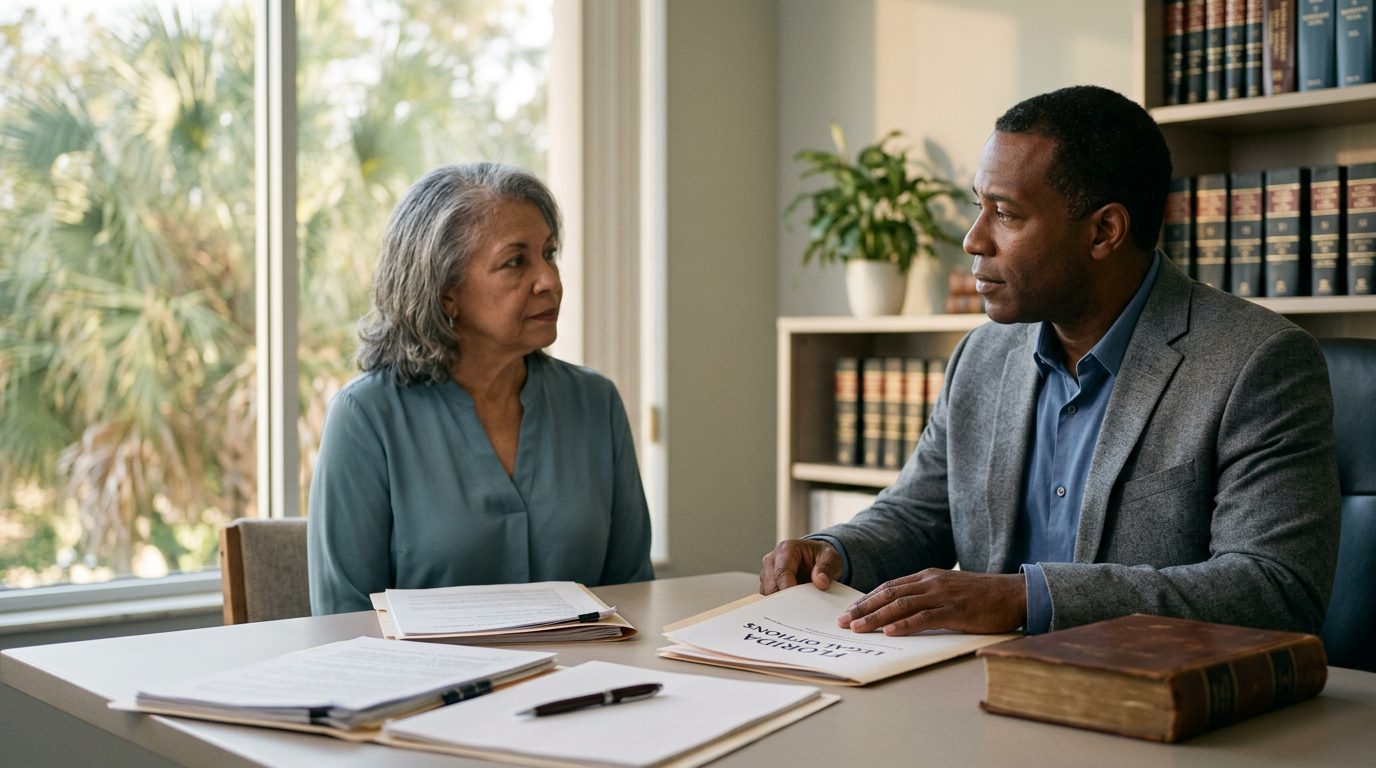
Mental Help If They Refuse: Florida Legal Options
By Richard J. Casey III, Esq. · Published October 17, 2026
How to Get Someone Mental Help If They Refuse: Legal Options in Florida
This right exists because mental health decisions are deeply personal. Understanding this boundary—and knowing when it can be legally overridden—is the first step in exploring what options actually exist for your situation.
If you're considering any legal option or simply want to understand what's available, reach out to discuss your situation and what options actually exist. Talk it through with our team — the first consultation is free, confidential, and carries no obligation.
Understanding the Right to Refuse Mental Health Treatment
Adults in Florida retain the legal right to refuse mental health treatment unless a court has determined they lack the capacity to make that decision. This protection exists because mental health choices are considered fundamental to personal autonomy. Refusal alone does not automatically mean someone lacks capacity. The law recognizes a difference between “I don’t want help” and “I cannot safely refuse help.”
This distinction matters. If your loved one is refusing treatment but can still understand the consequences of that choice, Florida law protects their right to say no. However, certain circumstances—imminent danger, severe substance use disorder, inability to care for basic needs—may create legal pathways for intervention that override that refusal.
When Refusal Becomes a Crisis: Recognizing Situations That May Require Intervention
Refusal alone is not grounds for forced treatment in Florida. However, specific circumstances may trigger legal intervention. These include:
- Imminent danger to self or others — threats of suicide, active self-harm, or violence toward others
- Severe substance use disorder — when someone has lost control over substance use and refuses assessment or treatment
- Inability to care for basic needs — when someone cannot feed, clothe, or shelter themselves due to mental illness or addiction
- Acute psychiatric emergency — acute psychosis, severe depression with suicidal ideation, or similar acute conditions
Documenting specific behaviors, statements, or incidents is important if you believe intervention may become necessary. Write down dates, what happened, what was said, and how the person’s condition is affecting their safety or ability to function. This record becomes valuable if you consult an attorney or file a petition.
Is There a Way to Force Someone to Get Mental Help?
Florida law does permit involuntary mental health treatment under specific, narrow circumstances. Involuntary commitment typically requires that a person is a danger to themselves or others, or is gravely disabled and unable to provide for basic needs.
The process involves filing a petition, evaluation by qualified professionals, and a hearing before a judge. This is not a casual or quick process—it is a formal legal proceeding with due process protections. The person has the right to legal representation, to contest the petition, and to present evidence.
Two main legal tools exist in Florida:
The Baker Act allows for involuntary psychiatric examination and short-term hold when someone is deemed an immediate danger to self or others. Law enforcement, healthcare providers, or judges can initiate this process.
The Marchman Act is Florida’s statute specifically addressing involuntary treatment for substance use disorders. Under Florida’s Marchman Act (Chapter 397, Florida Statutes), certain persons may petition a court for involuntary assessment and treatment of a person who meets the statutory criteria. Other requirements may apply, and the court decides based on the evidence and its discretion. The statute sets out who may file (see Fla. Stat. § 397.6811), other requirements may apply, and the court decides.
The Marchman Act: Florida’s Tool for Involuntary Addiction Treatment
The Marchman Act is Florida’s statute specifically designed for situations where someone refuses help for substance use disorders. Under Fla. Stat. § 397.6811, the Marchman Act addresses who may file a petition for involuntary assessment and treatment. Other requirements may also apply, and the court decides each petition based on the statute and the circumstances of the case.
Under the Marchman Act, involuntary admission may occur when there is good-faith reason to believe a person is substance abuse impaired, has lost the power of self-control over substance use, and either has impaired judgment regarding need for services or poses a risk of harm.
Unlike general mental health commitment, the Marchman Act focuses specifically on addiction. A Marchman Act petition begins a legal process that includes evaluation, a hearing before a judge, and potential court-ordered assessment and treatment.
How to Convince Someone with Mental Illness to Get Help
Before pursuing legal intervention, a person may try direct conversation, expressing concern without judgment or ultimatums. This approach works best when the person has some willingness, even if reluctant.
Practical steps include:
- Offer to help research treatment options — reduce barriers by doing legwork yourself
- Attend an appointment together — sometimes the presence of a trusted person makes the difference
- Speak with a healthcare provider — a doctor or therapist experienced in motivational interviewing may help
- Set boundaries — “I cannot support you financially if you refuse treatment” may motivate change without legal action
- Express concern without blame — “I’m worried about you” lands differently than “You’re a mess”
These approaches work best when the person has some willingness. They rarely work when someone is in acute crisis or actively using substances.
Not sure what your next step is?
Talk it through with our team — the first consultation is free, confidential, and carries no obligation.
Dealing with a Mentally Unstable Family Member Who Refuses Help
Watching a family member struggle while refusing help creates real emotional strain. Feelings of helplessness, guilt, and frustration are normal. You cannot force someone to accept help through persuasion alone, but you can control your own boundaries and responses.
Support groups for families of people with mental illness or addiction can provide practical strategies and emotional support.
Documenting incidents, keeping records of concerning behavior, and consulting with an attorney can clarify what legal options exist in your specific situation. Legal intervention is not a first step—it is a last resort when safety is genuinely at stake.
How to Help an Adult Child with Mental Health Issues When They Refuse
However, if an adult child is in acute crisis, expressing suicidal intent, or unable to care for themselves, legal pathways may exist.
Maintaining the relationship while respecting their autonomy—and your own limits—is often the most sustainable approach. When safety concerns are genuine and immediate, consulting with an attorney about legal options is appropriate.
Legal Options for Mental Health Intervention in Florida
Three main legal tools exist in Florida for situations where someone refuses help:
Baker Act — allows for involuntary psychiatric examination and short-term hold when someone is deemed a danger to self or others.
Marchman Act — allows for involuntary assessment and treatment for substance use disorders when someone refuses help and meets the legal standard.
Guardianship — a court may appoint a guardian when a person is determined incapacitated. Guardianship can be plenary (full removal of rights) or limited (removal of specific rights only).
Each option has different requirements, timelines, and legal standards. The right option depends on the specific circumstances, the nature of the mental health or addiction issue, and what the person’s actual danger or incapacity is.
What Happens After Legal Intervention: The Process and Next Steps
If a petition is filed—Marchman Act, Baker Act, or guardianship—the person has the right to a hearing and legal representation. A court will evaluate whether the legal standard for intervention has been met.
If the petition is granted, the person may be ordered into treatment, evaluation, or placed under guardianship. A guardianship may remain in place until the court restores the ward’s rights, modifies the guardianship, or terminates it, and the court makes that decision based on the circumstances of each case. Under Fla. Stat. § 744.3215, a person who has been determined to be incapacitated retains the right to have continuing review of the need for restriction of his or her rights and to be restored to capacity at the earliest possible time.
The goal is to stabilize the person and connect them to ongoing care, not to punish them.
Have questions about what happened?
Ask our team directly. The first conversation is free, confidential, and there is no obligation to continue.
When to Seek Legal Guidance About Your Options
If you are considering any form of legal intervention—Marchman Act petition, guardianship, or involuntary commitment—consulting with an attorney is essential. An attorney can evaluate your specific situation, explain which legal tools actually apply, and guide you through the process.
Timing matters. Acting too early may not meet legal standards. Waiting too long may allow a crisis to worsen. You do not need to have all the answers before reaching out. An initial consultation can clarify what options exist and what the next step should be.

Frequently Asked Questions
What’s the difference between the Marchman Act and the Baker Act?
The Marchman Act addresses substance use disorders specifically. The Baker Act addresses acute psychiatric emergencies and danger to self or others. The Marchman Act and the Baker Act each have their own filing provisions: see Fla. Stat. § 397.6811 for the Marchman Act and Fla. Stat. § 394.463 for the Baker Act, which also provides for ex parte orders. Other requirements may apply, and the court decides.
Can I get guardianship of an adult who refuses treatment?
Yes, but only if a court determines the person is incapacitated—meaning they cannot manage their person or property due to mental illness, substance abuse, or other incapacity. Refusal to accept treatment alone is not enough.
How long does involuntary treatment last?
That depends on the legal tool used. Baker Act holds are typically short-term (up to 72 hours). Marchman Act treatment duration is determined by the court and the treatment provider.
What if the person gets better and wants to end the guardianship?
A person determined incapacitated can petition the court to restore their rights. The court will evaluate whether the person has regained capacity.
If you’re watching someone refuse help and wondering whether legal intervention is possible, the answer depends on your specific situation. Robinson & Casey limits its practice to Marchman Act petitions, involuntary commitment for addiction, and guardianship matters, including mental health guardianship. If you’re considering any legal option or simply want to understand what’s available, reach out to discuss your situation and what options actually exist. Call (561) 849-4149 or contact us online for a consultation.