
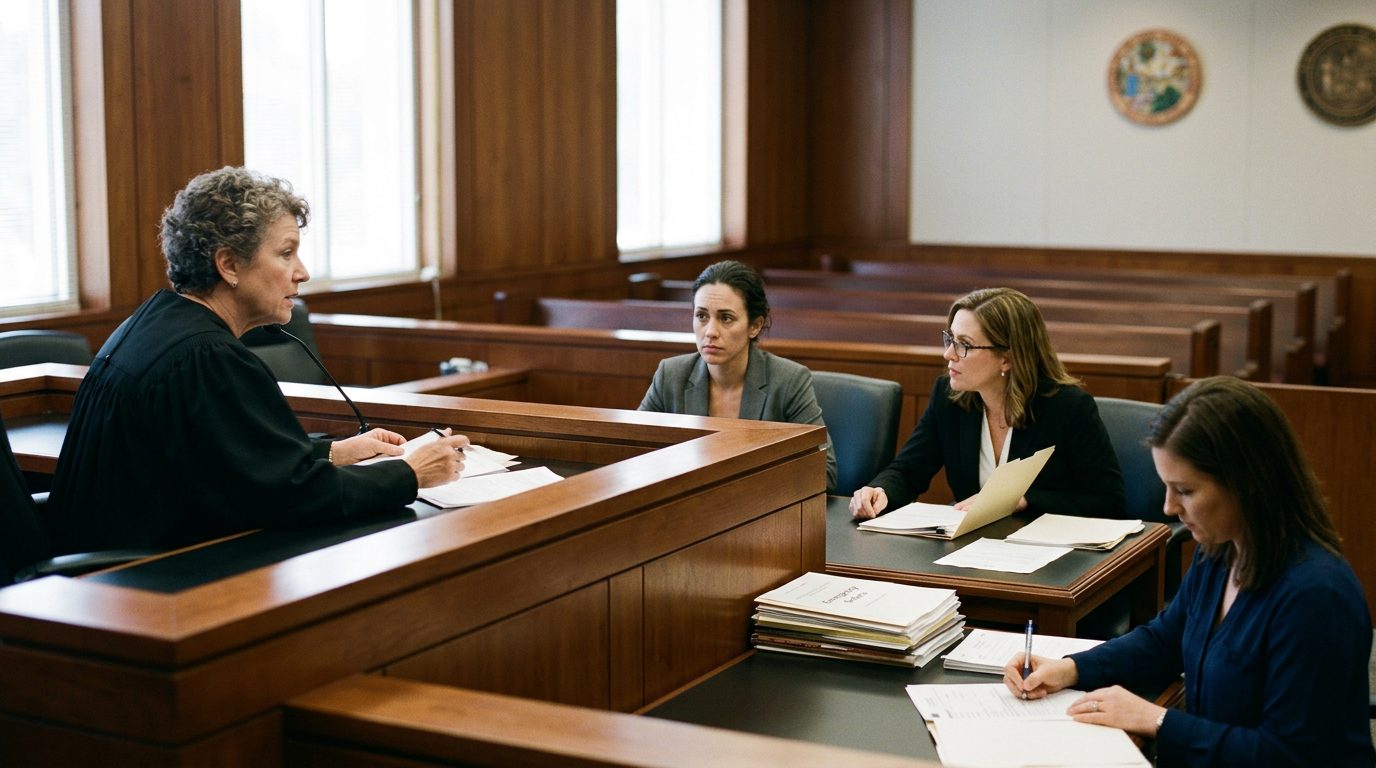
Marchman Act Filing
Understanding Marchman Act Costs in Florida
Transparent breakdown of court fees, attorney fees, and service costs for involuntary commitment petitions
By Richard J. Casey III, Esq. · Published October 01, 2026
Marchman Act Cost Breakdown: Filing Fees, Attorney Costs & Treatment Expenses
A Marchman Act petition in Florida typically costs $2,000 to $6,000 in legal fees alone, plus separate court filing fees and treatment facility expenses—but the exact total depends on your county, case complexity, and whether you hire an attorney.
If you’re researching whether your family can afford to file, this page breaks down every cost you’ll face, who pays for each one, and what’s included in attorney representation.
If you're weighing whether your family can afford a Marchman Act petition right now, you don't have to figure out the costs alone—reach out to discuss your situation and get a clear estimate. Talk it through with our team — the first consultation is free, confidential, and carries no obligation.

What Is a Marchman Act Petition and Who Files It?
The Marchman Act is Florida’s involuntary commitment law for substance abuse, codified in Fla. Stat. § 397.675. It allows family members, healthcare providers, law enforcement, or the individual themselves to petition a court for involuntary assessment and treatment when someone refuses voluntary care and poses a risk to themselves or others.
The law exists because addiction often prevents people from recognizing they need help. When voluntary treatment fails, a Marchman Act petition gives families a legal path forward. However, filing one triggers costs at multiple stages—and understanding each one helps you budget realistically and avoid surprises.
Marchman Act Cost Breakdown: What You’ll Pay
Your total Marchman Act cost breaks down into five main categories:
- Court filing fees: $200–$500 (varies by county)
- Attorney fees: $1,500–$4,000+ (flat fee) or $150–$400+/hour (hourly)
- Service of process: $50–$150 (notifying the respondent)
- Medical evaluation or expert witness: $200–$2,000+ (if required)
- Treatment facility costs: $500–$2,000+/day inpatient; $100–$500+/day outpatient (separate from legal costs)
These costs are incurred at different stages. Some are due upfront; others come later. Understanding the sequence helps you plan your budget.
Court Filing Fees and Administrative Costs
Florida court filing fees for a Marchman Act petition typically range from $200 to $500, depending on the county where you file. Miami-Dade County, Broward County, and Palm Beach County may have different fee schedules, so confirm the exact amount with your county clerk’s office or your attorney.
In addition to the filing fee, you’ll pay a service of process fee ($50–$150) to have the respondent officially notified of the petition. This is a separate cost paid to a process server or sheriff’s department. You may also need certified copies of court documents ($10–$50), which are required for treatment facilities and other follow-up matters.
These costs go directly to the court or process server—not to your attorney. They are non-refundable regardless of whether your petition is granted or denied. Budget for them as a fixed cost that must be paid at filing.
Attorney Fees for Marchman Act Representation
Attorney fees are the largest component of legal cost. Robinson & Casey and other Marchman Act firms typically charge in one of two ways:
Flat-fee arrangements ($1,500–$4,000+) cover petition drafting, filing, client consultation, initial hearing attendance, and basic follow-up. This is the most common structure and gives you cost certainty upfront.
Hourly rates ($150–$400+/hour) are billed for time spent on your case. Hourly billing works well if your case is straightforward; contested petitions or cases requiring extensive investigation may run higher.
What’s typically included in attorney fees: – Petition preparation and legal research – Filing with the court – Client consultation and case strategy – Attendance at the initial hearing – Basic follow-up communication
What may cost extra: – Expert witness coordination or testimony – Extended or contested hearings – Appeals or post-petition modifications – Guardianship matters following the initial petition
An attorney is not legally required to file a Marchman Act petition, but representation significantly improves your petition’s strength. Self-filing saves attorney fees but increases the risk of procedural errors or petition denial. Many families find the cost justified by higher success rates and professional hearing representation.
Medical Evaluation and Expert Witness Costs
If the respondent’s substance abuse is disputed or if medical evidence is necessary to establish grounds for the petition, you may need a medical evaluation or physician affidavit. This typically costs $200–$1,000+.
If the case goes to a contested hearing, an expert witness (a physician or addiction specialist) may testify. Expert testimony fees range from $500 to $2,000+ depending on the witness’s credentials and time required.
These costs are incurred only in contested or complex cases. Many uncontested petitions proceed without expert testimony, so confirm with your attorney whether your case will require it.
Not sure what your next step is?
Talk it through with our team — the first consultation is free, confidential, and carries no obligation.
Treatment Facility and Ongoing Care Costs
Treatment costs are separate from legal fees and are billed by the treatment facility, not your attorney. This is a critical distinction many families miss.
Inpatient treatment typically costs $500–$2,000+ per day. Outpatient or residential programs range from $100–$500+ per day. A 30-day inpatient stay could cost $15,000–$60,000 or more.
Insurance, Medicaid, or Medicare may cover treatment costs. Verify coverage before filing your petition. If the respondent has no insurance and limited income, the treatment facility may offer sliding-scale fees or payment plans. Some nonprofits and government-funded programs provide free or low-cost treatment for uninsured individuals.
The petitioner (usually a family member) is not automatically responsible for treatment costs. Responsibility depends on insurance, the respondent’s income, and family agreement. Clarify this with your attorney and the treatment facility upfront.
Who Pays for the Marchman Act?
Court filing fees and service of process: Paid by the petitioner (the person filing the petition).
Attorney fees: Paid by the petitioner unless a different arrangement is made. Some attorneys offer payment plans for families facing financial hardship.
Treatment facility costs: Responsibility depends on insurance coverage, the respondent’s financial capacity, and family agreement. The petitioner is not automatically liable. In rare cases, a court may order the respondent to pay if they have the financial means, but this is not certain.
Medical evaluation or expert witness fees: Paid by the petitioner if required.
No assurance of cost recovery. If you advance funds for court fees, attorney fees, or treatment, you cannot automatically recover them from the respondent or their estate. Discuss payment responsibility and expectations with your attorney upfront.
How the Marchman Act Process Works and When Costs Occur
Understanding the timeline helps you anticipate when costs will be due:
Step 1 – Initial consultation (free or low-cost) You meet with an attorney to discuss your situation and case strength.
Step 2 – Petition preparation and filing (attorney fees and court filing fees due) Your attorney drafts the petition, you sign it, and it’s filed with the court. Court filing fees ($200–$500) and service of process fees ($50–$150) are due at this stage. Attorney fees (flat fee or hourly charges) begin accruing.
Step 3 – Service of process (process server fee due) The respondent is officially notified of the petition.
Step 4 – Initial hearing (attorney attends; no additional court fee) The hearing typically occurs 5–14 days after filing. Your attorney represents you and presents evidence. If the petition is granted, the respondent is ordered into involuntary assessment and treatment.
Step 5 – Treatment placement and ongoing care (treatment facility costs begin) The respondent is admitted to a treatment facility. Daily treatment costs begin accumulating.
Step 6 – Follow-up hearings or modifications (additional attorney fees may apply) If the respondent contests the order or if modifications are needed, additional hearings may occur, triggering more attorney time and fees.
Most families incur the bulk of legal costs upfront (at filing and hearing). Treatment costs follow and continue for the duration of care.
Factors That Affect Your Total Marchman Act Cost
Your specific costs depend on several variables:
- County of filing: Miami-Dade, Broward, and Palm Beach counties may have different court fee schedules and procedural requirements.
- Case complexity: Straightforward cases with clear evidence cost less than contested cases requiring expert testimony.
- Whether the respondent contests the petition: Uncontested petitions are faster and less expensive. Contested cases require more attorney time and may require expert witnesses.
- Attorney experience and location: More experienced attorneys in urban areas typically charge higher hourly rates or flat fees than less experienced attorneys in rural areas.
- Treatment facility choice: Private inpatient facilities cost more than outpatient or nonprofit programs. Insurance-covered facilities may cost less out-of-pocket.
- Post-petition needs: If guardianship or ongoing monitoring is needed after the initial petition, additional attorney fees may apply.
Discuss these factors with your attorney to get a realistic estimate for your specific situation.
Frequently Asked Questions About Marchman Act Costs
Q: Can I get my money back if the petition is denied?
No. Court filing fees, attorney fees, and service of process fees are non-refundable regardless of the outcome.
Q: Does health insurance cover Marchman Act legal fees?
Typically no. Insurance may cover treatment facility costs, but not attorney representation.
Q: What if I can’t afford an attorney?
Some attorneys offer payment plans or reduced fees for families facing financial hardship. Discuss options during your consultation.
Q: Are there financial assistance programs for Marchman Act costs?
Some nonprofits, treatment facilities, and government programs offer sliding-scale fees or financial assistance. Ask your attorney about local resources.
Q: How long does the process take, and when do I pay?
Most legal costs are due upfront or at filing. The process typically takes 5–14 days from filing to initial hearing. Treatment costs begin after placement and continue daily.
Q: Can the respondent be ordered to pay legal costs?
Rarely. It depends on the respondent’s financial capacity and the judge’s discretion. This is not a reliable source of cost recovery.
If you're weighing whether your family can afford a Marchman Act petition right now, you don't have to figure out the costs alone—reach out to discuss your situation and get a clear estimate. Talk it through with our team — the first consultation is free, confidential, and carries no obligation.
Why Robinson & Casey for Your Marchman Act Petition
Robinson & Casey focuses exclusively on Marchman Act petitions and guardianship matters across South Florida and statewide. This focused practice means:
- Deep local knowledge: We understand Miami-Dade, Broward, Palm Beach, and other South Florida county court procedures, fee schedules, and local judicial preferences.
- Transparent fee structure: We explain upfront what’s included in our fees and what costs are separate. No surprises.
- Streamlined process: Our experience reduces delays and procedural errors, saving time and protecting your petition’s strength.
- Hearing representation: We attend your initial hearing and present your case professionally, significantly improving your likelihood of success.
- Post-petition support: If guardianship or monitoring is needed after the initial petition, we guide you through those steps as well.

Next Steps: Get Clarity on Your Marchman Act Costs
If you’re facing a substance ab
Important: Fees Are Non-Refundable
Court filing fees, attorney fees, and service of process fees cannot be refunded regardless of the petition outcome. Understanding the full cost before filing helps families plan appropriately.
What You'll Pay For
Court Filing Fees
Florida courts charge filing fees for Marchman Act petitions. These fees vary by county and are paid directly to the court, not to the law firm.
Attorney Representation
Legal fees cover petition preparation, document drafting, court filing, and representation throughout the process. Costs depend on case complexity and the type of guardianship or commitment sought.
Service of Process
The respondent must be formally served with the petition. Service fees cover the cost of a process server or sheriff's deputy to deliver documents as required by law.
Additional Costs
Depending on your situation, costs may include physician evaluations, witness coordination, or other case-specific expenses. Your attorney will outline these upfront.
What Robinson & Casey Provides
Clear Cost Estimates
We provide a detailed breakdown of all fees and costs before you commit, so there are no surprises.
Honest Guidance
We explain what each cost covers and help you understand whether your situation qualifies for emergency temporary guardianship, plenary guardianship, limited guardianship, mental health guardianship, or involuntary commitment for addiction.
Direct Access
Call us with questions about fees and your options. We're here to help families navigate the process.
Focused Representation
We handle Marchman Act petitions and guardianship matters exclusively, so you're working with attorneys focused on your specific legal needs.
Common Questions About Marchman Act Costs
Does health insurance cover attorney fees?
Typically no. Insurance may cover treatment facility costs once the petition is granted, but attorney representation and court fees are generally the family's responsibility.
Are there payment plans available?
Payment arrangements depend on your circumstances. Discuss your situation with our office—we work with families to make legal representation accessible.
What if the petition is denied?
Court filing fees, attorney fees, and service of process fees are non-refundable regardless of the outcome. This is why understanding costs upfront and having proper legal guidance is important.
Do costs differ by guardianship type?
Yes. Emergency temporary guardianship, plenary guardianship, limited guardianship, and mental health guardianship have different procedural requirements that may affect legal fees. We'll explain the cost for your specific situation.