
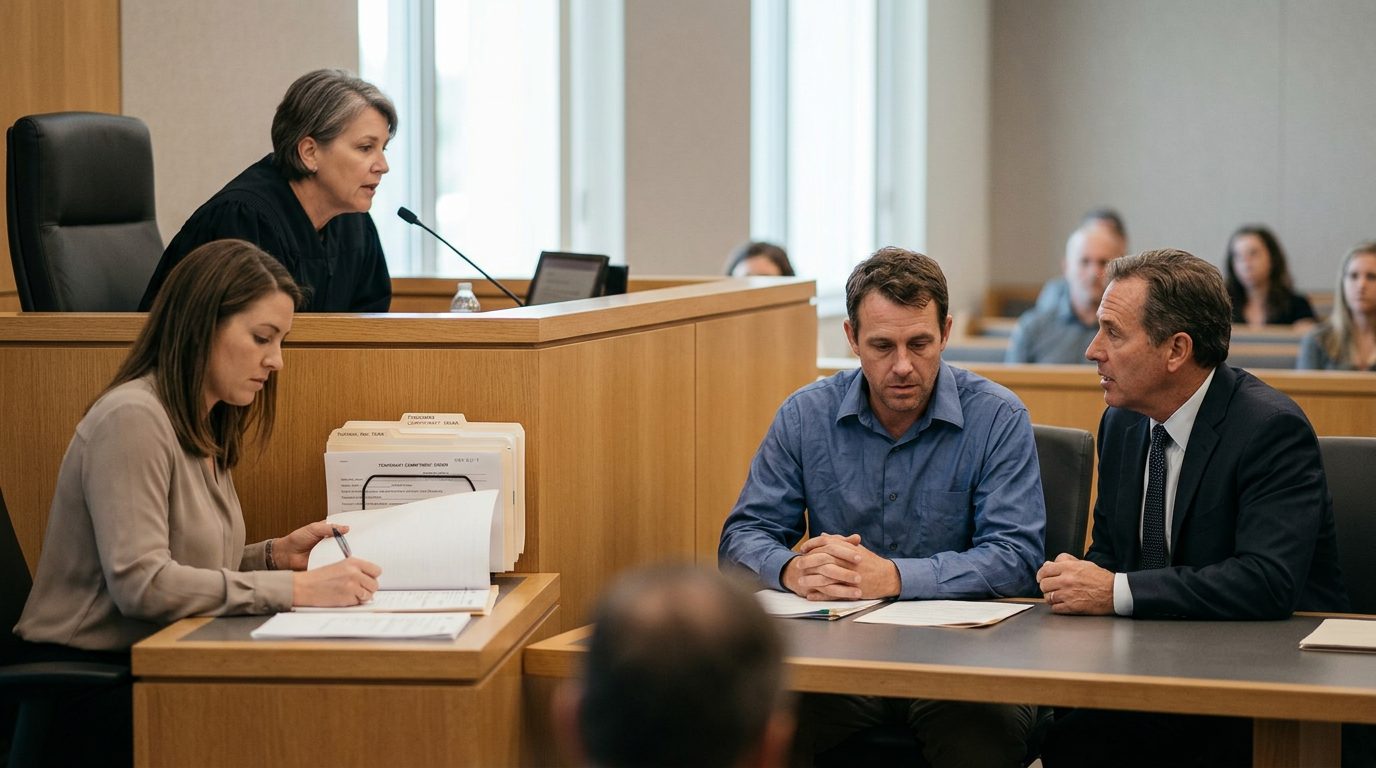
Marchman Act & Guardianship
Marchman Act vs. Voluntary Treatment in Florida
Understand when involuntary intervention may be necessary and how it differs from voluntary care options.
By Richard J. Casey III, Esq. · Published October 05, 2026
Marchman Act vs. Voluntary Addiction Treatment in Florida: When Legal Representation Matters
When someone you love is struggling with addiction, the question isn’t always whether they need help—it’s how to get them help when they won’t seek it themselves. In Florida, you have two fundamentally different paths: voluntary addiction treatment, which requires the person’s consent and cooperation, and the Marchman Act, a court-ordered involuntary commitment process for substance abuse. Understanding when each applies, and when legal representation becomes necessary, can mean the difference between a crisis managed and one that spirals.
If your loved one has refused voluntary treatment or you're unsure whether involuntary commitment is the right step, we can help you understand your options and guide you through the legal process. Talk it through with our team — the first consultation is free, confidential, and carries no obligation.

The Core Difference: Voluntary Treatment vs. Involuntary Commitment
Voluntary addiction treatment is straightforward: the person agrees to be evaluated and admitted to a program, and they retain the right to leave at any time. No court is involved. No legal petition is filed. The individual must recognize the problem and be willing to address it.
The Marchman Act is the opposite. It’s a court-ordered process that allows family members, healthcare providers, or law enforcement to petition a judge for involuntary examination when someone is abusing substances and poses a threat to themselves, others, or property. The person does not have to consent. A judge makes the decision based on evidence presented in court. The Marchman Act governs this process and protects both the petitioner’s interests and the person’s legal rights.
The choice between these two paths depends on whether the person is willing to get help, whether they’re in immediate danger, and whether voluntary efforts have already failed.
Voluntary Addiction Treatment in Florida
Voluntary treatment works when the person recognizes they have a problem and is motivated to address it. Here’s what it involves:
The person must consent to evaluation and admission. There’s no court order, no legal process, no attorney needed. The individual walks into a treatment facility, agrees to an intake evaluation, and begins the program.
They can leave at any time. With rare exceptions for immediate medical safety, a person in voluntary treatment can discharge themselves whenever they choose. This freedom is both a strength and a weakness: it keeps the door open for someone ready to change, but it offers no protection if they change their mind mid-treatment.
Insurance and payment are handled directly. The person or their family works with the treatment facility on cost, coverage, and logistics. No court involvement means no court costs, no legal fees, and no delay waiting for a judge’s order.
It works best when motivation is genuine. Voluntary treatment is most effective when the person has hit a bottom, accepted the reality of their addiction, or reached a moment of clarity. Forcing someone into voluntary treatment against their will rarely succeeds.
When voluntary treatment is an option and the person is willing, it’s usually the faster, less expensive, and less adversarial path. The problem arises when willingness is absent.
The Marchman Act: Involuntary Commitment for Addiction
When voluntary treatment fails, is refused, or isn’t safe, the Marchman Act provides a legal mechanism for court-ordered intervention. Here’s how it works:
A petition is filed in circuit court. A family member, healthcare provider, or law enforcement officer petitions the court in the county where the person lives. The petition must include specific facts showing that the person is abusing substances, has lost the power of self-control over substance use, and either needs services with impaired judgment or poses a risk of harm to themselves, others, or property.
The court reviews the petition and may issue an order for involuntary examination. If the judge finds probable cause, they issue an order. Law enforcement or emergency services then transports the person to a designated facility for evaluation.
The involuntary examination is limited to 72 hours. A mental health professional evaluates the person within that window. The evaluation determines whether the criteria for involuntary treatment are met.
If criteria are met, the court can order treatment for up to 60 days. This order is renewable. The person is required to remain in treatment, follow the treatment plan, and comply with the facility’s rules. This is not a suggestion—it’s a court order.
The person retains legal rights throughout. They have the right to legal representation, the right to contest the petition, the right to an independent evaluation, and the right to due process. The commitment is time-limited and subject to court review.
The Marchman Act is not a punishment. It’s a legal tool designed to intervene when addiction has progressed to the point where the person cannot make safe decisions for themselves.
When Voluntary Treatment Is Not an Option
Several situations signal that involuntary intervention may be necessary:
The person denies the problem or refuses to seek help. Addiction often includes denial. The person may minimize their use, blame others, or refuse to acknowledge any problem at all. Voluntary treatment requires acknowledgment; when that’s absent, legal intervention becomes relevant.
Addiction is causing immediate danger to self or others. Active use leading to overdose risk, reckless behavior, violence, or self-harm means waiting for voluntary cooperation isn’t safe.
Previous voluntary treatment attempts have failed. If the person has been to treatment before and returned to use, or if they’ve agreed to treatment and then backed out, the pattern suggests that motivation alone won’t work.
Substance abuse is escalating and family intervention has been ineffective. Talking, pleading, threatening, or staging an intervention may not move someone who is deep in addiction. At a certain point, legal authority is the only tool that will.
The person lacks capacity to make informed decisions about treatment. Severe intoxication, cognitive impairment from substance use, or mental health conditions may mean the person cannot rationally evaluate their own need for help.
In any of these situations, the Marchman Act becomes a realistic option.
Why Legal Representation Matters in a Marchman Act Case
Filing a Marchman Act petition yourself is legally possible but practically risky. Here’s why an attorney makes a difference:
The petition must meet strict legal standards. A judge won’t grant a petition based on emotion or family concern alone. The facts must clearly show substance abuse, loss of self-control, and danger or impaired judgment. An attorney knows what evidence the court requires and how to present it.
Proper documentation is critical to success. Medical records, police reports, witness statements, prior treatment records, and documented incidents of dangerous behavior all strengthen a petition. An attorney gathers and organizes this evidence so the judge sees a clear picture.
Procedural requirements must be followed exactly. The petition must be filed in the correct court, served on the correct parties, and include specific legal language. A procedural error can delay the process or cause the petition to be dismissed.
An attorney protects your family’s interests throughout. If the person contests the petition, your attorney presents your case in court. If complications arise during treatment, your attorney can address them. If the person needs continued treatment beyond the initial 60 days, your attorney handles the renewal.
Legal counsel navigates post-examination decisions. After the involuntary examination, decisions about treatment duration, facility placement, and next steps require legal guidance. An attorney ensures these decisions align with the law and your family’s goals.
Without representation, families often struggle to present their case effectively, miss procedural deadlines, or fail to gather the right evidence. The result is a denied petition and a loved one who remains untreated.
Not sure what your next step is?
Talk it through with our team — the first consultation is free, confidential, and carries no obligation.
The Marchman Act Petition Process: Step by Step
Understanding the timeline helps you prepare:
Step 1: Petition is filed in circuit court. You or your attorney file the petition in the county where the person resides. The petition includes your relationship to the person, specific facts about their substance abuse, and the danger or impaired judgment they face.
Step 2: Court reviews and issues an order (or denies the petition). The judge reviews the petition. If probable cause exists, an order for involuntary examination is issued. If not, the petition is denied and you must wait before filing again.
Step 3: Law enforcement transports the person for evaluation. Once the order is issued, law enforcement or emergency services locates the person and transports them to a designated evaluation facility.
Step 4: Mental health professional conducts examination within 72 hours. The evaluator assesses whether the person meets the legal criteria for involuntary treatment: substance abuse, loss of self-control, and either need for services with impaired judgment or risk of harm.
Step 5: Court determines whether to order treatment. Based on the examination results, the court decides whether to order involuntary treatment for up to 60 days. If ordered, the person remains in treatment. If not, they are released.
Step 6: Treatment facility manages the order and coordinates with the court. The facility provides treatment, documents progress, and reports to the court. If treatment is working, the person may be discharged early. If not, the order can be renewed.
The entire process from petition to examination typically takes a few days. The court-ordered treatment phase lasts a minimum of 60 days and can be extended.
Rights and Protections During Involuntary Commitment
The Marchman Act protects the person’s legal rights even while requiring involuntary treatment:
Right to legal representation. The person can hire an attorney or request a court-appointed one to contest the petition or represent their interests during treatment.
Right to contest the petition. A hearing is held where the person can present evidence and testimony challenging the petition. The court must find clear and convincing evidence before ordering treatment.
Right to an independent evaluation. The person can request a second evaluation from a different mental health professional.
Right to notice and hearing. The person must be informed of the petition, the charges against them, and the date and time of any court hearing. They have the opportunity to be heard.
Right to due process. The treatment facility must follow legal procedures, document the person’s treatment, and ensure they receive appropriate care.
Time-limited commitment subject to review. The initial order is for up to 60 days. It cannot be indefinite. The court can review the order, and the person can petition for early discharge if they meet criteria.
These protections exist because involuntary commitment, while sometimes necessary, is a serious restriction of liberty. The law balances the need for intervention with the person’s constitutional rights.
Voluntary Treatment vs. Marchman Act: Key Comparisons
| Factor | Voluntary Treatment | Marchman Act |
|---|---|---|
| Speed | Immediate; person enters facility same day | Requires court process; typically a few days |
| Cost | Treatment facility costs only; no legal fees | Treatment facility costs plus legal and court costs |
| Duration | Person controls length; can be brief or long | Court-ordered minimum 60 days; renewable |
| Compliance | Relies on individual motivation | Court-enforced; person must stay and comply |
| Legal involvement | None required | Attorney and judge involvement necessary |
| Person’s consent | Required | Not required |
| Right to leave | Yes, at any time | No, except through court order or early discharge |
| Best for | Person ready and willing to change | Person refusing help or in immediate danger |
How Robinson & Casey Can Help
Robinson & Casey handles Marchman Act petitions for families across South Florida and statewide. We understand that you’re facing a difficult decision—one you didn’t ask for and didn’t expect. Whether your loved one is in denial, escalating in their use, or cycling through failed treatment attempts, we can help you navigate the legal process and determine whether involuntary commitment is the right step.
We prepare and file petitions that meet all legal requirements. We gather the evidence and documentation the court needs to see. We represent your family’s interests in court proceedings. We answer your questions about the process, your rights, and your loved one’s rights. And we guide you through the decisions that come after the court order is issued.
If you’re unsure whether a Marchman Act petition is appropriate, or if you’ve already decided to pursue one and need legal guidance, we’re here to help.

Frequently Asked Questions
Do I need an attorney to file a Marchman Act petition?
You can file without an attorney, but an attorney significantly increases the likelihood that your petition will be granted and that you’ll navigate the process correctly.
How long does a Marchman Act petition take?
From filing to involuntary examination typically takes a few days. The court-ordered treatment phase lasts a minimum of 60 days and can be renewed.
Can the person refuse treatment after a Marchman Act order is issued?
No. A court order for involuntary treatment is legally binding. The person must remain in treatment and comply with the treatment plan.
What happens if voluntary treatment fails?
If the person leaves treatment early, relapses, or refuses to engage, you can file a Marchman Act petition to pursue involuntary intervention.
Can family members file a Marchman Act petition, or only law enforcement?
Family members, healthcare providers, and law enforcement can all file Marchman Act petitions.
What is the difference between the Marchman Act and the Baker Act?
The Marchman Act addresses involuntary commitment for substance abuse. The Baker Act addresses involuntary commitment for mental health crises. They are separate legal processes with different criteria.
If your loved one has refused voluntary treatment or you’re unsure whether involuntary commitment is the right step, you don’t have to navigate this decision alone. Contact Robinson & Casey to discuss your situation, understand your legal options, and learn what a Marchman Act petition would involve for your family. Call (561) 849-4149 or schedule a consultation to speak with an attorney who can answer your questions and help you move forward.
Key Differences at a Glance
Voluntary Treatment
The individual chooses to enter treatment and can leave at any time. This approach works when the person recognizes the problem and is willing to seek help.
Marchman Act Petition
A court-ordered involuntary examination and treatment process under Florida law. Used when someone refuses help despite serious substance abuse or mental health crisis, and poses a danger to themselves or others.
When Voluntary Fails
If a loved one rejects voluntary treatment, denies the problem, or abandons care, a Marchman Act petition may be the appropriate legal path to compel evaluation and stabilization.
Court Involvement
The Marchman Act requires judicial review and approval. An attorney helps ensure the petition meets legal standards and presents the strongest case to the court.
Why Legal Guidance Matters
Proper Petition Filing
The Marchman Act petition must meet strict procedural and factual requirements. An attorney ensures all documentation is complete and legally sound.
Protection of Rights
Both the petitioner and the individual in crisis have legal rights throughout the process. An attorney navigates these protections to reach the right outcome.
Speed in Crisis
When addiction or mental health crisis demands immediate action, an attorney can move quickly through the court system to obtain an involuntary examination order.
Clear Communication with Courts
Judges require clear evidence that involuntary intervention is necessary. An attorney presents your case persuasively and professionally.
When Voluntary Treatment Is Not Enough
If your loved one refuses help, minimizes the problem, or has abandoned treatment despite serious substance abuse or mental health crisis, voluntary options alone may not protect them. The Marchman Act exists for these situations—when intervention is urgent and the individual will not consent.
Types of Guardianship as an Alternative
Emergency Temporary Guardianship
Provides immediate protective authority when a person is in imminent danger due to substance abuse or mental health crisis. Obtained quickly through the court.
Plenary Guardianship
Grants broad decision-making authority over personal, medical, and financial matters. Used when the individual cannot manage their own affairs.
Limited Guardianship
Restricts guardianship authority to specific areas—such as medical decisions or addiction treatment—while preserving the individual's autonomy in other matters.
Mental Health Guardianship
Focuses specifically on mental health and psychiatric treatment decisions. Allows a guardian to authorize necessary mental health interventions.