
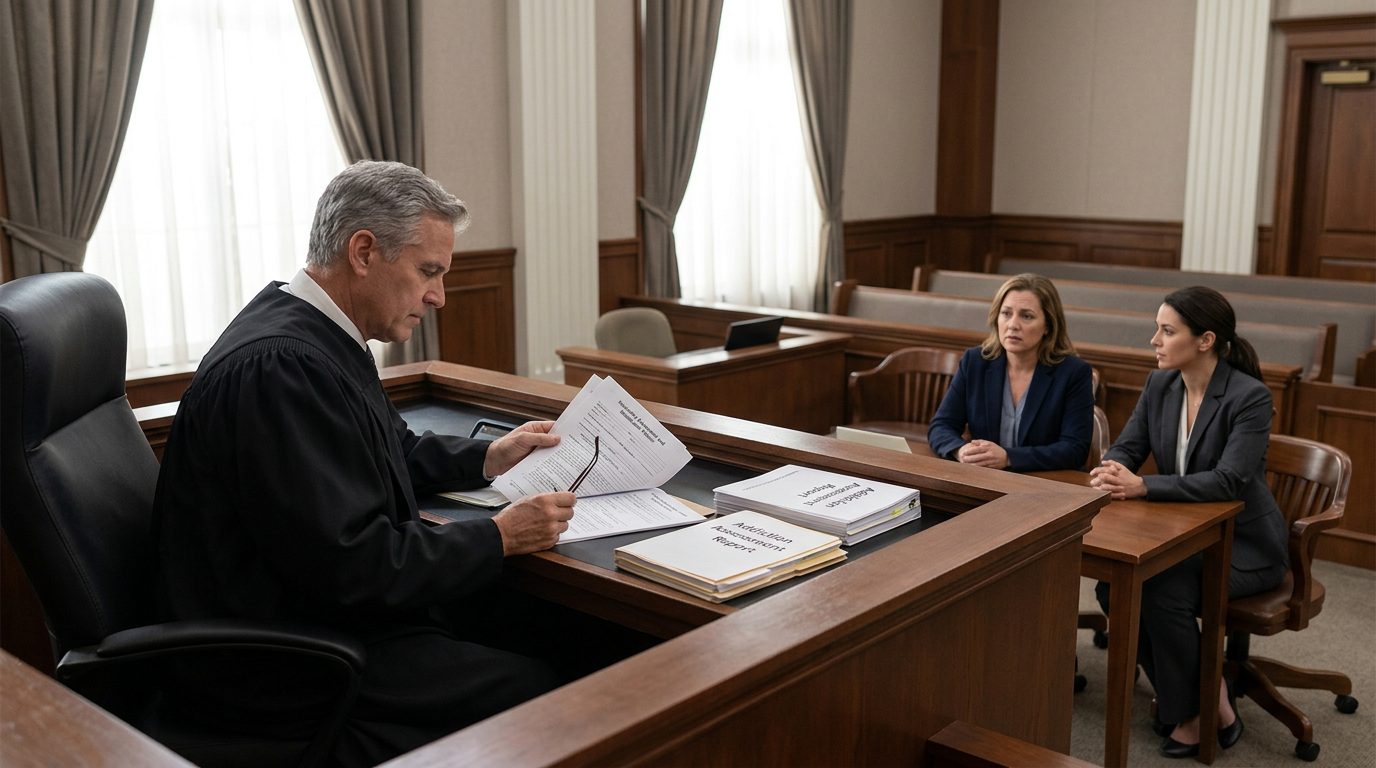
Marchman Act Attorney
Legal Help for Addiction and Mental Health Crises in South Florida
Robinson & Casey handles Marchman Act petitions and involuntary commitment cases. When a loved one needs immediate intervention, we guide families through the court process.
By Richard J. Casey III, Esq. · Published September 24, 2026
Marchman Act Lawyer: South Florida & Statewide Representation
A Marchman Act petition is a court filing that allows family members, caregivers, and healthcare providers to seek involuntary assessment and treatment for someone struggling with substance abuse who refuses voluntary care. Robinson & Casey files these petitions across South Florida and throughout Florida, guiding families through the legal process from initial consultation to court order and treatment coordination.

If you decide to move forward, we draft the petition and ask you to provide supporting details. Talk it through with our team — the first consultation is free, confidential, and carries no obligation.
What Is a Marchman Act Petition?
The Marchman Act is a Florida statute that enables involuntary intervention when someone with a substance use disorder poses a risk to themselves or others and won’t accept help on their own.
Under Florida Statute Chapter 397, family members, caregivers, healthcare providers, and law enforcement can petition a court for an emergency evaluation and inpatient treatment. The court holds a hearing—typically within 5 business days of filing—and decides whether to order the person into assessment and treatment. This is different from the Baker Act, which addresses mental health crises, not substance abuse.
The Marchman Act recognizes that addiction is a chronic brain disorder and that involuntary treatment can be appropriate when someone refuses voluntary care and their substance use creates imminent danger.
Who This Service Is For
You may need a Marchman Act attorney if:
- You’re a family member watching a loved one spiral into addiction and refusing treatment
- You’re a caregiver seeking legal intervention when voluntary options have failed
- You live in South Florida or anywhere in Florida and need statewide representation
- Your situation is urgent and you need court action quickly
- You’re unsure whether a Marchman Act petition is the right step and want clear legal guidance
This service is for people in crisis—those who’ve exhausted other options and need the court’s authority to get their loved one into treatment.
What a Marchman Act Petition Covers
When you hire Robinson & Casey to file a Marchman Act petition, we handle:
- Petition drafting: We prepare the formal court document on your behalf, ensuring it meets all legal requirements
- Evidence gathering: We organize details about the person’s substance use, behavior, incidents, and any risk factors
- Affidavit preparation: We help you and other witnesses create sworn statements supporting the petition
- Court filing: We file the petition in the appropriate county court
- Emergency hearing representation: We appear at the initial hearing and present your case to the judge
- Advocacy for immediate action: If needed, we request emergency temporary custody while the court processes the full petition
- Treatment coordination: We work with treatment facilities and medical professionals to ensure smooth implementation
- Full case guidance: We keep you informed and answer questions at every stage
If you decide to move forward, we can often begin filing within days. Talk it through with our team — the first consultation is free, confidential, and carries no obligation.
How the Marchman Act Process Works
Understanding the timeline and steps helps you prepare and know what to expect.
Step 1: Initial Consultation
You call us and describe your loved one’s situation—their substance use, any incidents, whether they’ve refused treatment, and what you’ve already tried. We listen, ask clarifying questions, and assess whether a Marchman Act petition is appropriate and likely to succeed. This usually takes 20–30 minutes.
Step 2: Petition Preparation
If you decide to move forward, we draft the petition and ask you to provide supporting details. We gather affidavits (sworn statements) from you and anyone else with direct knowledge of the person’s substance abuse and behavior. We organize evidence—text messages, incident reports, medical records, or witness accounts—that show the person’s addiction and the risk they pose.
Step 3: Filing
We file the petition with the court in the county where the person lives or is currently located. The court clerk assigns a case number and schedules the emergency hearing.
Step 4: Emergency Hearing
Within 5 business days of filing (though timelines vary by county and court availability), you and the person appear before a judge. We present the petition, call you to testify, and may call other witnesses. The person has the right to respond and may have their own attorney. The judge decides whether to order an evaluation and treatment.
Step 5: Court Decision
If the judge grants the petition, they issue an order requiring the person to submit to assessment and treatment. If denied, we discuss next steps and whether to refile or pursue other options.
Step 6: Implementation
If the order is granted, law enforcement typically transports the person to a designated treatment facility for evaluation. Treatment begins, and we help ensure compliance with the court’s orders.
Timeline: From your initial call to the emergency hearing, plan for 5–10 business days. Court availability and how quickly you can gather evidence affect the exact timeline.
What to Expect at Each Stage
Before Filing
We explain the Marchman Act process, what the court will consider, and what you’ll need to prove. We answer your questions honestly—including what might happen if the judge denies the petition. We make sure you understand the commitment involved and are ready to move forward.
During Preparation
You’ll provide details about the person’s substance use history, any overdoses or medical emergencies, behavioral changes, and incidents that show they’re a danger to themselves or others. We handle all legal documentation so you don’t have to worry about form or procedure.
At the Hearing
You may be called to testify about what you’ve witnessed. We present the case to the judge. The person has the right to respond, and the judge may ask questions. The hearing is formal but not adversarial in the way a criminal trial is—the focus is on the person’s safety and whether treatment is necessary.
After the Order
If the judge orders treatment, we help coordinate with the treatment facility and law enforcement to ensure the person is transported and admitted smoothly. We keep you informed about next steps and any ongoing court requirements.
Communication
We stay in touch throughout the process. You can reach us with questions, and we update you on progress and deadlines.
Why Families Choose Robinson & Casey
Focused Practice
We handle Marchman Act petitions and guardianship matters exclusively. This is all we do. We don’t juggle these cases alongside personal injury, real estate, or criminal defense. That focus means we know the courts, the judges, the treatment facilities, and the law inside out.
Years of Experience
We’ve filed petitions across South Florida and statewide—in Miami-Dade, Broward, Palm Beach, and beyond. We’ve worked with families in every kind of addiction crisis and know what works.
Statewide Service
Whether you’re in Miami, Tampa, Jacksonville, or anywhere in Florida, we represent you. You don’t have to hunt for a local attorney; we handle your case.
Urgent Response
We understand these situations are emergencies. We prioritize rapid scheduling and can often begin filing within days of your call.
Transparency
We explain the process plainly. No legal jargon. No surprises. You’ll know what to expect and what your role is at every step.
Advocacy in Court
We represent your interests and your loved one’s best interests. We present the strongest case possible and advocate for the court’s intervention when it’s warranted.
Common Questions About Marchman Act Petitions
Can I file a Marchman Act petition myself?
You can, but the process is complex. An attorney ensures proper filing, complete evidence, and effective court representation—which significantly improves the likelihood of success.
How much does a Marchman Act petition cost?
Costs vary depending on the complexity of your case and the work involved. We discuss fees clearly during your consultation and explain what’s included.
What if the person refuses to go to treatment after the court order?
Law enforcement can enforce the order. We guide you through the next steps and help ensure compliance.
Is a Marchman Act petition the same as a Baker Act?
No. The Marchman Act addresses substance abuse, while the Baker Act is for mental health crises. The petitioning process and legal standards are different.
How long does treatment last after a Marchman Act order?
The court typically orders an initial evaluation (usually 5 days). The evaluation determines whether longer inpatient treatment is necessary. Treatment duration depends on the evaluation results and the person’s progress.
Can I file if I’m not a family member?
Yes. Healthcare providers, law enforcement, and others can file. We discuss your legal standing during the consultation.
What happens if the judge denies the petition?
We review the reasons for denial and discuss whether to refile, gather additional evidence, or pursue other legal remedies like guardianship.
Not sure what your next step is?
Talk it through with our team — the first consultation is free, confidential, and carries no obligation.
Our Credentials and Experience
Robinson & Casey has focused exclusively on Marchman Act petitions and guardianship matters for years. Our attorneys are licensed in Florida and maintain active practices in these areas. We stay current with Florida Statute Chapter 397 and case law affecting Marchman Act proceedings. We work regularly with treatment facilities, courts, and law enforcement across South Florida and statewide to ensure smooth implementation of court orders.

Next Steps: Schedule Your Consultation
If you’re facing a situation where a loved one is struggling with substance abuse and refusing treatment, contact us today.
Call (561) 849-4149 to speak with an attorney about your situation. During the call, we’ll ask about the person’s substance use, any incidents, and your concerns. We’ll explain the Marchman Act process, timeline, and next steps. If you decide to move forward, we can often begin filing within days.
If you’re watching a loved one refuse treatment for substance abuse and you’re unsure whether legal intervention is possible, reach out—families in your situation contact us regularly.
How We Help
Marchman Act Petitions
We prepare and file petitions for involuntary commitment related to substance abuse, handling the legal requirements and court representation to seek treatment orders.
Emergency & Temporary Guardianship
When immediate action is needed, we pursue emergency temporary guardianship to protect a vulnerable person's welfare and make urgent decisions on their behalf.
Plenary & Limited Guardianship
We establish ongoing guardianship arrangements—full or limited in scope—to provide long-term care and decision-making authority for those unable to manage their affairs.
Mental Health & Addiction Cases
Our practice focuses on cases involving mental health crises and substance abuse, including the legal pathways to court-ordered treatment and care.
Time Matters in Crisis Situations
Marchman Act petitions and emergency guardianship cases move quickly through the courts. Delays can affect your ability to help a loved one in crisis. Early legal guidance improves the strength of your case.
What to Expect
Initial Consultation
We listen to your situation, explain the legal options available—Marchman Act, guardianship, or both—and discuss the process and costs involved.
Petition Preparation
We gather evidence, complete all required forms, and ensure your petition meets court standards for the strongest possible presentation.
Court Representation
We represent you at hearings, present your case to the judge, and handle all procedural steps through resolution.
Ongoing Support
For guardianship cases, we provide guidance on your duties and help with any modifications needed as circumstances change.
Common Questions
Can I file a Marchman Act petition myself?
You can, but the process is complex. An attorney ensures proper filing, complete evidence, and effective court representation—which significantly improves the likelihood of success.
What's the difference between a Marchman Act petition and guardianship?
A Marchman Act petition seeks court-ordered treatment for substance abuse. Guardianship establishes legal authority to make decisions for someone unable to care for themselves—often used for mental health, aging, or incapacity matters.
How much does this cost?
Costs vary depending on the complexity of your case and the work involved. We discuss fees clearly at your consultation so you understand what to expect.
How long does the process take?
Emergency temporary guardianship can move quickly—sometimes within days. Marchman Act hearings typically occur within weeks. Plenary guardianship and ongoing cases vary based on court schedules and case specifics.