
Marchman Act & Guardianship
Understanding Your Rights & Protections Under Florida's Marchman Act
When a loved one struggles with addiction, Florida law provides pathways to intervention. Learn what the Marchman Act means for your family and how the process protects everyone involved.
By Richard J. Casey III, Esq. · Published October 01, 2026
What Rights Do People Have Under the Marchman Act?
The Marchman Act gives individuals subject to involuntary assessment or treatment petitions specific legal protections: the right to notice, a hearing before a judge, legal representation, the chance to present evidence, and the ability to appeal. Florida law balances the state’s interest in addressing substance use disorders with due process rights that protect individual liberty and ensure fair proceedings.

Not sure what your next step is?
Talk it through with our team — the first consultation is free, confidential, and carries no obligation.
Overview: Rights Under Florida’s Marchman Act
Florida Statutes Chapter 397 establishes a civil procedure for involuntary assessment and treatment of substance use disorders. The statute creates specific rights and protections for individuals subject to petitions, balancing public health intervention with due process. Understanding these rights is essential whether you’re considering filing a petition or you may be subject to one.
The Marchman Act doesn’t strip away a person’s legal protections just because they’re struggling with addiction. Instead, it creates a framework where intervention is possible—but only when the law’s strict conditions are met and the person’s rights are honored throughout the process.
Right to Notice and Hearing
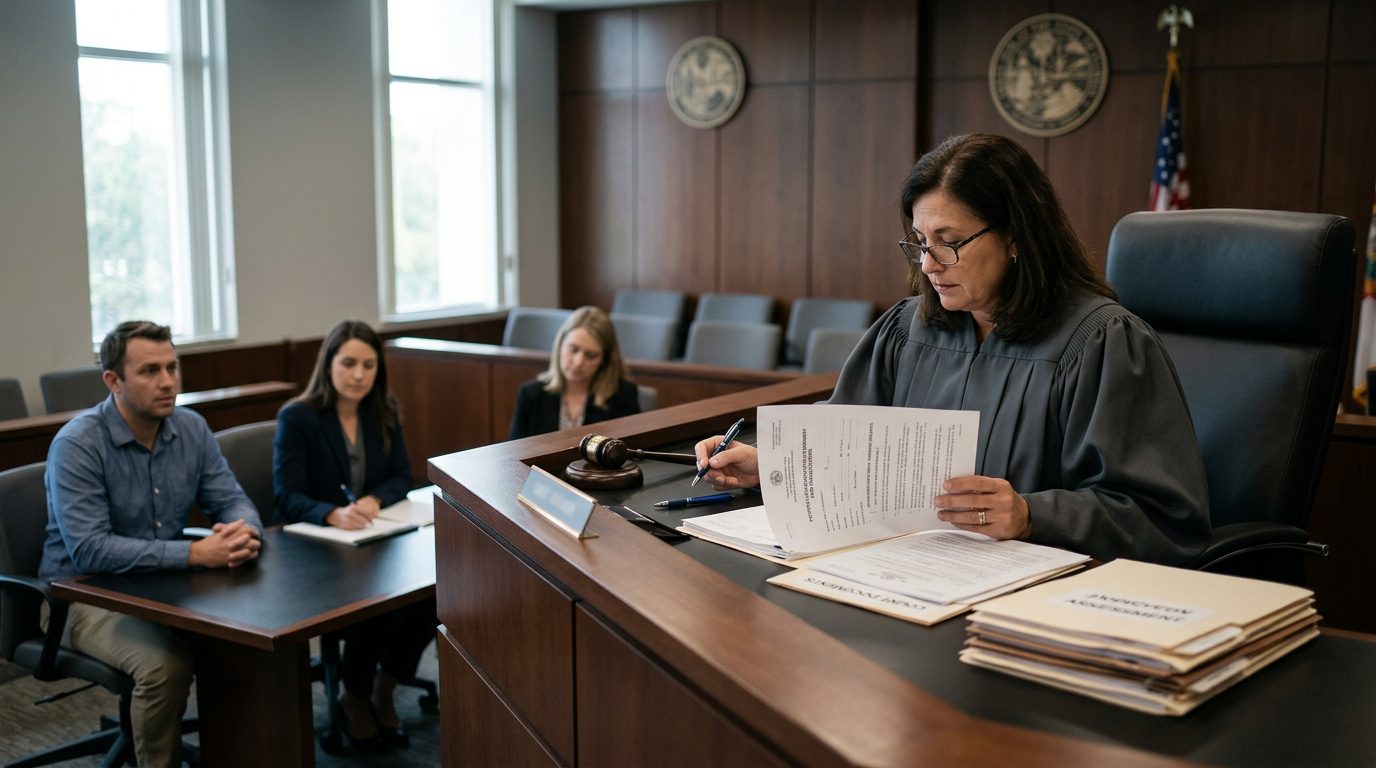
A person subject to a Marchman Act petition must receive written notice of the petition and the specific grounds for it. The individual has the right to a hearing before a judge before an involuntary assessment or treatment order can be entered.
In emergency situations, a temporary order can be issued without a full hearing to protect the person’s immediate safety. However, a complete hearing must follow within a specified timeframe—typically within a few days. This ensures that even in urgent circumstances, the person gets their day in court.
The hearing itself is where the petitioner must prove their case. The judge listens to both sides, reviews evidence, and decides whether the legal standard has been met.
Right to Legal Representation
A person has the right to be represented by an attorney at every stage of the Marchman Act process. If you cannot afford an attorney, the court may appoint one at public expense.
An attorney can challenge the petition, cross-examine the petitioner’s witnesses, present evidence on your behalf, and argue why involuntary assessment or treatment isn’t necessary or isn’t legally justified. Having a lawyer levels the playing field—it ensures your side is heard by someone who knows the law and the process.
Right to Present Evidence and Witnesses
You have the right to present evidence, call witnesses, and cross-examine the petitioner’s witnesses at your hearing. Medical and mental health records can be introduced, and you can obtain independent evaluations to support your position.
The burden of proof rests with the petitioner. They must demonstrate by clear and convincing evidence—a high legal standard—that involuntary assessment or treatment is necessary. This isn’t a “more likely than not” standard; it’s a stricter requirement that protects against casual or unfounded petitions.
Right to Refuse Voluntary Treatment
A person cannot be forced into treatment simply because they have a substance use disorder. The Marchman Act requires a specific finding: that the person is unable to manage personal care or poses a threat to themselves or others.
Refusal to accept treatment alone does not automatically result in involuntary commitment. The petitioner must show that the person meets the legal criteria—not just that they need help or that their family is worried.
Have questions about what happened?
Ask our team directly. The first conversation is free, confidential, and there is no obligation to continue.
Right to Appeal
An individual can appeal a Marchman Act order to a higher court. Appeals can challenge whether the evidence actually supported the judge’s decision or whether proper procedures were followed.
The appeal process allows for review of the court’s findings and the legal basis for the order. If procedural errors occurred or if the evidence didn’t meet the legal standard, an appellate court can overturn or modify the order.
Right to Periodic Review
If an involuntary treatment order is entered, the person has the right to periodic review by the court. The court must examine whether continued involuntary treatment remains necessary.
The individual can petition for modification or termination of the order if circumstances change. You’re not locked into an order indefinitely; the law recognizes that situations evolve and requires the court to reassess.
Right to Confidentiality and Privacy
Records related to a Marchman Act petition and substance use treatment are protected by Florida law and federal confidentiality rules. Information about substance use treatment is sensitive and subject to specific privacy protections.
The person has rights regarding who can access their medical and legal records. These protections help prevent stigma and unauthorized disclosure of deeply personal health information.
Right to Humane Treatment
During any emergency admission or involuntary assessment, the individual must be treated humanely and with dignity. Facilities must follow standards for safe, appropriate care.
Unnecessary restraint or isolation is prohibited. The law recognizes that even when someone is involuntarily admitted, they retain their basic human rights and must be treated respectfully.
Why These Rights Matter
The National Institute on Drug Abuse recognizes addiction as a disease affecting brain function and decision-making. This medical reality is part of why the Marchman Act exists—but it’s also why the law includes robust due process protections.
These rights exist to balance the state’s interest in addressing substance use disorders with individual liberty and procedural fairness. They ensure that when the state intervenes in someone’s life—even for health reasons—it does so fairly, transparently, and with proper legal safeguards.

Want to know where you stand?
Tell us what happened and our team will walk you through the options available to you, at no cost.
Frequently Asked Questions
Can someone be forced into treatment under the Marchman Act without a hearing?
Emergency temporary orders can be issued without a full hearing in urgent situations, but a complete hearing must follow within days, where the person can contest the order.
What does “clear and convincing evidence” mean in a Marchman Act case?
It means the petitioner must prove their case to a high standard—more than “probably true,” but not requiring absolute certainty—that involuntary assessment or treatment is legally necessary.
Do I have the right to an attorney if I can’t afford one?
Yes, the court may appoint an attorney at public expense if you cannot afford to hire one.
Can a Marchman Act order be appealed?
Yes, you can appeal to a higher court if you believe the evidence didn’t support the judge’s decision or if proper procedures weren’t followed.
What happens if I refuse to comply with a Marchman Act order?
Violation of an order can result in legal consequences, but the specific outcomes depend on the circumstances and the court’s discretion.
If you’re researching the Marchman Act because someone you care about is struggling with addiction, or if you’re facing a petition yourself, the process can feel overwhelming. Families and individuals in your situation reach out regularly to understand their rights and options. Contact us to discuss what the Marchman Act means in your specific circumstances—we’re here to help you navigate it.
Emergency Situations Don't Wait
If someone is in immediate danger due to substance abuse, an emergency temporary order can be filed without a full hearing. A complete hearing must follow within days, where the person has the right to contest the order and present their side.
Key Protections in the Marchman Act Process
Right to a Hearing
The person subject to a petition has the right to a full hearing where they can present evidence and contest the allegations before any involuntary commitment order is entered.
Clear and Convincing Evidence Standard
Petitioners must prove their case by clear and convincing evidence—a high legal standard—showing that the person's substance abuse poses a real threat to their health, safety, or welfare.
Due Process & Legal Representation
The person has the right to be represented by an attorney, to know the charges against them, and to have adequate time to prepare a defense before the hearing.
Limited Duration of Orders
Initial involuntary commitment orders are time-limited. Extensions require another petition and hearing, ensuring the order remains necessary and proportionate.
How Robinson & Casey Protects Your Rights
Focused on Marchman Act & Guardianship Matters
We handle Marchman Act petitions, emergency temporary guardianship, plenary guardianship, limited guardianship, mental health guardianship, and involuntary commitment cases across South Florida and statewide.
Thorough Case Preparation
We gather the evidence needed to meet the legal standard, prepare witnesses, and ensure your petition is properly filed and presented to the court.
Clear Guidance on the Process
We explain each step—from filing through hearing to any follow-up proceedings—so you understand what to expect and what your rights are at every stage.
Available for Urgent Situations
Addiction crises don't follow business hours. We're ready to help when you need immediate intervention and emergency temporary orders.