
Mental Health Guardianship
Emergency Mental Health Guardianship in Florida
When a loved one faces a mental health crisis, swift legal action protects their wellbeing and ensures proper care decisions. Robinson & Casey handles emergency guardianship petitions across Florida.
By Richard J. Casey III, Esq. · Published September 17, 2026
Emergency Mental Health Guardianship in Florida: Immediate Legal Protection in Crisis
When an adult’s mental illness makes them unable to make safe decisions about their own care or treatment, emergency mental health guardianship in Florida gives you legal authority to step in immediately and authorize the medical and personal decisions they cannot make themselves.
Emergency mental health guardianship is a court-ordered arrangement that grants a guardian immediate authority to make psychiatric, medical, and personal decisions for an adult who cannot do so safely due to mental illness. It’s governed by Florida Statutes Chapter 744, which establishes the legal framework for all guardianship proceedings in Florida, and it moves faster than standard guardianship because it’s designed for acute crisis situations.
This is different from involuntary hospitalization (sometimes called a Baker Act commitment). Hospitalization is temporary medical detention—usually 72 hours. Guardianship is a longer-term legal arrangement that grants you decision-making authority. They often work together, but they serve different purposes.

Not sure what your next step is?
Talk it through with our team — the first consultation is free, confidential, and carries no obligation.
What Is Emergency Mental Health Guardianship?
Emergency mental health guardianship is a court-ordered legal arrangement that gives a guardian immediate authority to make medical, psychiatric, and personal decisions for an adult who cannot safely make those decisions due to mental illness.
The key distinction is speed and scope. Standard guardianship typically takes 30–60 days. Emergency guardianship, governed under Fla. Stat. § 744.331, can move in as little as 5–14 days in acute crisis situations. The scope is also narrower—it focuses on mental health treatment, psychiatric care, and personal safety, not necessarily all financial or legal affairs.
Emergency mental health guardianship applies when:
- An adult shows signs of psychiatric emergency, acute psychosis, or severe mental illness
- The person refuses psychiatric treatment or medication despite clear medical need
- They pose a risk to themselves or others due to untreated mental illness
- They cannot communicate, make decisions, or care for basic needs (food, shelter, hygiene, safety)
- Involuntary hospitalization alone is insufficient or temporary
- Family members or caregivers cannot authorize medical treatment without a court order
Who Needs Emergency Mental Health Guardianship?
You may need emergency mental health guardianship if an adult in your care has a diagnosed or apparent mental illness and cannot safely make decisions about their own treatment or care.
Common situations include:
- An adult refusing psychiatric evaluation or medication despite clear symptoms of psychosis, severe depression, or bipolar disorder
- Someone in acute suicidal crisis or expressing intent to harm themselves
- A person unable to meet basic needs (hygiene, nutrition, shelter) due to mental illness
- Situations where involuntary hospitalization has ended but the person still cannot manage their own affairs
- An adult whose mental illness prevents them from communicating or understanding the need for treatment
The person doesn’t have to agree. Guardianship is a court process; consent is not required. The court decides based on evidence of incapacity.
What Emergency Mental Health Guardianship Covers
Emergency mental health guardianship grants authority over specific decisions defined in the court order.
Typically, the guardian’s powers include:
- Psychiatric evaluation and diagnosis: Authority to require medical and psychiatric evaluations
- Medication and treatment: Power to consent to psychiatric medication, therapy, and other treatments the person refuses
- Hospitalization: Authority to authorize psychiatric hospitalization or inpatient treatment
- Medical records access: Right to obtain and review mental health and medical records
- Residential placement: Ability to decide where the person lives (home, assisted living, group home, treatment facility)
- Personal care: Authority over day-to-day decisions about hygiene, nutrition, clothing, and safety
- Care-related finances: In some cases, power to manage money spent on medical care and living expenses
What it does NOT cover: The guardianship order defines the scope. Authority outside that scope—such as voting, marriage, or unrelated financial matters—is not automatically granted. The court order is specific, and the guardian must stay within its boundaries.
How Emergency Mental Health Guardianship Works: Step-by-Step
The process moves quickly in crisis situations, but it follows a defined legal path.
Step 1 – Petition Filing
You (or another interested party) file a guardianship petition with the court. The petition must include:
- Basic information about the person (called the “respondent”)
- Description of the mental health crisis and current symptoms
- Medical evidence of incapacity (psychiatric records, physician statements, recent evaluations)
- Explanation of why guardianship is necessary
- Your relationship to the respondent and why you should be guardian
Step 2 – Physician Evaluation
Fla. Stat. § 744.331 requires a physician evaluation in all guardianship cases. The court orders an evaluation by a physician (often a psychiatrist) who documents the respondent’s mental illness and inability to manage their own affairs. This evaluation is mandatory and critical to the petition’s success.
Step 3 – Emergency Hearing (if applicable)
In urgent cases, the court may hold an expedited hearing within days rather than weeks. You’ll present evidence of the mental health crisis, the physician’s evaluation, and why immediate guardianship is necessary.
Step 4 – Court Order
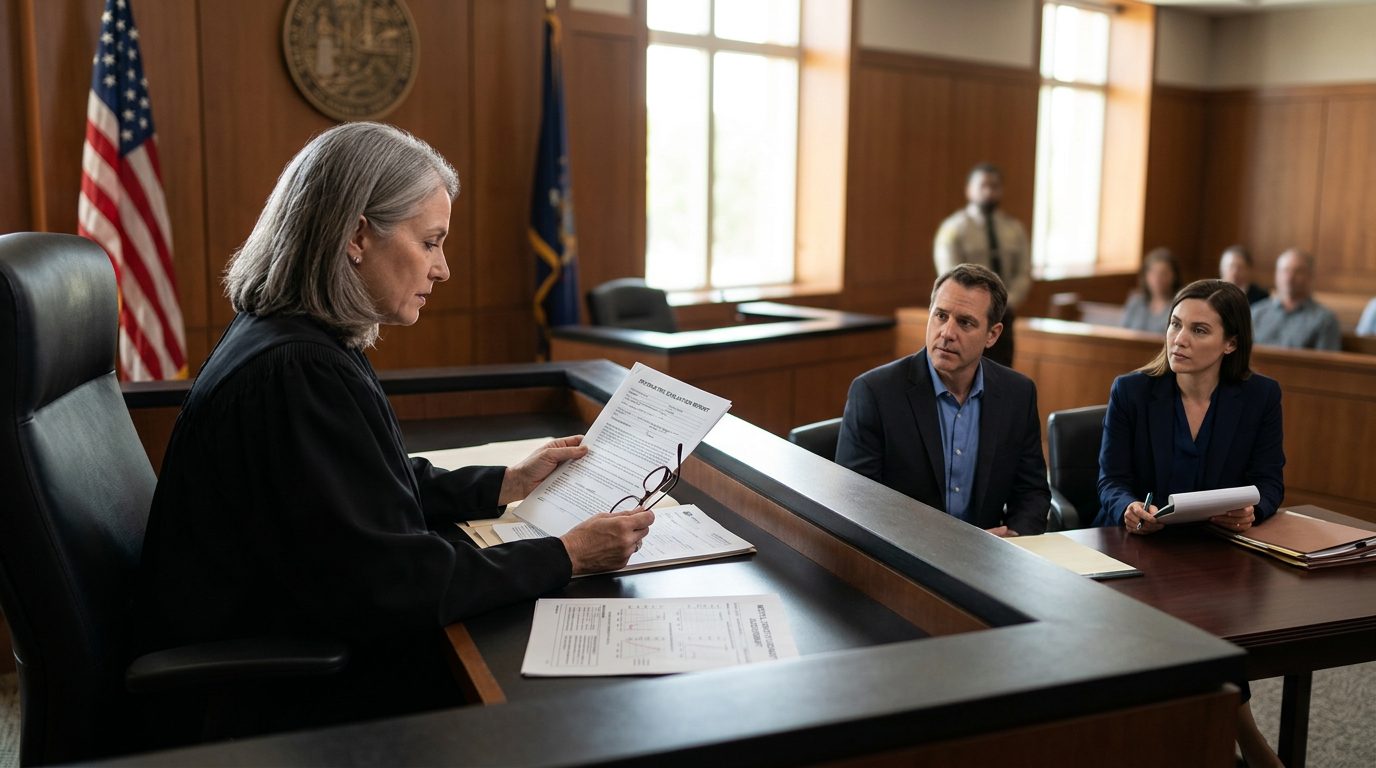
The judge reviews the evidence and decides whether the respondent lacks capacity due to mental illness. If the evidence supports guardianship, the judge issues an order. The order becomes effective immediately.
Step 5 – Guardian Authority
Once appointed, you assume decision-making authority. You can immediately authorize psychiatric treatment, hospitalization, medication, or placement. You’ll receive documentation of your authority (usually a certified copy of the order) to present to hospitals, doctors, and care facilities.
Step 6 – Ongoing Compliance
Guardians must file annual reports with the court documenting the respondent’s condition, decisions made, and any changes in circumstances. You must maintain records and comply with guardianship law. The court provides oversight to ensure the respondent’s rights are protected.
Have questions about what happened?
Ask our team directly. The first conversation is free, confidential, and there is no obligation to continue.
Timeline: How Fast Can Emergency Guardianship Be Obtained?
The timeline depends on the urgency and completeness of your petition.
- Standard guardianship: 30–60 days from filing to court order
- Emergency/expedited guardianship: 5–14 days in acute crisis situations
- Temporary guardianship (if available in your county): May be granted within 24–48 hours pending a full hearing
- Factors affecting speed: Completeness of the petition, availability of physician evaluation, court docket, whether the respondent contests the petition
Robinson & Casey handles filing, evidence gathering, and court coordination to move the process as quickly as possible. We understand that mental health crises don’t wait, and we structure our intake to prioritize urgent cases.
Why Robinson & Casey for Emergency Mental Health Guardianship
Focused Practice
Guardianship and Marchman Act petitions are our sole practice areas. This isn’t a side service we offer alongside divorce or real estate work. We focus exclusively on guardianship law, which means deeper knowledge of Florida procedure, court relationships, and the medical-legal coordination these cases require.
Statewide and South Florida Coverage
We serve families across Florida, with deep familiarity with Miami-Dade, Broward, and Palm Beach county court procedures. We know the local judges, court staff, and guardianship evaluators. That familiarity matters when you need speed.
Crisis-Ready Intake
We understand the urgency of mental health emergencies. Our intake process is structured to move quickly—we gather information efficiently, prioritize urgent cases, and file petitions without delay.
Medical-Legal Coordination
We work with physicians, psychiatrists, and treatment facilities to gather the medical evidence required for your petition. We know what evaluators and judges need to see, and we help ensure the evidence is complete and persuasive.
Compliance and Ongoing Support
After the guardianship order is issued, we help you understand your duties as guardian, including annual reporting requirements and compliance with court orders. Guardianship doesn’t end at the court hearing—it requires ongoing attention.
Frequently Asked Questions
Q: Is emergency mental health guardianship the same as involuntary commitment?
No. Involuntary hospitalization (Baker Act) is temporary medical detention, usually 72 hours. Guardianship is a longer-term legal arrangement that grants decision-making authority. They often work together but serve different purposes.
Q: Can I get emergency guardianship without the person’s consent?
Yes. Guardianship is a court process; consent is not required. The court decides based on evidence of incapacity.
Q: How much does emergency mental health guardianship cost?
Court filing fees, physician evaluation fees, and attorney fees vary. Robinson & Casey will discuss costs during your consultation.
Q: What happens after the guardianship order is issued?
You assume decision-making authority immediately. You must file annual accountings and reports with the court and comply with guardianship laws.
Q: Can emergency guardianship be terminated or modified?
Yes. The respondent, family members, or the court can petition to modify or terminate guardianship if circumstances change.
Q: Do I need a lawyer to file for guardianship?
While not legally required, an attorney is strongly recommended. Guardianship petitions involve complex legal and medical evidence; errors can delay the process or result in dismissal.
What to Expect When You Contact Robinson & Casey
Initial Consultation
We discuss the mental health crisis, the person’s current situation, and what immediate legal protection is needed. We listen to your concerns and explain your options clearly.
Information Gathering
We collect medical records, psychiatric evaluations, and details about the person’s condition and behavior. We coordinate with physicians and treatment providers as needed.
Petition Preparation
We draft and file the guardianship petition with all required evidence and supporting documents. We ensure the petition is complete and persuasive.
Court Coordination
We manage scheduling, physician evaluations, and court filings to expedite the process. We handle the administrative work so you can focus on the person’s immediate care.
Representation
We appear in court on your behalf and present evidence to the judge. We advocate for the guardianship order you need.
Post-Order Support
We provide guidance on guardian duties, reporting requirements, and ongoing compliance. We’re available to answer questions as circumstances change.

Want to know where you stand?
Tell us what happened and our team will walk you through the options available to you, at no cost.
Common Concerns About Emergency Mental Health Guardianship
“Will this harm my relationship with the person?”
Guardianship is a legal tool to protect someone in crisis. Many families find it relieves conflict and enables care. It doesn’t require the person to like or approve the arrangement—it requires a court order based on evidence of incapacity.
“Is guardianship permanent?”
No. Guardianship can be modified or terminated if the person’s condition improves or circumstances change. Either the guardian, the respondent, or an interested party can petition the court for modification or termination.
“What if the person contests it?”
The court will consider their objections. However, the judge’s decision is based on evidence of incapacity, not consent. If the evidence supports guardianship, the court will likely issue the order.
“How much oversight is required?”
Guardians must file annual reports and comply with court orders. Day-to-day decision-making is the guardian’s responsibility, but the court provides oversight to ensure the respondent’s rights are protected.
If you’re facing a mental health crisis where someone can’t make safe decisions and needs immediate care authority, families in your situation can reach out to us. Call (561) 849-4700 to discuss your circumstances with our guardianship team, or schedule a consultation online.
Emergency Guardianship vs. Involuntary Hospitalization
Involuntary commitment (Baker Act) is temporary medical detention, typically 72 hours. Emergency mental health guardianship is a longer-term legal arrangement that grants decision-making authority over the person's care, finances, and medical choices. They often work together but serve different purposes.
Types of Mental Health Guardianship
Emergency Temporary Guardianship
Immediate court-ordered protection when a person poses a danger to themselves or others due to mental illness. Designed for urgent situations requiring fast legal intervention.
Plenary Guardianship
Full decision-making authority over the ward's person and estate. The guardian manages all significant life choices, medical care, and financial matters.
Limited Guardianship
Targeted authority over specific areas—such as medical decisions or financial management—while preserving the person's autonomy in other matters.
Mental Health Guardianship
Focused guardianship authority specifically for mental health treatment decisions, psychiatric care, and medication management when the person cannot consent.
Why Robinson & Casey for Emergency Mental Health Guardianship
Focused Practice
We focus exclusively on Marchman Act petitions and guardianship matters. This concentrated practice means we understand the nuances of Florida guardianship law and mental health statutes.
Rapid Response
Mental health crises demand speed. We prioritize emergency guardianship petitions to move through the courts quickly and protect your loved one when time is critical.
Comprehensive Filings
We prepare all required petitions, affidavits, and court documents with precision. Proper paperwork is essential for courts to grant emergency authority.
Statewide Service
Whether you're in Miami-Dade, South Florida, or elsewhere in Florida, we serve families across the state in mental health guardianship matters.
Family-Centered Approach
We recognize the emotional weight of these decisions. Our role is to guide you through the legal process and protect your loved one's interests.
Direct Access
Reach us by phone at (561) 849-4700 to discuss your emergency situation and get immediate guidance on next steps.
Common Questions About Emergency Mental Health Guardianship
Can I obtain emergency guardianship without the person's consent?
Yes. Emergency mental health guardianship is granted by court order when a person lacks the capacity to consent and poses a danger to themselves or others. The court evaluates medical and psychiatric evidence to determine if guardianship is necessary.
How long does emergency guardianship last?
Emergency temporary guardianship is typically short-term, often 60 days or less, pending a full guardianship hearing. Plenary or limited guardianship can extend longer depending on the person's condition and court orders.
What does a mental health guardian decide?
A mental health guardian may authorize psychiatric treatment, medication, hospitalization, therapy, and other mental health care. The scope depends on whether the guardianship is plenary, limited, or mental-health-specific.
What is the first step in seeking emergency guardianship?
Contact an attorney to evaluate the situation, gather medical documentation, and file an emergency petition with the court. The sooner you begin, the sooner the court can act to protect your loved one.
Protect Your Loved One—Contact Robinson & Casey Today
Related practice areas
- Mental Health Guardianship in Florida: Complete Guide for Families