
Guardianship in Florida
Getting Guardianship of a Mentally Ill Person in Florida
Navigate the legal process with Robinson & Casey. We handle emergency temporary guardianship, plenary guardianship, limited guardianship, and mental health guardianship matters across Florida.
By Richard J. Casey III, Esq. · Published September 21, 2026
Getting Guardianship of a Mentally Ill Person in Florida: Process, Requirements & Next Steps
When a loved one’s mental illness makes it impossible for them to manage their own medical care, finances, or daily decisions, you may wonder what legal steps are available. Guardianship of a mentally ill person in Florida is a court-approved legal arrangement in which a guardian gains authority to make decisions for an incapacitated adult whose mental illness substantially impairs their ability to handle their own affairs. It’s a significant step—not one to take lightly—but it can provide essential protection and decision-making authority when someone truly cannot care for themselves.
This guide walks you through what guardianship means, who can pursue it, what Florida courts require, and what the process actually looks like from start to finish.

Not sure what your next step is?
Talk it through with our team — the first consultation is free, confidential, and carries no obligation.
What Is Guardianship of a Mentally Ill Person in Florida?
Guardianship is a legal relationship created by a Florida court that gives one person (the guardian) the power to make decisions on behalf of another adult (the ward) who has been found incapacitated. When mental illness is the underlying cause of incapacity, the court must find that the person’s condition substantially impairs their ability to manage their property, make medical decisions, or care for themselves.
The guardian’s authority depends on the type of guardianship the court grants. In some cases, the guardian handles everything—finances, medical care, living arrangements, and personal decisions. In others, the guardian’s power is limited to specific areas, such as medical decisions only or financial matters only. This flexibility allows the court to impose only as much authority as the person actually needs.
Guardianship is distinct from other mental health interventions. For example, involuntary commitment under Florida’s Marchman Act (Chapter 397) is a court-ordered treatment program for substance use disorders—it’s temporary and treatment-focused. Guardianship, by contrast, is a long-term legal arrangement for ongoing decision-making authority that remains in place until the person’s capacity is restored or they pass away.
Who Can Petition for Guardianship of a Mentally Ill Person?
Florida law allows several categories of people to file a guardianship petition:
- Family members: spouses, adult children, parents, and siblings
- Close relatives or friends with a demonstrated interest in the person’s welfare
- The person’s physician or mental health provider
- State agencies such as the Department of Children and Family Services, in certain circumstances
- Any person authorized by law to act in the person’s best interest
You don’t have to be a family member to petition, but you do need to show that you have a legitimate interest in the person’s welfare and that pursuing guardianship serves their best interests. If multiple family members disagree about whether guardianship is necessary, the court will consider the evidence and the person’s actual needs.
What Does Florida Law Require to Establish Guardianship?
Florida Statutes Chapter 744 sets out the legal requirements for establishing guardianship. Here’s what the court must see:
Medical or psychiatric evidence. A physician’s affidavit or sworn testimony must document the person’s mental illness and explain how it impairs their ability to manage their property, person, or both. This evidence must be current and specific—not vague or outdated. The court needs to understand the actual functional limitations the illness creates.
Proof of incapacity. The petitioner must show that the person lacks the capacity to make decisions about their medical care, finances, living situation, or personal welfare. Capacity is not a yes-or-no question; it’s about specific abilities and specific areas of decision-making.
A formal petition filed with the circuit court in the county where the person resides. The petition includes the person’s name, age, residence, the reason guardianship is sought, and the name of the proposed guardian.
Notice to the person and required family members. The person must be notified that a guardianship petition has been filed. So must the person’s spouse, adult children, parents, and siblings (if they can be located). This ensures everyone who might care about the person’s welfare has a chance to participate.
A hearing before a judge. The person has the right to attend, to hear the evidence, and to contest the guardianship. The court may appoint an attorney to represent the person’s interests if they cannot afford one.
Appointment of a guardian ad litem. Before the hearing, the court appoints a guardian ad litem—an independent person (often an attorney) who investigates the person’s condition and best interests and reports back to the court. This adds a layer of protection and ensures an objective voice in the process.
Types of Guardianship Available for Mental Illness
Florida law provides three main types of guardianship, and the court chooses based on the person’s actual needs:
Plenary guardianship gives the guardian full authority over both the person’s personal decisions (medical care, living arrangements, daily welfare) and their property (finances, bank accounts, real estate). This is the broadest form and is used when the person is severely incapacitated and cannot make any significant decisions.
Limited guardianship restricts the guardian’s authority to specific areas. For example, a guardian might have power over medical decisions but not finances, or over finances but not personal living arrangements. The court tailors the guardianship to the person’s actual incapacity, leaving them with as much independence as possible in areas where they can still function.
Mental health guardianship focuses specifically on decisions related to mental health treatment, psychiatric medication, and mental health care. This type may be appropriate when the person’s mental illness is the primary concern but they retain capacity in other areas.
The court determines which type fits the person’s situation based on the evidence presented at the hearing.
Have questions about what happened?
Ask our team directly. The first conversation is free, confidential, and there is no obligation to continue.
The Guardianship Petition Process in Florida
Here’s what the process looks like step by step:
Step 1: Gather medical documentation. Obtain a current physician’s or psychiatrist’s affidavit (a sworn written statement) describing the person’s mental illness, how it affects their functioning, and why they cannot manage their own affairs. This is the foundation of your case.
Step 2: File a petition with the circuit court. You (or your attorney) file the formal guardianship petition in the circuit court of the county where the person lives. The petition includes the medical affidavit, your proposed guardianship plan, and information about the person’s family.
Step 3: Serve notice on the person and required family members. The court clerk ensures that the person and all required relatives receive formal notice of the petition and the hearing date. This is a legal requirement and must be done properly.
Step 4: The court appoints a guardian ad litem. An independent investigator is appointed to meet with the person, review the medical evidence, and report to the court on whether guardianship is truly necessary and what type would be appropriate.
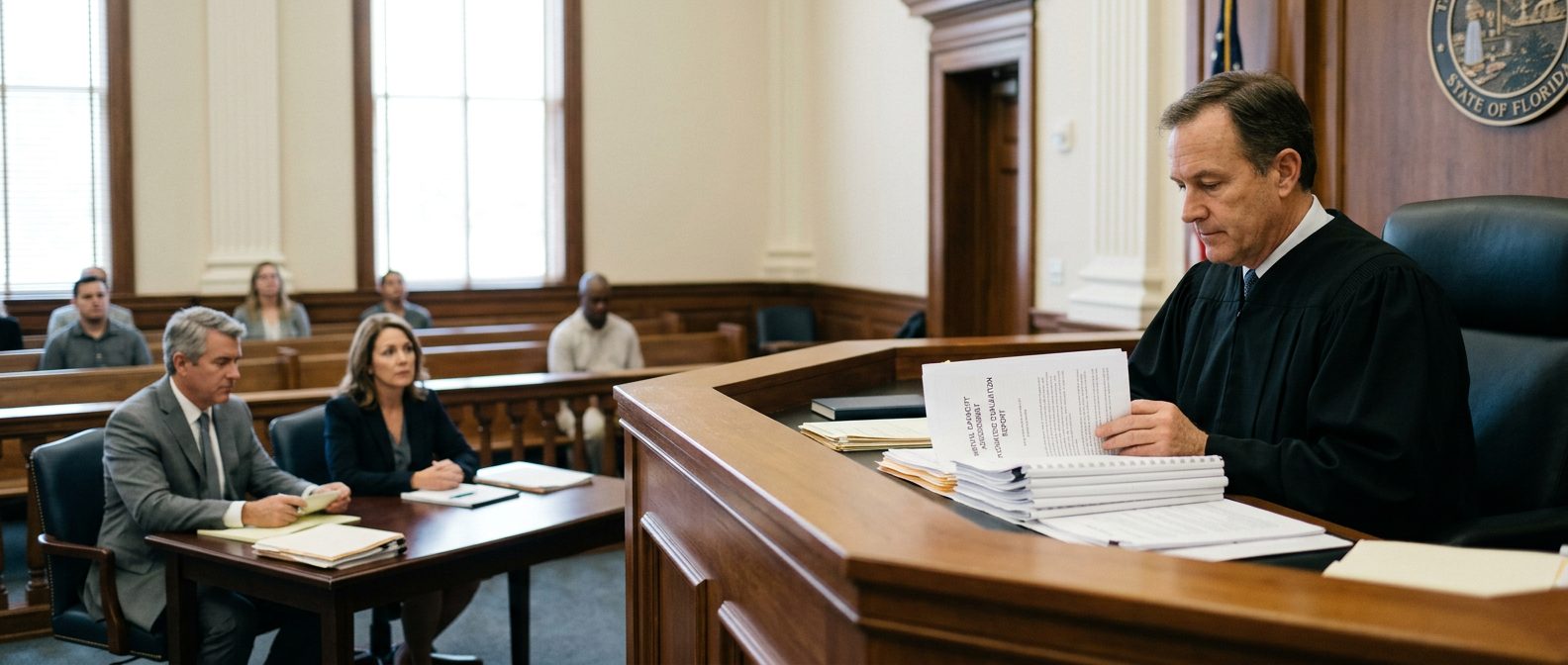
Step 5: A hearing is held. You, the person, their family members, and the guardian ad litem may all attend. The judge hears testimony from the physician or psychiatrist, the guardian ad litem, and anyone else with relevant information. The person has the right to contest the guardianship and present their own evidence.
Step 6: The court enters an order. If the judge finds that the person is incapacitated and that guardianship is in their best interest, an order is entered appointing you (or whoever was proposed) as guardian. You take an oath to fulfill your duties faithfully.
What Happens After Guardianship Is Granted?
Once the court appoints you as guardian, your legal responsibilities begin immediately.
You assume decision-making authority in the areas specified by the court order. If you have plenary guardianship, you make medical, financial, and personal decisions on the ward’s behalf. If you have limited guardianship, your authority is restricted to the areas the court identified.
You must act in the ward’s best interest at all times. Florida law requires guardians to act prudently, to avoid conflicts of interest, and to preserve the ward’s rights and property. You can’t use the guardianship for your own benefit.
You may be required to file annual accountings and reports with the court. If you manage the ward’s finances, you must account for all money received and spent. You may also need to report on the ward’s living situation, medical care, and overall welfare.
The ward retains certain rights. Even under guardianship, the person keeps the right to petition the court for restoration of rights—that is, to ask the court to end or modify the guardianship if their condition improves. The ward also retains rights to vote, marry, and make a will, unless the court specifically removes those rights.
Guardianship continues until the person is restored to capacity or dies. If the ward’s condition improves, they or someone on their behalf can petition the court to terminate or modify the guardianship. If the ward passes away, the guardianship ends and the ward’s estate is handled through probate or other means.
Common Challenges and Considerations
The person may contest the guardianship. Even if you believe guardianship is necessary, the person may disagree and challenge the evidence at the hearing. The court will listen to both sides and decide whether the evidence truly supports a finding of incapacity.
Medical evidence must be current and specific. A vague or outdated physician’s statement won’t satisfy the court. The doctor must explain the person’s actual functional limitations and how the mental illness prevents them from managing their own affairs.
Family disagreement can complicate the process. If some family members support guardianship and others oppose it, the court will have to sort through conflicting testimony and interests. This can slow the process and increase costs.
There are costs and time involved. Filing fees, court costs, and attorney fees add up. The process typically takes several weeks to several months, depending on whether the guardianship is contested and how busy the court is.
Guardianship is an ongoing responsibility. Being a guardian isn’t a one-time task. You’ll have duties to the ward, obligations to the court, and potential personal liability if you fail to act properly. It’s a commitment that requires attention and sometimes difficult decisions.
When to Seek Legal Guidance
Consider reaching out for legal help if any of these situations apply to you:
- You believe a loved one’s mental illness prevents them from managing their own affairs or making safe decisions
- You’re uncertain whether guardianship is the right legal tool or whether less-restrictive alternatives (like a power of attorney or healthcare proxy) might work instead
- You need help gathering medical evidence, preparing a petition, or navigating the court process
- Family members disagree about whether guardianship should be pursued
- You are already a guardian and need guidance on your duties, court filings, or how to handle disputes

Want to know where you stand?
Tell us what happened and our team will walk you through the options available to you, at no cost.
Frequently Asked Questions
What’s the difference between limited guardianship and plenary guardianship?
Plenary guardianship gives the guardian full authority over the person’s medical care, finances, and personal decisions; limited guardianship restricts authority to specific areas only, preserving the person’s independence in areas where they can still function.
How long does the guardianship process take in Florida?
The process typically takes 4–12 weeks, depending on whether the guardianship is contested, how quickly medical evidence is gathered, and the court’s schedule.
Can a mentally ill person contest a guardianship?
Yes, the person has the right to appear at the hearing, to hear the evidence, and to contest the guardianship. The court will consider their objections before deciding.
What’s the difference between guardianship and involuntary commitment for addiction?
Guardianship is a long-term legal arrangement for ongoing decision-making authority; involuntary commitment under the Marchman Act is a court-ordered treatment program for substance use disorders and is typically temporary and treatment-focused.
Can guardianship be ended or modified?
Yes, if the ward’s condition improves, they or someone on their behalf can petition the court to terminate or modify the guardianship. The court will review new medical evidence and decide whether restoration is appropriate.
If you’re caring for someone whose mental illness is making it hard for them to handle their own decisions, understanding your legal options is an important first step. Many families in your situation—uncertain about whether guardianship is right, worried about the court process, or unsure how to gather the medical evidence courts require—reach out to discuss their specific circumstances. Contact Robinson & Casey to schedule a consultation and talk through what guardianship might mean for your loved one and your family.
Types of Guardianship for Mental Illness
Plenary Guardianship
Grants the guardian full authority over medical care, finances, and personal decisions when the person cannot manage their affairs due to mental illness.
Limited Guardianship
Restricts the guardian's authority to specific areas only, allowing the person to retain independence and decision-making power in areas where they can still function.
Emergency Temporary Guardianship
Provides immediate protective authority when urgent intervention is needed to protect someone from harm due to mental health crisis.
Mental Health Guardianship
Focuses specifically on medical and mental health decisions, allowing a guardian to make treatment choices and manage psychiatric care.
Why Robinson & Casey
Focused Practice
We focus exclusively on Marchman Act petitions and guardianship matters. That focused practice means we know Florida's guardianship laws and mental health statutes inside and out.
Statewide Service
Serving families across South Florida and statewide, we understand the guardianship process in courts throughout Florida.
Responsive Guidance
We recognize that mental health crises demand prompt action. We work to move your case forward efficiently.
Protective Advocacy
We advocate for the protection and dignity of the person whose guardianship is being sought, ensuring their interests are at the center of the process.
Mental Illness and Guardianship
Guardianship for mental illness in Florida requires clear legal findings that the person cannot manage their person or property due to mental incapacity. The court must determine that guardianship is necessary and in the person's best interest. This is a serious legal step with lasting consequences—proper legal guidance matters.
Common Questions
What's the difference between limited and plenary guardianship?
Plenary guardianship gives the guardian full authority over medical care, finances, and personal decisions. Limited guardianship restricts authority to specific areas only, preserving the person's independence where they can still function.
When is emergency temporary guardianship used?
Emergency temporary guardianship is used when immediate action is needed to protect someone from harm due to mental health crisis. It provides short-term authority while a full guardianship petition is being processed.
What does the court consider in a guardianship case?
The court examines medical evidence of mental incapacity, the person's ability to manage their affairs, whether less restrictive alternatives exist, and whether guardianship is in the person's best interest.
Can guardianship be modified or ended?
Yes. Guardianship can be modified to become more or less restrictive, or terminated if the person regains capacity. Changes require a court petition and often medical evidence.
Ready to Move Forward?
Related practice areas
- Mental Health Guardianship in Florida: Complete Guide for Families
- Court-Appointed Guardian for Mentally Ill Adults | Florida