
Guardianship · Florida
Mental Health Guardianship Petitions in Florida
When a loved one can no longer make safe decisions about care, housing, or finances, a mental health guardianship asks a Florida court to appoint someone with legal authority to act. Robinson & Casey guides families through every step.
By Richard J. Casey III, Esq. · Published 19/09/2026
Mental Health Guardianship Petition in Florida
A mental health guardianship petition is a court filing that asks a judge to appoint a legal guardian over an adult who cannot make safe or sound decisions about medical care, living arrangements, or finances because of serious mental illness. If the court grants the petition, the guardian gains legal authority to make decisions on behalf of the person (called the “ward”) in areas the judge specifies.
This guide walks you through what a mental health guardianship petition covers, how the process works in Florida, what to expect at each step, and why working with an attorney makes a real difference.

Not sure what your next step is?
Talk it through with our team — the first consultation is free, confidential, and carries no obligation.
What Is a Mental Health Guardianship Petition in Florida?
A mental health guardianship petition is a formal request to the court to appoint someone with legal authority to make decisions for an adult who lacks capacity due to serious mental illness.
Under Florida Statute § 744.331 and Chapter 744, Florida courts can appoint a guardian when clear and convincing evidence shows an adult cannot manage personal affairs, medical decisions, or finances due to incapacity. Mental health guardianship is filed when serious mental illness is the primary reason capacity is questioned.
If the judge grants the petition, the guardian has legal authority to make decisions on the ward’s behalf. The scope of that authority depends on whether the guardianship is limited (restricted to specific areas, like mental health decisions only) or plenary (broad authority over personal, medical, and financial matters).
Who Needs a Mental Health Guardianship Petition?
A mental health guardianship petition may be appropriate for an adult who:
- Has serious mental illness (such as schizophrenia, bipolar disorder, or severe depression) that impairs judgment and decision-making ability
- Refuses necessary psychiatric care, medication, or hospitalization despite the need for treatment
- Cannot safely manage medical decisions, living arrangements, or finances without intervention
- Poses a risk to themselves or others without legal oversight and care coordination
- Lacks capacity to consent to or refuse treatment, even with support or education
Family members, caregivers, or other concerned individuals often file these petitions when they can no longer manage care decisions without legal authority. In the cases our attorneys handle, families typically reach this point after years of attempting to support a loved one informally—and realize that guardianship is necessary to ensure safe, coordinated care.
What a Mental Health Guardianship Petition Covers
The scope of authority granted depends on the type of guardianship sought.
Limited guardianship restricts the guardian’s authority to specific areas. For example, a limited guardianship might grant authority over mental health treatment decisions and psychiatric medication only, while the ward retains authority over financial matters or living arrangements.
Plenary guardianship grants broad authority over personal care, medical decisions (including mental health treatment), and financial matters. The ward loses most decision-making power across all major life areas.
In either case, a mental health guardianship petition typically covers:
- Medical and psychiatric decision-making: authority to consent to or refuse psychiatric treatment, medication, hospitalization, and therapy
- Mental health treatment choices: selecting providers, facilities, treatment modalities, and care settings
- Personal care: decisions about living arrangements, daily care, and safety
- Financial matters: if plenary guardianship is sought (managing bills, assets, benefits)
The petition itself specifies which decisions the guardian will manage. The judge reviews the evidence and enters an order defining the guardian’s exact authority.
Have questions about what happened?
Ask our team directly. The first conversation is free, confidential, and there is no obligation to continue.
The Mental Health Guardianship Petition Process: Step-by-Step
Filing a mental health guardianship petition involves several distinct steps. Here’s what happens from start to finish.
Step 1: Initial Consultation
You meet with an attorney to discuss the situation, the person’s mental health history, prior treatment attempts, and current challenges. The attorney determines whether guardianship is appropriate or whether alternatives (such as a power of attorney or healthcare proxy) might work. This conversation also covers whether limited or plenary guardianship makes sense for your situation.
Step 2: Capacity Evaluation
The court requires a written evaluation from a physician or psychologist confirming that the proposed ward lacks capacity due to mental illness. The evaluator interviews the person, reviews medical records, and provides a detailed report on their mental condition and decision-making ability. This is often the most time-consuming step because scheduling the evaluation and obtaining the report takes 2–4 weeks.
Step 3: Petition Preparation
Your attorney drafts the formal petition, which includes:
- Facts about the proposed ward’s mental illness and its effects on judgment
- The evaluator’s findings and capacity opinion
- Information about the proposed guardian and why they’re suitable
- Proposed terms of the guardianship (limited or plenary)
- Supporting documents and affidavits from family, caregivers, or treating providers
Step 4: Filing
The petition is filed with the circuit court in the county where the proposed ward resides. Court filing fees apply (typically $200–$400, depending on the county).
Step 5: Notification
The proposed ward and certain family members must be notified of the petition. Proper notice is required by law and is verified in court filings.
Step 6: Guardian Ad Litem Appointment
The court appoints a guardian ad litem (a neutral third party) to investigate the proposed ward’s best interests, interview the person, review records, and report findings to the judge. This typically takes 2–4 weeks.
Step 7: Court Hearing
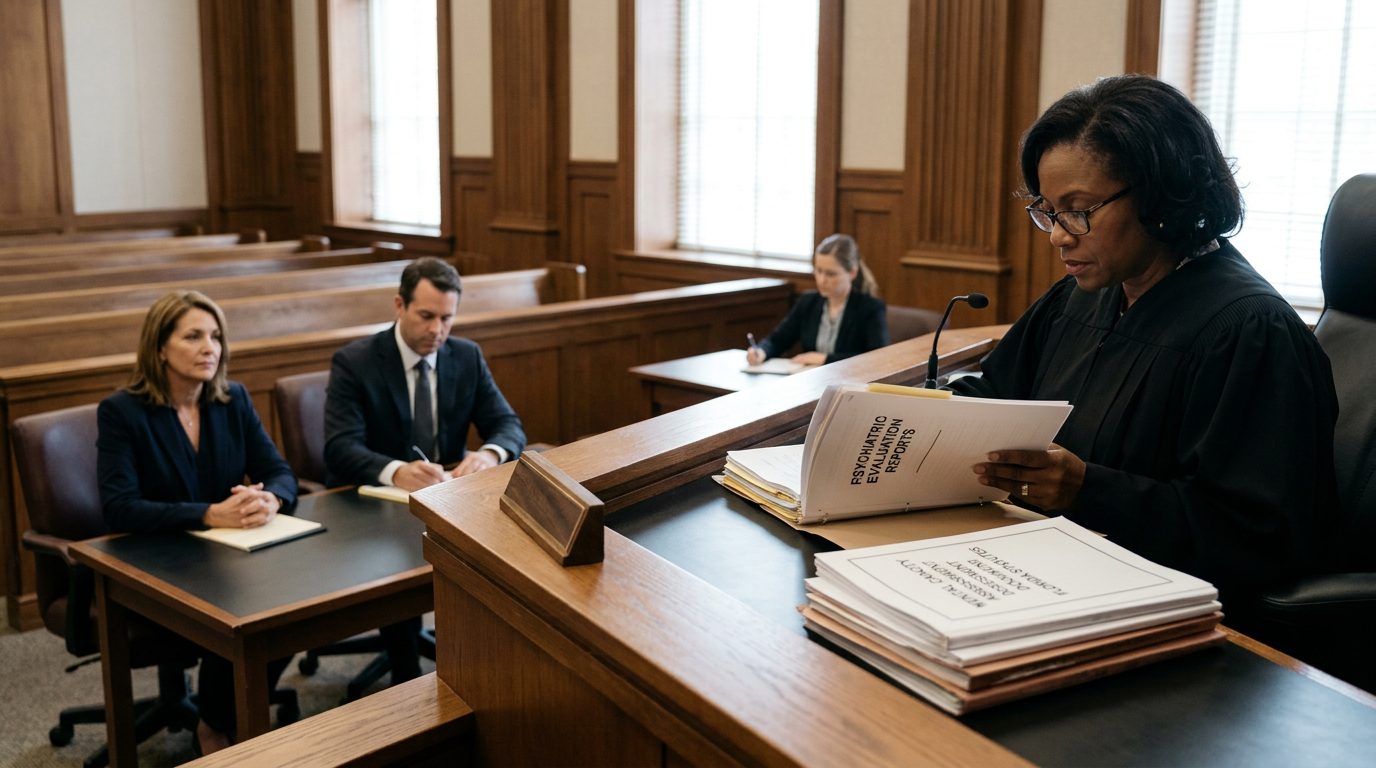
The judge holds a hearing. Your attorney presents evidence (the capacity evaluation, medical records, affidavits, and testimony). The proposed ward may appear in person, by video, or through an attorney. The judge hears both sides and decides whether clear and convincing evidence supports incapacity.
Step 8: Order and Appointment
If the judge finds clear and convincing evidence of incapacity, an order is entered appointing the guardian. The guardian then has legal authority to act on the ward’s behalf in the areas specified.
Timeline and What to Expect
The entire process typically takes 2 to 4 months from initial consultation to appointment, depending on several factors:
- Initial consultation to filing: 2–4 weeks (mainly waiting for the capacity evaluation)
- Filing to hearing: 4–8 weeks (depends on court scheduling and whether the case is contested)
- Total: 2–4 months in most cases
If the proposed ward contests the petition or if complications arise, the timeline may extend. If immediate danger exists, you can file for emergency temporary guardianship separately, which is a faster process that can be granted in days while the main petition proceeds.
After the guardianship is granted, the guardian has ongoing duties: annual accounting to the court, reporting on the ward’s condition and care, and managing the ward’s personal, medical, and financial affairs as authorized.
Documents and Evidence Required
To file a successful mental health guardianship petition, you’ll need:
- Physician’s or psychologist’s written evaluation confirming incapacity due to mental illness
- Medical records documenting the mental illness and its effects on decision-making
- Affidavits or testimony from family, caregivers, treating providers, or others with knowledge of the proposed ward’s condition
- Proof of notice to the proposed ward and required family members
- Proposed guardianship plan explaining how the guardian will manage the ward’s affairs
- Attorney’s petition and supporting legal documents filed with the court
The strength of your case depends largely on the quality and detail of the capacity evaluation and supporting medical evidence. Courts require clear and convincing proof—not just a suspicion or concern.
Why Robinson & Casey Handles Mental Health Guardianship Petitions
Robinson & Casey focuses exclusively on guardianship and Marchman Act matters. This isn’t a side practice; it’s our core work.
Focused practice: We handle mental health guardianship petitions, limited and plenary guardianship, emergency temporary guardianship, and related matters day in and day out. That focus means we know the process, the courts, and the common pitfalls.
Experience with mental health cases: Our attorneys work regularly with families navigating serious mental illness, psychiatric evaluators, treatment providers, and the court system. We understand the medical and legal complexity of mental health guardianship.
Established court relationships: We have worked in Florida circuit courts across South Florida and statewide. We know judges, court staff, and local procedures, which helps us move cases efficiently and avoid delays.
Streamlined process: We have a proven system for gathering evidence, preparing petitions, managing court filings, and coordinating with evaluators and guardians ad litem. This efficiency saves you time and reduces stress.
Compliance and accuracy: All filings meet Florida Bar Rules and guardianship statute requirements. Errors in pleading or procedure can delay or derail a case; we ensure that doesn’t happen.
Want to know where you stand?
Tell us what happened and our team will walk you through the options available to you, at no cost.
Common Questions About Mental Health Guardianship Petitions
Q: Can I file a mental health guardianship petition without an attorney?
Yes, but the process is complex. Errors in pleading, evidence, or procedure can delay or derail the case. An attorney ensures compliance and increases the likelihood of a successful outcome.
Q: How much does a mental health guardianship petition cost?
Costs vary based on complexity, court fees, evaluator fees, and attorney fees. Robinson & Casey can discuss fees and payment options during a consultation.
Q: What if the proposed ward contests the petition?
The court will hold a hearing. The judge weighs evidence from both sides. The proposed ward has the right to be represented by an attorney.
Q: Is guardianship permanent?
No. Guardianship can be modified or terminated if the ward’s condition improves or circumstances change. The court retains ongoing jurisdiction.
Q: What’s the difference between limited and plenary guardianship?
Limited guardianship restricts authority to specific areas (e.g., mental health decisions only); plenary guardianship grants broad authority over personal, medical, and financial matters.
Q: Can I seek emergency temporary guardianship while the petition is pending?
Yes, if there is immediate danger or risk. This is a separate, faster process that can be filed alongside the main petition.

Next Steps: Schedule Your Consultation
If you’re considering a mental health guardianship petition, the first step is to speak with an attorney who understands both the legal process and the mental health context.
During a consultation, you’ll discuss:
- Your loved one’s mental health history and current situation
- Whether guardianship is the right legal tool
- Whether limited or plenary guardianship makes sense
- The timeline, costs, and process ahead
- What documents and evidence you’ll need to gather
Bring relevant medical records, documentation of your loved one’s condition, and any prior treatment history. The more information you have, the more helpful the conversation will be.
If you’re facing decisions about guardianship for an adult with serious mental illness—whether they’re refusing treatment, unable to manage care safely, or at risk without legal oversight—Robinson & Casey is here to guide you through the filing process and represent your interests in court. Schedule a consultation or call (561) 849-4700 today.
How We Help Families With Guardianship Matters
Preparing the Petition
We help draft and file the petition that asks the court to consider guardianship for an adult who cannot make safe decisions due to serious mental illness.
Guiding the Family
We explain what a guardian can and cannot do, and how the court decides which areas of decision-making are placed under a guardian's authority.
Focused Practice
Robinson & Casey focuses exclusively on Marchman Act petitions and guardianship matters for families across South Florida and statewide.
Clear Communication
We walk you through each stage of the process so you understand what to expect at hearings and after a guardian is appointed.
Every Situation Is Different
The information on this page is general. Whether a mental health guardianship fits your family's circumstances depends on the facts. Talk with us before filing anything.
Types of Guardianship We Handle
Emergency Temporary Guardianship
A short-term appointment used when an adult faces an immediate risk to health, safety, or property and the court needs to act quickly.
Plenary Guardianship
A broad appointment where the court transfers most decision-making authority to a guardian on behalf of the ward.
Limited Guardianship
A narrower appointment where the ward keeps some rights and the guardian handles only the specific areas the court identifies.
Mental Health Guardianship
A guardianship centered on decisions about medical care, living arrangements, and finances for an adult affected by serious mental illness.