
Mental Health Guardianship
Mental Health Guardianship in Miami-Dade: Protect Your Loved One
When a family member struggles with mental illness, guardianship may provide the legal authority to make medical and personal decisions on their behalf. Robinson & Casey guides families through every step.
By Richard J. Casey III, Esq. · Published September 18, 2026
Mental Health Guardianship in Miami-Dade: What Families Need to Know
Mental health guardianship is a court-ordered legal arrangement in which a Miami-Dade Circuit Court judge grants authority to a guardian to make decisions for an adult who the court finds lacks the capacity to do so due to a mental health condition. When a family member or caregiver cannot manage their own affairs safely—medical treatment, housing, finances, or personal care—guardianship may become necessary to protect their wellbeing and ensure decisions are made in their best interest.
Robinson & Casey has guided Miami-Dade families through the mental health guardianship process for years. We understand the local court system, the physicians and evaluation providers the courts rely on, and the specific steps required to petition the Miami-Dade Circuit Court. This guide explains what mental health guardianship is, why it may be right for your family, and what to expect along the way.

Not sure what your next step is?
Talk it through with our team — the first consultation is free, confidential, and carries no obligation.
What Mental Health Guardianship Means in Miami-Dade
Mental health guardianship gives a court-appointed guardian the legal authority to make decisions for an adult when the court determines that person cannot make safe or sound decisions due to a mental health condition. The scope of that authority depends on the type of guardianship the court grants.
A guardian may be authorized to decide on medical treatment, psychiatric medication, hospitalization, residential placement, and personal care. A guardian may also manage finances, pay bills, and protect assets from exploitation. The specific decisions a guardian can make depend on whether the guardianship is limited (authority over only certain decisions) or plenary (full authority over all major decisions).
Mental health guardianship differs from other guardianship types. Emergency temporary guardianship grants immediate, short-term authority when there is urgent danger to the person’s health or safety. Limited guardianship preserves the individual’s right to make certain decisions while the guardian handles others. Plenary guardianship grants the guardian authority over all significant decisions.
Families consider guardianship when a loved one with serious mental illness—such as schizophrenia, bipolar disorder, severe depression, or another condition—cannot manage their own care or finances, and no existing power of attorney or healthcare proxy is in place. The court becomes involved to protect the individual and ensure decisions are made lawfully.
Why Mental Health Guardianship May Be Necessary
An adult with a serious mental health condition may lack the capacity to make safe decisions about medical treatment, where to live, or how to manage money. When that person has no existing legal arrangement—like a power of attorney or healthcare proxy—and family members or caregivers need to step in, guardianship is often the only legal tool available.
Common situations include:
- Immediate need for medical authority. A family member requires surgery or psychiatric hospitalization, but refuses treatment or cannot consent. Without guardianship, hospitals and doctors may be unable to proceed.
- Financial vulnerability. The individual cannot manage bills, rent, or benefits, or is at risk of being exploited by others.
- Unsafe living situation. The person is unable to care for themselves safely and needs someone to decide on housing and daily support.
- Self-harm or harm to others. The mental health condition creates a risk that requires supervised decision-making.
- No voluntary arrangement in place. The person is unwilling or unable to sign a power of attorney or healthcare proxy, so court involvement is necessary.
Florida law requires that courts consider less-restrictive alternatives to guardianship—such as powers of attorney or healthcare proxies—before appointing a guardian. If those alternatives won’t work because the individual cannot or will not cooperate, guardianship becomes the appropriate legal remedy.
The Miami-Dade Guardianship Process for Mental Health Cases
Establishing mental health guardianship in Miami-Dade involves filing a petition with the Miami-Dade Circuit Court and following a structured legal process.
Filing the petition. An attorney prepares and files a guardianship petition in the Miami-Dade Circuit Court, naming the proposed ward (the person for whom guardianship is sought) and describing why guardianship is necessary.
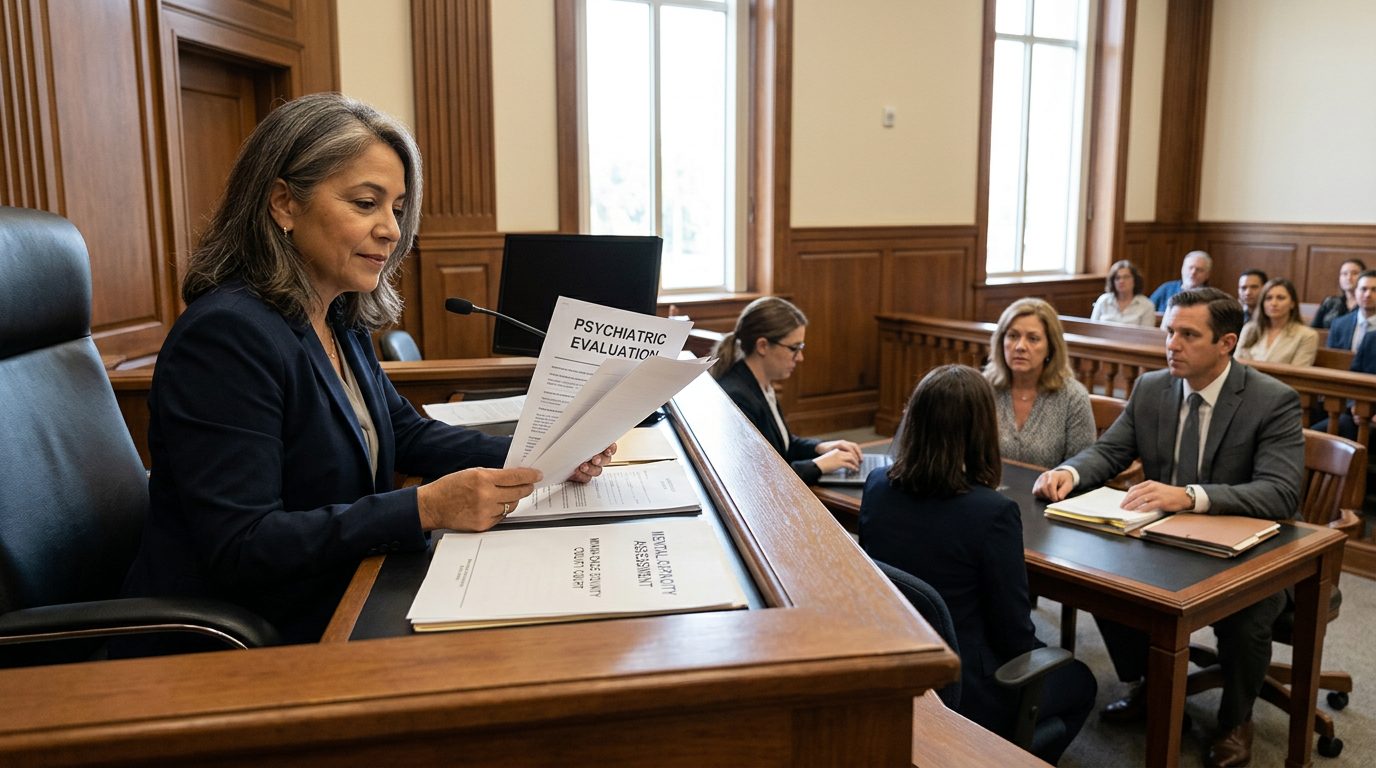
Medical evaluation. Florida law requires a physician’s affidavit or medical evaluation as part of the petition. The court uses this to determine whether the individual truly lacks capacity. The evaluation must be current and specific to the person’s mental health condition and decision-making ability.
Notice and service. The proposed ward and interested parties (family members, healthcare providers) must be notified of the petition and given the opportunity to respond or object.
Guardianship hearing. The Miami-Dade judge holds a hearing where evidence is presented about the individual’s condition and capacity. The proposed ward has the right to be present, to have an attorney represent them, and to contest the guardianship. A guardian ad litem (a court-appointed representative) may also be appointed to investigate and report to the court.
Court determination and order. The judge decides whether the individual lacks capacity and, if so, whether guardianship is necessary. If the court finds incapacity, it enters a guardianship order naming the guardian and specifying the scope of authority (limited or plenary).
Ongoing supervision. Once appointed, the guardian must file annual accountings and reports with the court, showing how decisions were made and, if applicable, how finances were managed. The court retains oversight throughout the guardianship.
The entire process typically takes several months in Miami-Dade, though emergency temporary guardianship can be granted more quickly if there is imminent danger.
Have questions about what happened?
Ask our team directly. The first conversation is free, confidential, and there is no obligation to continue.
Types of Mental Health Guardianship Available
Miami-Dade courts can appoint different types of guardians depending on the individual’s needs and the extent of authority required.
Emergency temporary guardianship. This type grants immediate authority when there is urgent danger to the person’s health, safety, or welfare. It can be granted without full notice and a hearing, and lasts for a limited period (typically up to 90 days) while a full guardianship hearing is scheduled. Emergency temporary guardianship is used when a person needs immediate medical treatment or protection and there is no time for a standard guardianship process.
Limited guardianship. A Miami-Dade judge can grant authority over only specific decisions—for example, medical treatment and housing, but not finances. Limited guardianship preserves the individual’s autonomy and right to make other decisions. It reflects modern guardianship practice, which favors the least restrictive arrangement necessary to protect the person.
Plenary guardianship. This grants the guardian full authority over all major decisions: medical, residential, financial, and personal. Plenary guardianship is appropriate when the individual’s condition is severe and they cannot safely make any significant decisions.
Choosing the right type depends on the individual’s specific condition, their ability to make certain decisions, and their needs. An attorney can help you understand which type fits your family’s circumstances.
What to Expect When Working With Robinson & Casey
When you contact Robinson & Casey about mental health guardianship in Miami-Dade, here’s what the process looks like:
Initial consultation. We listen to your family’s situation, learn about your loved one’s mental health condition and current circumstances, and answer your questions about guardianship options. We discuss whether guardianship is the right step or whether less-restrictive alternatives might work.
Guidance on guardianship type. Based on the individual’s condition and needs, we advise whether emergency temporary, limited, or plenary guardianship is most appropriate.
Petition preparation. We prepare all necessary documents for filing with the Miami-Dade Circuit Court, including the guardianship petition and supporting paperwork.
Coordination with medical professionals. We work with physicians to obtain the required medical evaluation and affidavit.
Court representation. We represent you through the guardianship hearing before the Miami-Dade judge, present evidence, and advocate for the guardianship order.
Post-guardianship support. After the guardianship is granted, we assist with compliance, annual reporting, and any modifications needed if the individual’s condition changes.
Common Questions About Mental Health Guardianship in Miami-Dade
How long does the process take?
A standard guardianship petition in Miami-Dade typically takes two to four months from filing to final order, depending on the court’s schedule and whether the guardianship is contested. Emergency temporary guardianship can be granted in days or weeks.
What are the costs and fees?
Attorney fees, court filing fees, and medical evaluation costs vary. We discuss all costs during your initial consultation so you understand the financial commitment upfront.
Can the guardianship be modified or terminated later?
Yes. If the individual’s condition improves or circumstances change, the guardianship can be modified to reduce the guardian’s authority or terminated entirely if capacity is restored. The court retains the power to make these changes.
What are the guardian’s ongoing responsibilities?
Guardians must make decisions in the ward’s best interest, file annual accountings with the court (especially if managing finances), maintain records, and ensure the person’s health, safety, and wellbeing are protected.
Does the individual have the right to contest the guardianship?
Yes. The proposed ward can object to the guardianship petition, present evidence at the hearing, and be represented by an attorney. The court will consider their objections before deciding.

Want to know where you stand?
Tell us what happened and our team will walk you through the options available to you, at no cost.
Why Local Representation Matters
Mental health guardianship in Miami-Dade is not a generic legal process. The Miami-Dade Circuit Court has specific judges, procedures, and expectations. Local court staff, medical evaluation providers, and mental health resources are part of the landscape.
Robinson & Casey’s familiarity with Miami-Dade courts, judges, and local procedures means we know how to navigate the system efficiently. We have established relationships with court staff and physicians who conduct guardianship evaluations. We understand Miami-Dade’s filing requirements and timelines. This local knowledge helps us move your case forward smoothly and present it persuasively to the court.
When you’re facing a decision about guardianship for a family member with a mental health condition—weighing whether it’s necessary, what type to pursue, and how to navigate the Miami-Dade court system—families in your exact position are reaching out to Robinson & Casey every month. We’ve walked families through this process many times. Call us at (561) 849-4700 or schedule a consultation to discuss your family’s situation and explore your options. You don’t have to figure this out alone.
Types of Mental Health Guardianship
Plenary Guardianship
Full authority over personal, medical, and financial decisions when a person is unable to manage their affairs due to mental illness.
Limited Guardianship
Targeted authority over specific areas—such as mental health treatment or medical decisions—while the person retains other rights.
Emergency Temporary Guardianship
Immediate court-ordered protection when urgent intervention is needed to safeguard your loved one's health or safety.
Mental Health Guardianship
Authority focused on mental health treatment, psychiatric care, and related medical decisions when mental illness impairs judgment.
Why Robinson & Casey for Mental Health Guardianship
Focused on Guardianship & Marchman Act Matters
We focus exclusively on guardianship petitions and Marchman Act cases. This focused practice means we know the Miami-Dade courts, judges, and procedures inside out.
Fast Action When Time Matters
Emergency temporary guardianship can be granted in days or weeks. We move quickly to protect your loved one when mental health crises demand immediate intervention.
Complete Petition & Court Representation
We handle the entire process—from evaluating whether guardianship is appropriate, to drafting petitions, gathering medical evidence, and representing you in court.
Statewide Service, Local Knowledge
We serve families across South Florida and statewide. Whether you're in Miami-Dade or elsewhere in Florida, we're here to help.
Timeline & Costs Matter
A standard guardianship petition in Miami-Dade typically takes two to four months from filing to final order, depending on the court's schedule and whether the guardianship is contested. Emergency temporary guardianship can be granted faster. Attorney fees, court filing fees, and medical evaluation costs vary by case. Understanding the full picture upfront helps you plan.
The Mental Health Guardianship Process
Initial Consultation & Case Review
We listen to your family's situation, explain guardianship options, and determine whether mental health guardianship is the right path forward.
Medical Evaluation & Documentation
We coordinate medical evidence—physician evaluations, psychiatric records, and clinical findings—to support the guardianship petition.
Petition Preparation & Filing
We draft and file the guardianship petition with the Miami-Dade court, including all required documentation and legal arguments.
Court Hearing & Final Order
We represent you at the guardianship hearing, present evidence, and work toward a final court order establishing your guardianship authority.
Ready to Protect Your Loved One?
Related practice areas
- Mental Health Guardianship in Florida: Complete Guide for Families