
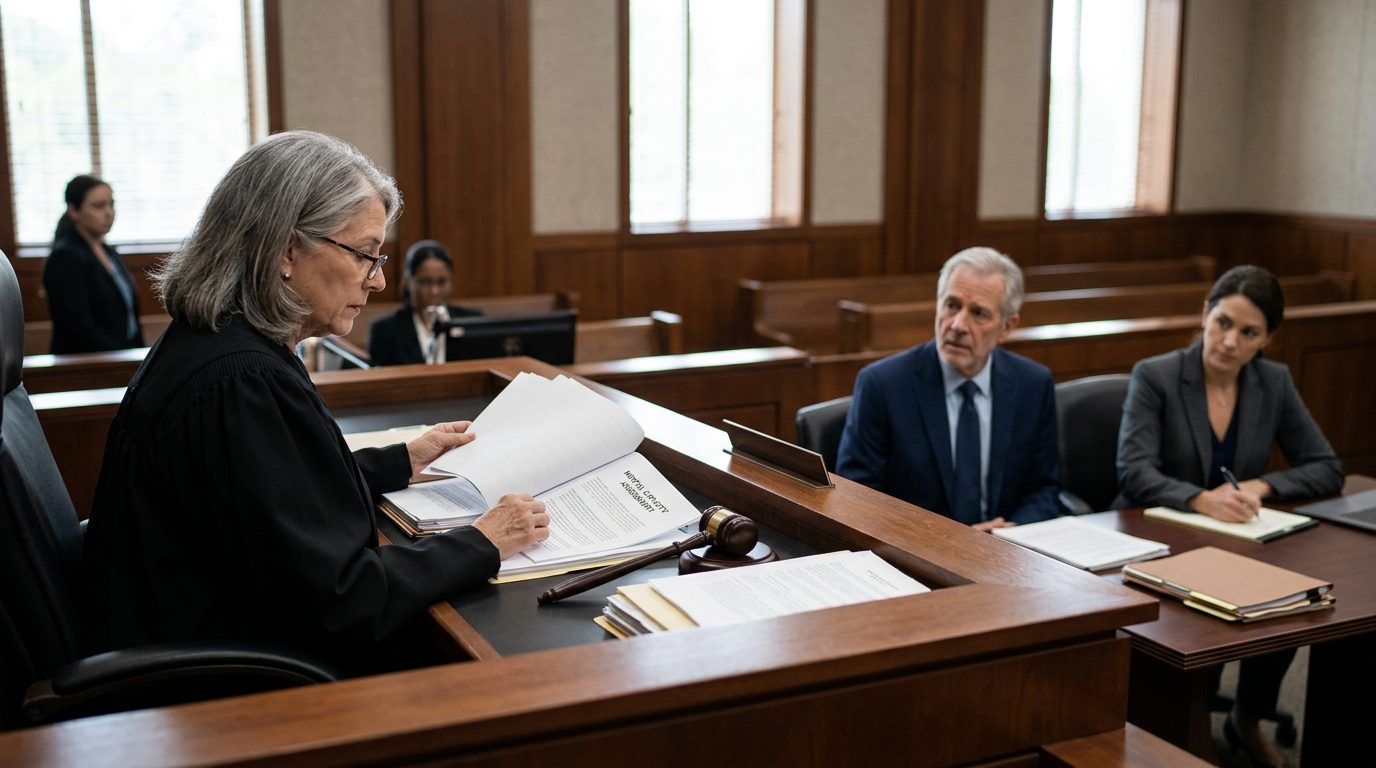
Mental Health Guardianship
Mental Health Guardianship in South Florida: Types & Process
When a loved one needs legal protection and decision-making support, understanding your guardianship options is the first step. Robinson & Casey guides families through emergency temporary, limited, plenary, and mental health guardianship.
By Richard J. Casey III, Esq. · Published September 18, 2026
Mental Health Guardianship in South Florida: Types & Process
When an adult family member cannot safely manage their own affairs due to a serious mental health condition, a court-ordered mental health guardianship gives you legal authority to make decisions on their behalf. In South Florida—across Miami-Dade, Broward, and Palm Beach counties—families pursue guardianship when informal arrangements fall short and a person’s judgment is impaired by conditions like severe bipolar disorder, schizophrenia, or major depression with psychosis.
This guide explains what mental health guardianship is, why South Florida families use it, the three main types available, and what the court process looks like in your county.

Not sure what your next step is?
Talk it through with our team — the first consultation is free, confidential, and carries no obligation.
What Mental Health Guardianship Is in South Florida
Mental health guardianship is a legal arrangement where a court appoints a guardian to make decisions for an adult who cannot manage their own affairs due to a serious mental health condition. It’s not a medical diagnosis or treatment plan—it’s a court order that gives you legal standing to act.
Under Florida Statutes Chapter 744, guardianship applies to adults (age 18 and older) whose mental health conditions have impaired their ability to make safe decisions about medical care, housing, finances, or personal welfare. The court must find that the person lacks the capacity to manage their affairs before appointing a guardian.
South Florida courts recognize three distinct types of mental health guardianship, each suited to different levels of incapacity and urgency. Understanding the differences helps you choose the right tool for your family’s situation.
Why South Florida Families Pursue Mental Health Guardianship
Families in Miami-Dade, Broward, and Palm Beach counties turn to guardianship when less formal arrangements aren’t enough. Common reasons include:
- Refusal of treatment. An adult child with bipolar disorder or schizophrenia refuses medication or psychiatric care despite clear symptoms and danger.
- Lack of capacity to make safe decisions. The person cannot understand the consequences of choices about housing, medical treatment, or finances.
- No access to medical information. Without court authority, you cannot obtain medical records or make emergency decisions.
- Informal arrangements have failed. A power of attorney or healthcare proxy was never signed, or the person revokes it during a mental health crisis.
- Multigenerational family needs. South Florida’s large retiree and immigrant populations often involve adult children with mental illness living with aging parents who need legal protection for their care.
Guardianship is a formal legal step. It requires court involvement and ongoing accountability—but it gives you the authority you need when informal methods don’t work.
Types of Mental Health Guardianship Available in South Florida
Emergency Temporary Guardianship
Emergency temporary guardianship is a rapid court order granted when immediate danger or urgent need exists. The court can issue it within days, often without a full hearing. This type typically lasts 15 days while the court schedules a full guardianship hearing.
Use emergency temporary guardianship when: – A person is in immediate danger due to their mental health condition. – You need urgent authority to make a medical or safety decision. – The person is refusing necessary treatment and time is critical.
Plenary Guardianship
Plenary guardianship is full guardianship. The guardian makes all major decisions: medical care, housing, finances, personal welfare, and more. It is the most restrictive form of guardianship and removes the most autonomy from the person.
Courts grant plenary guardianship when the person lacks capacity in most or all areas of decision-making. It’s appropriate when mental health symptoms are severe and pervasive.
Limited Guardianship
Limited guardianship restricts the guardian’s authority to specific areas—for example, medical decisions only, or financial decisions only. The person retains decision-making power in other areas where they still have capacity.
Florida courts favor less-restrictive alternatives. If an adult can make safe decisions about some matters, limited guardianship preserves their autonomy and dignity while protecting them in areas where they cannot judge safely.
Have questions about what happened?
Ask our team directly. The first conversation is free, confidential, and there is no obligation to continue.
The Mental Health Guardianship Process in South Florida Courts
The guardianship process in Miami-Dade, Broward, and Palm Beach county circuit courts follows these steps:
1. File a petition. You file a guardianship petition in the circuit court of the county where the person lives. The petition must describe the person’s mental health condition and explain why guardianship is necessary.
2. Provide medical evidence. The petition must include medical or psychiatric documentation showing that the person lacks capacity. A physician’s or psychologist’s affidavit is typically required.
3. Court appoints an attorney. The court appoints an attorney to represent the person who is the subject of the petition. This person has the right to contest the guardianship.
4. Hearing is held. The judge hears evidence and arguments. You may present medical testimony, documentation of incidents, and other proof that guardianship is necessary and appropriate.
5. Judge decides. If the judge finds that guardianship is warranted, the court issues letters of guardianship—your legal authority to act.
6. Ongoing accountability. Once appointed, you must file annual accounts with the court showing how you’ve managed the person’s affairs. Guardians have a fiduciary duty to act in the person’s best interest.
Busy county dockets in Miami-Dade and Broward may affect timelines for regular guardianship petitions. Emergency temporary guardianship moves faster when urgency is documented.
Evidence and Documentation Needed
South Florida courts expect clear, objective evidence—not assumptions or family concerns alone. To strengthen your petition:
- Medical or psychiatric evaluation. A licensed physician or psychologist must evaluate the person and document the mental health condition and its effect on decision-making capacity.
- Affidavit or testimony. The evaluating professional should provide a written affidavit or be available to testify about the person’s incapacity.
- Specific incidents. Document concrete examples: refusal of medication, unsafe decisions about housing or finances, or behavior that demonstrates lack of judgment.
- Functional impact. Show how the mental health condition prevents the person from managing specific affairs—not just that they have a diagnosis.
An attorney can guide you on what documentation strengthens your case and meets the court’s standards.
Challenges and Considerations in South Florida
Diverse population and language barriers. South Florida’s multilingual communities may require translation of medical records or court documents. Plan for translation time in your timeline.
Busy court dockets. Miami-Dade and Broward counties have high case volumes. Regular guardianship petitions may take months; emergency temporary guardianship is faster when you can document urgency.
Right to contest. The person subject to guardianship has the right to contest the petition and be represented by counsel. The court will hear their objections.
Less-restrictive alternatives. Courts prefer limited guardianship over plenary guardianship when possible. If the person retains capacity in some areas, the judge may impose limits on the guardian’s authority.
Distinction from other legal tools. Mental health guardianship is not the same as involuntary commitment for addiction (Marchman Act proceedings) or civil commitment for mental health crises. However, these processes may occur alongside guardianship in some cases.
Want to know where you stand?
Tell us what happened and our team will walk you through the options available to you, at no cost.
When to Contact an Attorney
Reach out to discuss mental health guardianship if:
- You believe an adult family member cannot safely manage their own affairs due to mental illness.
- Medical professionals have documented the person’s incapacity or lack of judgment.
- The person refuses treatment, medication, or safe living arrangements, and informal persuasion hasn’t worked.
- You need court authority to make medical or financial decisions on their behalf.
- You’re unsure whether guardianship, limited guardianship, or another legal tool is the right approach for your situation.
An attorney experienced in guardianship can evaluate your family’s circumstances, advise on which type of guardianship fits your needs, and guide you through the petition and court process in your county.

Frequently Asked Questions
What’s the difference between limited and plenary guardianship?
Limited guardianship restricts the guardian’s authority to specific areas (medical, financial, or personal decisions); plenary guardianship gives the guardian full authority over all major decisions. Courts prefer limited guardianship when the person retains capacity in some areas.
How long does emergency temporary guardianship last?
Emergency temporary guardianship typically lasts 15 days while the court schedules a full hearing on a regular guardianship petition.
Can the person contest the guardianship petition?
Yes. The court appoints an attorney to represent the person, and they have the right to object to the petition and present evidence at the hearing.
Do I need an attorney to file a guardianship petition?
While you can file without an attorney, guardianship law is complex. An attorney helps ensure your petition includes the right evidence, meets court standards, and increases the likelihood of approval.
Is guardianship the same as involuntary commitment?
No. Guardianship is a long-term legal arrangement for decision-making. Involuntary commitment (civil commitment or Marchman Act proceedings) is a short-term emergency intervention for immediate danger or crisis. They serve different purposes and may occur separately or together.
If you’re navigating an adult family member’s serious mental health condition and need court authority to make decisions on their behalf, families in your situation reach out to discuss guardianship options—call (561) 849-4700 to schedule a consultation.
Types of Mental Health Guardianship
Emergency Temporary Guardianship
Provides immediate legal authority when a person faces urgent danger or crisis due to mental health or substance use issues. This short-term guardianship allows swift protective action while a full guardianship petition is prepared.
Limited Guardianship
Restricts the guardian's authority to specific areas—such as medical decisions, financial management, or personal care—while the person retains decision-making power in other domains. Courts often prefer this when capacity exists in some areas.
Plenary Guardianship
Grants the guardian full authority over all major decisions: medical, financial, personal, and residential. Used when the person lacks capacity across all significant life areas.
Mental Health Guardianship
Tailored to situations where mental illness or mental health crises require protective legal intervention. Focuses on treatment decisions, safety, and stability while respecting the person's remaining autonomy.
How Robinson & Casey Supports Your Family
Clear Guidance Through the Process
We explain each guardianship type, the court petition process, and what to expect at every stage—so you understand your options before moving forward.
Focused on Marchman Act & Guardianship
Robinson & Casey focuses exclusively on Marchman Act petitions and guardianship matters. We handle the legal complexity so your family can focus on care and recovery.
Rapid Response for Emergencies
When crisis strikes, we move quickly to file emergency temporary guardianship petitions and protect your loved one when time is critical.
Statewide Service for South Florida Families
Serving Miami-Dade, South Florida, and throughout Florida, we're accessible to families navigating mental health and guardianship challenges across the state.
Act Quickly in a Crisis
If your loved one faces immediate danger or refuses needed mental health treatment, emergency temporary guardianship may be necessary. The sooner you consult with an attorney, the sooner protective measures can be put in place.
The Guardianship Process
Petition & Filing
We prepare and file the guardianship petition with the court, clearly stating the grounds and the type of guardianship sought based on your loved one's needs.
Notice & Hearing
The court notifies your loved one and other interested parties. A hearing is scheduled where evidence is presented and the judge determines whether guardianship is appropriate.
Court Decision
The judge issues an order establishing the guardianship, defining the guardian's powers, and setting ongoing reporting requirements to protect the person's interests.
Ongoing Compliance
Guardians file annual accountings and reports with the court. We help ensure all filings meet legal requirements and your loved one remains protected.