
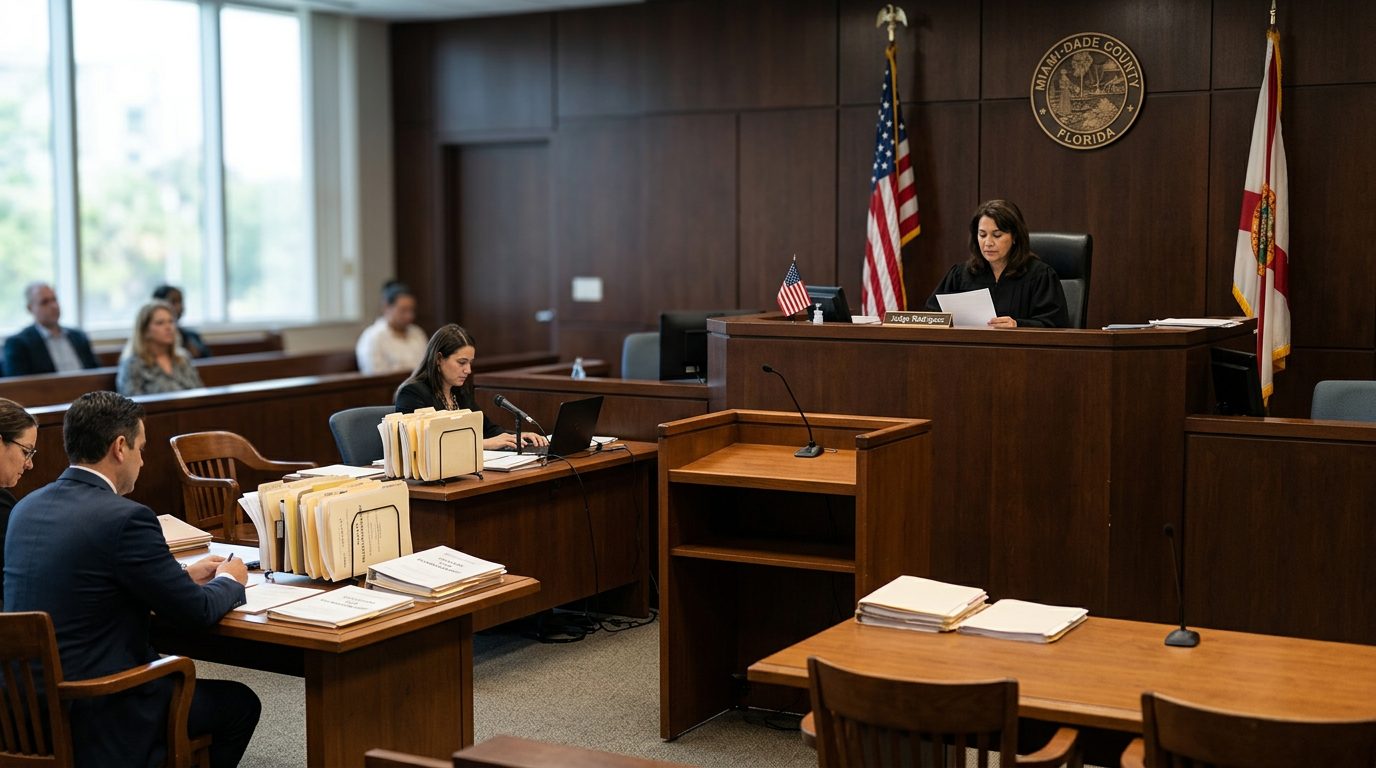
Plenary Guardianship
Plenary Guardianship in Miami Dade: Petition & Court Process
Full guardianship authority over person and estate. Robinson & Casey guides families through Florida's petition process.
By Richard J. Casey III, Esq. · Published September 18, 2026
Plenary Guardianship in Miami Dade County: How the Process Works
Plenary guardianship grants a guardian broad authority over an incapacitated adult’s personal and financial affairs when that person can no longer make decisions for themselves. In Miami Dade County, establishing plenary guardianship requires filing a petition with the Circuit Court, submitting medical evidence of incapacity, and obtaining a judge’s order—a process that typically takes several months and involves specific local court procedures.
If you’re a family member or caregiver in Miami Dade facing this decision, understanding the steps ahead will help you move forward with confidence.

Not sure what your next step is?
Talk it through with our team — the first consultation is free, confidential, and carries no obligation.
What Plenary Guardianship Means in Miami Dade
Plenary guardianship gives you broad legal authority to make decisions on behalf of the ward (the incapacitated person) regarding both personal care and financial matters. Under Florida Statutes Chapter 744, plenary guardianship is distinct from limited guardianship, which restricts your authority to specific areas only.
Plenary guardianship is appropriate when someone has severe cognitive decline, advanced dementia, serious mental illness, or significant incapacity that prevents them from managing personal or financial affairs. You might pursue plenary guardianship if your parent has late-stage Alzheimer’s disease, if a family member has suffered a catastrophic brain injury, or if a loved one’s mental illness has progressed to the point where they cannot handle basic decisions about healthcare, housing, or finances.
Even under plenary guardianship, the ward retains certain constitutional rights. According to Florida Statutes Chapter 744, a ward may still have the right to vote, marry, and make healthcare decisions in limited circumstances. The law recognizes that incapacity doesn’t strip away all autonomy—it simply transfers decision-making authority to someone the court appoints to act in the ward’s best interest.
Miami Dade County Court Process for Plenary Guardianship
Miami Dade County Circuit Court has jurisdiction over all guardianship petitions filed in the county. The probate division of the circuit court handles these cases, and judges in that division follow specific local rules and procedures that differ slightly from other Florida counties.
Filing and local requirements. You’ll file your petition with the Miami Dade County Circuit Court, Probate Division. The court requires specific forms and supporting documentation. Medical evidence is mandatory—typically a physician’s affidavit or clinical evaluation confirming the alleged incapacitated person’s lack of capacity.
The guardian ad litem. One of the most important players in your case is the guardian ad litem, a court-appointed representative who investigates the alleged incapacitated person’s situation and reports to the judge. Per Florida Statutes Chapter 744, the guardian ad litem is required in every guardianship proceeding. This person will meet with your family member, review medical records, and make a recommendation to the court. Understanding their role and cooperating with their investigation is crucial to a smooth process.
Timeline. From the date you file your petition to the date a judge appoints you as guardian typically takes 2 to 4 months in Miami Dade County, though contested cases or cases requiring additional evaluation can take longer. The court’s schedule and the complexity of your case affect the timeline.
Steps in the Plenary Guardianship Petition
Filing for plenary guardianship involves several sequential steps:
1. Gather medical and clinical evidence. You’ll need documentation showing the alleged incapacitated person lacks the capacity to manage their person or property. This typically includes physician affidavits, medical records, psychological evaluations, or clinical notes. The evidence must be specific and current—courts won’t accept outdated medical records.
2. Complete the petition and supporting affidavits. The petition form, available through Florida Courts, sets out basic information about the alleged incapacitated person, you (the petitioner), and the grounds for guardianship. You’ll also file affidavits from physicians or other professionals supporting incapacity.
3. File with Miami Dade County Circuit Court. You submit your petition and supporting documents to the probate division. Filing fees apply, and the court will assign your case a judge.
4. Serve notice on interested parties. Florida law requires you to serve the alleged incapacitated person and other interested parties (such as adult children, spouses, or close relatives) with a copy of the petition and notice of the hearing. This ensures everyone has a chance to appear and be heard.
5. Attend the hearing before a Miami Dade judge. At the hearing, the judge will review the evidence, may question you and the alleged incapacitated person, and will hear from the guardian ad litem. If the judge finds that the person is incapacitated and that plenary guardianship is in their best interest, the judge will enter an order appointing you as guardian.
6. Take the oath and receive appointment. Once appointed, you’ll take an oath as guardian and receive your letters of guardianship—the document that proves your authority to act on the ward’s behalf.
Have questions about what happened?
Ask our team directly. The first conversation is free, confidential, and there is no obligation to continue.
Local Considerations for Miami Dade Guardianship
Miami Dade County’s probate judges have specific expectations for guardianship cases. They emphasize thorough medical evidence and clear documentation of incapacity. The court-appointed evaluators in the Miami Dade area are familiar with local procedures and often move cases along efficiently when paperwork is complete and accurate.
Ongoing responsibilities. After appointment, you’ll have fiduciary duties to the ward. You must file annual guardianship reports with the court, accounting for any money you’ve spent on the ward’s behalf and describing major decisions you’ve made. Florida Statutes Chapter 744 requires these annual reports, and Miami Dade courts monitor compliance closely. Failure to file can result in sanctions or removal as guardian.
Contested guardianship. If the alleged incapacitated person or a family member objects to plenary guardianship, the case becomes contested. The court may order an independent medical evaluation, and you may need to present evidence at a hearing to convince the judge that plenary guardianship is necessary. Contested cases are more complex and take longer.
When to Seek Legal Guidance
While some families attempt guardianship petitions without an attorney, the process involves strict legal requirements and court procedures that are easy to get wrong. Common reasons to work with an attorney include:
- Complexity of evidence gathering. Obtaining the right medical documentation and ensuring it meets court standards requires knowledge of what judges in Miami Dade will accept.
- Contested situations. If family members disagree about guardianship or the alleged incapacitated person objects, you’ll need someone to advocate for your position in court.
- Uncertainty about plenary vs. limited guardianship. An attorney can assess whether plenary guardianship is truly necessary or whether limited guardianship would serve the person’s needs while preserving more of their autonomy.
- Local court procedures. Miami Dade County has specific rules about filing, service, and hearing procedures. An attorney familiar with the probate division knows how to navigate them efficiently.
- Ongoing compliance. After appointment, you’ll need guidance on annual reporting, accounting, and your fiduciary responsibilities.

Frequently Asked Questions
What’s the difference between plenary and limited guardianship in Miami Dade?
Plenary guardianship grants broad authority over both the person and estate; limited guardianship restricts your authority to specific areas, such as financial decisions only, while the ward retains decision-making power in other areas.
How long does plenary guardianship take in Miami Dade County?
Most cases take 2 to 4 months from petition to appointment, though contested cases or those requiring additional evaluation may take longer.
What medical evidence do I need?
You’ll need a physician’s affidavit or clinical evaluation confirming the alleged incapacitated person lacks capacity to manage their person or property; the evidence must be current and specific.
Can a plenary guardianship be contested?
Yes; the alleged incapacitated person or interested family members can object, which triggers a hearing and may require additional evidence or independent evaluation.
What rights does a ward keep under plenary guardianship?
The ward retains certain constitutional rights, including the right to vote, marry, and make healthcare decisions in limited circumstances, per Florida law.
Do I need an attorney?
While not legally required, an attorney familiar with Miami Dade County court procedures can help ensure your petition is complete, accurate, and persuasive—and can guide you through contested situations or ongoing compliance.
If you’re caring for someone in Miami Dade who can no longer manage their own affairs and you’re ready to pursue plenary guardianship, families in your situation reach out to Robinson & Casey regularly. Call us at (561) 849-4700 to schedule a consultation and discuss your case.
The Plenary Guardianship Petition Process
File the Petition
Submit the guardianship petition to Miami Dade County court, along with required medical evaluations, the proposed ward's financial information, and supporting documentation.
Court Notice & Hearing
The court notifies the proposed ward and interested parties. A hearing is held where the judge reviews evidence and determines whether plenary guardianship is necessary.
Guardian Appointment
If the court grants the petition, you are appointed plenary guardian with broad authority over the ward's personal, medical, and financial decisions.
Ongoing Duties
As guardian, you file annual accountings, maintain detailed records, and report to the court on the ward's welfare and estate management.
Want to know where you stand?
Tell us what happened and our team will walk you through the options available to you, at no cost.
How Robinson & Casey Supports Your Plenary Guardianship Petition
Petition Preparation
We prepare and file all required guardianship documents with Miami Dade County court, ensuring compliance with Florida guardianship statutes.
Court Representation
We represent you at the guardianship hearing, present evidence, and advocate for the court's approval of plenary guardianship.
Statutory Guidance
We explain your rights and responsibilities under Florida law, including the scope of plenary guardianship authority and ongoing court obligations.
Clear Communication
We answer your questions about the petition process, court procedures, and what plenary guardianship means for your family's situation.
Plenary vs. Limited Guardianship
Plenary guardianship grants broad authority over both the person and the ward's estate. Limited guardianship restricts your authority to specific areas—such as financial decisions only—while the ward retains decision-making power in other matters. The court determines which type is appropriate based on the ward's condition and needs.
Common Questions About Plenary Guardianship in Miami Dade
How long does the plenary guardianship process take?
Timeline varies depending on court scheduling, the complexity of the case, and whether the proposed ward contests the petition. Robinson & Casey manages the process efficiently to move your petition forward.
What authority does a plenary guardian have?
A plenary guardian has broad authority to make decisions about the ward's medical care, living arrangements, and financial matters. You act in the ward's best interest under court supervision.
What happens after the court approves plenary guardianship?
You assume guardianship duties, manage the ward's affairs, and file annual accountings with the court. We can guide you through these ongoing responsibilities.
Do I need an attorney for a plenary guardianship petition?
While not required by law, an attorney helps ensure your petition is properly prepared, filed correctly, and presented persuasively to the court.