
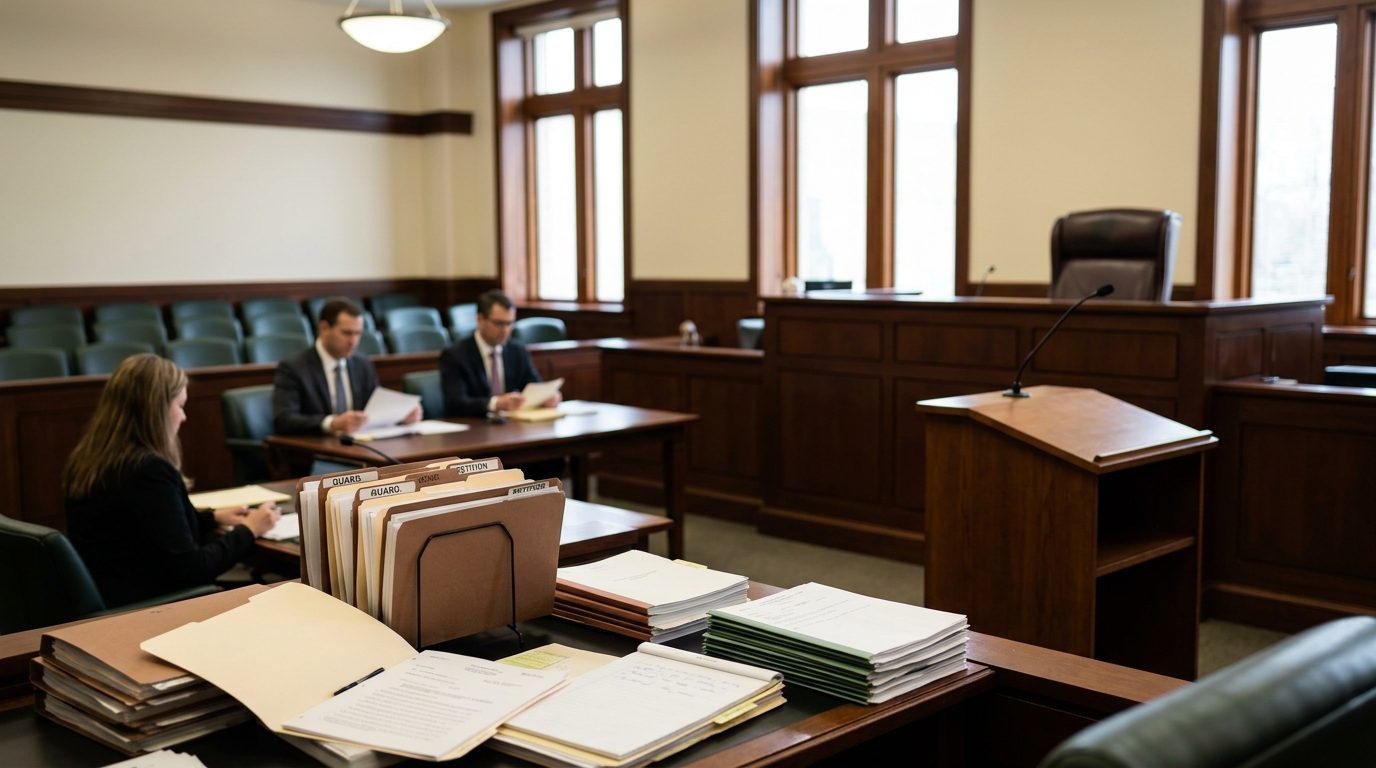
Guardianship
Plenary Guardian Definition: Powers & Responsibilities
Understand what plenary guardianship means, how it differs from limited guardianship, and what authority a plenary guardian holds under Florida law.
By Richard J. Casey III, Esq. · Published September 19, 2026
Plenary Guardian Definition: What Does a Plenary Guardian Do?
A plenary guardian is a person appointed by a Florida court to make decisions on behalf of an incapacitated adult in all areas of life—personal care, healthcare, finances, and legal matters. The term “plenary” means “full” or “complete,” and it signals that this is the broadest form of guardianship available under Florida law. The person for whom the guardian is appointed is called the “ward.”
If you’re researching guardianship because someone in your family can no longer make their own decisions, understanding what a plenary guardian actually does—and whether that level of authority is necessary—is an important first step.
If you're trying to determine whether full guardianship is the right choice for your family member's situation, our team can walk you through what plenary guardianship means and help you explore your options. Talk it through with our team — the first consultation is free, confidential, and carries no obligation.

What Is a Plenary Guardian?
A plenary guardian holds comprehensive legal authority over an incapacitated adult’s entire life unless a court order specifies otherwise. Unlike more limited guardianship arrangements, a plenary guardian is not restricted to one area of decision-making. The guardian steps into the legal shoes of the ward and acts as their representative in nearly every matter that requires a decision.
Under Florida Statutes Chapter 744, which governs guardianship in the state, a plenary guardian is the most comprehensive form of guardianship the court can impose. This is different from a limited guardian, who has authority only over specific areas the court identifies.
Powers and Responsibilities of a Plenary Guardian
A plenary guardian’s authority covers three main categories:
Personal decisions. The guardian decides where the ward lives, what kind of day-to-day care they receive, and how they spend their time. The guardian may choose a nursing home, assisted living facility, or in-home care arrangement.
Healthcare decisions. The guardian makes all medical choices on behalf of the ward. This includes consenting to surgery, choosing medications, deciding on hospice or end-of-life care, and selecting healthcare providers. The guardian must follow the ward’s wishes when they are known and act in the ward’s best interest.
Financial decisions. The guardian manages the ward’s money, pays bills, handles property, makes investment decisions, and protects the ward’s assets. The guardian may sell property, access bank accounts, and make contracts on the ward’s behalf.
A plenary guardian’s role requires constant attention to the ward’s wellbeing and careful stewardship of their resources. The guardian must always act in the ward’s best interest, not their own, and must follow the requirements set out in Florida Statutes Chapter 744.
When Is Plenary Guardianship Necessary?
Plenary guardianship is appropriate when an adult’s incapacity is substantial and affects multiple areas of their life. The person must be unable to manage personal affairs, make informed decisions about healthcare, understand their living situation, or handle finances.
Common situations include:
- Advanced dementia or Alzheimer’s disease, where the person no longer recognizes family members or understands their circumstances
- Severe brain injury from an accident or stroke, leaving the person unable to communicate or make decisions
- Profound intellectual disability, where the person has never had the capacity to manage their own affairs
- End-stage illness, where the person is unconscious or unable to communicate their wishes
Before a court will appoint a plenary guardian, it must find clear and convincing evidence that the person is incapacitated—a high legal standard. The person’s condition must be documented, often through medical evidence and testimony.
Plenary Guardian vs. Limited Guardian
Florida law requires courts to use the least restrictive form of guardianship necessary. This means if a limited guardianship can meet the ward’s needs, the court will not appoint a plenary guardian.
A limited guardian has authority over only specific areas. For example, a limited guardian might make healthcare decisions but have no authority over finances. Another limited guardian might manage money but not make personal-care choices. The court defines the guardian’s powers in the guardianship order.
A plenary guardian has authority over all areas of the ward’s life unless the court specifically restricts it. Plenary guardianship is used when the incapacity is so pervasive that the person cannot function in any major area of life.
The difference is significant: a limited guardianship preserves the ward’s autonomy in areas where they can still make decisions, while a plenary guardianship removes decision-making authority across the board. Courts prefer the limited approach when it’s adequate.
Legal Requirements and Court Oversight
Establishing a plenary guardianship requires a court petition, a hearing, and judicial approval. The court must find clear and convincing evidence of incapacity before it will appoint a plenary guardian.
Once appointed, the plenary guardian is not free to act without oversight. Under Florida Statutes Chapter 744, the guardian must:
- File an annual accounting with the court showing how the ward’s money was spent
- File annual reports on the ward’s condition and the guardian’s actions
- Remain accountable to the court for all decisions made on the ward’s behalf
- Act in the ward’s best interest at all times
The ward also retains certain rights even under plenary guardianship. They can petition the court to end the guardianship or modify it. In many cases, the ward retains the right to vote unless the court specifically removes it. The ward can also object to the guardian’s actions and ask the court to intervene.
Not sure what your next step is?
Talk it through with our team — the first consultation is free, confidential, and carries no obligation.
How to Get Started With Plenary Guardianship
If you believe a family member or loved one needs plenary guardianship, the first step is understanding whether full guardianship is the right choice for their situation. Not every incapacitated person needs a plenary guardian. Some may benefit from a limited guardianship, a power of attorney, or another legal arrangement.
An attorney experienced in guardianship can review the person’s circumstances, explain the differences between plenary and limited guardianship, and help you determine what level of authority is appropriate. Robinson & Casey handles plenary guardianship petitions throughout Florida and can guide you through the court process from start to finish.

Frequently Asked Questions
What is the difference between a plenary guardian and a limited guardian?
A plenary guardian has authority over all areas of the ward’s life, while a limited guardian has authority only over specific areas the court identifies.
Can a plenary guardianship be ended or modified?
Yes. The ward can petition the court to end the guardianship or ask the court to modify it to a limited guardianship if their condition improves or changes.
How often must a plenary guardian report to the court?
Plenary guardians must file annual accountings and reports with the court showing how they have managed the ward’s affairs.
What rights does a ward retain under plenary guardianship?
The ward retains the right to petition the court to end or modify the guardianship, and in many cases, the right to vote unless the court specifically removes it.
If you’re in the middle of deciding whether plenary guardianship is necessary for someone you care for, or if you’re already certain that full guardianship is needed but unsure how to start the court process, families in your situation can reach out to us. We can answer your questions and help you understand your next steps. Contact us today to schedule a consultation.
Key Differences: Plenary vs. Limited Guardianship
Plenary Guardianship
A plenary guardian holds broad authority over all areas of the ward's personal, medical, and financial affairs. The court grants comprehensive decision-making power when the ward is unable to manage any significant aspect of their own life.
Limited Guardianship
A limited guardian has authority only over specific areas the court identifies—such as medical decisions or financial matters—while the ward retains control over other aspects of their life.
When Plenary Is Appropriate
Plenary guardianship is typically sought when a ward has severe cognitive decline, advanced dementia, or a profound disability that prevents them from making decisions in multiple life domains.
Court Oversight Applies
Even with plenary authority, guardians remain accountable to the court. Florida law requires guardians to act in the ward's best interest and to file regular accountings and reports with the court.
What a Plenary Guardian Can Do
Make Medical Decisions
Authorize medical treatment, choose healthcare providers, and make end-of-life decisions on behalf of the ward.
Manage Financial Affairs
Handle bank accounts, pay bills, manage investments, and make financial decisions in the ward's interest.
Make Personal Decisions
Determine where the ward lives, arrange for care and support services, and make other personal decisions affecting daily life.
Access Records
Obtain medical, financial, and legal records necessary to fulfill guardianship duties and protect the ward's interests.
Important: Plenary Guardianship Is Modifiable
A plenary guardianship is not permanent. The ward, or others acting on their behalf, can petition the court to end the guardianship or modify it to a limited guardianship if circumstances change or if the ward regains capacity.
Common Questions About Plenary Guardianship
How is a plenary guardian appointed?
A petition is filed with the court, typically by a family member or concerned party. The court holds a hearing, and if it finds the person lacks the capacity to manage their affairs, it appoints a plenary guardian.
What are the guardian's ongoing responsibilities?
Guardians must act in the ward's best interest, maintain detailed records, file annual accountings with the court, and report on the ward's condition and care arrangements.
Can a plenary guardianship be challenged?
Yes. The ward or interested parties may petition the court to contest the guardianship, request modification, or seek its termination if they believe the guardianship is no longer necessary.
What happens if a guardian fails in their duties?
The court can remove a guardian who breaches their fiduciary duty, mismanages funds, or fails to act in the ward's interest. The court may also impose penalties or require restitution.
Why Robinson & Casey Handles Plenary Guardianship Cases
Focused Practice
We focus exclusively on guardianship matters and Marchman Act petitions, bringing deep knowledge of Florida guardianship law to every case.
Efficient Process
We guide families through the guardianship petition process, court hearings, and ongoing compliance requirements with clarity and care.
Statewide Service
We serve families across South Florida and throughout Florida, handling plenary guardianship cases for individuals with varying needs and circumstances.
Direct Access
We work directly with families to understand their situation and help them pursue the guardianship arrangement that protects their loved one.