
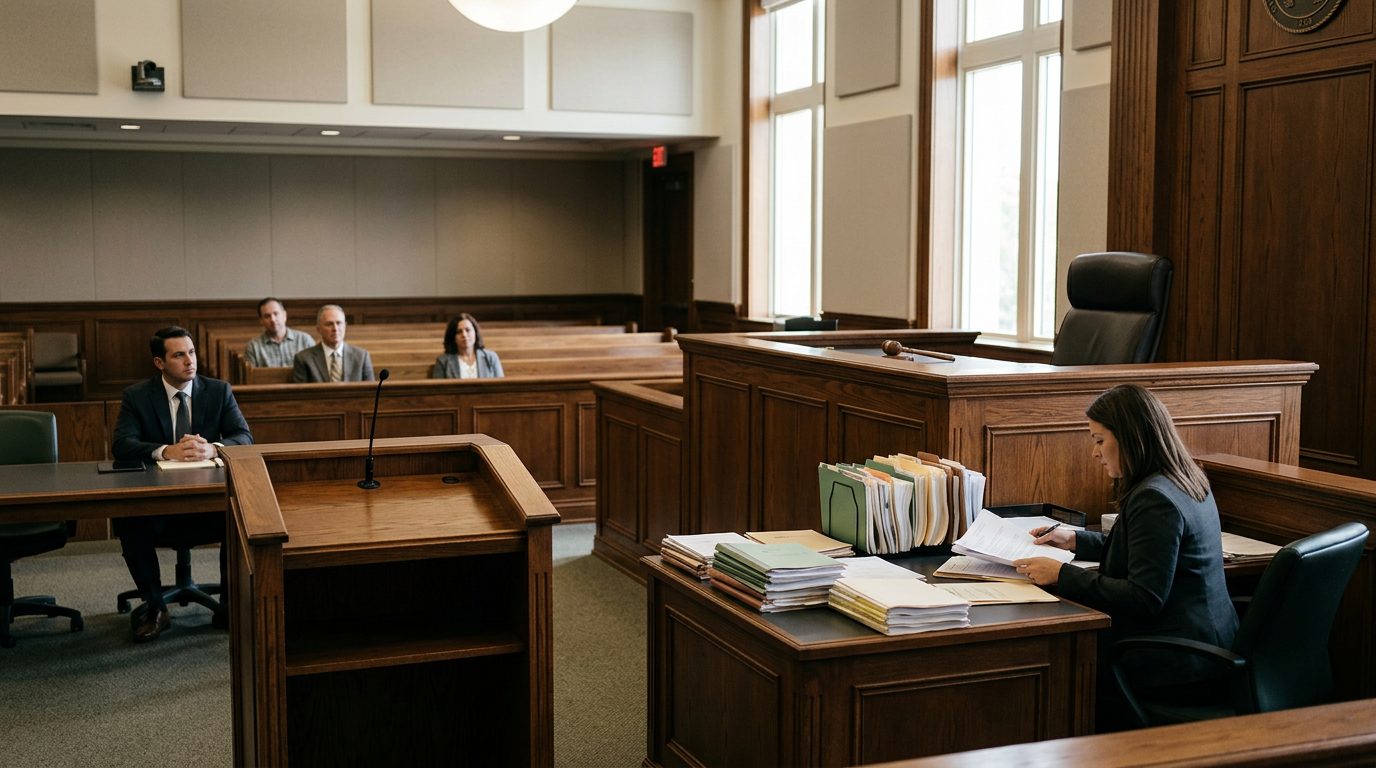
Emergency Temporary Guardianship
Fast Court Action When Time Matters
Robinson & Casey handles emergency temporary guardianship petitions across South Florida. When a loved one needs immediate protection, we move quickly through the court system.
By Richard J. Casey III, Esq. · Published September 18, 2026
Emergency Temporary Guardianship in South Florida: When You Need Immediate Legal Authority
When a loved one suddenly becomes incapacitated—from a stroke, accident, or acute mental health crisis—your family may not have time to wait weeks for standard guardianship proceedings. Emergency temporary guardianship grants immediate legal authority to make medical, financial, and personal decisions on behalf of an incapacitated person without a lengthy court process. In South Florida, circuit courts in Miami-Dade, Broward, and Palm Beach counties can issue emergency temporary guardianship orders within 24–48 hours when the need is urgent and properly documented.
This guide explains what emergency temporary guardianship is, how the South Florida court process works, what you can do as a temporary guardian, and how Robinson & Casey helps families move quickly during a crisis.
If a stroke, accident, or sudden crisis has left a family member unable to make medical or financial decisions, emergency temporary guardianship may be your pathway to immediate legal authority—and families in your situation can reach out to us. Talk it through with our team — the first consultation is free, confidential, and carries no obligation.

What Emergency Temporary Guardianship Is and When South Florida Families Need It
Emergency temporary guardianship is a court-ordered arrangement that grants immediate legal authority to make decisions for an incapacitated person without waiting for full guardianship proceedings to be completed.
Unlike standard guardianship, which can take 30–90 days or longer, emergency temporary guardianship is designed for crisis situations. It allows the temporary guardian to act right away—often within hours or a day or two—when a family member cannot wait. The authority is temporary (typically lasting 90 days or until full guardianship is established, whichever comes first) and narrower in scope than full guardianship, but it gives you the legal standing to make urgent decisions when every hour matters.
Common triggers for emergency temporary guardianship in South Florida include:
- Sudden stroke or brain injury: An adult child discovers a parent has suffered a stroke and is hospitalized. The parent cannot make medical decisions, and no power of attorney exists.
- Acute psychiatric crisis: A family member is admitted to a psychiatric facility involuntarily. The family needs immediate authority to manage finances and make treatment decisions.
- Hospitalization without advance planning: An elderly parent is admitted to the ICU. No healthcare proxy or power of attorney is in place, and the hospital cannot release medical information or accept treatment decisions from family members without legal authority.
- Rapid cognitive decline: A parent’s memory and judgment deteriorate suddenly. The family discovers unpaid bills, missed medications, and vulnerability to financial exploitation.
- Accident or trauma: A young adult is incapacitated by a car accident or fall. Parents need legal authority to make medical decisions and manage their child’s affairs.
- Substance use crisis: A family member’s addiction has rendered them unable to care for themselves or manage finances. The family needs immediate protective authority.
In each scenario, emergency temporary guardianship bridges the gap between the crisis and the establishment of full guardianship authority.
How Emergency Temporary Guardianship Differs from Other Guardianship Types
Understanding the differences between guardianship types helps you choose the right legal path for your situation.
Emergency temporary guardianship grants immediate authority, often without a full hearing, and is designed specifically for crisis situations. The court may grant it ex parte (without the incapacitated person present) based on evidence of immediate need. It lasts up to 90 days or until full guardianship is established.
Plenary guardianship is full, ongoing authority over all decisions—medical, financial, and personal. It requires a complete court process, including a hearing where the incapacitated person has the right to be present and represented by counsel. Plenary guardianship takes longer to establish but provides comprehensive, indefinite authority.
Limited guardianship grants authority over specific areas only—for example, medical decisions, financial matters, or personal care—while the incapacitated person retains rights in other areas. Limited guardianship also requires a full court process and is appropriate when the person retains some decision-making capacity.
Mental health guardianship is authority specific to mental health treatment decisions. It follows a separate petition process and is used when a person’s mental health condition requires treatment decisions but they may retain capacity in other areas.
The key distinction: emergency temporary guardianship is crisis-focused and fast; the others are comprehensive and require more time. Choosing the right type affects your timeline, the scope of your authority, and the court process you’ll navigate.
The South Florida Court Process for Emergency Temporary Guardianship
The emergency temporary guardianship process in South Florida is designed for speed while maintaining legal safeguards.
Step 1: Petition filing. Your attorney prepares a petition and files it in the circuit court of the county where the incapacitated person resides. In South Florida, that means Miami-Dade County Court, Broward County Court, or Palm Beach County Court, depending on where your loved one lives.
Step 2: Ex parte hearing option. The court may grant temporary authority without a full hearing and without the incapacitated person present, based on evidence of immediate need. This is called an ex parte hearing. It’s faster than a traditional hearing and is appropriate when the evidence clearly shows urgency and incapacity.
Step 3: Affidavits and medical documentation. Your petition must include a physician’s affidavit—a sworn statement from a doctor confirming that the person is incapacitated and that immediate action is necessary. Medical records, hospital discharge summaries, or clinical notes strengthen your case.
Step 4: Court order. If the court finds that emergency temporary guardianship is warranted, it issues a written order granting temporary authority. You receive this order and can begin acting immediately on behalf of the incapacitated person.
Step 5: Duration and transition. Temporary guardianship typically lasts 90 days or until full guardianship is established, whichever comes first. During this period, your attorney typically files a petition for plenary or limited guardianship to establish ongoing authority. The temporary guardianship runs concurrently with the full guardianship proceedings, so there’s no gap in your legal authority.
South Florida courts handle emergency temporary guardianship petitions regularly. The circuit courts in Miami-Dade, Broward, and Palm Beach counties understand the urgency and can move quickly when the paperwork is complete and the need is clear.
What You Can Do as an Emergency Temporary Guardian in South Florida
Once the court grants emergency temporary guardianship, you have immediate legal authority to act on behalf of the incapacitated person within the scope of the court order.
Medical decisions: You can consent to medical treatment, access medical records, communicate with healthcare providers, and make decisions about hospitalization, surgery, medication, and rehabilitation. Hospitals and physicians will recognize your authority based on the court order.
Financial decisions: You can pay bills from the incapacitated person’s accounts, manage bank accounts, protect assets, arrange for necessary services, and handle financial obligations. You cannot, however, make gifts or transfer assets without court approval in many cases—temporary guardianship carries fiduciary duties.
Personal decisions: You can arrange living accommodations, make day-to-day care decisions, and coordinate services like home health care or assisted living.
Scope and limitations: The specific authority granted depends on your court order. Some orders grant broad authority; others are narrower based on the circumstances. Temporary guardianship does not allow you to make certain decisions—like marriage, adoption, or major asset sales—without full guardianship authority. Always refer to your court order to understand your exact powers.
Who Can File for Emergency Temporary Guardianship in South Florida
Florida law allows multiple parties to petition for emergency temporary guardianship if they have a legitimate interest in the incapacitated person’s welfare.
Family members are the most common petitioners: adult children, spouses, parents, and siblings. You don’t need to be the closest relative; you need to demonstrate a genuine interest in the person’s welfare.
Healthcare providers and facilities can petition if no family is available or willing to act. Hospitals, nursing homes, and physicians may file when a patient is incapacitated and has no surrogate decision-maker.
Social services agencies may petition in cases of neglect, abuse, or exploitation.
Any interested person with a legitimate interest in the incapacitated person’s welfare can petition. This is broad language that includes concerned friends, neighbors, or advocates.
Attorney representation strengthens your petition. While not legally required, having an attorney prepare and file your petition ensures compliance with court rules, completeness of documentation, and proper presentation to the judge. An attorney also coordinates with hospitals and physicians to obtain necessary medical documentation quickly.
Not sure what your next step is?
Talk it through with our team — the first consultation is free, confidential, and carries no obligation.
Documentation and Evidence Required for Your South Florida Petition
South Florida courts expect complete, organized filings. Missing documents delay the process—sometimes by days—which defeats the purpose of emergency action.
Physician’s affidavit: A sworn statement from a licensed physician confirming that the person is incapacitated and that immediate action is necessary. The affidavit must explain the medical basis for incapacity and why delay would be harmful.
Petition form: A detailed explanation of why emergency temporary guardianship is needed, who the incapacitated person is, your relationship to them, and what specific authority you’re seeking.
Proof of incapacity: Medical records, hospital discharge summaries, clinical notes, or diagnostic reports that support the physician’s affidavit.
Relationship documentation: Birth certificates, marriage licenses, or other documents proving your relationship to the incapacitated person.
Proposed guardian information: Your name, residence, background, and a statement confirming your willingness to serve as temporary guardian.
Notarization and formatting: Affidavits must be notarized. Petitions must follow Florida court rules regarding formatting, font size, and filing requirements.
An experienced attorney ensures all documents are complete, properly formatted, and filed in the correct court. This reduces delays and increases the likelihood of quick approval.
Timeline: How Quickly Emergency Temporary Guardianship Can Be Granted
The speed of emergency temporary guardianship is one of its key advantages, but realistic timelines depend on several factors.
Filing to court review: 1–3 business days in South Florida. Once your petition is filed, the court typically reviews it within this window.
Ex parte hearing: Can occur within 24–48 hours if the court finds immediate need. The judge may grant temporary authority without a full hearing, based on the affidavits and documentation you submit.
Order issuance: You may receive the court order the same day or within 1–2 business days after the hearing. Once you have the order, you can act immediately.
Full guardianship follow-up: Temporary authority bridges the gap until full guardianship is established, which typically takes 30–90 days.
Delays: Incomplete filings, missing medical documentation, or court scheduling conflicts can extend the timeline. This is why working with an attorney who knows South Florida court procedures matters—an attorney files complete, compliant petitions that move through the system without delays.
What Happens After Emergency Temporary Guardianship Is Granted
Once the court grants emergency temporary guardianship, you have immediate legal authority, but the process doesn’t end there.
Immediate authority: You can act on behalf of the incapacitated person right away. Hospitals, banks, and other institutions will recognize your authority based on the court order.
Notification requirements: Certain parties must be notified of the temporary guardianship order—typically the incapacitated person, their attorney (if one is appointed), and other interested parties as required by Florida law.
Full guardianship petition: Your attorney typically files a petition for plenary or limited guardianship to establish ongoing authority. This petition runs concurrently with your temporary guardianship, so there’s no gap.
Court oversight: As a temporary guardian, you must follow court rules. You may need to file accountings, reports, or other documents showing how you’ve managed the incapacitated person’s affairs. The court maintains oversight to protect the incapacitated person’s interests.
Termination: Temporary guardianship ends when full guardianship is granted or when the 90-day period expires, whichever comes first. If full guardianship is granted, you transition smoothly into that role. If the 90 days expire without full guardianship being established, you lose authority unless the court extends temporary guardianship.
Why Working with a South Florida Attorney Matters
Handling emergency temporary guardianship on your own is possible, but an experienced attorney reduces delays and stress during a family crisis.
Petition accuracy: An attorney ensures all required forms, affidavits, and documentation are complete and compliant with Florida court rules. Missing or incorrect documents delay approval.
Local court knowledge: Robinson & Casey understands South Florida circuit court procedures, local rules, and judges’ expectations. This knowledge translates to faster processing and fewer surprises.
Speed: Experienced filing and presentation can reduce delays and move your petition through the system faster. In a crisis, days matter.
Coordination with healthcare: Your attorney communicates with hospitals and physicians to obtain necessary medical documentation quickly. Hospitals often respond faster to attorney requests than to family requests.
Continuity: An attorney can transition your temporary guardianship into full guardianship without gaps in authority. You remain the guardian throughout, and the process is seamless.
Peace of mind: Legal guidance reduces stress during a family crisis. You know your petition is being handled correctly, and you can focus on your loved one’s care rather than court procedures.
Robinson & Casey’s Approach to Emergency Temporary Guardianship in South Florida
Robinson & Casey focuses exclusively on guardianship and Marchman Act matters. We don’t handle other practice areas, which means our entire practice is built around helping families like yours navigate guardianship crises.
Focused practice: Because we handle only guardianship and Marchman Act petitions, we bring deep knowledge of South Florida court procedures, judges’ preferences, and the documentation courts expect.
South Florida presence: We serve Miami-Dade, Broward, Palm Beach, and surrounding counties. We know the circuit courts, understand local procedures, and have established relationships with court staff.
Emergency response: We’re ready to move quickly when families face immediate guardianship needs. We understand that in a crisis, speed is essential.
Comprehensive service: We handle emergency temporary guardianship and guide you through the transition to full guardianship. You don’t need to find another attorney later; we manage the entire process.
Client communication: We explain the process clearly, set realistic timelines, and keep you informed at each step. You’ll understand what’s happening and what to expect.
If a stroke, accident, or sudden crisis has left a family member unable to make medical or financial decisions, emergency temporary guardianship may be your pathway to immediate legal authority—and families in your situation can reach out to us. Talk it through with our team — the first consultation is free, confidential, and carries no obligation.
Frequently Asked Questions
How quickly can emergency temporary guardianship be granted in South Florida?
Court review typically takes 1–3 business days, and ex parte hearings can occur within 24–48 hours. You may receive the order the same day or within 1–2 business days.
What documentation do I need to file for emergency temporary guardianship?
You’ll need a physician’s affidavit confirming incapacity, the petition form, medical records, proof of your relationship to the incapacitated person, and your statement of willingness to serve.
Can a temporary guardian make medical decisions?
Yes. Temporary guardians can consent to medical treatment, access medical records, and communicate with healthcare providers on behalf of the incapacitated person.
What is the difference between emergency temporary guardianship and plenary guardianship?
Emergency temporary guardianship is immediate and crisis-focused, lasting up to 90 days. Plenary guardianship is full, ongoing authority requiring a complete court process and taking longer to establish.
How long does emergency temporary guardianship last?
Temporary guardianship typically lasts 90 days or until full guardianship is established, whichever comes first.
Can I file for emergency temporary guardianship without a hearing?
Yes. Courts may grant temporary guardianship ex parte (without a hearing) based on affidavits and documentation showing immediate need and incapacity.
Who can petition for emergency temporary guardianship?
Family members, healthcare providers, social services agencies, or any person with a legitimate interest in the incapacitated person’s welfare can petition.
Do I need an attorney to file for emergency temporary guardianship?
An attorney is not legally required, but one strengthens your petition, ensures compliance with court rules, and can move your case through the system faster.

Your Family’s Next Step
If a stroke, accident, or sudden crisis has left a family member unable to make medical or financial decisions, you may be facing the immediate question: Who has the legal authority to act? Emergency temporary guardianship is the answer when time is critical and waiting for standard guardianship isn’t an option. Families in your exact situation—needing immediate legal authority to protect a loved one—reach out to Robinson & Casey regularly, and we’re ready to help.
Call us at (561) 849-4149 or schedule a consultation to discuss your situation. We’ll explain your options, outline the timeline, and begin moving your petition through South Florida courts right away.
Why Choose Robinson & Casey for Emergency Temporary Guardianship
Rapid Court Filing
We prepare and file emergency petitions immediately. Court review typically takes 1–3 business days, and ex parte hearings can occur within 24–48 hours.
Complete Documentation
We handle all required paperwork, including physician affidavits, petition forms, and supporting evidence—so the process moves without delay.
Protection When Needed
Emergency temporary guardianship provides immediate authority to make medical, financial, and personal decisions for someone at risk.
Direct Access
Contact us by phone at (561) 849-4149 to discuss your situation and begin the filing process right away.
What You'll Need
Physician's Affidavit
A licensed physician must confirm the person's incapacity or medical condition requiring guardianship. This is the foundation of your petition.
Petition Documents
We prepare the formal petition, including statements of incapacity and details about the proposed ward's care needs and assets.
Supporting Evidence
Medical records, treatment history, or other documentation that demonstrates the urgency and necessity for emergency temporary guardianship.
Court Filing
We file everything with the appropriate Florida court. Ex parte hearings allow the judge to act quickly, sometimes within 24–48 hours.
Time Is Critical
Emergency temporary guardianship is designed for situations where immediate action is necessary to protect someone's health, safety, or finances. The sooner you file, the sooner the court can act.
Common Questions
How quickly can the court grant emergency temporary guardianship?
Court review typically takes 1–3 business days. Ex parte hearings—where the judge reviews your petition without the proposed ward present—can occur within 24–48 hours. You may receive the order the same day or within 1–2 business days.
What is the difference between emergency temporary and plenary guardianship?
Emergency temporary guardianship is a short-term measure that provides immediate authority while a full guardianship petition is prepared. Plenary guardianship is the permanent court order that follows, after a full hearing and due process.
Can emergency temporary guardianship be used for addiction or mental health crises?
Yes. Robinson & Casey also handles Marchman Act petitions for involuntary commitment related to addiction, and mental health guardianship for individuals unable to care for themselves due to mental illness.
What happens after emergency temporary guardianship is granted?
You gain immediate decision-making authority. Robinson & Casey can then guide you through the transition to plenary guardianship if permanent guardianship is needed, or help you manage the temporary order as the situation evolves.