
Guardianship Attorney
Temporary Guardianship for Incapacitated Adults in Florida
Navigate emergency guardianship petitions with legal guidance focused on protecting your loved one's interests.
By Richard J. Casey III, Esq. · Published September 18, 2026
Temporary Guardianship for Incapacitated Adults in Florida
When an adult suddenly loses the ability to make decisions due to stroke, dementia, accident, or mental health crisis, a family member or caregiver often needs immediate legal authority to act on their behalf. Temporary guardianship for an incapacitated adult in Florida is a court-ordered arrangement that grants you that authority—quickly—to make medical, financial, and personal decisions while the person cannot do so themselves.
Robinson & Casey handles temporary guardianship petitions for families across South Florida and statewide. We understand the urgency of these situations and work efficiently to move your case through the courts. Here’s what you need to know about the process, timeline, and what temporary guardianship actually covers.
Not sure what your next step is?
Talk it through with our team — the first consultation is free, confidential, and carries no obligation.

What Is Temporary Guardianship for an Incapacitated Adult?
Temporary guardianship is a court order that grants one person (the guardian) legal power to make decisions for another adult (the ward) who cannot make decisions for themselves.
This arrangement is temporary—typically lasting six months—and is designed for situations where immediate legal authority is needed but a full, permanent guardianship may not yet be necessary. The court can extend temporary guardianship, convert it to permanent (plenary) guardianship if the incapacity is long-term, or terminate it if the person regains capacity.
Temporary guardianship applies when an adult has lost decision-making capacity due to sudden illness, injury, dementia diagnosis, severe mental health crisis, accident, or another condition that renders them unable to manage their own affairs. It’s the right tool when there’s no advance directive, power of attorney, or healthcare proxy already in place—and when waiting for standard guardianship proceedings isn’t feasible.
Who Needs Temporary Guardianship?
You may need temporary guardianship if:
- An adult family member has suddenly lost the ability to make decisions due to stroke, head injury, dementia, psychosis, or another medical or mental health condition.
- You need immediate legal authority to consent to medical treatment, surgery, or hospitalization.
- You must access the person’s bank accounts, pay their bills, or protect their assets while they cannot manage finances.
- The person has no advance directive, healthcare proxy, or power of attorney in place.
- Waiting for standard guardianship—which can take weeks or months—is not an option because urgent medical or financial decisions must be made now.
Florida law allows any interested person to petition for temporary guardianship, not only family members. This includes friends, healthcare providers, or social services agencies acting in the incapacitated person’s interest.
What Does Temporary Guardianship Cover?
The scope of your authority as a temporary guardian is defined by the court order. Typically, temporary guardianship covers:
Medical Decisions – Consent to medical treatment, surgery, medication, and hospitalization – Discharge planning and post-hospital care arrangements – End-of-life medical decisions (in some cases)
Financial Decisions – Access to bank accounts and payment of bills – Management of property and assets – Protection of the ward’s financial interests – Payment of debts and obligations
Personal Decisions – Living arrangements and day-to-day care – Social and recreational activities – Decisions about the person’s general welfare
Legal Representation – The guardian acts as the ward’s legal representative with third parties, healthcare providers, and financial institutions.
Important limitation: Your powers are defined by the specific court order. You cannot make decisions outside the scope the judge grants. For example, if the court order grants you authority over medical and financial decisions but not personal living arrangements, you’re limited to those areas.
How Temporary Guardianship Works: Step-by-Step Process
Step 1: Initial Consultation
You meet with Robinson & Casey to describe the incapacitated person’s situation, medical condition, and immediate needs. We discuss your relationship to the person, why guardianship is necessary, and what decisions you need to make urgently. This consultation helps us determine whether temporary guardianship is the right path and what information we’ll need.
Step 2: Medical Evaluation
Florida law requires a physician to examine the incapacitated person and provide a written statement of incapacity. This medical report is the foundation of your petition. Robinson & Casey works with established physicians who understand guardianship requirements and can complete this evaluation quickly. If the person is hospitalized, the hospital physician can often provide this report.
Step 3: Petition Preparation
We prepare a guardianship petition that includes the physician’s report, information about the incapacitated person, details about your relationship and suitability as guardian, and a description of the powers you’re requesting. The petition must comply with Florida Statutes Chapter 744 and local court rules.
Step 4: Court Filing and Notice
We file the petition with the appropriate county court. The incapacitated person and certain family members must be notified of the proceeding. Proper notice is a legal requirement and ensures the person has the opportunity to object if they wish.
Step 5: Court Hearing
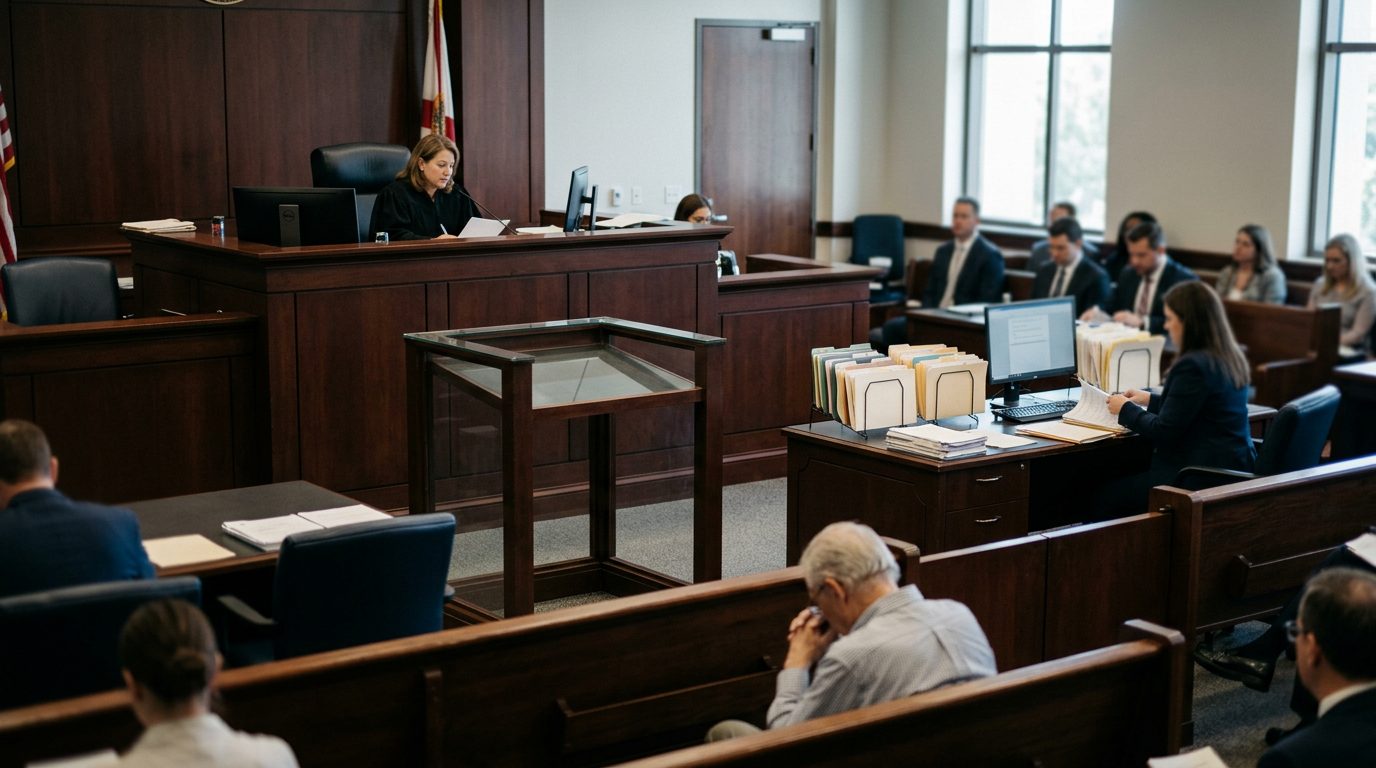
A judge reviews your petition, the physician’s medical evidence, and any other information presented. You may be called to testify about why guardianship is necessary and why you’re the appropriate guardian. The incapacitated person has the right to appear and object. The judge determines whether the person is truly incapacitated and whether temporary guardianship is in their best interest.
Step 6: Court Order
If the judge approves, the court issues a temporary guardianship order naming you as guardian and defining your specific powers. This order is your legal authority to act on the ward’s behalf.
Step 7: Ongoing Duties
As guardian, you manage the ward’s affairs, keep detailed records of financial transactions, and may be required to file an annual accounting with the court. You must always act in the ward’s best interest and comply with all court orders.
Timeline: How Long Does Temporary Guardianship Take?
The timeline depends on court availability and the complexity of your situation, but here’s what to expect:
| Phase | Typical Duration |
|---|---|
| Initial consultation to petition filing | 3–7 business days |
| Court hearing scheduling | 1–3 weeks after filing |
| Total time from start to court order | 2–4 weeks in routine cases |
| Expedited hearings (emergency medical situations) | Within days |
| Duration of temporary guardianship | 6 months from order date (renewable or convertible) |
In emergencies—for example, when urgent medical consent is needed—courts may schedule expedited hearings within days. Robinson & Casey can request emergency scheduling when circumstances warrant it.
Not sure what your next step is?
Talk it through with our team — the first consultation is free, confidential, and carries no obligation.
Why Robinson & Casey for Temporary Guardianship
Focused Practice We handle only Marchman Act petitions and guardianship matters. Temporary guardianship is a core service, not a side offering. This focus means we understand Florida guardianship law deeply and stay current with procedural changes.
Experience with Urgent Timelines We know that incapacity situations don’t wait. We work efficiently to prepare petitions, coordinate medical evaluations, and meet court deadlines so your case moves forward without unnecessary delay.
Statewide and South Florida Reach Licensed to serve families across Florida, we have deep familiarity with Miami-Dade, Broward, and Palm Beach county court procedures and local judges’ preferences.
Physician Network We’ve built relationships with physicians who understand guardianship requirements and can provide the required medical evaluation quickly—often within days.
Clear Communication We explain the process, your obligations as guardian, court timelines, and next steps in plain language so you know what to expect and aren’t surprised by requirements or costs.
Common Questions About Temporary Guardianship
Do I need a lawyer to get temporary guardianship?
You can file a petition yourself, but the process involves strict legal requirements, medical documentation, and court procedures. An attorney ensures compliance and increases the likelihood of approval.
What if the incapacitated person objects?
The person has the right to be notified and to object. The court will consider their wishes and any evidence they present. The judge makes the final determination based on whether the person is truly incapacitated.
Can I become temporary guardian if I’m not a family member?
Yes. Florida law allows any interested person to petition for guardianship, including friends, healthcare providers, or social services agencies. The court considers who is best suited to act in the incapacitated person’s interest.
What are my duties as a temporary guardian?
You must act in the ward’s best interest, manage their finances honestly, keep records, make medical and personal decisions as needed, and comply with court orders. You may be required to file an annual accounting.
Can temporary guardianship be converted to permanent guardianship?
Yes. Temporary guardianship can be extended or converted to plenary (permanent) guardianship if the incapacity is expected to be long-term or permanent.
What if the person regains capacity?
The guardianship can be terminated by petition to the court. If the person recovers decision-making ability, the court may restore their rights.
What to Bring to Your Consultation
To make your initial consultation as productive as possible, gather:
- Recent medical records, diagnosis, or hospital discharge summary
- Names and contact information of family members
- Information about the person’s assets, debts, and financial accounts
- Any existing documents (will, power of attorney, healthcare directive, if available)
- Details about the urgent decisions that need to be made

Get in Touch Today
If a sudden stroke, accident, or health crisis has left an adult unable to make decisions and you need immediate legal authority to act on their behalf, families in your situation reach out regularly. Robinson & Casey is ready to help you navigate the temporary guardianship process quickly and clearly.
Call (561) 849-4149 to schedule a consultation. Describe the situation and the incapacitated person’s condition; we’ll advise you on whether temporary guardianship is the right path and what happens next. You don’t have to face this alone.
How Robinson & Casey Supports Your Petition
Petition Preparation & Filing
We prepare and file your temporary guardianship petition with the court, ensuring all required documentation and medical evidence meet Florida's legal standards.
Court Representation
We represent you throughout the guardianship process, from initial filing through court hearings, protecting your interests and your loved one's welfare.
Emergency & Urgent Matters
When time is critical, we handle emergency temporary guardianship petitions designed to provide immediate legal protection for incapacitated individuals.
Guidance on Guardianship Types
We help you understand whether temporary, plenary, limited, or mental health guardianship is appropriate for your situation.
Understanding Temporary Guardianship in Florida
What Is Temporary Guardianship?
Temporary guardianship is a court-ordered arrangement that grants a guardian immediate legal authority over an incapacitated adult's personal and financial affairs. It is designed for urgent situations where swift protection is necessary.
When It May Be Needed
Temporary guardianship may be sought when an adult lacks the capacity to make decisions due to illness, injury, cognitive decline, or mental health crisis, and no other legal arrangement exists.
The Legal Process
The process involves filing a petition with the court, providing medical documentation of incapacity, notifying the incapacitated person, and attending a hearing. An attorney ensures compliance with all procedural requirements.
Duration & Transition
Temporary guardianship typically lasts a limited period. It may transition to plenary or limited guardianship, or be terminated if the person regains capacity or other arrangements become appropriate.
Time Matters in Emergency Situations
If an incapacitated adult faces immediate risk or urgent decisions must be made, temporary guardianship can provide swift legal authority. The court process has specific procedural requirements that must be followed carefully to protect both the incapacitated person and the petitioner.
Common Questions About Temporary Guardianship
Do I need an attorney?
You can file a petition yourself, but the process involves strict legal requirements, medical documentation, and court procedures. An attorney ensures compliance and increases the likelihood of approval.
What if the incapacitated person objects?
The person has the right to be notified and to object. The court will consider their position, and the proceeding may require evidence of incapacity presented at a hearing.
What medical evidence is required?
Florida law requires medical documentation supporting the claim of incapacity. This typically includes physician affidavits or reports detailing the person's condition and inability to make decisions.
How long does temporary guardianship last?
Temporary guardianship is not indefinite. The court sets a duration, and it may be extended, terminated, or converted to another guardianship type depending on the person's circumstances.