
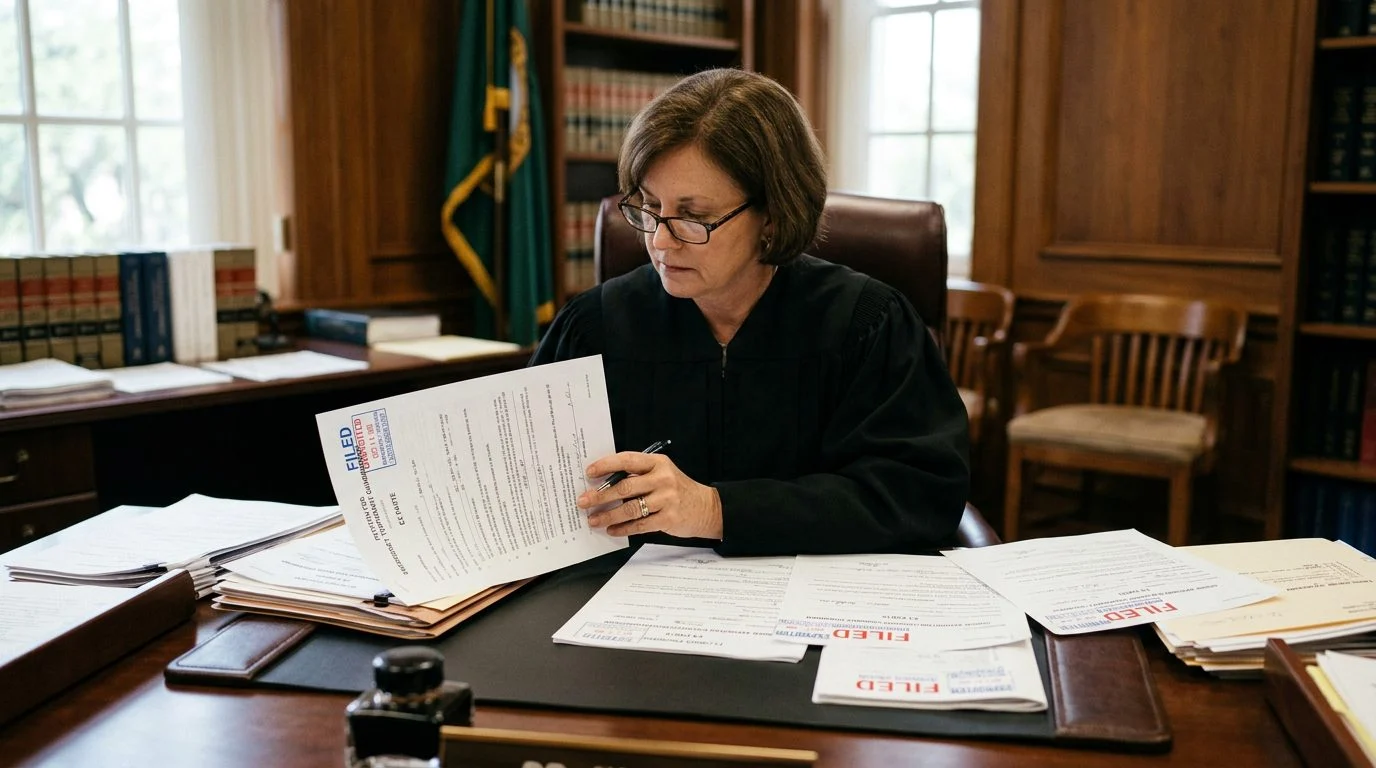
Emergency Guardianship | Florida
Emergency Temporary Guardianship in Florida: When It's Needed
Fast legal action to protect a vulnerable person in immediate danger. Robinson & Casey handles emergency petitions across South Florida.
By Richard J. Casey III, Esq. · Published September 28, 2026
When Do You Need Emergency Temporary Guardianship in Florida?
You need emergency temporary guardianship when an incapacitated person faces immediate, serious danger and no one with legal authority can act fast enough to prevent harm. This court-ordered remedy exists precisely for crises that can’t wait for standard guardianship proceedings—but it’s not the right tool for every urgent situation. Understanding when it applies, and when it doesn’t, helps you protect someone you care for without unnecessary legal steps.

Not sure what your next step is?
Talk it through with our team — the first consultation is free, confidential, and carries no obligation.
What Emergency Temporary Guardianship Is
Emergency temporary guardianship is a court order that grants immediate decision-making authority over an incapacitated person’s care or property without the full hearing and timeline required for standard guardianship. Unlike plenary guardianship or limited guardianship, which involve notice, hearing, and due process, emergency temporary guardianship can be granted quickly when the court finds that delay would cause substantial harm.
Under Florida Statutes § 744.331, the court may grant emergency temporary guardianship to protect a person’s welfare during an urgent crisis. The order is temporary—typically lasting up to 90 days—and is designed as a bridge to standard guardianship or as a standalone remedy when the danger is immediate and acute.
The Core Legal Standard: Imminent Danger or Harm
Florida law requires one essential finding: the person must face imminent danger to their person or property. Imminent means the harm is immediate and real, not distant, theoretical, or merely inconvenient. A family disagreement about care, or concern that someone isn’t making the best choice, is not imminent danger. A medical crisis unfolding right now, or active financial exploitation, is.
Courts look for situations where waiting for a standard guardianship hearing—which involves notice, a full court proceeding, and time—would result in substantial harm. The danger must be documented, credible, and urgent enough to justify bypassing normal due-process protections.
Situations Where Emergency Temporary Guardianship May Be Needed
Medical Emergencies Without Decision-Making Authority
A person suffers a stroke or sudden illness and cannot consent to urgent surgery or treatment. No healthcare proxy or advance directive exists. Family members disagree on critical care decisions, and the hospital cannot proceed without legal authority. Emergency temporary guardianship allows the court to appoint someone to make that decision immediately.
Incapacity Without Advance Planning
An accident or sudden cognitive decline leaves someone unable to manage their affairs. They have no power of attorney, no healthcare directive, and no one with legal authority to pay their bills, access their medical records, or arrange care. If they face immediate financial or medical harm, emergency temporary guardianship can step in.
Exploitation or Abuse of a Vulnerable Adult
A vulnerable adult is being financially exploited by a caregiver, physically abused, or severely neglected. The person is incapable of protecting themselves. Immediate intervention is needed to remove them from danger and secure their assets. Emergency temporary guardianship can authorize someone to relocate them, stop the exploitation, and protect their property.
Inability to Meet Basic Needs
A person with cognitive decline cannot obtain food, medication, shelter, or medical care due to their incapacity. No one with legal authority is acting on their behalf. They face immediate risk of serious harm. Emergency temporary guardianship can authorize someone to step in and meet those needs.
Dangerous Self-Neglect
A person with dementia or mental illness refuses necessary medical care or lives in unsafe conditions—no heat in winter, no running water, hoarding that creates fire hazard. The risk of serious harm is immediate and documented. Standard guardianship procedures would take too long.
Substance Use Crisis
A person in acute danger due to addiction is unable to make safe decisions and faces immediate risk of overdose, harm, or death. Emergency intervention is needed to protect them during the crisis and connect them to treatment.
How Emergency Temporary Guardianship Differs from Standard Guardianship
Timeline. Emergency temporary guardianship can be granted without a full hearing; standard guardianship requires notice to the person, a hearing, and due process.
Duration. Emergency temporary guardianship is time-limited, typically up to 90 days. Standard guardianship continues until the court terminates it.
Scope. Emergency temporary guardianship addresses the immediate crisis—a single medical decision, removal from danger, or protection of assets during acute incapacity. Standard guardianship may be broader and longer-term.
Use in practice. Emergency temporary guardianship is often used as a bridge while standard guardianship is being pursued. Sometimes it’s the only tool needed if the crisis resolves or the person regains capacity.
What Emergency Temporary Guardianship Does and Does Not Do
What it does: Grants immediate authority to make decisions about medical care, living arrangements, or asset protection. Removes the person from imminent danger. Preserves their welfare during crisis.
What it does not do: Does not automatically resolve all long-term care needs. Does not determine a particular outcome. Does not replace the need for ongoing planning or standard guardianship if long-term incapacity exists. Does not strip the person of all their rights—they retain the right to challenge the guardianship and to have it terminated if circumstances change.
Have questions about what happened?
Ask our team directly. The first conversation is free, confidential, and there is no obligation to continue.
Key Factors Courts Consider
When you petition for emergency temporary guardianship, the court will examine:
- Is the person incapacitated? Can they manage their person or property, or are they unable to do so?
- Is there imminent danger? Not just inconvenience or disagreement, but real, immediate risk of harm—documented with medical records, police reports, witness accounts, or other evidence.
- Is there no less-restrictive alternative? Could a power of attorney, healthcare directive, or supported decision-making work instead?
- Who is petitioning? Do they have standing—are they a family member, healthcare provider, social services agency, or other authorized person?
- What is the evidence? Can you provide medical records, incident reports, documentation of exploitation, or credible witness testimony?
When Emergency Temporary Guardianship Is Not the Right Tool
Family disagreement about care, but no imminent danger. If family members disagree on the best approach but the person is safe, standard guardianship or mediation may be more appropriate—not emergency intervention.
Person is capable of making their own decisions. Even if family members worry about their choices, guardianship is not appropriate if the person is not incapacitated.
Advance directives or powers of attorney already exist and are being honored. If someone already has legal authority and is acting appropriately, emergency intervention may not be necessary.
Situation is urgent but not immediately life-threatening. Standard guardianship with an expedited hearing may be sufficient.
How to Determine If Your Situation Qualifies
Ask yourself these questions:
- Is the person in immediate danger right now—not in a few weeks?
- Is there no one with legal authority who can act immediately?
- Would waiting for a standard guardianship hearing result in serious harm?
- Can you document the imminent danger with medical records, incident reports, police reports, or other credible evidence?
If you answered yes to these questions, emergency temporary guardianship may be appropriate for your situation.
Next Steps if You Believe Emergency Temporary Guardianship Is Needed
Gather documentation. Collect medical records, incident reports, evidence of incapacity or danger, and names and contact information of witnesses who can corroborate the imminent danger.
Understand the timeline. Emergency temporary guardianship can move quickly, but you will need to provide clear, credible evidence of imminent danger to the court.
Know who can petition. Typically family members, but also healthcare providers, social services agencies, and others in certain circumstances under Florida law.
Consult with an attorney. The petition process, evidence requirements, and court procedures are specific to Florida law and vary by county. An attorney can evaluate your situation, help you gather the right documentation, and guide you through the court process.

Want to know where you stand?
Tell us what happened and our team will walk you through the options available to you, at no cost.
Frequently Asked Questions
How quickly can emergency temporary guardianship be granted?
Emergency temporary guardianship can be granted within days or even hours in some cases, depending on court availability and the strength of your evidence of imminent danger.
Can emergency temporary guardianship be challenged?
Yes. The person subject to the order retains the right to challenge it, and the court will hold a full hearing within a specified timeframe to determine whether standard guardianship should continue.
What happens after the 90 days are up?
The emergency temporary guardianship expires unless the court grants standard guardianship after a full hearing, or unless circumstances change and the order is terminated earlier.
Is emergency temporary guardianship the same as involuntary commitment?
No. Emergency temporary guardianship is a civil court order granting decision-making authority. Involuntary commitment for addiction and mental health commitment are separate legal processes for specific situations involving substance use or mental illness.
When someone you care for faces immediate danger and no one has legal authority to act right now, families in Florida reach out to understand whether emergency temporary guardianship can protect them during crisis. Robinson & Casey handles these urgent situations and can walk you through what the court will need to see. Contact us to discuss your situation—people in your position reach out regularly, and we’re here to help you understand your options.
Why Emergency Temporary Guardianship Matters
Rapid Court Action
Emergency temporary guardianship can be granted within days or even hours in urgent cases, depending on court availability and the strength of evidence of imminent danger.
Immediate Protection
When a vulnerable adult faces immediate risk—from self-harm, exploitation, or neglect—emergency temporary guardianship allows swift intervention without waiting for standard guardianship proceedings.
Clear Legal Authority
An emergency order grants you the legal authority to make urgent decisions about medical care, living arrangements, and safety measures on behalf of the protected person.
Temporary Status
Emergency temporary guardianship is designed to be short-term. It can lead to plenary or limited guardianship if ongoing protection is needed, or it may end once the crisis resolves.
Key Facts About Emergency Temporary Guardianship
Who Can Petition
Family members, healthcare providers, social services agencies, and other interested parties may petition the court for emergency temporary guardianship when a vulnerable adult is in imminent danger.
What Triggers an Emergency
Imminent danger includes threats of self-harm, substance abuse crises, severe neglect, financial exploitation, or medical decisions the person cannot safely make alone.
The Court's Role
The judge reviews your petition and evidence. If satisfied that imminent danger exists, the court can issue an emergency order immediately, often without a full hearing.
Rights of the Protected Person
The person subject to an emergency order retains the right to challenge it. They may request a hearing to contest the guardianship, and the order remains temporary pending further court action.
Time Matters in Emergencies
Delays in obtaining emergency temporary guardianship can leave a vulnerable person at risk. Proper documentation of the danger and a well-prepared petition are critical to moving quickly through the court system.
What Happens After Emergency Temporary Guardianship Is Granted
Immediate Authority
Once the order is signed, you have legal authority to act on the protected person's behalf in medical, living, and safety matters covered by the order.
Temporary Duration
Emergency temporary guardianship typically lasts a limited time—often 60 days or until a full hearing on permanent guardianship can be held, whichever comes first.
Transition to Permanent Guardianship
If ongoing protection is necessary, the court may convert the emergency order to plenary guardianship (full authority) or limited guardianship (specific powers only).
Ongoing Court Oversight
Guardians must comply with Florida law, file required reports, and remain accountable to the court. The protected person may petition to modify or end the guardianship at any time.
How Robinson & Casey Can Help
Petition Preparation
We prepare and file your emergency petition with the court, ensuring all required evidence and legal arguments are included to support immediate action.
Fast Response
We understand that emergencies don't wait. Robinson & Casey responds quickly to help you move through the court process when time is critical.
Guidance Through the Process
We explain your options, help you gather necessary documentation, and represent you in court to advocate for the protection your loved one needs.
Next Steps Planning
We advise you on whether emergency temporary guardianship is the right tool, and if permanent guardianship or other arrangements will be needed long-term.