
Marchman Act and Guardianship | South Florida and Statewide
Your Adult Child Refuses Addiction Treatment? Learn Your Florida Options
Robinson Casey focuses on Marchman Act petitions and guardianship matters for families in Miami-Dade and across South Florida. Get clear information about the court process and what your next steps could look like.
By Richard J. Casey III, Esq. · Published October 25, 2026
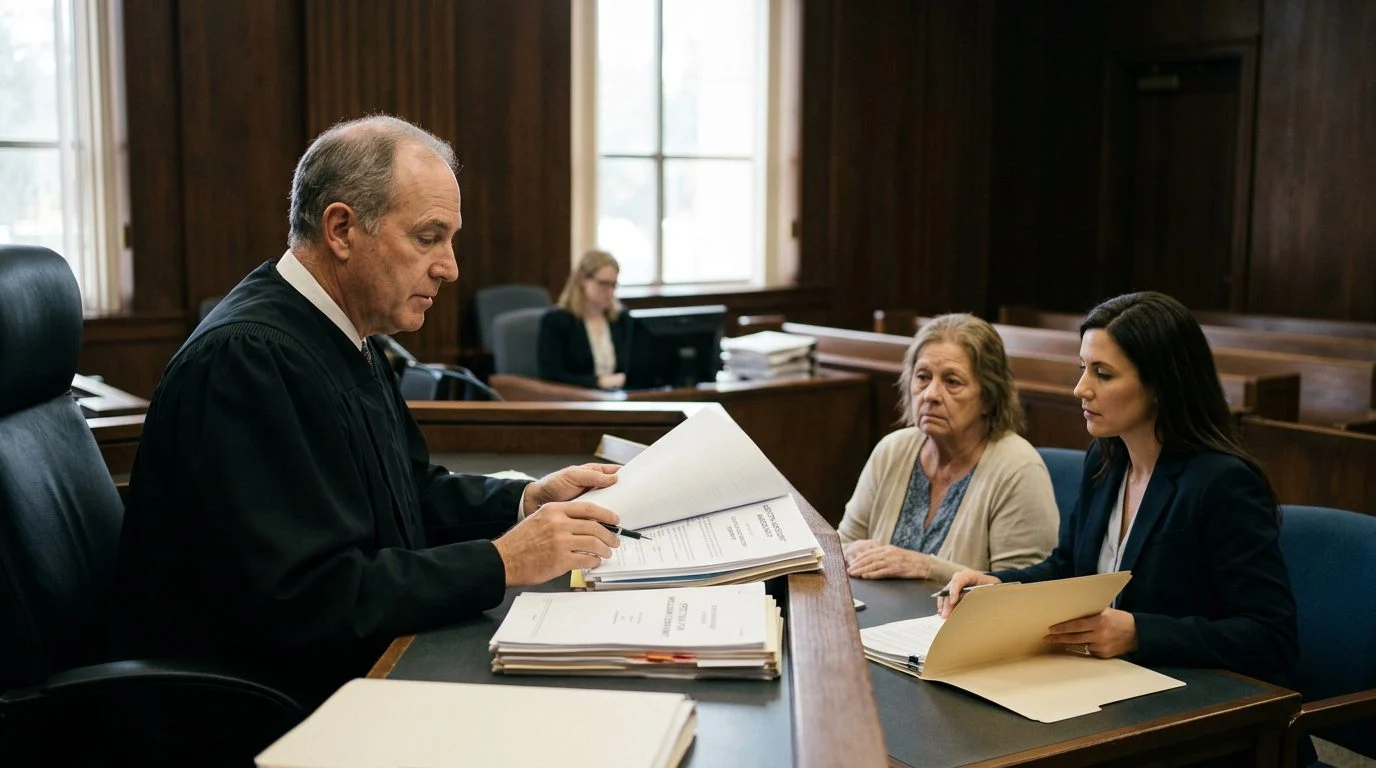
If your adult child refuses addiction treatment in Florida, you cannot force help on your own. Florida’s Marchman Act lets certain family members ask a court to order assessment and treatment. That happens only through a court process with notice and a hearing.
Where You Are Right Now: Refusal Is Painful, but It Is Not the End of Your Options
You didn’t choose this situation. You may be lying awake worried about your child’s safety, or worn out from the same argument again and again. That weight is real.
This page gives a general overview of what Florida families can do. It is not advice about your specific case. We cover practical steps you can take right away first. Then we explain the Marchman Act under Chapter 397 of the Florida Statutes and involuntary commitment for addiction.
The Florida Department of Children and Families describes the Marchman Act as allowing involuntary assessment, stabilization, and treatment for adults and youth severely impaired by substance abuse.
If your adult child refuses help and you're weighing whether to go to court, you don't have to figure out the next step alone. We can talk it through with you. Talk it through with our team — the first consultation is free, confidential, and carries no obligation.

Why an Adult Child Refuses Treatment and Why It Matters
An adult child who refuses treatment often has reasons that are hard to hear. Common ones include denying that substance use is a problem, fear of withdrawal, worry about losing a job or housing, shame, and anger toward family.
Refusal is common in addiction. Don’t treat a “no” as the final answer. Don’t take it as proof that you did something wrong.
Florida law makes a similar point. Under Florida’s Marchman Act criteria, mere refusal to receive services does not by itself show a lack of judgment about the need for them.
Understanding the reason can shape how you talk with your child. You don’t need to diagnose the condition. Focus on what you see and what you’re worried about.
What You Can Do Today Without a Court Order
Start with steps that don’t need a court. These include calm conversations, a written record, clear consequences, and a crisis plan.
- Talk about specific behavior. “I found pills in the car” lands better than “You’re an addict.” Skip ultimatums you won’t keep.
- Keep a written log. Record dates, incidents, things said, overdoses or near-overdoses, missed work or school, missing money or property, and threats. Write facts, not guesses. The log helps if you later speak with a lawyer or a court.
- Choose consequences in advance. Pick only the ones you will actually follow through on.
- Make a crisis plan. If your child is in immediate danger, call 911. Keep emergency numbers and medical history where everyone in the home can find them.
- Protect your own rest. Caregiver exhaustion is common. Sleep and time away from the crisis are part of the plan.
How to Stop Enabling Without Cutting Off Your Child
Enabling means doing things that shield your child from the results of substance use. Examples include paying debts caused by use, covering for missed work, or giving cash you suspect will go to drugs.
Supporting your child is different. You can keep the door open and still refuse to pay for drug use.
Boundaries are about your own conduct. They cover what you will do and where substance use is not allowed in your home. A boundary is not abandonment.
Boundaries work best when they are clear, steady, and paired with a continued offer to talk about treatment. Expect your child to test a boundary before it holds. A test does not mean the boundary failed.
Can I Force My Adult Child Into Rehab in Florida?
Florida law allows a court to order involuntary assessment and treatment for a substance-impaired adult. That happens through a court petition, not through a family decision alone.
Under Florida’s rules on who may petition, an adult’s spouse or legal guardian, any relative, a service provider, or an adult who has direct personal knowledge of the impairment and of the respondent’s prior course of assessment and treatment may file. Many families assume they can sign paperwork and send their child to a program.
The petition is filed with the clerk in the county where the person is located, and the clerk may not charge a fee to file it (Florida’s court jurisdiction rules). Any order can run up to 90 days (Florida’s involuntary services rules).
Whether a court orders treatment depends on the facts and what the court finds.
How the Marchman Act Petition Process Generally Works
A Marchman Act case moves through a petition, notice, and a hearing. Here are the general steps.
- The petition. It states your child’s name, your name, your relationship, and the facts showing why you believe your child is impaired. It also lists your child’s attorney if known (petition contents).
- The assessment. A professional’s examination within 30 days may be attached. If there was none, the petition must say so.
- The hearing. The court schedules it within 10 court working days unless a continuance is granted. Your child receives a copy of the petition and notice (court duties).
- Your child’s rights. The court must determine whether your child has an attorney or whether appointing counsel is appropriate.
Not sure what your next step is?
Talk it through with our team — the first consultation is free, confidential, and carries no obligation.
Signs It May Be Time to Talk With a Lawyer About Legal Action
Talk with a lawyer sooner rather than later if your child’s situation puts people at risk. Watch for these signs.
- Recent overdoses, near-overdoses, or suicidal statements.
- Repeated refusal of treatment after past consequences, with worse function at work, school, or home.
- Substance use that threatens your home, property, or finances, or that involves a minor in the house.
- Boundaries and conversations that have not lowered the danger.
These signs call for a closer look at your options. They do not decide the outcome.
What Happens After Treatment Ends and Other Options to Understand
A court-ordered treatment period does not end the family’s concern. Florida law ends involuntary services early when the conditions that justified them no longer exist (early release rules). A renewal can be requested before the 90 days end (renewal rules).
Recovery planning after treatment matters too. Medication-assisted treatment and after-treatment support are topics worth learning about as you plan.
If we ever refer a matter to another lawyer or firm, we will tell you.
Quick Answers
Can I force my adult child into rehab in Florida?
Only through a court petition under the Marchman Act, not by family decision alone.
Who can file a petition?
For an adult, the respondent’s spouse or legal guardian, any relative, a service provider, or an adult who has direct personal knowledge of the respondent’s substance abuse impairment and his or her prior course of assessment and treatment may file.
Does my adult child have a lawyer?
Your child has a right to counsel, and the court can appoint one if needed.

Talk With Robinson Casey About Your Situation
Watching a loved one refuse help while carrying the fear and the logistics is hard. You may be deciding whether to go to court or whether the time to act has come.
Robinson & Casey limits its practice to Marchman Act petitions and guardianship matters. The firm serves families in Miami-Dade, South Florida, and statewide. Richard J. Casey III, Esq. is the responsible lawyer for this page.
The first consultation is free, confidential, and carries no obligation to continue. Call (561) 849-4149 or request a consultation to talk through the facts of your family’s situation.
How Robinson Casey Supports Families
Protective Court Process
We focus on court petitions designed for families facing a loved one's substance use crisis, including Marchman Act proceedings.
Clear Paperwork and Guidance
We explain the petition, the filings involved, and what to expect at each stage so you can make informed decisions.
Family-Centered Representation
Our team works with parents, spouses, and relatives who need a steady, organized path through a difficult situation.
Compassionate Communication
We understand how painful it is to watch someone you love struggle, and we treat every family with patience and respect.
Wanting Help Is Not the Same as a Court Order
Telling an adult child they need treatment does not, by itself, put a court process in place. Speak with a lawyer early so you understand the petition process before making decisions under pressure.
Florida Legal Options We Handle
Marchman Act Petitions
Court petitions for substance use impairment, handled with attention to the filings, hearings, and deadlines that apply to your case.
Involuntary Commitment for Addiction
Guidance on court-ordered treatment for an adult whose substance use impairment places them or others at risk.
Guardianship Matters
Representation in guardianship matters, including emergency temporary, plenary, limited, and mental health guardianship.
Emergency Temporary Guardianship
Help with urgent court requests when a vulnerable adult needs immediate protection while the case moves forward.
Talk With Robinson Casey About Your Family's Situation. Your First Consultation Is Free, Confidential, and Comes With No Obligation to Continue.
Related practice areas
- Involuntary Commitment for Addiction in Florida
- What Happens After a Marchman Act Treatment Period Ends in Florida
- Alcoholic Withdrawal Seizures Can’t Wait: Florida Guide