
Marchman Act and Guardianship Matters in Florida
When Your Adult Son Refuses Help for Drugs, Florida Law May Offer a Path
Robinson Casey limits its practice to Marchman Act petitions and guardianship matters. Learn how Florida's court process works and what your options may be.
By Richard J. Casey III, Esq. · Published October 13, 2026
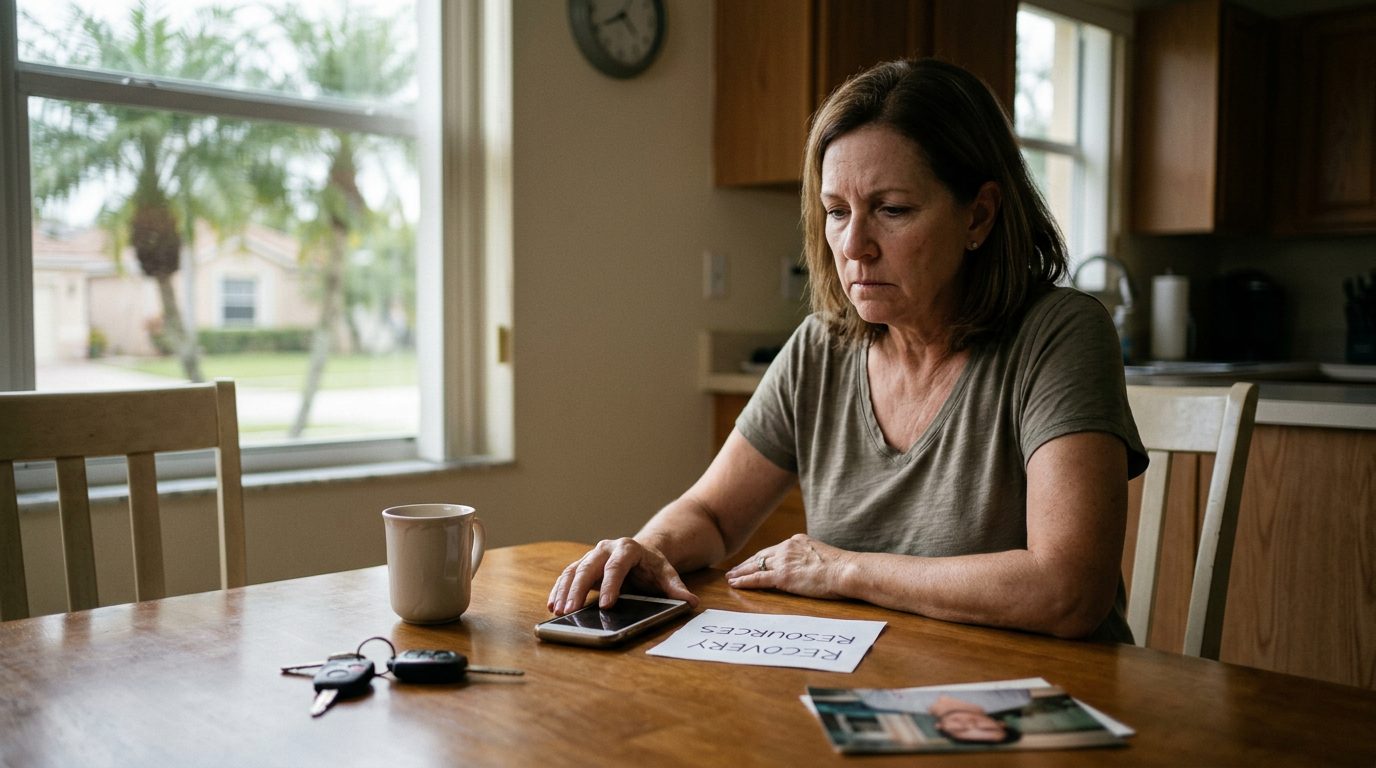
When Your Adult Son Refuses Help for Drug Use
If my adult son won’t get help for drugs in Florida, you still have options. Some depend on him agreeing to treatment. Others involve a court process called the Marchman Act, and a court decides whether that process fits the facts.
Finding out that an adult child uses drugs, then hearing him refuse help, is painful. You may feel torn between protecting him and not knowing what to do next. That mix of worry and helplessness is hard.
Some families notice missing money, missed work, sudden changes in sleep or mood, or new secrecy. Signs like these can have other causes, so they are a reason to talk with a professional, not proof of any one thing.
This page is general information, not legal advice. Every family’s situation depends on its own facts. The guide moves in order: emotional steps first, then household boundaries, then the Florida legal options.
If you're weighing whether a court process could be an option for your son, you don't have to sort it out alone; a free, confidential initial consultation with no obligation to continue is available at (561) 849-4149. Talk it through with our team — the first consultation is free, confidential, and carries no obligation.

Why an Adult Son May Refuse Treatment
A son may refuse help because he doesn’t see his drug use as a problem. Other reasons include shame, fear of what treatment or consequences will bring, or a belief that he has things under control. Refusal can come from several places at once.
You can’t make a grown son choose recovery. That is one of the hardest parts of this situation. What you can control is your own response, your household rules, and what you offer. His choices remain his.
Florida law also treats refusal as more than one fact. A court weighs the evidence, and other criteria also apply.
Talking With Your Son Before Any Legal Step
A calm, direct conversation is usually the first step families take. It doesn’t always work, but it gives your son a chance to hear you without a court involved.
Pick a sober moment, not a fight or a time he is using. Name specific concerns, such as “I noticed you missed three shifts this month.” Say what you will do, and only commit to what you will actually follow through on. Threats you can’t carry out tend to erode trust.
Keep the talk short. Listen more than you lecture. If he gets angry, step away and try again later.
A doctor, counselor, or treatment provider can also help your family plan these conversations. Those routes don’t require a court. For a deeper look at this step, read our guide on talking with an adult child before a Marchman Act petition.
Enabling Versus Helping: Setting Boundaries Without Rescue
Enabling means shielding your son from the results of his drug use. Helping means supporting his access to treatment while keeping clear household rules.
Enabling can look like paying his debts while he uses, covering for missed work, or lending cash you suspect will go to drugs. Helping can look like offering a ride to an assessment, comparing treatment programs with him, or making clear that drug use isn’t allowed in your home.
Those are choices your family makes. They don’t predict how he will respond. Write your limits down before you talk to him, so you stay calm when he pushes back.
Changing long-standing patterns takes time. A new boundary may feel harsh at first. A counselor who works with families can help you decide which limits to set and how to hold them.
Florida Options: Voluntary Treatment and the Marchman Act
Voluntary treatment is the first route, and it requires your son to agree. A person who wants treatment for substance abuse may apply to a service provider for voluntary admission.
The Marchman Act is Florida’s court process for involuntary treatment. A petition is filed with the clerk of the court in the county where the person is located, and the clerk may not charge a filing fee for it.
Under section 397.6811, Florida Statutes, the following may file a petition for an adult respondent: a spouse or legal guardian, any relative, a service provider, or an adult with direct personal knowledge of the impairment and prior treatment. Other requirements may apply, and the court decides. Whether a particular person qualifies is for the court to decide, and other requirements may apply.
If the court finds the conditions proved by clear and convincing evidence, it may order treatment for a period not to exceed 90 days. Timing and outcome depend on the court’s schedule and discretion.
When emergency circumstances exist, the court may rely on the petition alone and enter an ex parte order for assessment and stabilization, without appointing an attorney. Actual timing may depend on the court’s calendar.
When the Situation Is Urgent: Overdose Warning Signs
If your son is unresponsive, can’t be woken, or is breathing very slowly or not at all, call 911 right away. Emergency medical care doesn’t wait for a court process.
Other reasons for urgent help include being hard to wake, sudden confusion, or any threat to hurt himself or someone else. Trust your instinct when something seems wrong.
Ask a doctor or pharmacist what to keep at home for emergencies. Keep a current list of his medicines so responders have it. Keep your local emergency number where everyone in the house can see it.
Not sure what your next step is?
Talk it through with our team — the first consultation is free, confidential, and carries no obligation.
Legal Consequences to Know Before You File
A court filing can have effects beyond treatment. Whether a court finding or order may affect a person’s right to own or possess a firearm depends on the specific statute involved and the court’s decision.
At a hearing, testimony must be taken under oath. The court may also hear from family members familiar with the person’s prior history. Speaking in court can strain family ties, so think about that before you decide.
Before deciding on any filing, weigh your relationship with your son, his safety, and your own time and resources. A court process may or may not lead to the result you hope for, and no one can promise that result. This page does not replace advice on a specific case.
Taking Care of Yourself and Taking the Next Step
Caring for an adult son with addiction wears on the people who love him. Make room for your own sleep, support, and a counselor if you can. Your steadiness matters too.
Robinson & Casey is a Florida law firm that limits its practice to Marchman Act petitions and guardianship matters. Richard J. Casey III, Esq. is the responsible lawyer, and our team supports his work.
If you’re weighing whether a court process could be an option for your son, you don’t have to sort it out alone. A free, confidential initial consultation, with no obligation to continue, is available at (561) 849-4149 or through our contact form.
Frequently Asked Questions
What if my adult son won’t get help for drugs in Florida?
Florida’s Marchman Act allows a court process for involuntary treatment. The court decides whether the statutory criteria are met, and no result can be promised.
Who can file a Marchman Act petition for an adult?
Section 397.6811, Florida Statutes, identifies spouses, legal guardians, relatives, service providers, and certain adults with direct knowledge as persons who may file, though other requirements may apply and the court decides. Whether a particular filer qualifies is for the court to decide.
Does my son have a right to a lawyer?
Under the statute, a respondent has the right to counsel at every stage, and a respondent who cannot afford private counsel has the right to court-appointed counsel. This page does not say whether a petitioner needs one.
How long can a court-ordered treatment last?
The statute allows an order for a period not to exceed 90 days, and a renewal may be requested. The court decides based on the evidence and its discretion.
Why Families Start With Robinson Casey
A Focused Practice
Robinson Casey focuses exclusively on Marchman Act petitions and guardianship matters, so every consultation centers on these areas of Florida law.
Confidential First Consultation
Your first consultation is free, confidential, and carries no obligation to continue.
Clear Explanation of the Process
We explain how the Marchman Act and related guardianship statutes work, including the steps a court may require and the decisions it makes in its discretion.
Speak With the Firm Directly
Call (561) 849-4149 to discuss your family's situation and the questions you need answered.
A Compassionate Approach
Our team understands how difficult it is to watch a loved one struggle, and we treat each family's situation with care and respect.
Florida Legal Options to Understand
Involuntary Commitment for Addiction
Under the Marchman Act, a court may order assessment, stabilization, or treatment for substance use. Whether an order is entered depends on the evidence and the court's discretion.
Guardianship Options
Each form has its own requirements, and the court decides based on the circumstances.
Important: No Result Can Be Promised
Every case depends on its own facts, the governing statutes, and the court's discretion. Information on this page is general and is not legal advice. Reading it does not create an attorney-client relationship.