
Marchman Act & Guardianship Matters | Florida
Wondering Whether You Can Visit a Loved One in Involuntary Treatment?
Visits may be allowed, limited, supervised, or refused. Richard J. Casey III, Esq.
By Richard J. Casey III, Esq. · Published October 17, 2026
The Short Answer: Visits Can Happen, But Nothing Is Promised
Family visits may be allowed, limited, supervised, or refused. The answer depends on the facility’s policy, the person’s treatment plan, and any court order that applies. No single rule covers every facility or every case. The court decides based on its discretion and the facts of the case.
If you’re asking this for someone you love, you’re probably worried and short on answers. That’s a hard place to be. This page explains which Florida law applies, who makes the decisions, and what you can ask the facility right away.
This is general information. This page provides general information only and does not state every rule that may apply to a case.
If a family member is in treatment and you don't know what you're allowed to do, our team offers a free, confidential first consultation with no obligation to continue. Talk it through with our team — the first consultation is free, confidential, and carries no obligation.

Which Florida Law Applies: Marchman Act or Baker Act
The Marchman Act covers involuntary assessment and treatment for substance use. The Baker Act covers mental health and is Chapter 394. These are two separate laws, so first find out which one fits your loved one’s situation.
For substance use, the admission standard starts with § 397.675. That section says a person may meet the criteria if there is good faith reason to believe the person is substance abuse impaired or has a substance use disorder and a co-occurring mental health disorder. The person must also have lost the power of self-control with respect to substance abuse. The section lists other findings too, so this summary is not complete.
Who may file a petition depends on the person’s age. For an adult, § 397.68112 lists a spouse or legal guardian, any relative, a service provider, and an adult with direct personal knowledge of the person’s substance abuse impairment. Other requirements may apply, and the court decides.
Who Decides Whether Visits Happen: Facility Policy, the Treatment Team, and the Court
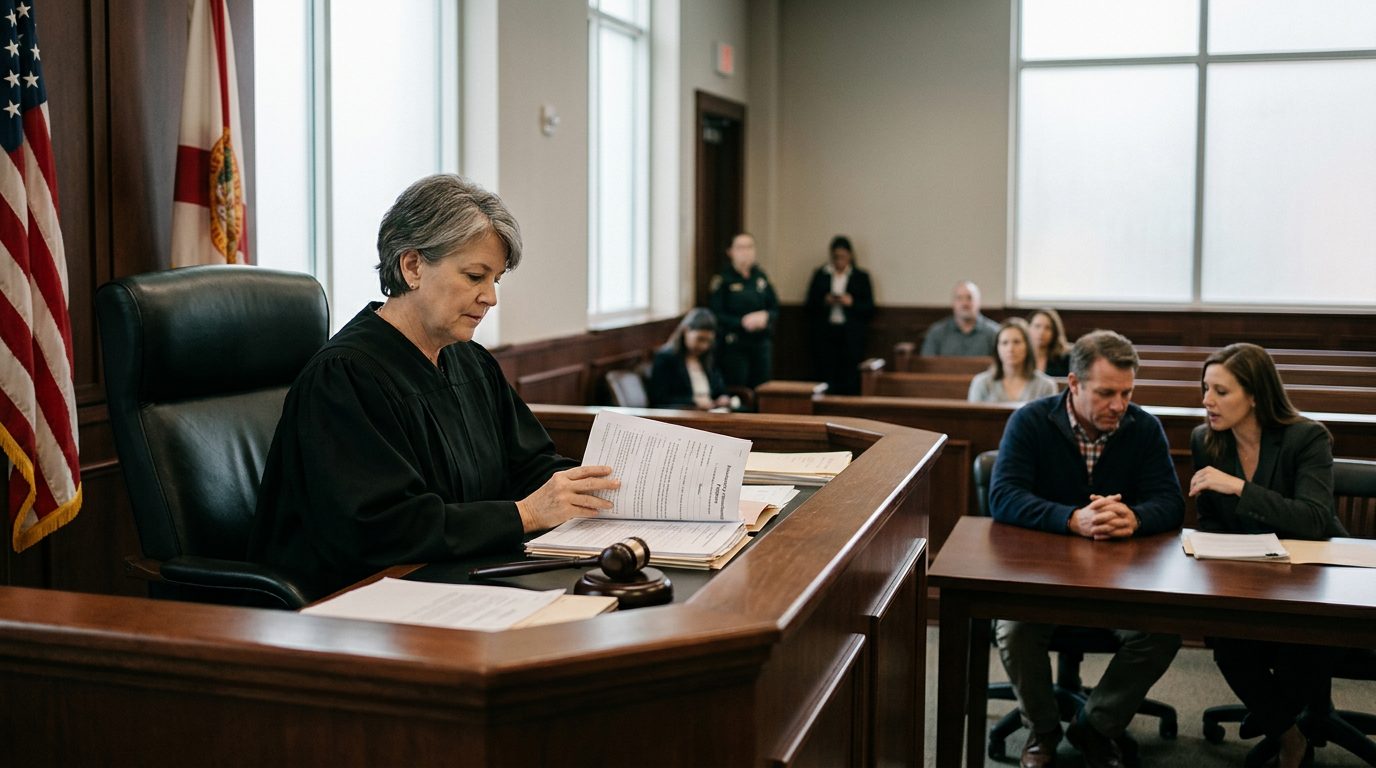
Three layers shape visits: the facility’s rules, the treatment team’s decisions, and any court order. Each one can matter. None of them alone answers the question for every case.
The facility’s rules shape daily access. Florida law says service providers must “set reasonable rules for telephone, mail, and visitation rights,” with primary consideration given to the well-being and safety of individuals, staff, and the community. See § 397.501. Visit schedules, length, supervision, and approved visitors vary by facility. Don’t assume one facility’s rules match another’s.
The treatment team makes clinical decisions about the person’s care. Those decisions can affect when and how a family member has contact. The person’s condition and treatment plan matter here.
The court is the third layer. When a court orders involuntary treatment services, it “shall retain jurisdiction over the case and the parties for the entry of such further orders as the circumstances may require.” See § 397.697. A court order can address conditions of the person’s stay. Whether it does, and what it says, is up to the court’s discretion.
Patient Rights, Phone Calls, and Communication During Treatment
Communication rights depend on which law applies. Under the Baker Act, each person in a mental health facility has the right to communicate freely and privately with people outside the facility. The right gives way when a qualified professional determines that communication is likely to be harmful to the person or others, in a manner directly related to clinical well-being or the general safety of staff. See § 394.459.
Under the Marchman Act, § 397.501 says people receiving substance abuse services have protection of the rights the section lists. That protection applies unless the statute expressly provides otherwise. The dignity of the person “must be respected at all times and upon all occasions.” The statute also says the provider must tell the person, and the family if they are involved at admission, about the provider’s rules on communications and correspondence.
Limits can apply. Facility rules, clinical judgment, or a court order may restrict contact in some cases. The specific limits depend on the case, so ask the facility to explain them in writing.
Practical Steps Family Members Can Take Now
Start by asking the facility in writing for three things. Ask for its visitation policy, its phone and mail policy, and how a family member becomes an approved visitor. A written answer gives you something to check later.
Next, ask who on the treatment team can answer questions about the care plan. Ask whether the facility offers family sessions and whether family can take part. Ask what the facility needs from you, and any forms it requires.
Keep a written record. Note the date, the person you spoke with, your request, and the answer. This record helps you explain what happened if you later need to speak with the court or a lawyer.
No step on this list makes a visit happen. The facility, the treatment team, and the court make those decisions, based on the rules that apply and the person’s condition.
Can a Family Member Start the Process? Involuntary Commitment Questions Answered
A family member may be able to file a Marchman Act petition for an adult, depending on the relationship and the facts. The statute lists who may file. Other requirements may apply, and the court decides.
Who can file a petition? For an adult, the list in § 397.68112 includes a spouse or legal guardian, any relative, and certain others.
Where is the petition filed? It must be filed with the clerk of the court in the county where the person is located. The clerk may not charge a fee for filing it. See § 397.681.
What are the criteria? § 397.675 includes loss of self-control and related findings about the person’s need for services or risk of harm. It lists more findings than this summary covers.
What does the Marchman Act provide for involuntary treatment? Under Fla. Stat. § 397.681, the courts have jurisdiction of involuntary treatment petitions for substance abuse impaired persons, and such petitions must be filed with the clerk of the court in the county where the person is located. Mental health matters fall under Chapter 394.
What is the new mental health law? Laws change. The history note of § 397.675 lists a 2024 amendment, so check the current statute text for the provision that applies.
Family testimony can matter at the hearing. The court “shall hear and review all relevant evidence, including testimony from individuals such as family members familiar with the respondent’s prior history.” See § 397.6957.
Not sure what your next step is?
Talk it through with our team — the first consultation is free, confidential, and carries no obligation.
When a Family Member Has Concerns About a Court Order or Conditions
If you’re worried about a court order or the conditions of a loved one’s stay, start by asking who decides. Under the Marchman Act, the court keeps jurisdiction for further orders. See § 397.697.
Under the Baker Act, a patient may file a petition in circuit court alleging an unjust denial of a right or privilege. A relative or friend may also file on the patient’s behalf. The court may then conduct a judicial inquiry and issue orders needed to correct an abuse. See § 394.459. Whether the court grants relief depends on the facts and its discretion.
A Marchman Act respondent has a right to counsel at every stage of the proceeding, and may waive it if the waiver is knowing, intelligent, and voluntary. See § 397.681. For more on this topic, read about challenging a Marchman Act order. Any challenge depends on the court’s discretion and the case’s facts.

Talking With a Florida Marchman Act Attorney About Your Family’s Situation
Watching a family member go through treatment while you wait for answers is hard. You may not know which law applies, what the facility can allow, or what the court might order. You don’t have to sort that out alone.
Richard J. Casey III, Esq. is the responsible lawyer at Robinson Casey, a law firm that focuses on Marchman Act petitions and guardianship matters. Contact the firm or call (561) 849-4149 to set up a free, confidential first consultation, with no obligation to continue.
Free First Consultation
Your initial consultation is free, confidential, and carries no obligation to continue. Call (561) 849-4149 to talk through your questions about visitation and the court process.
Why Start with a Consultation
Confidential Conversation
Share the details of your situation in a private, confidential setting before you decide on any next step.
Practical Next Steps
Understand what documents, orders, and information may matter, and how the court's discretion can shape the outcome.
No Obligation to Continue
The first consultation carries no obligation. You decide whether to move forward.
Matters Robinson Casey Handles
Marchman Act Attorney
Representation focused on Marchman Act petitions for involuntary assessment, stabilization, and treatment for substance use disorders.
Guardianship Attorney
Guidance on guardianship petitions and proceedings under Florida law, including the protection of an incapacitated person's interests.
Emergency Temporary Guardianship
Help with requests for temporary guardianship when urgent protection is needed, subject to the court's discretion.
Plenary and Limited Guardianship
Support with full (plenary) and limited guardianship matters, tailored to the scope of each person's needs as the court determines.
Mental Health Guardianship
Assistance with guardianship matters involving mental health conditions and the person's ability to manage personal or financial affairs.
Involuntary Commitment for Addiction
Representation in involuntary commitment proceedings for addiction, under the procedures set out in Florida's Marchman Act.
Have Questions About a Family Member's Treatment? Talk with Robinson Casey.
Related practice areas
- Involuntary Commitment for Addiction in Florida
- Involuntary Commitment For Addiction in Miami Dade
- Involuntary Commitment For Addiction in South Florida
- What to Do When a Family Member Is Using Drugs in Florida