
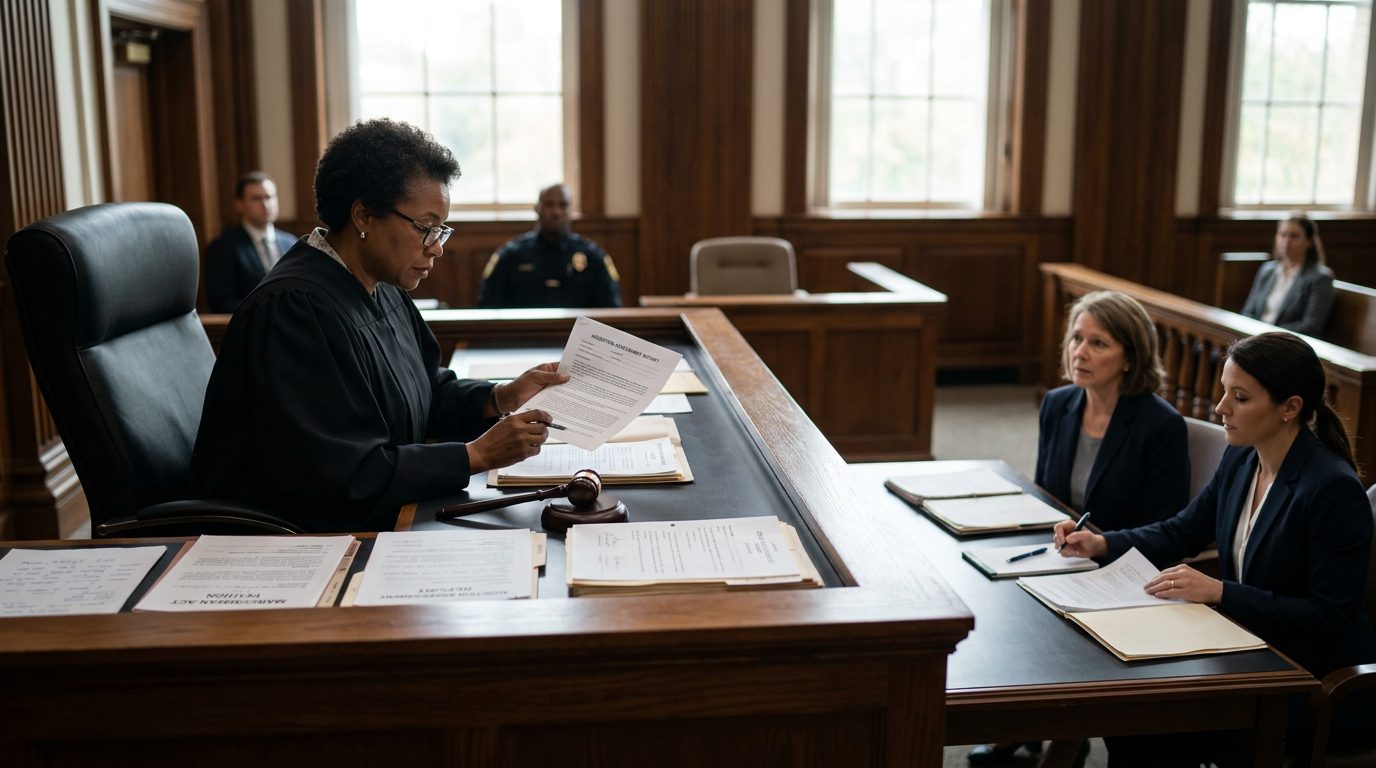
Involuntary Commitment for Addiction
Challenge or Appeal Your Involuntary Commitment Order
Robinson & Casey handles appeals and discharge petitions for individuals facing involuntary commitment in Florida. We guide you through the legal process and protect your rights.
By Richard J. Casey III, Esq. · Published September 23, 2026
Challenging or Appealing an Involuntary Commitment Order for Addiction in Florida
An involuntary commitment order for addiction is not final or unchangeable—Florida law provides multiple pathways to contest, modify, or appeal such an order. The specific grounds and procedures depend on the type of commitment and the stage of the process, but understanding your options early is critical because timelines and procedural requirements are strict.
If you or a family member is facing an involuntary commitment order for addiction, you have legal options to contest it—and people in your situation reach out to us regularly to understand their rights and next steps. Talk it through with our team — the first consultation is free, confidential, and carries no obligation.

Understanding Your Right to Challenge an Involuntary Commitment Order
You have the right to challenge an involuntary commitment order at nearly any stage of the process, from before it is entered through appeal after it becomes final. Florida law recognizes that commitment is a serious deprivation of liberty and requires both legal grounds and proper procedure to justify it. If either is lacking, the order can be attacked, modified, or reversed.
The key is knowing which grounds apply to your situation and which procedure to use. An emergency commitment order works differently from an extended commitment. A challenge filed before a hearing is different from an appeal filed after. And a discharge petition filed during commitment is different from both. An attorney familiar with these distinctions can identify the fastest and most effective path forward.
Grounds for Challenging an Involuntary Commitment Order
Florida law, primarily through the Marchman Act (Chapter 397, Florida Statutes), establishes the legal framework for involuntary commitment for substance use disorders. A commitment order can be challenged on several grounds:
Lack of probable cause. The evidence presented at the hearing did not meet the legal standard to justify commitment. Probable cause requires more than suspicion—it requires facts that would lead a reasonable person to believe the person meets the criteria for commitment.
Procedural defects. The commitment process violated statutory requirements. This includes improper notice, failure to hold a hearing within the required timeframe, denial of the right to counsel, or failure to allow the person to present evidence or cross-examine witnesses.
Insufficient evidence of addiction or imminent danger. The person does not meet the clinical or legal criteria for involuntary commitment. For example, the person may have a history of substance use but no current evidence of active addiction or danger to self or others.
Availability of less restrictive alternatives. Treatment or services short of commitment—such as outpatient counseling, medication-assisted treatment, or voluntary admission—could address the stated concern. Florida law requires that commitment be the least restrictive alternative available.
Constitutional or statutory violations. The order violates the person’s rights under Florida law or the U.S. Constitution, including due process protections and the right to liberty.
The Appeal Process After an Involuntary Commitment Order
If a court has already issued an involuntary commitment order, an appeal to the district court of appeal is available—but only within strict timeframes. The appeal must be filed within 30 days of the order, or within 30 days of the date the order is entered if the person was not present at the hearing. Missing this deadline can forfeit the right to appeal entirely.
An appeal challenges the legal sufficiency of the evidence, procedural errors, or misapplication of the law. It does not typically challenge the trial court’s factual findings unless they are clearly erroneous—meaning no reasonable judge could have reached that conclusion based on the evidence presented.
During the appeal, the person may remain committed unless the appellate court grants a stay or orders release pending appeal. This is why early legal action and clear identification of strong grounds for appeal are important.
Requesting Discharge or Modification Before or During Commitment
You do not have to wait for an appeal to move forward. A person can petition the committing facility or the court for discharge or modification of the commitment order at any time.
Discharge petitions are filed when the person believes the grounds for commitment no longer exist. For example, if the person has completed treatment, is no longer using substances, or no longer poses a danger to self or others, a discharge petition can be filed. The facility must respond to discharge requests and may conduct a hearing to determine whether continued commitment is justified.
Modification petitions seek a less restrictive form of commitment. For example, a person might petition to change from involuntary inpatient commitment to involuntary outpatient treatment, or from involuntary to voluntary admission. If the facility or court agrees that a less restrictive alternative is appropriate, the commitment order can be modified without requiring a full appeal.
This option is often overlooked but can accelerate release or reduce the burden of commitment significantly.
Right to Legal Representation and Counsel
A person subject to involuntary commitment has the right to be represented by an attorney at all stages of the process. This includes the initial hearing, any modification or discharge proceedings, and any appeal.
If the person cannot afford counsel, they may be entitled to a public defender or court-appointed counsel. The court will appoint counsel if the person requests it and demonstrates financial need.
An attorney can challenge the commitment order, file motions to stay the order pending appeal, represent the person at hearings, and pursue appeals. Early legal representation significantly improves the ability to identify and pursue viable grounds for challenge or appeal. It also ensures that procedural rights are protected and that evidence is properly presented.
Not sure what your next step is?
Talk it through with our team — the first consultation is free, confidential, and carries no obligation.
Timeline and Procedural Deadlines
Understanding the timeline is essential because missing a deadline can forfeit important rights.
Emergency involuntary commitment orders are typically valid for a limited period—often 72 hours—before a hearing must be held. During this window, the person has the right to a hearing to determine whether extended commitment is justified.
A hearing on extended commitment must occur within a specific timeframe after the emergency order is issued. At this hearing, the person has the right to be present, to be represented by counsel, to present evidence, and to cross-examine witnesses.
Appeals must be filed within 30 days of the order. This is a hard deadline; courts do not typically grant extensions except in rare circumstances.
Discharge petitions can be filed at any time, but the facility has a deadline to respond and may schedule a hearing to address the petition.
Prompt legal action is essential to meet these deadlines and preserve your rights.
What Happens if the Challenge or Appeal Succeeds
If a court finds that the commitment order was improper, several outcomes are possible:
- Immediate release. If the court finds that the commitment order was issued without legal basis, the person may be ordered released immediately.
- Vacation of the order. If procedural errors are found, the court may vacate the order and require the commitment process to begin again with proper procedures.
- Reversal on appeal. If the appeal succeeds on the merits, the commitment order is reversed and the person is discharged.
A successful challenge does not erase the fact of commitment from the record, but it may support efforts to seal or expunge the record later, depending on the circumstances and applicable law.
Why Legal Guidance Matters
Involuntary commitment orders involve complex statutory requirements, strict deadlines, and significant consequences for liberty and rights. An attorney familiar with Florida’s involuntary commitment law can identify weaknesses in the order, procedural defects, and viable grounds for challenge.
Early intervention—even before an order is finalized—can sometimes prevent commitment or secure a less restrictive alternative. An attorney can also help navigate the facility’s discharge process, represent the person at any hearings, and pursue appeals if necessary.
In the involuntary commitment cases we handle, we find that families and individuals often do not realize how many options are available to them or how narrow the window is to exercise those options. Understanding the law and acting quickly can make a significant difference.

Frequently Asked Questions
How long do I have to appeal an involuntary commitment order in Florida?
You must file an appeal within 30 days of the order; missing this deadline can forfeit your right to appeal.
Can I request discharge from involuntary commitment before the order expires?
Yes, you can petition the facility or court for discharge or modification at any time if the grounds for commitment no longer exist.
Do I have the right to an attorney in an involuntary commitment proceeding?
Yes, and if you cannot afford one, you may be entitled to court-appointed counsel.
What is the difference between challenging and appealing an involuntary commitment order?
Challenging occurs before or during the initial hearing; appealing occurs after the order is entered and requires filing within 30 days.
What happens if I win my appeal of an involuntary commitment order?
You may be ordered released immediately, the order may be vacated and the process restarted, or you may be discharged entirely, depending on the court’s findings.
If you or a family member is facing an involuntary commitment order for addiction, you have legal options to contest it—and people in your situation reach out to us regularly to understand their rights and next steps. Contact Robinson & Casey to discuss your situation and explore your options.
Time Matters
Florida law sets strict deadlines for filing appeals and discharge petitions. Acting quickly is essential to preserve your legal options.
What We Handle
Appeals of Involuntary Commitment Orders
We represent individuals seeking to overturn or modify involuntary commitment orders through the appellate process, ensuring all procedural requirements are met and your arguments are properly presented.
Discharge and Modification Petitions
If circumstances have changed or the grounds for commitment no longer apply, we petition the court or facility for your discharge or a modification of the commitment order.
Rights Protection During Commitment
We work to ensure your legal rights are upheld throughout the involuntary commitment process and advise you on available remedies at each stage.
Legal Representation in Court
We represent you in all proceedings related to your involuntary commitment, from initial hearings through appeals, with focus on the specific facts and law of your case.
Why Choose Robinson & Casey
Focused Practice
We focus exclusively on Marchman Act petitions and guardianship matters, including involuntary commitment appeals. This narrow focus means we know the statutes, rules, and procedures inside and out.
Statewide Service
We serve families and individuals across Florida, handling involuntary commitment challenges in courts throughout the state.
Your Rights Are Our Priority
We approach every case with the goal of protecting your legal rights and ensuring the court hears your position fully and fairly.
Deadline-Driven
We understand the time-sensitive nature of involuntary commitment appeals and work to meet all filing deadlines and court requirements.