
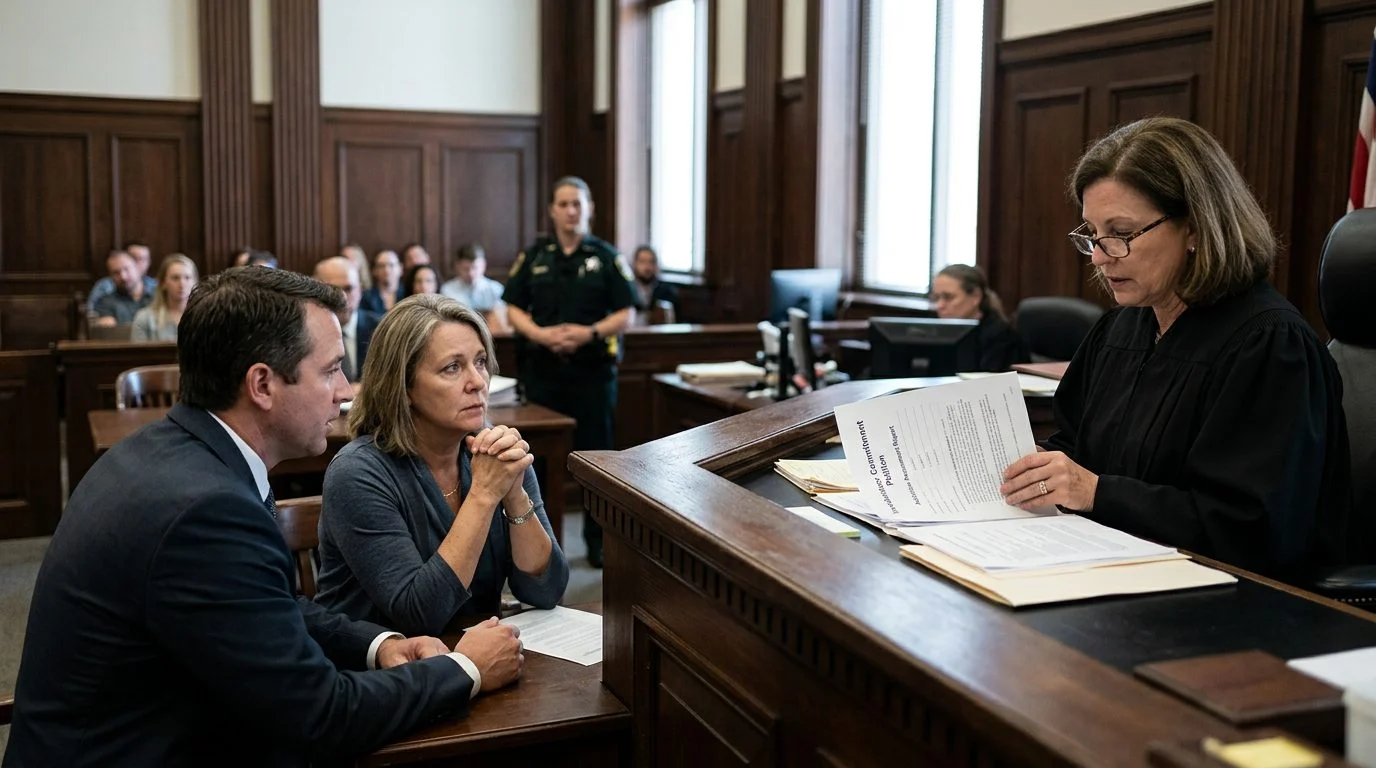
Marchman Act & Guardianship | South Florida
Helping Your Child Is Not the Same as Covering for Them
Learn how to tell enabling from support, and when a Marchman Act petition or guardianship may be part of the conversation. Robinson Casey focuses on these matters for families across South Florida.
By Richard J. Casey III, Esq. · Published October 26, 2026
Ending enabling an adult child with addiction in Florida means changing how you respond, not how much you care. Enabling is any action that shields your child from the results of their substance use. Supporting means keeping them accountable while staying close enough to help them reach treatment. This guide explains the difference, how to set boundaries you can keep, and when Florida’s Marchman Act may apply. Richard J. Casey III, Esq., is the lawyer responsible for this page. Robinson Casey focuses on Marchman Act petitions and guardianship matters for families across South Florida, including Miami-Dade County.
What Enabling Looks Like When an Adult Child Has an Addiction
Enabling is any response that takes the consequences of substance use off your adult child. Many families do it without noticing, because each step feels like help in the moment.
Common examples include:
- Handing over cash with no stated purpose.
- Paying bail or legal bills for a charge tied to drug use.
- Fixing a car after a crash that happened while your child was using.
- Calling an employer to say your child is sick when they were actually using.
- Covering rent or bills while use continues.
Most of this comes from love and fear. A parent who pays to keep a child safe is not a bad parent. The trouble is that the payments often keep the cycle going. The Partnership to End Addiction guidance explains this clearly. For the bigger picture, read our addiction and family options guide.
If your adult child's drug use has you worried about safety or money, you don't have to sort out Florida's options alone. Reach out to Robinson Casey to talk through the facts. Talk it through with our team — the first consultation is free, confidential, and carries no obligation.
Enabling Versus Supporting: Not All Help Is the Same
Enabling removes consequences. Supporting keeps your child accountable and connected to care. The line isn’t always obvious, so ask one question: does this make it easier to keep using, or easier to get help?
Supportive actions look different:
- Driving your child to a scheduled assessment.
- Attending a family meeting with a counselor.
- Keeping a copy of a treatment plan so everyone works from the same goals.
Not every kind gesture is enabling. A hot meal, a phone call, or a visit does not fund drug use. The question is not whether you help. The question is what your help makes possible. The parenting guidance for adult children from Partnership to End Addiction suggests staying calm, listening instead of lecturing, and picking a quiet time to talk.
Why Stopping Enabling Can Feel Like Giving Up
Stopping enabling changes how you respond to your child. It doesn’t mean you stop caring about them. Many parents fear that saying no will lead to the worst outcome: an overdose, homelessness, or an arrest. That fear is real. It is why many families keep paying, lending, and covering.
Here’s the hard part. You cannot control another adult’s addiction from the outside. No amount of rescuing changes that. Guilt and shame are common. Many parents feel they failed, or that stepping back is cruel. Naming these feelings helps. It doesn’t erase them, and one decision won’t fix everything at once. Give yourself time to adjust, and expect some setbacks along the way.
Codependency and the Adult Child-Parent Cycle
Codependency is a pattern where your sense of safety depends on managing another person’s use. It often looks like constant checking, rescuing, and quiet bargaining. Many families describe a repeating cycle: a crisis, a rescue, a short calm, then a new crisis.
Each rescue can keep the cycle going. The crisis gets solved, so nothing changes, and the next crisis often comes sooner. Recognizing this pattern is a first step, not a verdict on anyone. Parents, spouses, and siblings can all fall into it. You don’t need to label yourself or your child. Ask whether the cycle is repeating in your home, and whether you’re the one carrying the stress. If it is, learning to step back is a reasonable next move.
Setting Boundaries You Can Keep
A boundary states what you will do, not what you want your child to do. You control your own actions. You cannot control theirs.
Examples include:
- No cash loans.
- No paying for housing while substance use continues.
- No covering for missed work, bills, or court dates.
Write each boundary down. Agree on it with the other adults in your home before a crisis hits. Decide who will enforce it. Say it once, calmly, then follow through every time. Inconsistent follow-through is a common reason boundaries fail. If you bend once in a crisis, your child learns that pressure works.
Plan a short response for pleading or threats, such as: “I love you. The answer is still no. I’ll help you schedule an assessment.” Then end the conversation. Don’t reopen the boundary in the moment. The answer depends on the facts when a shared home is involved, including who owns or leases the property and whether your child lives there as a family member or a tenant.
Consequences Families Often Have to Plan Around
Letting natural consequences happen never means ignoring immediate danger. Overdose, threats of self-harm, and threats to others need immediate action. Call 911 if someone is in immediate danger. For crisis support, the Florida Department of Health notes that Floridians can contact 988 for immediate help with a loved one’s substance use or emotional crisis.
Planning ahead makes a crisis easier to handle. Keep emergency contacts and local numbers in one place. Secure valuables and medications. Decide in advance what you will do if your child is arrested or hospitalized. Families don’t tolerate every consequence equally, so decide which lines matter most in your home before a crisis.
Not sure what your next step is?
Talk it through with our team — the first consultation is free, confidential, and carries no obligation.
When Florida Law May Come Into the Picture
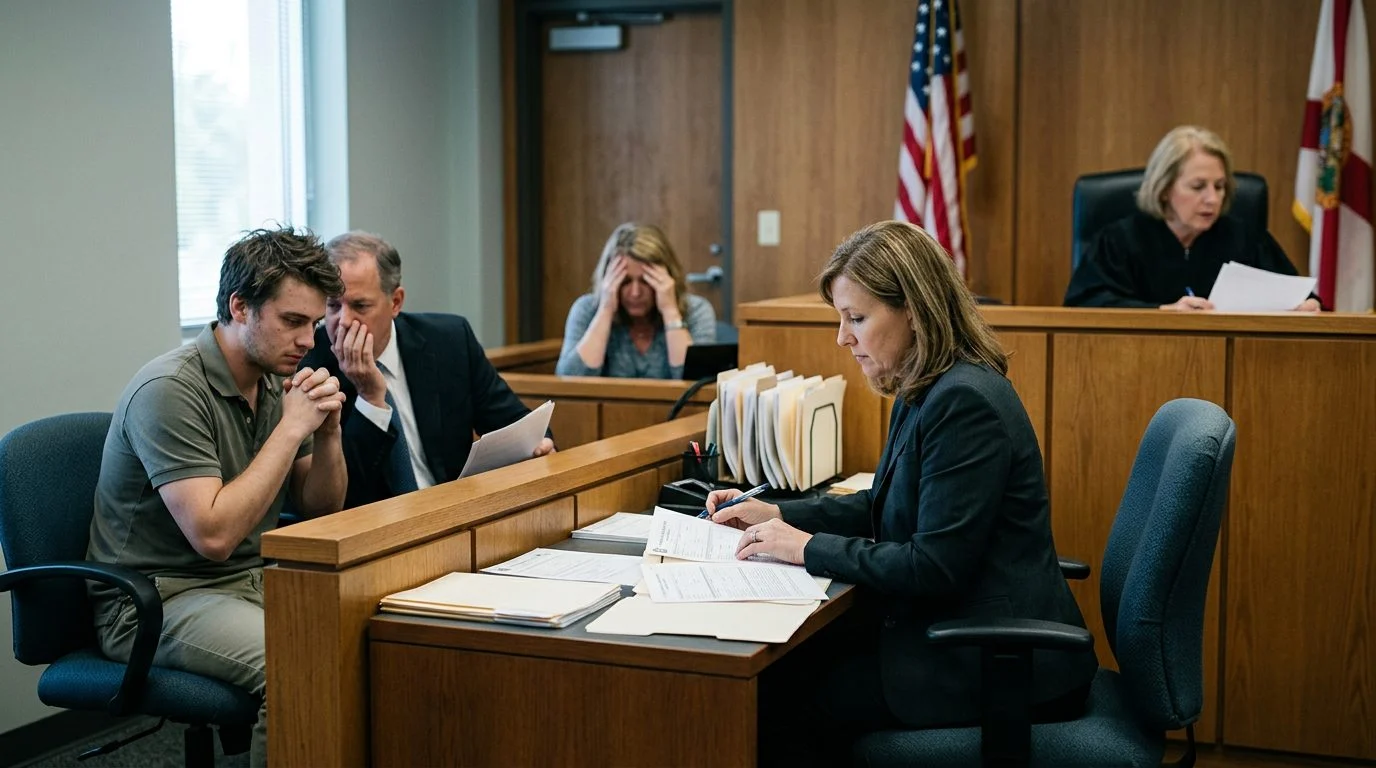
Florida’s Marchman Act, in Chapter 397 of the Florida Statutes, lets a court order involuntary assessment and treatment for an adult with a substance use disorder. Under Fla. Stat. § 397.68112, a petition for an adult may be filed by the adult’s spouse or legal guardian, any relative, or a service provider. An adult with direct personal knowledge of the impairment and of the person’s prior course of assessment and treatment may also file.
Fla. Stat. § 397.675 also says that mere refusal to receive services does not constitute evidence of lack of judgment with respect to the person’s need for such services. Under Fla. Stat. § 397.675, a person meets the criteria only if there is good faith reason to believe the person is substance abuse impaired, or has a substance use disorder and a co-occurring mental health disorder, and, because of that, has lost the power of self-control with respect to substance abuse and either has judgment so impaired that he or she cannot appreciate the need for services and make a rational decision about them, or, without care or treatment, is likely to suffer from neglect or refuse to care for himself or herself in a way that poses a real and present threat of substantial harm, when it is not apparent that the harm can be avoided through the help of willing, able, and responsible family members or friends or other services, or there is substantial likelihood that the person has inflicted, threatened or attempted to inflict, or, unless admitted, is likely to inflict physical harm on himself, herself, or another. Fla. Stat. § 397.681 says it is filed with the clerk in the county where the person is located, and the clerk may not charge a filing fee. The Fifth District applied that county rule in J.P. v. J.N.
The respondent has the right to counsel at every stage. Under Fla. Stat. § 397.6818, if the petitioner asserts that emergency circumstances exist, or the court determines upon review of the petition that an emergency exists, the court may rely solely on the petition and enter an ex parte order for the respondent’s involuntary assessment and stabilization while the hearing on the petition for treatment is pending. The service provider then may not hold the respondent for longer than 72 hours of observation unless a statutory exception applies, such as a court-granted extension, signs of withdrawal or a medical need, or an observation period that ends on a weekend or holiday. In doing so, the court failed to follow the applicable statute by essentially functioning as the absent petitioner, according to J.C. v. State. Under C.W.R.K. v. Stewart Marchman Act Behavioral Healthcare, the Fifth District reached a similar result. Guardianship is a different tool. For that path, see the local Miami-Dade context and our why people refuse treatment guide.
Key Takeaways and Talking With a Marchman Act Attorney in Florida
Enabling removes consequences. Supporting keeps your child accountable and connected to help. Boundaries only work when you keep them. Your family’s safety comes first, and Florida law offers court processes for families facing serious danger from an adult’s addiction.
If your adult child keeps asking for money or a place to stay while using, and you’re unsure whether a court process is possible, you don’t have to work through it alone. Contact Robinson Casey or call (561) 849-4149 to talk through the facts. The first consultation is free, confidential, and carries no obligation to continue (consulta inicial gratuita, confidencial y sin compromiso).
Frequently Asked Questions
What is the difference between enabling and supporting?
Enabling removes the consequences of substance use. Supporting keeps your child accountable and connected to treatment.
Does a Marchman Act respondent have a right to a lawyer?
Yes. A respondent has the right to counsel at every stage of the proceeding.
How Robinson Casey Can Help Your Family
Marchman Act Petitions
We focus on helping families understand and prepare Marchman Act petitions for an adult child struggling with substance use.
Guardianship Matters
Our work includes guardianship petitions, including emergency temporary, limited, plenary, and mental health guardianship.
Free, Confidential First Consultation
Your initial consultation is free, confidential, and comes with no obligation to continue.
Support for Families
Our team walks you through each step in plain language, so you know what to expect.
A Warning Sign to Act On
Paying off debts, making excuses, or shielding a loved one from the results of their drug or alcohol use can keep the addiction going. If you believe your child is in immediate danger, do not wait to get legal guidance.
Signs Your Support May Be Enabling
Covering Financial Consequences
Repeatedly paying rent, bail, or bills so your child never feels the impact of their substance use.
Making Excuses for Behavior
Explaining away missed work, broken promises, or dangerous choices to family members or employers.
Avoiding Hard Conversations
Going along with denial or staying silent because confrontation feels too painful.
Losing Track of Your Own Well-Being
Putting every waking hour into managing the crisis until your health, finances, or other relationships suffer.