
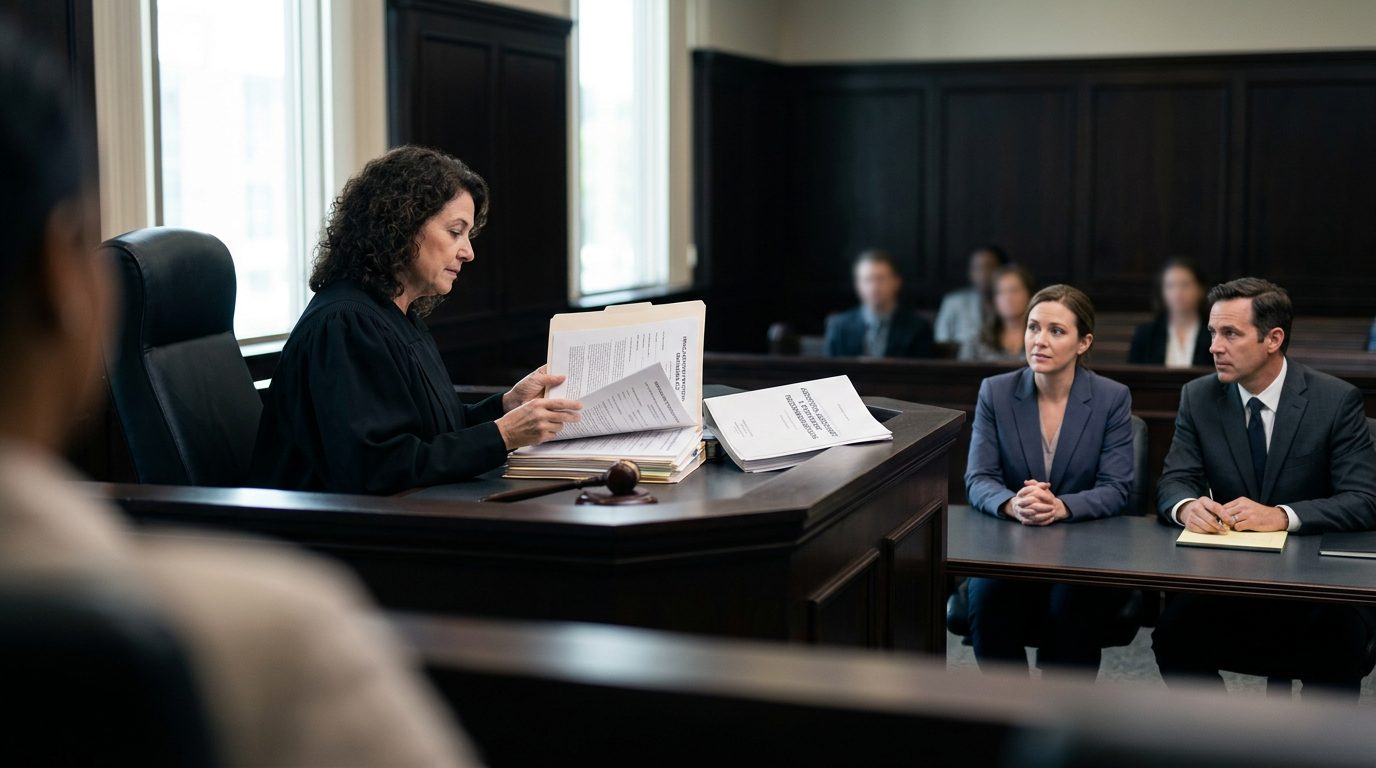
Marchman Act and Guardianship Petitions | Florida
How to File a Petition in Court in Florida
A plain-language overview of filing a Marchman Act or guardianship petition in Florida. Richard J.
By Richard J. Casey III, Esq. · Published October 17, 2026
A petition for involuntary substance abuse treatment in Florida is filed with the clerk of the court in the county where the person is located. Under the Florida Statutes provision on who may file, if the respondent is an adult, a petition for involuntary treatment services may be filed by the respondent’s spouse or legal guardian, any relative, a service provider, or an adult who has direct personal knowledge of the respondent’s substance abuse impairment and his or her prior course of assessment and treatment. Read the statute. Other requirements may also apply, and the court decides. This guide explains how to file a petition in court in Florida, one step at a time. If you’re looking into this for someone you love, the process can feel unfamiliar. Taking it one step at a time helps.
Where a Marchman Act Petition Fits in Florida Law
A Marchman Act petition asks a Florida court to decide whether a person should receive involuntary assessment, stabilization, or treatment for substance use. The court decides the petition based on the evidence. Under Fla. Stat. § 397.675, a person may meet the criteria for involuntary admission when there is good faith reason to believe the person is substance abuse impaired, or has a substance use disorder with a co-occurring mental health disorder. The statute also requires loss of self-control and other conditions, so read the full text. Other requirements may apply. For the broader framework, see our guide to involuntary commitment for addiction.
Not sure what your next step is?
Talk it through with our team — the first consultation is free, confidential, and carries no obligation.

Who May File a Petition Under Florida Law
For an adult, the statute lists who may file a petition for involuntary treatment services. Under Fla. Stat. § 397.68112, an adult respondent’s petition may be filed by the respondent’s spouse or legal guardian, any relative, a service provider, or an adult with direct personal knowledge of the respondent’s substance abuse impairment and prior course of assessment and treatment. For a minor, the same section lists a parent, legal guardian, or service provider.
Other requirements may apply, and the court decides based on the facts presented. The “direct personal knowledge” category depends on the wording of the statute. The court decides whether a particular petitioner fits within it. The petition also must state how the petitioner is related to the respondent, as the next section explains.
What a Petition Must Contain
A petition must name the respondent and the petitioner, and state their relationship. It must also list the respondent’s attorney, if known. Under Fla. Stat. § 397.68141, the factual allegations must demonstrate:
- The reason the petitioner believes the respondent is substance abuse impaired.
- The reason the petitioner believes the impairment has caused the respondent to lose the power of self-control with respect to substance abuse.
- Either the reason the petitioner believes the respondent has inflicted, or is likely to inflict, physical harm on self or others without a court order, or the reason the refusal of care rests on judgment impaired by substance abuse.
The same section says a petition may include a report from a qualified professional who examined the respondent within 30 days before filing. If the respondent was not assessed or refused assessment, the petition must note that. In an emergency, the petition must describe the exigent circumstances and request an ex parte assessment and stabilization order.
The statute asks for the reasons behind your belief. Specific observations match that wording better than general labels. Other requirements may apply, and the court reviews the petition on its own terms.
Where and How the Petition Is Filed
If you’re asking how to file a petition in court in Florida, start with the location. Under Fla. Stat. § 397.681, an involuntary treatment petition must be filed with the clerk of the court in the county where the person is located. The same section says the clerk may not charge a fee for filing a petition under it.
The basic steps are simple to describe. You prepare the petition with the required contents. You submit it to the clerk in the county where the person is located. How long the clerk takes to process it depends on that clerk’s office and the court’s schedule.
Service costs can also come up. Under Fla. Stat. § 397.68112, the court may prohibit, or a law enforcement agency may waive, service of process fees if the petitioner is determined to be indigent.
What Happens After Filing: Notice, Service, and Hearing
After filing, the court must immediately decide whether the respondent has an attorney or whether appointing one is appropriate. Under Fla. Stat. § 397.6955, the statute provides that the court is to schedule a hearing within 10 court working days unless a continuance is granted; the actual timing depends on the court’s schedule and discretion, and other requirements may also apply. The actual date still depends on the court’s schedule and discretion.
Copies of the petition and the hearing notice go to the respondent, the respondent’s attorney if known, the petitioner, and the respondent’s spouse or guardian, if applicable. The statute also describes the clerk sending the summons to a law enforcement agency for service. A chief judge may authorize private process servers instead.
Under Fla. Stat. § 397.6957, the respondent must be present unless the court makes specific findings, such as a knowing waiver. The court hears relevant evidence, including testimony from family members familiar with the respondent’s history. Testimony is taken under oath, the proceedings are recorded, and the respondent may refuse to testify.
If the court finds the conditions proved by clear and convincing evidence, it may order treatment for a period not to exceed 90 days, under Fla. Stat. § 397.697. For more on the stabilization stage, read our Marchman Act stabilization guide.
Filing a Petition Without a Lawyer
The respondent has the right to counsel at every stage of the proceeding. Whether a respondent may waive that right, and under what conditions, is a matter for the court to decide based on the circumstances of each case. If the court believes the respondent needs or desires counsel, the statute says the court shall appoint counsel.
Under the Marchman Act, a court may in some emergency circumstances act on a petition before a full hearing, but whether it does so is within the court’s discretion and depends on the facts of each case.
If the respondent also has a mental health condition, the qualified professional’s report must note any co-occurring mental health or other treatment needs. The court decides how those needs are addressed. For more, see dual diagnosis court-ordered treatment.
Frequently Asked Questions
Where do I file a Marchman Act petition in Florida?
File it with the clerk of the court in the county where the person is located, under Fla. Stat. § 397.681.
Is there a filing fee for the petition?
The statute says the clerk may not charge a fee for filing a petition under that section.
Can I file without a lawyer?
Florida law addresses who may file a petition. Contact Robinson Casey to discuss your situation.
How soon is the hearing?
The statute says the court shall schedule a hearing within 10 court working days unless a continuance is granted. The court’s schedule controls the actual date.
Not sure what your next step is?
Talk it through with our team — the first consultation is free, confidential, and carries no obligation.

Talk With Robinson Casey About Your Situation
If you are concerned about a loved one’s substance use, you can contact Robinson Casey to discuss your situation in a free, confidential first consultation with no obligation to continue. Robinson Casey focuses on Marchman Act petitions and guardianship matters. Richard J. Casey III, Esq. is the lawyer responsible for this page, and our team is ready to discuss your situation. A free first consultation is confidential and carries no obligation to continue. Call (561) 849-4149 or use the contact form to reach us.
Important
Filing requirements depend on the governing statute and the court's rules, and other requirements may also apply. The court decides each petition based on the evidence and its discretion. This page is general information, not legal advice about your situation.
Why start with a consultation
Free first consultation
Your first consultation is free, confidential, and carries no obligation to continue.
Review of your petition
We discuss the type of petition that may fit your situation and the documents typically involved.
Focused practice
Our practice is limited to Marchman Act and guardianship matters, so every conversation stays on those areas of Florida law.
Direct next steps
We explain the steps that may follow and answer your questions before you decide how to proceed.
Petitions we handle
Marchman Act petitions
Petitions seeking court-ordered assessment and treatment for substance use under Florida's Marchman Act, Fla. Stat. Chapter 397.
Guardianship petitions
Petitions asking a court to appoint a guardian for a person who may need help managing personal or financial affairs.