
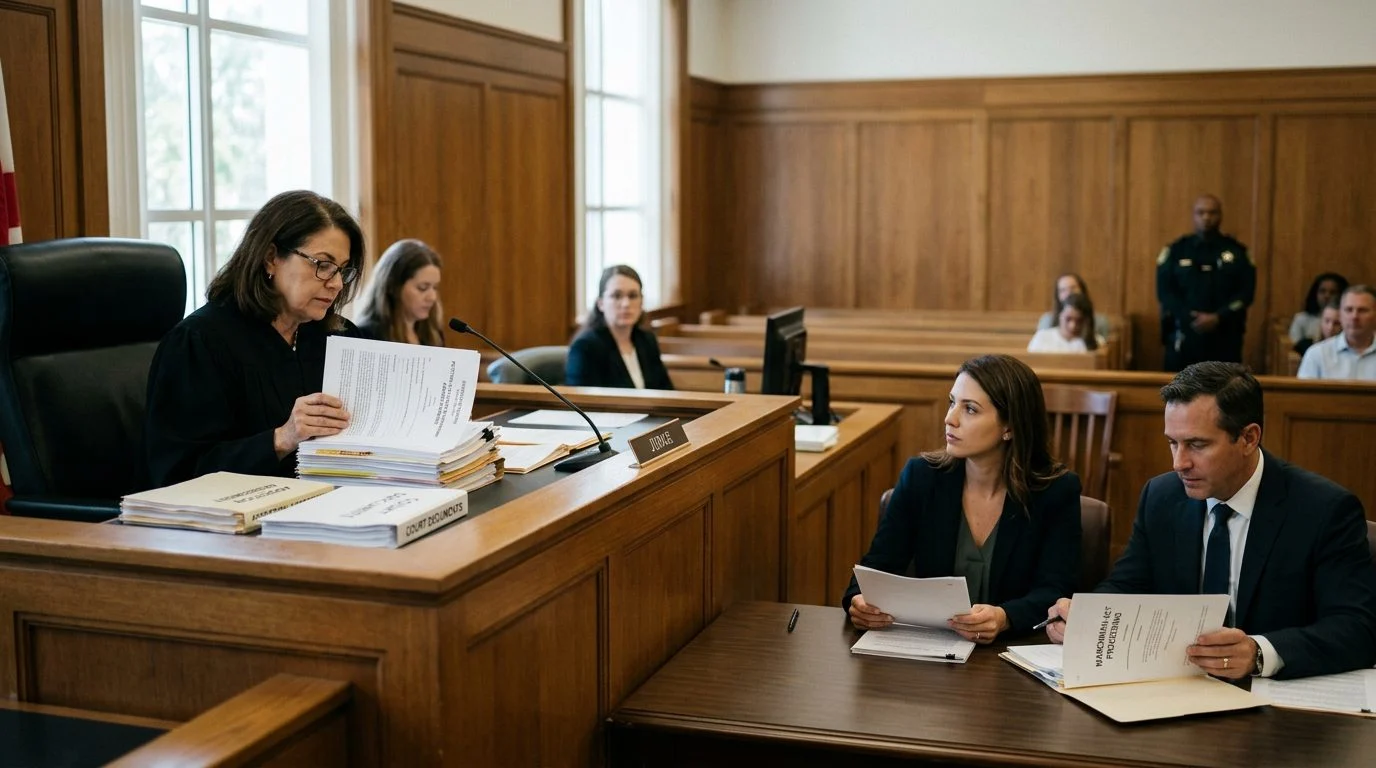
Marchman Act Attorney | Miami-Dade and South Florida
Guidance for Miami Families Facing a Spouse's Substance Use Crisis
Robinson Casey focuses on Marchman Act petitions and guardianship matters for families across South Florida and statewide. Your first consultation is free, confidential, and comes with no obligation to continue.
By Richard J. Casey III, Esq. · Published November 2, 2026
When Drinking at Home Puts the Children at Risk
Florida’s Marchman Act lets a spouse ask a court to order an assessment of an adult with a substance use problem. If the legal criteria are met, the court can also order treatment.
Your spouse drinks at home with the kids there. Some nights you can’t tell what mood you’ll walk into. The bills are falling behind, and you feel like you carry everything alone.
You may fear harm to your children, money running out, and a marriage that keeps getting worse. Those fears are reasonable. A consultation can help you think through your options before you decide anything.
If your husband drinks at home with the kids there and you feel this cannot go on, our team can walk you through your options and what a petition would involve. Talk it through with our team — the first consultation is free, confidential, and carries no obligation.

What the Marchman Act Lets a Spouse Do
A spouse can file a petition asking a court to order an assessment of an adult, and treatment if the court finds it is needed. Florida Statutes § 397.68112 names the spouse as one of the people who may file.
The Legislature describes substance abuse impairment as a disease that affects the whole family. Florida Statutes § 397.305
Florida Statutes § 397.675 sets out the rest of the test.
What a Petition Is Not
A Marchman Act petition is not a divorce, a custody case, or a criminal charge against your spouse. It asks a court for assessment and treatment. It does not ask the court to end the marriage.
Keep these matters apart. A petition about drinking does not decide where the children live or how parenting time works. Custody questions need their own handling.
Guardianship is also a separate matter. If your concerns reach beyond substance use, they may call for a different process.
What Evidence a Judge Looks For
A judge looks for specific, recent facts. General complaints are not enough. The petition must state why you believe your spouse is impaired, has lost self-control, and either is likely to harm himself or herself or others unless the court orders treatment, or refuses care because impaired judgment keeps him or her from appreciating the need for care and making a rational decision about it. Florida Statutes § 397.68141
Strong facts look like this:
- Dates, times, and what happened, such as a drinking episode while the children were home
- Falls, injuries, missed work, or unsafe driving
- Who saw it, and whether that person can testify
- Police, hospital, or emergency visits
- Whether treatment was offered and refused
Family members who know the adult’s history can testify at the hearing. Florida Statutes § 397.6957 The court shall hear and review the results of the clinical assessment. Start a private log now. Write down the date, the time, and who was present.
How the Process Works and What the Hearing Involves
A petition is filed with the clerk of court in the county where the adult is physically located. Florida Statutes § 397.681 The clerk may not charge a fee to file it. Under Fla. Stat. § 397.681(1), an involuntary treatment petition for a substance abuse impaired person must be filed with the clerk of the court in the county where the person is located. J.P. v. J.N.
- Consultation. We review the facts, your timeline, and whether a petition fits your situation.
- Filing. The petition is filed with the required contents.
- Notice. The court schedules a hearing within 10 court working days unless it grants a continuance. Your spouse receives a copy of the petition and notice. Florida Statutes § 397.68151
- Assessment. The court generally cannot order treatment without a clinical assessment, unless the adult waives it in court.
- The adult may refuse to testify and has the right to counsel.
- Order. If the court finds the conditions proved by clear and convincing evidence, it may order treatment for up to 90 days. Florida Statutes § 397.697
In an emergency, the court can enter an assessment order based on the petition alone. Florida Statutes § 397.6818
What a Petition Cannot Do
A petition cannot make your spouse stop drinking. No filing can promise that treatment will work. A court order still has to be carried out.
- Those are separate issues.
- It cannot skip the court’s process.
- It cannot keep the filing from your spouse. Court records are confidential, but the adult still receives the petition and notice.
After an order, the court keeps authority to monitor compliance. It can also address violations of its orders. Florida Statutes § 397.697
Not sure what your next step is?
Talk it through with our team — the first consultation is free, confidential, and carries no obligation.
Why Robinson Casey Handles These Cases
Robinson & Casey limits its practice to Marchman Act petitions and guardianship matters. The firm serves families across South Florida, including Miami-Dade County, and statewide. Richard J. Casey III, Esq. is the responsible lawyer for this page.
Our team works with families where a spouse’s addiction or mental illness has made the home unstable. The firm’s support staff help with scheduling and document intake, so the dates and paperwork stay organized.
Our approach is simple. We explain each legal step in plain words. We identify what evidence the petition needs. We are also clear about what a petition cannot do.
Common Questions About a Spouse’s Marchman Act Petition
Can my spouse refuse to go to the hearing?
The adult must attend unless the court excuses attendance under the statute. Florida Statutes § 397.6957
Will my spouse find out I filed?
Yes. He receives a copy of the petition and the hearing notice, though court records stay confidential. Florida Statutes § 397.6760
Do I need a divorce or custody case first?
No. A spouse may file a petition on its own. Florida Statutes § 397.68112
What if there is no violence yet?
Violence is not the only path. The criteria also cover an adult who cannot see the need for help, or who faces real harm from neglect. Florida Statutes § 397.675
Which county do I file in?
You file in the county where your spouse is physically located. J.P. v. J.N.
Is this the same as involuntary commitment for mental illness?
The Marchman Act covers substance abuse impairment and can reach a co-occurring mental health disorder. If your spouse’s struggle is mental illness alone, mental health guardianship is a separate matter.
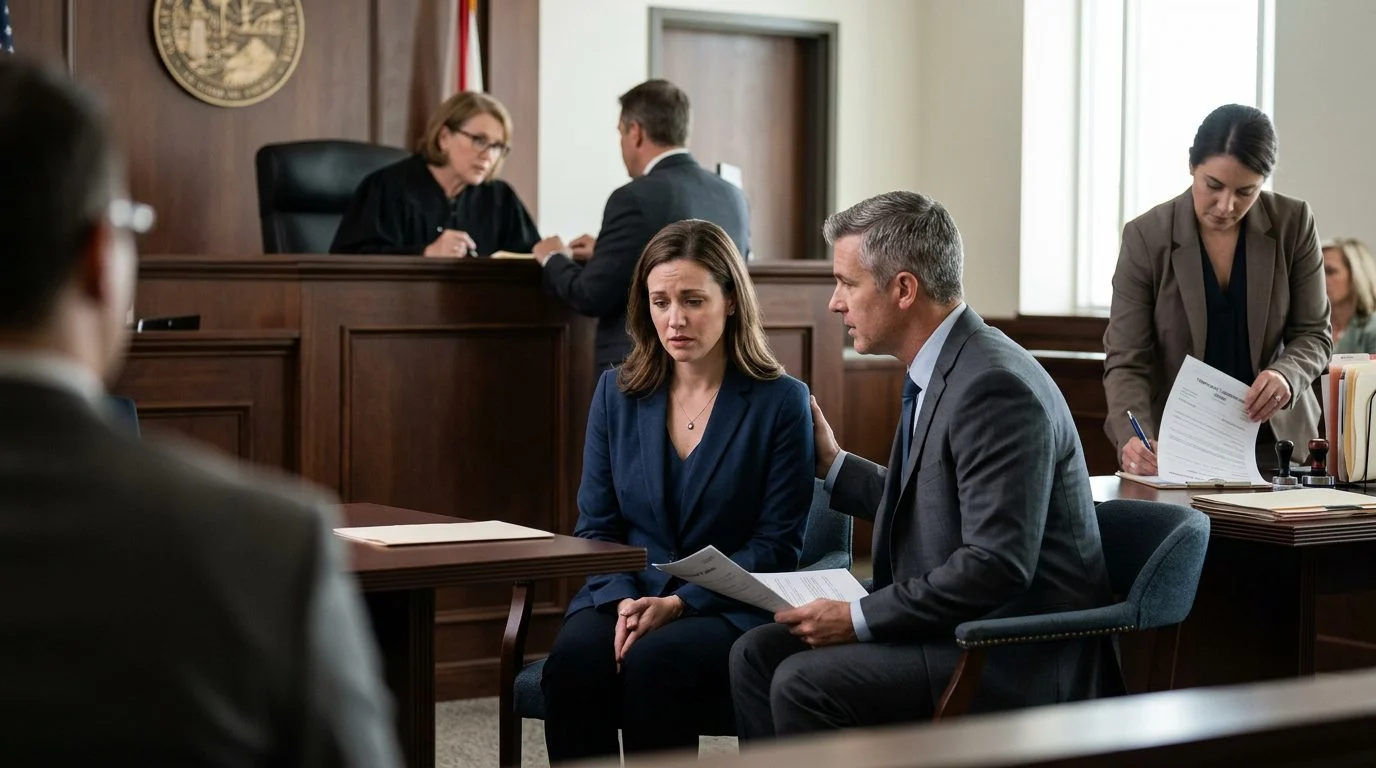
Talk to a Florida Marchman Act Attorney Now
If your husband drinks at home with the kids there, and you feel this cannot go on, you don’t have to decide alone. Call (561) 849-4700 or request a consultation. Your first consultation is free, confidential, and comes with no obligation to continue.
Why Families Turn to Robinson Casey
A Focused Practice
Our firm limits practice to Marchman Act petitions and guardianship matters, so our work centers on these proceedings every day.
Confidential First Consultation
Your initial consultation is free, confidential, and comes with no obligation to continue.
Clear Explanation of Each Step
We explain the petition, the notice, and the hearing in plain language so you know what to expect.
South Florida and Statewide
We serve families in Miami-Dade and across South Florida, and we handle matters throughout the state.
Do Not Wait to Ask for Guidance
A substance use crisis can change quickly. Speaking with an attorney early helps you understand your options before the next step is taken. Contact our office to discuss your situation.
How We Work With You
1. Confidential Consultation
Share the facts of your situation in a free, private conversation. There is no obligation to move forward.
2. Review of Your Matter
Our team reviews the relevant details, including the family's history and the reasons for the petition.
3. Preparation for Court
We help you gather information, understand the paperwork, and prepare for what happens at the hearing.
4. Ongoing Support
Your questions are answered throughout the process by our attorneys and staff, so you are never left guessing.