
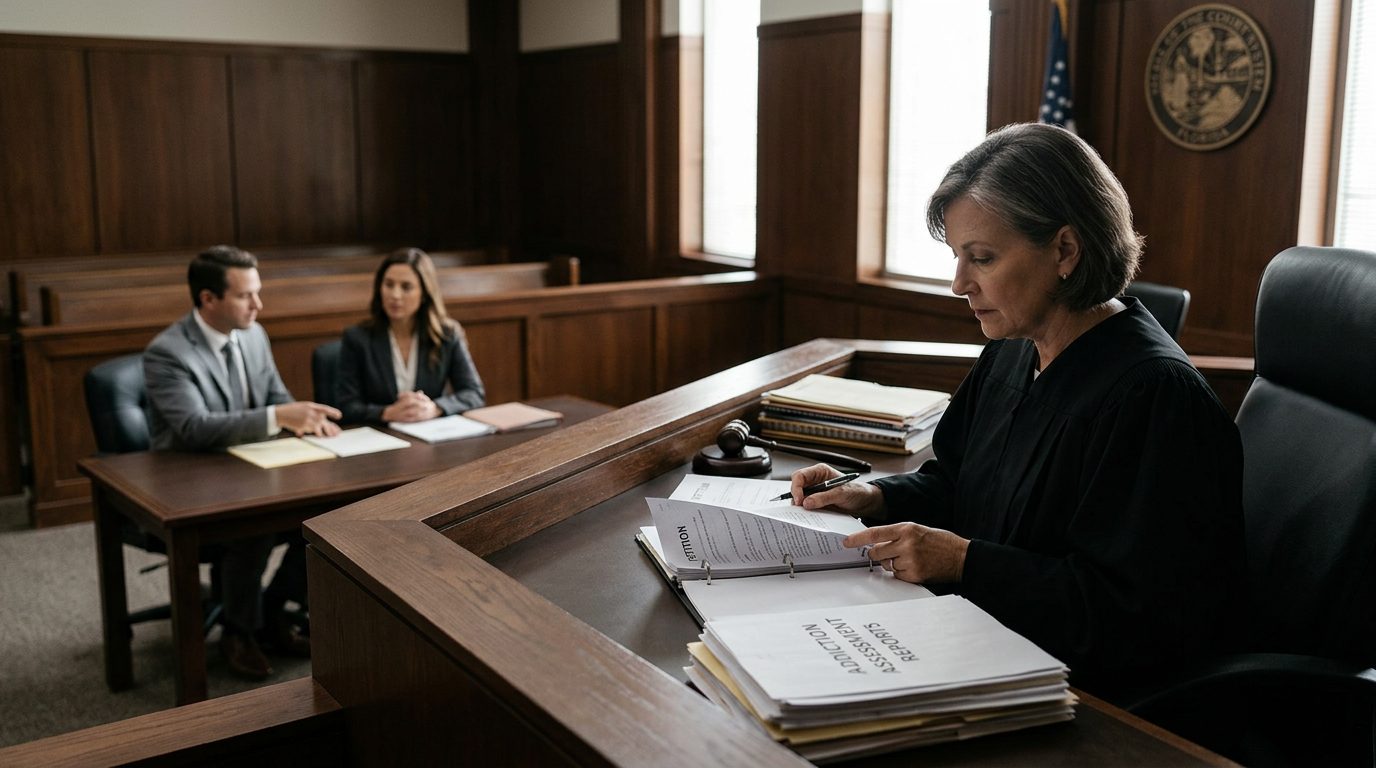
Marchman Act Attorney | Miami-Dade and South Florida
Marchman Act Guidance for Miami-Dade Families in Crisis
Robinson Casey focuses exclusively on Marchman Act petitions and guardianship matters, helping families across South Florida and statewide take the next step with clarity and confidence.
Why Families Start Here
Free
First consultation, confidential and with no obligation to continue
Focused
Practice limited to Marchman Act and guardianship matters
South Florida
Serving Miami-Dade and families statewide
By Richard J. Casey III, Esq. · Published October 18, 2026
If your brother, sister or grandchild uses drugs or alcohol, keeps getting hurt by it and refuses treatment, you may feel like you have no options. Many families search for how to get my brother into treatment against his will Florida law allows. The short answer: Florida’s Marchman Act lets certain relatives ask a court to order an assessment and, if the legal standards are met, involuntary treatment. Robinson Casey limits its practice to Marchman Act petitions and guardianship matters for families in Miami-Dade, South Florida and statewide. Richard J. Casey III, Esq. is the responsible lawyer for this page.
What the Marchman Act is and who this page is for
The Marchman Act is Florida’s civil court process for involuntary assessment and treatment of substance use.
This page is for adult siblings and grandparents who worry about a family member whose drinking or drug use is causing harm. Picture a brother who drinks until he collapses, or a grandson who went home after an overdose and kept using. That person says no to help. You want to know whether Florida law gives your family a legal path.
If your brother, sister or grandchild keeps using and refuses help, you don't have to work out the court process alone, and our team can talk it through with you. Talk it through with our team — the first consultation is free, confidential, and carries no obligation.

Who can file a petition for a sibling or grandchild
A sibling or grandparent can usually file if they are a relative of an adult respondent. Under Fla. Stat. § 397.68112, a petition for an adult may be filed by the spouse or legal guardian, any relative, a service provider, or an adult with direct personal knowledge of the person’s impairment and treatment history. If the person is a minor, the rules differ and a parent, legal guardian or service provider may file.
The petition must name the person, name the petitioner, and explain the relationship. It must also give specific facts. Those facts must show why you believe the person is impaired, why they have lost control over their substance use, and either the harm they have caused or are likely to cause, or why their judgment stops them from seeing the need for care, as set out in Fla. Stat. § 397.68141.
Gather what you can before you call. Useful items include hospital records, police or incident reports, work or school notices, and written accounts from people who saw what happened. Write down dates while they’re fresh.
Accuracy matters. Under Fla. Stat. § 92.525, a person who knowingly makes a false declaration is guilty of perjury by false written declaration, a felony of the third degree.
How the process works, step by step, with a realistic timeline
The process moves from intake to filing, court review, a hearing and, if the court agrees, an order. Each stage has set limits.
- Intake. You share the facts. We check whether the Marchman Act fits your situation.
- Filing. The petition goes to the clerk in the county where the person is physically located. The clerk may not charge a filing fee for the petition, under Fla. Stat. § 397.681.
- Court review. The court must schedule a hearing within 10 court working days unless a continuance is granted. The respondent receives the petition and notice, under Fla. Stat. § 397.68151.
- Emergency option. In an emergency, a judge may enter an ex parte assessment order based on the petition, as Fla. Stat. § 397.6818 allows. The Second District has held that such an order needs petition facts giving a good-faith reason to believe the criteria are met, per D.H. v. K.J.R..
- Assessment and hearing. A clinical assessment generally comes before an involuntary treatment order.
- Order. If the court finds the conditions proved by clear and convincing evidence, it may order treatment for up to 90 days, per Fla. Stat. § 397.697.
The schedule depends on the court calendar and the facts of each case. In J.C. v. State, the appellate court wrote that the lower court “failed to follow the applicable statute by essentially functioning as the absent petitioner.”
Overdose, hospital discharge and waiting for a treatment bed
A recent overdose or hospital visit can change how fast the court can act. Give us the dates of every hospital or detox stay at intake.
A court order can come before a bed is open.
Placement may be outside your home county. The court may name a provider, and a sheriff may deliver the person to it, per Fla. Stat. § 397.697. Filing where the person is located matters. In J.P. v. J.N., a petition filed in the wrong county did not take away the circuit court’s jurisdiction.
Marchman Act compared with the Baker Act
The Marchman Act addresses substance use. The Baker Act addresses mental health crises and emergency examinations. Both are Florida laws, but they cover different problems.
Some people have both substance use and mental health concerns. Fla. Stat. § 397.675 refers to a co-occurring mental health disorder. MedlinePlus’s dual diagnosis guide explains that these conditions can occur together and are usually treated at the same time.
Describe the person’s behavior accurately. Include drinking, pill use, mood episodes and any threats or self-harm. The facts decide which process fits. Neither law is always the better choice.
What a first consultation covers and what it costs
The first consultation is free, confidential and carries no obligation to continue.
Bring the person’s full name and date of birth if you know them. Bring a timeline of incidents, any medical or police records, a list of past treatment attempts, and the names of witnesses. Bring any court papers you have received.
At the consultation, we review whether a Marchman Act petition fits, which county is correct for filing, and what other facts we would need. We can also discuss guardianship if the situation calls for it.
Robinson Casey limits its practice to Marchman Act petitions and guardianship matters. Richard J. Casey III, Esq. is the responsible lawyer. Our team handles intake and office work. The firm serves Miami-Dade, South Florida and families statewide. If your matter may be better handled by another lawyer or firm, we will say so.
Not sure what your next step is?
Talk it through with our team — the first consultation is free, confidential, and carries no obligation.
Frequently asked questions
Can a family member force someone into rehab in Florida?
Can a judge send someone to rehab?
When the court finds that the conditions for involuntary treatment services have been proved by clear and convincing evidence, it may order the respondent to receive involuntary treatment services from a publicly funded licensed service provider for a period not to exceed 90 days, as described in Fla. Stat. § 397.697. The order depends on the evidence and the statute.
How much does it cost to file a Marchman Act petition?
The clerk may not charge a filing fee for the petition. Service fees may be prohibited or waived when the petitioner is indigent.
Does the person get notice and a chance to respond?
Here is some general information about this question. The respondent receives the petition and notice of the hearing, and has the right to a lawyer at every stage.
What if the person lives in another county?
File in the county where the person is physically located when you file. A wrong-county filing does not take away the court’s jurisdiction.
What happens when a court order ends?
A court order for involuntary services lasts up to 90 days. The respondent is automatically discharged at the end unless a renewal motion is filed.
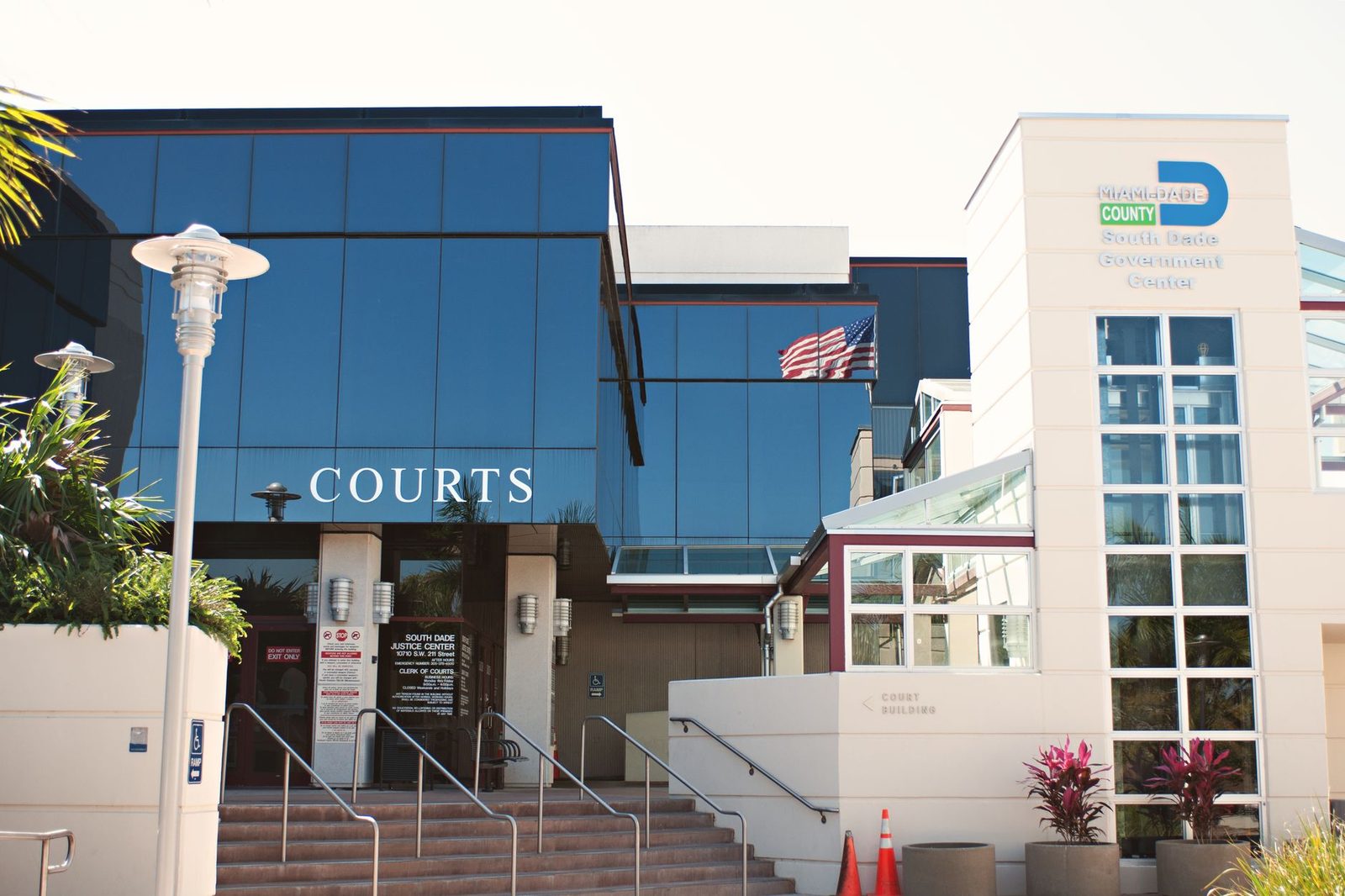
Talk with Robinson Casey about your brother, sister or grandchild
Reading about court orders late at night, trying to help someone who won’t accept help, is a hard place to be. You may be searching on behalf of a brother, a sister or a grandchild who never asked for this.
Whether a Marchman Act petition fits your family’s situation is a question we can work through with you. To talk about your situation, call (561) 849-4149 or request a consultation.
How Our Practice Supports Your Family
Clear Petition Guidance
We walk you through the paperwork and the court process for a Marchman Act petition so you know what to expect at each stage.
Direct Communication
Our team keeps you informed about your matter and answers your questions in plain language, not legal jargon.
Compassionate Approach
We understand that addiction and mental health crises affect the whole household. We approach every family with patience and respect.
Support Staff Who Know the Process
Our assistants and office staff help keep your matter organized from the first call through each court date.
If Someone Is in Immediate Danger
Contact emergency services first. Once the person is safe, call our office to discuss your options under the Marchman Act and related court proceedings.
Matters We Handle
Marchman Act Petitions
Guidance on filing a petition for involuntary assessment or treatment for substance use disorder in Florida.
Involuntary Commitment for Addiction
Representation through court hearings where the court considers whether involuntary treatment services are needed.
Guardianship Matters
Plenary, limited, and mental health guardianship proceedings handled with attention to each family's circumstances.
Emergency Temporary Guardianship
Support for families who need urgent court intervention to protect a vulnerable loved one while a case moves forward.