
Marchman Act & Guardianship | Miami-Dade and South Florida
After a 911 Overdose Call: What Happens Next With Involuntary Treatment in Florida
Robinson Casey focuses on Marchman Act petitions and guardianship matters for families in Miami-Dade, across South Florida, and statewide. Here is how the process generally works and how to get informed help.
By Richard J. Casey III, Esq. · Published November 3, 2026
Searching for 911 overdose involuntary treatment Florida what happens? Here is the short answer. A 911 call brings emergency medical care. A court-ordered treatment case under Florida’s Marchman Act begins with a separate petition filed with a court. This page explains each step in order for family members of a loved one in crisis.
What to Do Right Now If Your Loved One Has Overdosed
Call 911 right away. Say what you see and what you know. Clear details help responders decide how to care for your loved one.
Tell the dispatcher the address, the person’s condition, and any drugs or medicines you think were taken. If you don’t know what was taken, say so. Give the details even if you feel unsure, because responders need them.
Stay with your loved one until help arrives. Keep your phone nearby so responders can reach you. Gather the bottles or containers from the home so you can show the crew.
Write down the date, the time, and what happened. You will want these notes later if a court case follows. Keep a short list of earlier overdoses, hospital visits, and treatment attempts too.
If your loved one has overdosed and is refusing care after the hospital, you don't have to sort out the court steps alone. Talk it through with our team — the first consultation is free, confidential, and carries no obligation.

What a 911 Call Starts: Emergency Medical Response
A 911 call sends emergency responders to treat the medical emergency. Their job is medical care, not a court hearing.
Responders may take the person to a hospital emergency department. Hospital staff decide medical treatment and discharge planning based on the person’s condition. Those decisions belong to the medical team.
A court order comes from a separate petition process.
Florida law also lets certain people ask for an emergency certificate. For an adult, any professional who may issue a professional certificate, a spouse or legal guardian, any relative, or another responsible adult with personal knowledge of the substance abuse impairment may request one (§ 397.6791). A person who meets the criteria for involuntary admission may be admitted to a hospital, licensed detoxification facility, or addictions receiving facility for emergency assessment after it receives a qualifying professional’s certificate specific to substance abuse impairment and an application (§ 397.679).
Why an Emergency Visit Is Not a Court-Ordered Treatment Petition
A petition filed with the court does.
A petition must name the respondent, who is the person the petition concerns. It must also name the petitioner, state their relationship, and give facts showing why involuntary services are needed (§ 397.68141).
For an adult, the petitioner may be a spouse or legal guardian, any relative, a service provider, or an adult with direct personal knowledge of the impairment and of the loved one’s prior course of assessment and treatment (§ 397.68112).
Many families assume the hospital visit already began a court case. It did not start one by itself.
How the Marchman Act Works After an Overdose Crisis
The Marchman Act lets a qualifying person file a petition asking a Florida court for involuntary treatment services if the law’s criteria are met.
The court looks for a good faith reason to believe the person is substance abuse impaired, or has a substance use disorder with a co-occurring mental health disorder. Fla. Stat. § 397.675 reads: “(b) Without care or treatment, is likely to suffer from neglect or refuse to care for himself or herself; that such neglect or refusal poses a real and present threat of substantial harm to his or her well-being; and that it is not apparent that such harm may be avoided through the help of willing, able, and responsible family members or friends or the provision of other services, or there is substantial likelihood that the person has inflicted, or threatened to or attempted to inflict, or, unless admitted, is likely to inflict, physical harm on himself, herself, or another.” The current text reflects the 2024 amendments in ch. 2024-245.
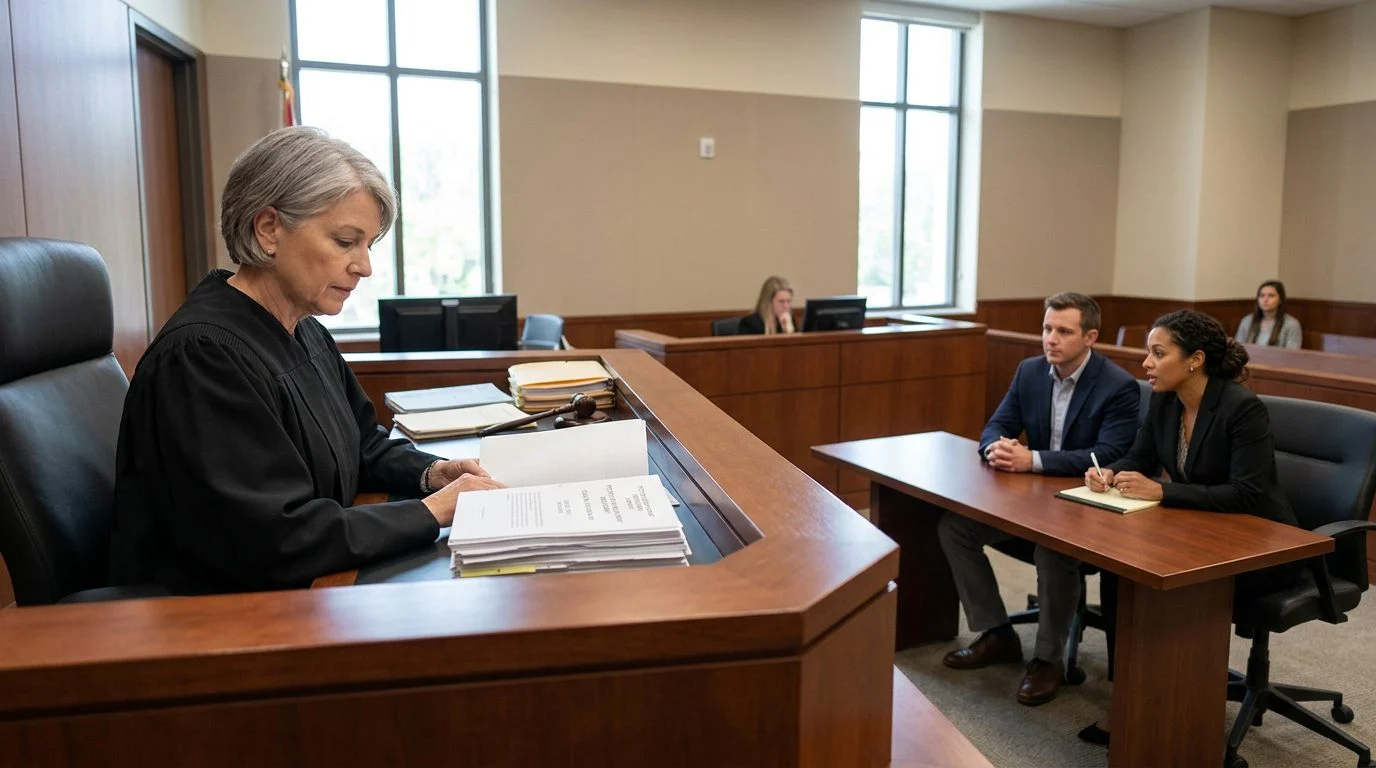
After a petition is filed, the court must decide whether the respondent has a lawyer. It must schedule a hearing within 10 court working days unless a continuance is granted (§ 397.68151).
The respondent has the right to counsel at every stage. A respondent who cannot afford private counsel can receive court-appointed counsel (§ 397.681).
If the court orders treatment, it may last up to 90 days when the conditions are proved by clear and convincing evidence (§ 397.697).
The judge decides based on the facts and evidence presented, so the outcome depends on the facts.
Why the County Where Your Loved One Is Located Matters
A Marchman Act petition is filed with the clerk of the court in the county where the person is located (§ 397.681). For a family in Miami-Dade or elsewhere in South Florida, the key question is where the person is at the time of filing.
In J.P. v. J.N., the petition was filed in a county where the person was at a detox facility, not where he lived. As the opinion in J.P. v. J.N. explains, filing the petition in the wrong county did not divest the circuit court in Putnam County of jurisdiction.
The clerk may not charge a fee for filing a Marchman Act petition (§ 397.681).
Common Questions After an Overdose in Florida
What are the requirements for involuntary admission in Florida?
Florida requires a good faith reason to believe the person is substance abuse impaired. The person must also have lost self-control and meet a harm or judgment test.
Who can file a Marchman Act petition?
For an adult, a spouse, legal guardian, relative, or service provider can file, as can an adult who has direct personal knowledge of the respondent’s substance abuse impairment and his or her prior course of assessment and treatment. The clerk handles the filing.
How long can a court order last?
A court may order treatment for up to 90 days. The court must find the conditions proved by clear and convincing evidence.
Is there a fee to file?
The clerk may not charge a filing fee for a Marchman Act petition.
Not sure what your next step is?
Talk it through with our team — the first consultation is free, confidential, and carries no obligation.

Moving From the Emergency to a Marchman Act Consultation
Once your loved one is medically stable, a consultation can help you judge whether a Marchman Act petition fits your situation. Ask hospital staff about next steps for medical care. A Marchman Act question is a separate legal question.
If a court orders treatment, the person may be discharged early. That can happen when he or she no longer meets the criteria and gives informed consent to voluntary status (§ 397.6971).
Robinson Casey focuses exclusively on Marchman Act petitions and guardianship matters, serving families across South Florida and statewide. Richard J. Casey III, Esq., is the responsible attorney for this page.
The firm’s initial consultation is free, confidential, and carries no obligation to continue.
If your loved one has overdosed and is refusing care after the hospital, you don’t have to sort out the court steps alone. Contact Robinson Casey or call (561) 849-4700 to talk through your situation.
The Stages Families Often Encounter
Emergency Response
Paramedics and law enforcement respond to the overdose and may transport the person to a receiving facility for evaluation and stabilization.
Petition for Involuntary Assessment
A petition under the Marchman Act may be filed by a qualifying family member or service provider, asking the court to review the person's condition and need for treatment.
Court Review
A judge reviews the petition and the supporting evidence. The process can move quickly, which is why early legal guidance matters.
Treatment and Follow-Up
If the court orders treatment, the focus shifts to the care plan, progress reviews, and what happens when the treatment period ends.
Why Families Contact Robinson Casey
Focused Practice
The firm focuses on Marchman Act petitions and guardianship matters, so your situation is handled by lawyers who concentrate in these areas.
Free, Confidential First Consultation
Your first consultation is free, confidential, and carries no obligation to continue.
Miami-Dade, South Florida, and Statewide
The firm serves families in Miami-Dade and across South Florida, and assists families statewide.
Clear Next Steps
Our team explains the process in plain language so you know what to expect and what to ask.
Do Not Wait in an Emergency
If someone is overdosing or in immediate danger, call 911 right away. Legal questions can wait until the person is safe. Once the emergency is handled, contact us to discuss your options.