
Marchman Act & Guardianship
Involuntary Commitment for Drug Addiction in Florida
When a loved one refuses treatment, Florida law provides a legal pathway to court-ordered care. Robinson & Casey helps families navigate Marchman Act petitions.
By Richard J. Casey III, Esq. · Published September 21, 2026
Involuntary Commitment for Drug Addiction in Florida: What Families Need to Know
When someone you love is trapped in addiction and refuses help, involuntary commitment may be an option. In Florida, the Marchman Act provides a legal pathway for families to petition the court for court-ordered treatment when voluntary interventions have failed and the person’s substance abuse poses a serious risk.
This guide explains how involuntary commitment works, who can file for it, what to expect in court, and how to prepare. Understanding the process can help you make an informed decision about whether this intervention is right for your family’s situation.
If you're watching someone you love struggle with addiction and voluntary treatment hasn't worked, you're not alone—families in your situation reach out regularly to understand whether involuntary commitment is an option for them. Talk it through with our team — the first consultation is free, confidential, and carries no obligation.

Understanding Involuntary Commitment for Addiction in Florida
Involuntary commitment is a court-ordered intervention that places someone in a licensed treatment facility when they cannot or will not seek help voluntarily. It is not punishment—it is a medical intervention based on the principle that addiction impairs judgment and decision-making.
Florida’s Marchman Act (Chapter 397, Florida Statutes) establishes the legal framework for involuntary commitment of individuals struggling with substance abuse. The Act recognizes that addiction is a serious condition requiring intervention when a person’s own judgment is compromised by drug or alcohol use.
The distinction between voluntary and involuntary commitment is straightforward: voluntary treatment means the person chooses to enter a program; involuntary commitment means a court orders them into treatment despite their objection. Families often turn to involuntary commitment after interventions have failed, enabling cycles continue, or safety risks escalate—when the person’s addiction threatens their life or the safety of others.
When Involuntary Commitment May Be Appropriate
Involuntary commitment becomes necessary when addiction has reached a crisis point and other options have been exhausted. Warning signs include repeated relapses despite treatment attempts, dangerous behavior while under the influence, overdose risks, legal consequences, and complete refusal to acknowledge the problem.
Safety is often the triggering factor. If the person poses an immediate danger to themselves (overdose risk, self-harm) or others (driving under the influence, violent behavior), the court may find that involuntary commitment is justified. Courts also consider whether the person has the capacity to make rational decisions about their own treatment—a capacity often absent when addiction is severe.
Inability or unwillingness to seek help despite serious consequences is a key criterion. If someone has lost employment, housing, relationships, and health but still refuses treatment, involuntary commitment may be the only remaining option. Failed attempts at voluntary rehabilitation strengthen the case that involuntary intervention is necessary.
The legal and medical criteria courts evaluate include whether the person is abusing drugs or alcohol, whether that abuse has caused or is likely to cause serious bodily injury or death, and whether the person is unwilling or unable to seek treatment voluntarily. According to the National Institute on Drug Abuse, addiction is recognized as a chronic brain disorder that impairs judgment, which forms the medical foundation for involuntary treatment when voluntary options have failed.
The Legal Process: How Involuntary Commitment Works
Family members, healthcare providers, and law enforcement officers may petition the court for involuntary commitment under Florida law. As a family member, you have standing to file a petition if you can demonstrate that the person meets the statutory criteria.
The petition process begins with filing a formal request with the circuit court in the county where the person resides. The petition must include specific information: the person’s name and location, a description of their substance abuse and its effects, evidence that they are unwilling or unable to seek treatment, and details about any prior treatment attempts. You’ll need to document the addiction’s impact—hospitalizations, overdoses, arrests, job loss, relationship breakdown—and explain why you believe involuntary commitment is necessary.
Florida law provides two pathways: emergency commitment and non-emergency commitment. Emergency commitment may be used when there is immediate danger, and the process moves quickly. Non-emergency commitment follows a more deliberate timeline, allowing for notice and preparation. In either case, once the petition is filed, the court schedules a hearing, typically within a short timeframe.
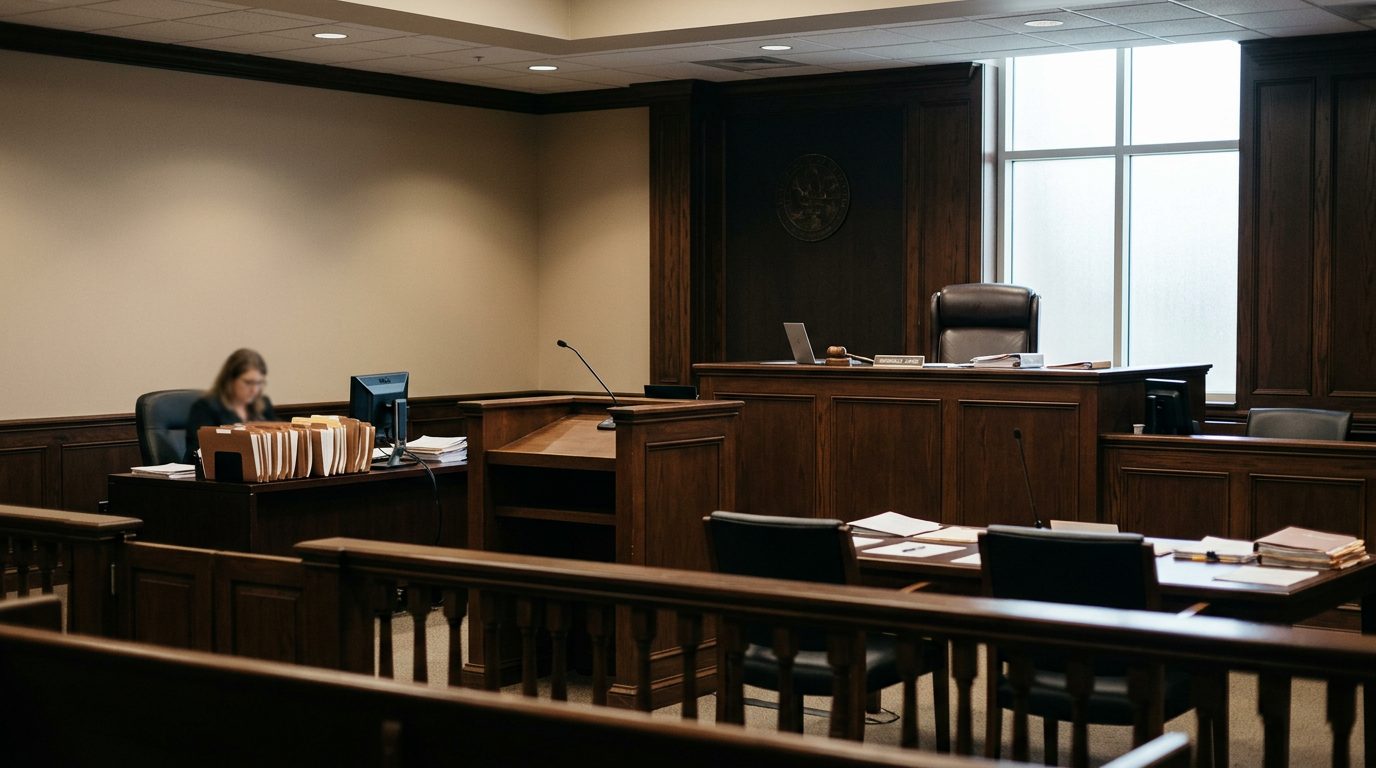
The court’s role is to conduct a judicial review of your petition. The judge will examine the evidence, hear testimony, and decide whether clear and convincing evidence supports the commitment. This is a high legal standard—the court must be substantially certain that involuntary commitment is justified before ordering it.
The person subject to commitment has important rights: the right to legal representation, the right to contest the petition, the right to present evidence in their defense, and the right to cross-examine witnesses. These protections ensure fairness and prevent misuse of the commitment process.
What Happens During the Commitment Hearing
The commitment hearing is where your case is presented to a judge. You, as the petitioner, will testify about the person’s addiction, the harm it has caused, failed treatment attempts, and why you believe involuntary commitment is necessary. Other family members, healthcare providers, or witnesses who have observed the addiction’s impact may also testify.
The court evaluates evidence and testimony to determine whether the legal criteria are met. You’ll present documentation—medical records, treatment history, evidence of overdoses or dangerous behavior, communications showing refusal of help. The judge will listen carefully to understand the full picture of the situation.
The person subject to commitment has the right to legal representation and the right to defend themselves. They may present their own evidence, call witnesses, and argue against the petition. The judge must hear both sides before making a decision.
The burden of proof required is “clear and convincing evidence”—a legal standard meaning the judge must be substantially certain that the criteria for commitment are met. This is a higher standard than “preponderance of the evidence” (more likely than not), which reflects the serious nature of restricting someone’s liberty.
Possible outcomes include the court ordering involuntary commitment, denying the petition, or in some cases arranging alternative arrangements such as conditional release with ongoing monitoring or voluntary treatment with court oversight.
Common Family Concerns and Misconceptions
Myth: Involuntary commitment is punishment or abandonment. Reality: It is a medical intervention, not a criminal sanction. You are not abandoning your loved one; you are intervening to save their life when they cannot help themselves.
Concern: Will this damage the family relationship? This is real and understandable. Some people are angry initially; others, once in treatment and sober, recognize that the intervention was necessary and express gratitude. Relationships can heal, especially with family counseling and ongoing support.
Concern: What if the person refuses to cooperate after commitment? Treatment facilities are trained to work with resistant individuals. Commitment does not ensure instant compliance, but it removes the option to leave and provides time for treatment to take effect and for the person’s thinking to clear.
Concern: Cost and insurance coverage. Treatment costs vary. Many facilities accept insurance; some offer sliding-scale fees or work with state programs. Discuss costs and payment options with potential treatment providers before commitment.
Concern: Privacy and confidentiality. Court proceedings are generally public record, but medical and treatment information is protected by privacy laws. Your loved one’s treatment details remain confidential.
Not sure what your next step is?
Talk it through with our team — the first consultation is free, confidential, and carries no obligation.
Preparing for the Commitment Process
Strong preparation increases the likelihood that the court will grant your petition. Document the addiction’s impact: dates of overdoses, hospitalizations, arrests, job losses, and relationship damage. Keep records of treatment attempts—names of programs, dates attended, reasons for discharge or dropout.
Gather medical and psychiatric records if available. These provide objective evidence of the severity of the addiction and any co-occurring mental health conditions. Identify witnesses who can speak to the addiction’s severity—family members, friends, employers, healthcare providers, or clergy who have observed the person’s behavior and deterioration.
Understand your role as petitioner. You will be asked to testify under oath. Be honest, specific, and focused on facts rather than emotions. Judges respond to clear, documented evidence.
Prepare emotionally. Testifying against a family member is difficult. You may feel guilt, fear, or conflict. Recognize these feelings as normal. Many families find support through counseling or support groups for families of people with addiction.
Know what to bring to court: the original petition, copies of supporting documents, medical records, treatment history, photographs if they show evidence of deterioration, and any written communications showing refusal of help. Organize materials clearly so you can reference them during testimony.
After Commitment: Treatment and Next Steps
Once commitment is ordered, the person will be placed in a licensed treatment facility approved by the Florida Department of Children and Families. These facilities provide medical detoxification, counseling, group therapy, and psychiatric care tailored to substance use disorders.
The types of treatment available include inpatient residential programs (typically 28–90 days), intensive outpatient programs, and medication-assisted treatment for opioid addiction. The facility develops an individualized treatment plan based on the person’s needs and the court’s order.
Family involvement in treatment planning is encouraged and often beneficial. Many programs offer family counseling and education to help relatives understand addiction and support recovery. Your participation signals to your loved one that you remain committed to their healing.
The duration of involuntary commitment is set by the court order and by Florida statute. Commitments may be renewed if the person remains unwilling or unable to seek treatment and continues to meet the legal criteria. The process for renewal involves another petition and judicial review.
Transition planning and aftercare are critical. Before discharge, the facility will help arrange ongoing outpatient treatment, support groups, sober living arrangements, and relapse-prevention resources. Your involvement in aftercare planning helps ensure continuity of care and increases the likelihood of sustained recovery.
Your Family’s Rights and Responsibilities
As a petitioner and family member, you have the right to participate in the legal process—to file the petition, present evidence, testify, and attend hearings. You also have the right to request modifications to the commitment order if circumstances change.
You bear a responsibility to act in the person’s best interest. This means being honest in your petition, providing accurate information, and making decisions based on genuine concern for their safety and recovery—not out of anger, control, or other motives.
Confidentiality and privacy protections apply to the person’s medical and treatment information. You may have access to certain information if you are designated as a family contact, but you cannot demand access to all records without the person’s consent or a court order.
You have the right to appeal or modify the commitment order if new circumstances arise or if you believe the commitment is no longer necessary. Similarly, the person subject to commitment can petition the court for modification or release.
Your duty includes supporting treatment compliance—encouraging attendance at appointments, family sessions, and aftercare programs. Recovery is a process, and family support is one of the strongest predictors of success.
Getting Legal Guidance for Your Situation
Working with an attorney familiar with Florida’s involuntary commitment laws matters because the process involves strict procedural requirements, specific legal standards, and court deadlines. An error in filing or presentation can result in your petition being dismissed.
An attorney can help you prepare a compelling petition, gather and organize evidence, prepare you for testimony, and present your case effectively in court. They understand the judge’s expectations, local court procedures, and the specific language courts look for when evaluating commitment petitions.
Before choosing legal representation, ask whether the attorney has experience with involuntary commitment cases, how they approach family consultations, what the timeline and costs are, and how they will keep you informed throughout the process.
The timeline for consultation and case preparation typically spans a few weeks. Emergency commitments move faster; non-emergency cases allow more time for thorough preparation. Early consultation ensures you have guidance from the start.

Frequently Asked Questions
What is the difference between involuntary commitment and guardianship?
Involuntary commitment is a court order for substance abuse treatment; guardianship gives someone legal authority to make decisions for another adult. They serve different purposes and may be used separately or together depending on the situation.
Can someone be forced into treatment if they don’t want it?
Yes, under the Marchman Act, if the court finds clear and convincing evidence that the person meets the criteria, they can be ordered into treatment involuntarily.
How long does involuntary commitment last?
Duration is set by the court order and Florida statute, typically ranging from days to months. Commitments can be renewed if the person continues to meet the legal criteria.
Will my family member hate me for filing for involuntary commitment?
Possibly, at first. Many people in recovery later recognize the intervention as life-saving. Family counseling and professional support can help repair relationships.
Can the commitment order be appealed?
Yes, the person subject to commitment can petition the court for modification or release, and either party may appeal certain decisions.
If you’re watching someone you love struggle with addiction and voluntary treatment hasn’t worked, you’re not alone—families in your situation reach out regularly to understand whether involuntary commitment is an option for them. Robinson & Casey has guided families through Florida’s involuntary commitment process and can help you understand your options, prepare your petition, and present your case in court. Reach out today for a consultation to discuss your family’s circumstances and next steps.
Time Matters
Marchman Act petitions require specific procedures and documentation. The sooner you contact an attorney, the sooner you can move forward with getting your loved one the help they need.
How Involuntary Commitment Works
Petition Filing
A family member, healthcare provider, or law enforcement can file a Marchman Act petition with the court, alleging substance abuse and the need for treatment.
Court Hearing
The court reviews evidence and hears testimony to determine whether involuntary commitment is appropriate under Florida law.
Treatment Order
If the court finds grounds, it may order the person into treatment—either short-term (up to 5 days) or long-term (up to 60 days or longer).
Legal Representation
Having an attorney guide you through the process ensures your petition is properly prepared and presented to the court.
Why Robinson & Casey
Marchman Act Focus
We focus exclusively on Marchman Act petitions and guardianship matters. This narrow focus means deep familiarity with Florida's involuntary commitment process.
Statewide Service
Based in South Florida, we serve families across Miami-Dade, South Florida, and throughout Florida.
Direct Access
Call us directly at (561) 849-4149. You speak with our firm, not a referral service or answering machine.
Family-Centered Approach
We understand the emotional weight of seeking involuntary commitment. We guide you through each step with clarity and compassion.
Common Questions
What is the difference between involuntary commitment and guardianship?
Involuntary commitment is a court order for substance abuse treatment. Guardianship gives someone legal authority to make decisions for another adult. They serve different purposes and may be used separately or together depending on the situation.
Can someone be forced into treatment if they don't want it?
Yes, under the Marchman Act. Florida law allows the court to order involuntary commitment when there is clear and convincing evidence that a person is abusing substances and poses a threat to themselves or others, or is unable to care for themselves.
Who can file a Marchman Act petition?
A family member, healthcare provider, law enforcement officer, or other interested party may file a petition. An attorney can advise you on standing and the strength of your case.
How long does the process take?
The timeline varies. An emergency ex parte order can be obtained quickly, but the full hearing and court determination depend on the court's schedule and the facts of your case. Your attorney will explain the timeline for your situation.
Ready to Take the Next Step?
Related practice areas
- Involuntary Commitment for Addiction in Florida