
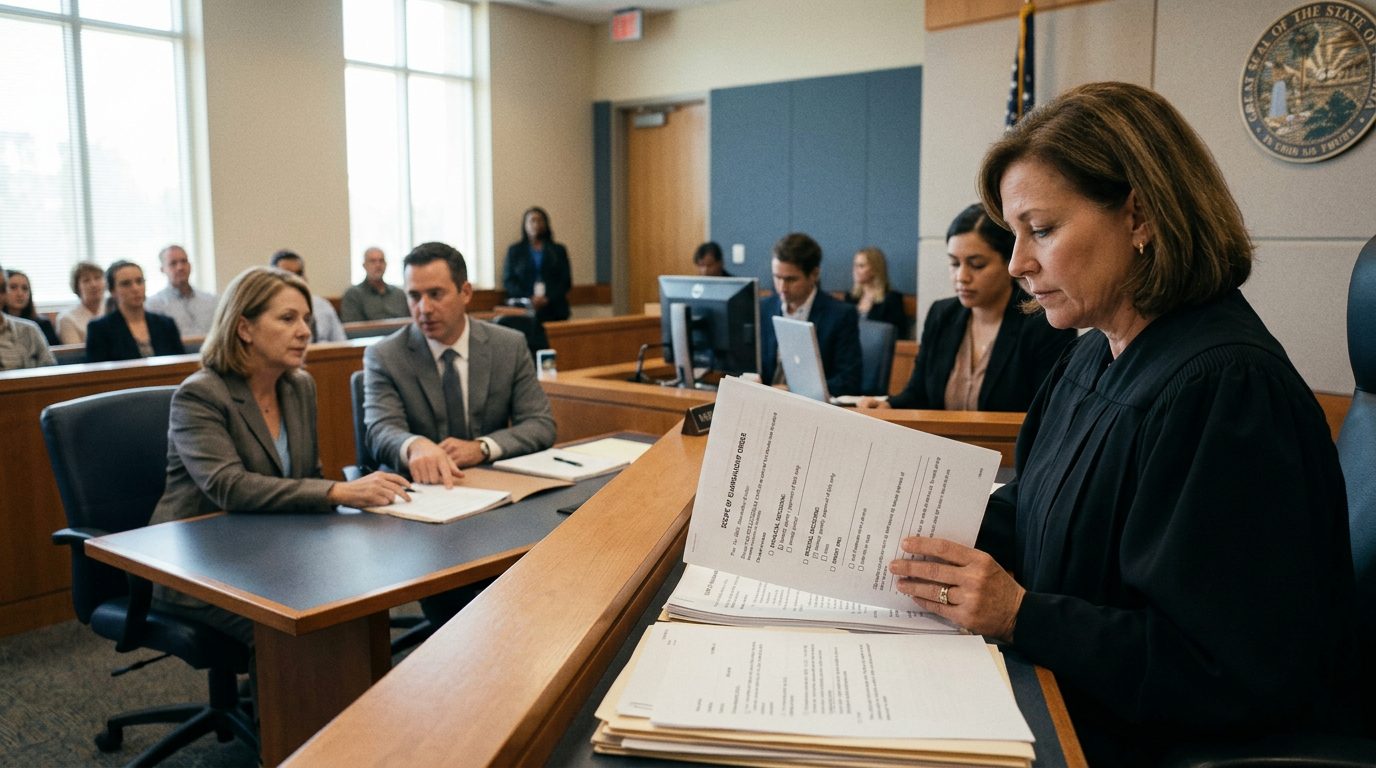
Involuntary Commitment & Addiction Treatment
Involuntary Commitment in Florida: Process & Legal Help
When a family member struggles with addiction, Florida law provides a civil court process to seek involuntary commitment for treatment. Robinson & Casey guides families through every step.
By Richard J. Casey III, Esq. · Published September 18, 2026
Involuntary Commitment in Florida: What It Is, How It Works, and How We Can Help
Involuntary commitment in Florida is a court-authorized legal process that allows families and authorized parties to place someone in treatment or care without their consent when they meet strict statutory criteria—typically because they pose danger to themselves or others, or are gravely disabled and unable to meet basic needs. If you’re considering this step for a loved one struggling with addiction or mental health crisis, understanding the process, your legal options, and what to expect is essential.
Robinson & Casey handles involuntary commitment petitions across South Florida and statewide, guiding families through every stage of the court process. This page explains what involuntary commitment is, who qualifies, how the legal process unfolds, and how we help families navigate it.
If you're facing a mental health or addiction crisis with a loved one and wondering whether involuntary commitment is the right step, families in your situation can reach out to us—let's talk through your options. Talk it through with our team — the first consultation is free, confidential, and carries no obligation.

What Is Involuntary Commitment in Florida?
Involuntary commitment is a legal intervention that removes a person’s ability to refuse treatment or care when a court determines they meet Florida’s statutory criteria for commitment.
Unlike voluntary admission—where someone chooses to enter treatment—involuntary commitment happens without the person’s consent. The court authorizes it. A judge reviews evidence and testimony, then issues a commitment order that sends the person to a treatment facility or care setting.
Involuntary commitment serves two purposes: it protects the individual from immediate harm, and it ensures they receive necessary treatment. It’s distinct from guardianship, which is a longer-term legal arrangement giving someone authority over another person’s financial and personal decisions. Commitment is typically a crisis intervention; guardianship is ongoing legal control.
Florida law recognizes two main categories of involuntary commitment: commitment for mental health conditions (governed by Fla. Stat. Chapter 394) and commitment for substance use disorders, including addiction (governed by Fla. Stat. Chapter 397, which includes the Marchman Act).
Who Qualifies for Involuntary Commitment in Florida?
Courts apply a three-part legal test to determine whether someone qualifies for involuntary commitment: danger to self, danger to others, or grave disability.
Danger to self means the person’s behavior demonstrates a substantial likelihood they will harm themselves. This includes suicidal threats or attempts, self-harm, or reckless behavior driven by mental illness or substance use.
Danger to others means the person poses a substantial likelihood of causing physical harm to another person. This includes threats, violence, or behavior patterns that indicate imminent risk.
Grave disability means the person cannot provide for their own basic needs—food, shelter, clothing, medical care—because of mental illness or substance use, and has no one willing and able to help. They’re unable to function independently.
For substance use disorders specifically, Fla. Stat. Chapter 397 allows involuntary commitment when someone’s use of alcohol or drugs poses danger to self or others, or when they’re unable or unwilling to seek treatment voluntarily and their condition is likely to deteriorate without intervention.
Examples of qualifying circumstances include:
- A person with untreated bipolar disorder refusing medication and exhibiting increasingly erratic, dangerous behavior
- Someone with severe alcohol use disorder unable to afford housing or food, living on the street
- A person with addiction expressing suicidal ideation or making suicide attempts
- An individual with mental illness making credible threats of violence toward family members
- Someone with substance use disorder whose addiction is rapidly worsening and poses imminent risk
Not every difficult situation qualifies. The behavior must be severe, recent, and meet Florida’s statutory standard. Robinson & Casey evaluates your specific circumstances against these legal criteria.
Types of Involuntary Commitment in Florida
Florida law provides several forms of involuntary commitment, each serving different situations and timelines.
Emergency involuntary commitment is the fastest intervention. Law enforcement, emergency medical personnel, or authorized mental health professionals can place someone on an immediate hold (typically 72 hours) without a court order when there’s imminent danger. This buys time for a petition to be filed and a hearing scheduled.
Involuntary commitment for mental health conditions under Fla. Stat. Chapter 394 applies to individuals with mental illness meeting the danger or grave disability standard. A family member, physician, or other authorized party files a petition with the court.
Involuntary commitment for addiction under Fla. Stat. Chapter 397—often called a Marchman Act petition—applies specifically to substance use disorders. Family members have standing to petition, making this avenue accessible even when the person with addiction refuses help.
Temporary commitment orders typically last 72 hours to 5 days. At the end of that period, if longer commitment is needed, a full hearing must occur.
Extended commitment orders last longer—weeks or months—and require renewal through additional court proceedings. The length depends on the person’s progress, treatment response, and ongoing danger assessment.
How the Involuntary Commitment Process Works in Florida
The involuntary commitment process unfolds in distinct stages, each with specific legal requirements and timelines.
Step 1: Initial Assessment and Documentation
The process begins when you recognize that a loved one meets Florida’s criteria for commitment. You gather evidence: documentation of dangerous behavior, threats, substance use patterns, medical records, witness statements, or prior treatment attempts. You may also consult with a physician or mental health professional who can attest to the person’s condition.
Step 2: Filing the Petition
You (or your attorney) file a formal petition with the court in the county where the person lives or is currently located. The petition must clearly state which statutory grounds apply—danger to self, danger to others, or grave disability—and provide specific facts supporting each claim.
Under Fla. Stat. Chapter 397, family members can file for addiction commitment. Under Fla. Stat. Chapter 394, physicians, mental health professionals, and law enforcement can also petition.
Step 3: Ex Parte Hearing and Temporary Hold
In some cases, the judge may hold an ex parte hearing (without the person present) based on your petition alone. If the judge finds probable cause, they issue a temporary hold order, typically for 72 hours. This gives you time to arrange treatment and prepare for a full hearing.
Step 4: Full Hearing Before a Judge
Within the temporary hold period, a full hearing must be scheduled. The person has the right to be present, to hear the evidence against them, and to have an attorney (appointed if they cannot afford one). You present evidence—documents, witness testimony, medical opinions. The person or their attorney can contest the petition.
Step 5: Judge’s Determination and Commitment Order
The judge decides whether the evidence meets Florida’s legal standard. If it does, they issue a commitment order authorizing placement in a treatment facility or care setting. If it doesn’t, the person is released.
Step 6: Placement and Treatment
Once the order is issued, the person is transported to a designated treatment facility. The facility begins assessment, treatment planning, and care.
Step 7: Ongoing Review and Modification
The person can petition for release at any time. The facility reviews progress regularly. If circumstances change, either party can petition to modify or extend the commitment order.
Typical Timeline
From filing to commitment order often takes 5 to 10 business days, though emergency holds can accelerate the process. The exact timeline depends on court scheduling, the complexity of your case, and whether the person contests the petition.
What Robinson & Casey Handles in Involuntary Commitment Cases
Our role is to guide your family through every stage of the involuntary commitment process with clarity, experience, and attention to detail.
We evaluate your situation against Florida’s legal criteria. We listen to your story, review the facts, and assess whether involuntary commitment is appropriate and likely to succeed.
We prepare the petition with all required documentation—specific facts, medical evidence, witness statements—so the court has a complete picture.
We represent you at the hearing before the judge. We present evidence, examine witnesses, and make legal arguments supporting your petition.
We coordinate with medical professionals, treatment facilities, and the court to ensure smooth placement and continuity of care.
We handle emergency situations where immediate temporary commitment is needed, working quickly to file and secure a hold.
We assist with modifications or extensions if the initial commitment order needs adjustment or renewal.
We explain your rights and obligations throughout the process so you understand what’s happening and what to expect next.
Not sure what your next step is?
Talk it through with our team — the first consultation is free, confidential, and carries no obligation.
Why Families Choose Robinson & Casey
Robinson & Casey focuses exclusively on involuntary commitment and guardianship matters. We don’t handle personal injury, criminal defense, or family law. This focus means deep knowledge of Florida’s commitment statutes and years of experience navigating the courts.
We understand the emotional weight of these decisions. Families don’t choose involuntary commitment lightly. We approach each case with compassion and clear communication about what’s realistic and what to expect.
We’re familiar with local courts, judges, and procedures across South Florida and statewide Florida. We know how different judges apply the law and what evidence they find persuasive.
We handle involuntary commitment petitions—for mental health conditions, substance use disorders, and emergency situations. That experience translates into stronger petitions, better court presentations, and better outcomes for families.
We explain the process in plain language. Legal jargon doesn’t help you make decisions. We tell you what’s happening, why it matters, and what comes next.
Frequently Asked Questions About Involuntary Commitment in Florida
Can I involuntarily commit a family member without their knowledge?
The court process requires notice and a hearing; the person is notified and has the right to appear and contest the petition.
How long does involuntary commitment last?
Temporary orders typically last 72 hours to 5 days; longer commitments require court renewal and can last weeks or months depending on treatment progress and ongoing danger assessment.
What if the person refuses treatment after commitment?
The commitment order is enforceable; the treatment facility and court have mechanisms to address refusal and ensure compliance.
Do I need a lawyer to file for involuntary commitment?
No, it’s not legally required, but an attorney significantly improves petition quality and increases the likelihood of success.
What happens at the commitment hearing?
The judge hears evidence and testimony from you, medical professionals, and the person (or their attorney); the person has the right to contest the petition.
Can involuntary commitment be reversed or appealed?
Yes; the person can petition for release or appeal the order through proper legal channels.
Is involuntary commitment the same as guardianship?
No; commitment is temporary medical intervention for crisis; guardianship is ongoing legal authority over a person’s affairs.
The Legal Basis for Involuntary Commitment in Florida
Florida’s involuntary commitment framework is grounded in two main statutes. Fla. Stat. Chapter 394 governs mental health commitment. Fla. Stat. Chapter 397 governs substance abuse commitment, including the Marchman Act.
Both statutes require courts to apply the three-part test: danger to self, danger to others, or grave disability. Both include due process protections—notice, the right to a hearing, the right to legal representation, and the right to contest the petition.
Florida law takes seriously both the need to protect people in crisis and the civil liberties of those subject to commitment. The statutes balance these interests by requiring clear evidence, judicial review, and ongoing opportunity for release.

Next Steps: Getting Help with Involuntary Commitment in Florida
If you’re facing a situation where involuntary commitment may be necessary, the first step is a confidential conversation with an attorney who understands Florida’s process and your family’s circumstances.
During an initial consultation, we discuss your situation in detail. We ask about the person’s behavior, medical history, prior treatment, and current danger level. We explain whether involuntary commitment appears appropriate under Florida law.
We outline the timeline, the hearing process, what evidence you’ll need, and what to prepare. We answer your questions and address your concerns.
If you decide to proceed, we handle the petition, represent you at the hearing, and guide you through placement and ongoing coordination with the treatment facility.
If you’re wrestling with whether this step is right for your family, that’s exactly the conversation to have with us. We help you think through the options, understand the legal process, and make an informed decision.
If a loved one is in immediate danger, call 911 or go to the nearest emergency room. For non-emergency involuntary commitment guidance, contact Robinson & Casey.
When you’re facing a mental health or addiction crisis with a loved one and wondering whether involuntary commitment is the right step, families in your situation can reach out to us. We’re here to walk you through the legal process, answer your questions, and represent you in court. Call us at (561) 849-4149 or schedule a consultation to discuss your situation and explore your options.
Important: Court Process Protects Rights
Florida law requires that the person be notified and given the opportunity to appear and contest the petition. The court ensures due process throughout the involuntary commitment proceeding.
How Involuntary Commitment Works in Florida
Filing the Petition
A petition is filed with the court on behalf of the person struggling with addiction. The petition must describe the circumstances and the basis for seeking involuntary commitment for treatment.
Notice & Hearing
The person is notified of the petition and has the right to appear at a hearing. They may contest the petition and present their own evidence before the court decides.
Court Order & Duration
If the court grants the petition, a temporary order typically lasts 72 hours to 5 days. Longer commitments require court renewal and can extend for weeks or months depending on treatment needs.
Treatment & Follow-Up
The commitment directs the person to a treatment facility. Robinson & Casey helps families understand the next steps and any ongoing legal requirements.
Why Robinson & Casey for Involuntary Commitment Cases
Petition Preparation & Filing
We prepare and file the involuntary commitment petition with the court, ensuring all required information is included and deadlines are met.
Court Representation
Robinson & Casey represents your family at the hearing, presenting the case to the court and advocating for the treatment your loved one needs.
Urgent & Emergency Situations
We handle time-sensitive involuntary commitment matters, including emergency temporary guardianship when immediate intervention is necessary.
Guidance Through the Process
From initial consultation through court order and beyond, we explain each step so your family understands what to expect and how to proceed.
Related Services for Families
Marchman Act Petitions
The Marchman Act is Florida's civil statute for involuntary commitment of individuals with substance abuse disorders. We file and litigate Marchman Act cases statewide.
Emergency Temporary Guardianship
When immediate legal authority is needed to make medical or treatment decisions, emergency temporary guardianship can be established quickly through the court.
Guardianship & Mental Health
Beyond involuntary commitment, guardianship arrangements may be necessary for ongoing care and decision-making for a family member with mental health or addiction issues.