
Marchman Act Attorney | South Florida
Helping Your Family Navigate a Marchman Act Petition
Robinson & Casey focuses on Marchman Act petitions and guardianship matters for families in Miami-Dade and across South Florida. Talk with a lawyer about your situation in a confidential setting.
By Richard J. Casey III, Esq. · Published October 22, 2026
Marchman Act Attorney for Relatives in Florida | Robinson Casey
A Marchman Act petition asks a Florida court to order an assessment, and possibly treatment, for an adult with substance use problems. A relative can file one. Families who have questions about a Marchman Act petition can bring them to an attorney who handles these matters during a free, confidential first consultation with no obligation to continue. Robinson Casey limits its practice to Marchman Act and guardianship matters, serving families across South Florida, including Miami-Dade, and statewide.
If a family member's substance use is putting them or others at risk, you don't have to weigh a court petition alone. Our team can talk it through with you. Talk it through with our team — the first consultation is free, confidential, and carries no obligation.

What a Marchman Act Petition Is and Who It Is For
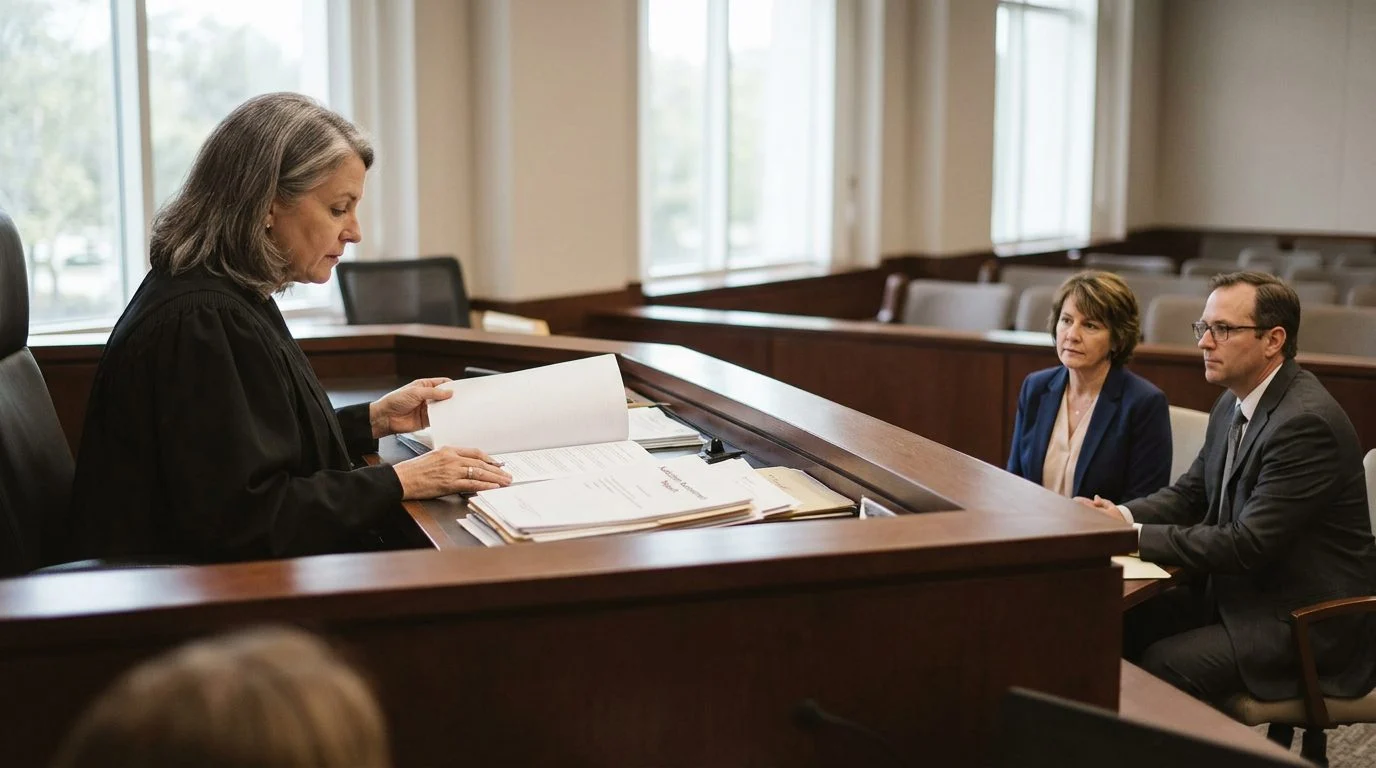
A Marchman Act petition is a court filing under Chapter 397 of the Florida Statutes. It asks a judge to look at a person’s substance use and decide what care the law allows.
For an adult, the law lets several people file. A petition may come from the respondent’s spouse or legal guardian, any relative, a service provider, or an adult with direct personal knowledge of the person’s impairment and past care (Fla. Stat. § 397.68112). That means a sibling, parent, aunt, uncle, cousin or adult child can file.
The person named in the petition is the respondent.
Common facts behind a petition include repeated refusal of care, unsafe driving, threats, and falls. The petition asks the court to decide what happens next.
What Robinson Casey Handles for Relatives
Robinson Casey limits its practice to Marchman Act petitions and guardianship matters. The firm serves families across South Florida, including Miami-Dade, and statewide.
- Marchman Act attorney work for relatives who file or respond to a petition
- Involuntary commitment for addiction, handled through the Marchman Act process
- Guardianship matters, including emergency temporary, limited, plenary and mental health guardianship
- Reviewing whether a petition fits the statute, preparing filings, and presenting the case in court
Richard J. Casey III, Esq. is the responsible lawyer for this page. Support staff handle scheduling, document handling and court-related tasks.
How the Process Works, Step by Step
A Marchman Act case moves from petition to hearing, and the court sets the hearing on a short timeline. Here is the general path.
- First consultation. You describe the family situation, recent events, and any past assessment or treatment.
- Review. The facts are checked against the statute’s criteria and the petition’s required contents.
- Filing. The petition goes to the clerk of the court. In an emergency, the court may act on the petition alone and enter an ex parte assessment and stabilization order (Fla. Stat. § 397.6818).
- Hearing. The court must schedule a hearing within 10 court working days unless a continuance is granted (Fla. Stat. § 397.68151). Involuntary treatment generally requires a clinical assessment first (Fla. Stat. § 397.6957).
- Order and follow-up. If the court finds the conditions proved by clear and convincing evidence, it may order up to 90 days of treatment (Fla. Stat. § 397.697). A renewal petition must be filed before that period ends (Fla. Stat. § 397.6975).
Timelines depend on the facts and on each county’s court calendar. The firm explains the expected steps during the consultation.
What a Relative’s Lawyer Reviews Before Filing
Before filing, a lawyer checks whether the facts support each required part of the petition. A thin petition is a common problem.
A petition must include the respondent’s name, the petitioner’s name, the relationship between them, the respondent’s attorney if known, and the facts supporting the request (Fla. Stat. § 397.68141). The facts must explain why the petitioner believes the person is impaired and has lost self-control. They must also show either a risk of harm or impaired judgment about the need for care.
A petition may attach a professional’s report from an exam within the past 30 days. If the person was never assessed or refused an exam, the petition must say so.
The court may also order drug tests (Fla. Stat. § 397.6957).
Weak facts can end a case early. The Second District held that an ex parte order must rest on petition facts giving a good faith reason to believe the statute’s criteria are met (D.H. v. K.J.R.).
Bring a timeline, names of people involved, any assessment or treatment records, and written messages or incident reports.
Where the Petition Is Filed and How Coverage Affects Treatment
The petition goes to the clerk of the court in the county where the person is located. The clerk may not charge a fee for filing it (Fla. Stat. § 397.681).
Location matters. The law requires filing in the county where the person is located, though in one case filing in the wrong county did not divest the circuit court in Putnam County of jurisdiction (J.P. v. J.N.). Miami-Dade and other South Florida counties each have their own clerk and court, so the county is a key early question.
Payment also shapes placement. The court may order treatment with a privately funded provider if the person can pay, or if someone acting for them shows willingness and ability to pay (Fla. Stat. § 397.697). Raise cost questions during the consultation so you know what may be owed.
Not sure what your next step is?
Talk it through with our team — the first consultation is free, confidential, and carries no obligation.
Why Families Work With Robinson Casey
Robinson Casey focuses on Marchman Act and guardianship matters, and its work concentrates on these two areas.
- Narrow focus. The firm limits its practice to these matters, so its advice stays on these issues.
- Named responsible lawyer. Richard J. Casey III, Esq. is responsible for this page.
- Support staff. Staff help with scheduling, documents and court-related tasks.
- Plain-language steps. Each step is explained in everyday terms.
- Regional reach. The firm serves South Florida families, including Miami-Dade, and clients statewide.
Frequently Asked Questions
A lawyer can confirm how that applies to your family.
Will the person be told a petition was filed?
Yes. The respondent must receive a copy of the petition and notice of the hearing (Fla. Stat. § 397.68151).
Bring what you have.
Is the first consultation free?
Yes. The firm offers a free first consultation that is confidential and carries no obligation to continue (consulta inicial gratuita, confidencial y sin compromiso).
Can this matter be referred to another lawyer or firm?
If a matter may be referred to another lawyer or firm, we will tell you during the consultation.

Talk With a Marchman Act Attorney About Your Family’s Situation
If a relative’s drinking or drug use puts them or others at risk, a court petition may be the step you’re weighing. You don’t have to decide alone. Reach out through the contact page or call (561) 849-4149 and describe what is happening to learn what a petition would involve.
Why Families Contact Robinson Casey
Confidential Conversations
Your questions and family details are discussed in a private, confidential consultation.
Free First Consultation
The first consultation is free, confidential, and carries no obligation to continue.
Focused Practice
The firm limits practice to Marchman Act petitions and guardianship matters, so your case is handled by attorneys who work in these areas every day.
Support for the Whole Family
Our team keeps families informed about filings, notices, and hearing steps throughout the process.
Do Not Wait to Ask Questions
Marchman Act petitions and guardianship proceedings involve court filings, formal notice, and hearings. Speaking with an attorney early helps you understand what is happening before you take any step on your own.
Matters Robinson Casey Handles
Marchman Act Petitions
Guidance for families seeking court-ordered assessment or treatment for a loved one struggling with substance use.
Guardianship Matters
Representation in plenary, limited, and emergency temporary guardianship proceedings in Florida courts.
Mental Health Guardianship
Support for families seeking court authority to make decisions for an adult who cannot safely manage personal or financial affairs.
Involuntary Commitment for Addiction
Help understanding the petition process, the court hearing, and what to expect for everyone involved.