
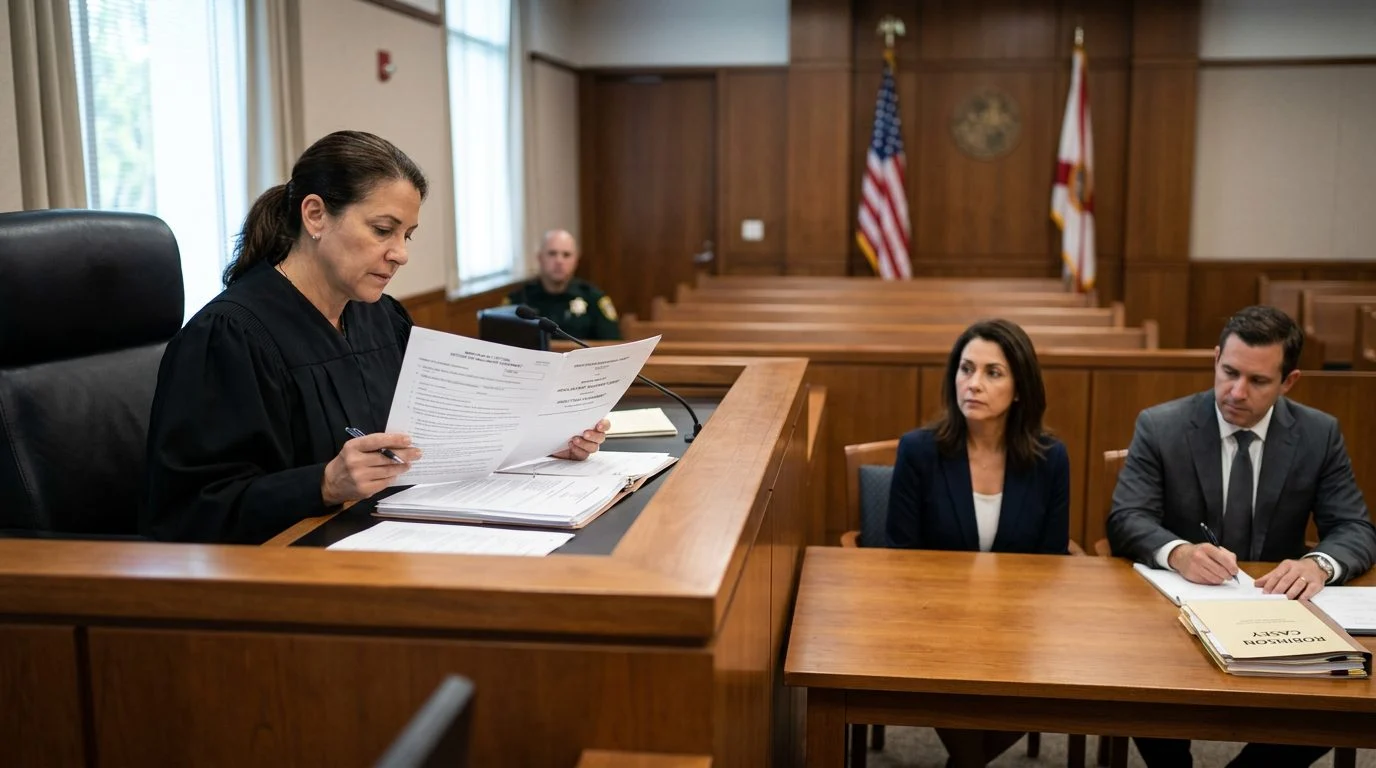
Miami-Dade Marchman Act Petitions
Marchman Act Petition Filing in Miami-Dade
Robinson Casey focuses on Marchman Act petitions and guardianship matters for families across South Florida. Start with a free, confidential first consultation, with no obligation to continue.
By Richard J. Casey III, Esq. · Published November 3, 2026
If a loved one’s drinking or drug use is putting them or others in danger, a Marchman Act petition may be the next legal step. A Marchman Act petition court filing in Miami-Dade goes to the clerk of the court in the county where the person is located. This page explains which circuit courts hear these cases, where filings go in Miami-Dade, Broward, and Palm Beach counties, and what follows a filing. Robinson & Casey focuses on Marchman Act petitions and guardianship matters across South Florida and statewide.
Which Florida circuit courts handle Marchman Act petitions, and where are the filing locations for Miami-Dade, Broward, and Palm Beach counties?
Marchman Act petitions are filed with the clerk of the circuit court in the county where the person is located.
Under Fla. Stat. § 397.681, courts have jurisdiction over involuntary treatment petitions for substance abuse impaired persons. Those petitions must be filed with the clerk of the court in the county where the person is located.
Location drives the filing, not where you live. If your relative is staying in Broward and you live in Miami-Dade, the petition goes to the Broward county. The same county rule applies in Palm Beach.
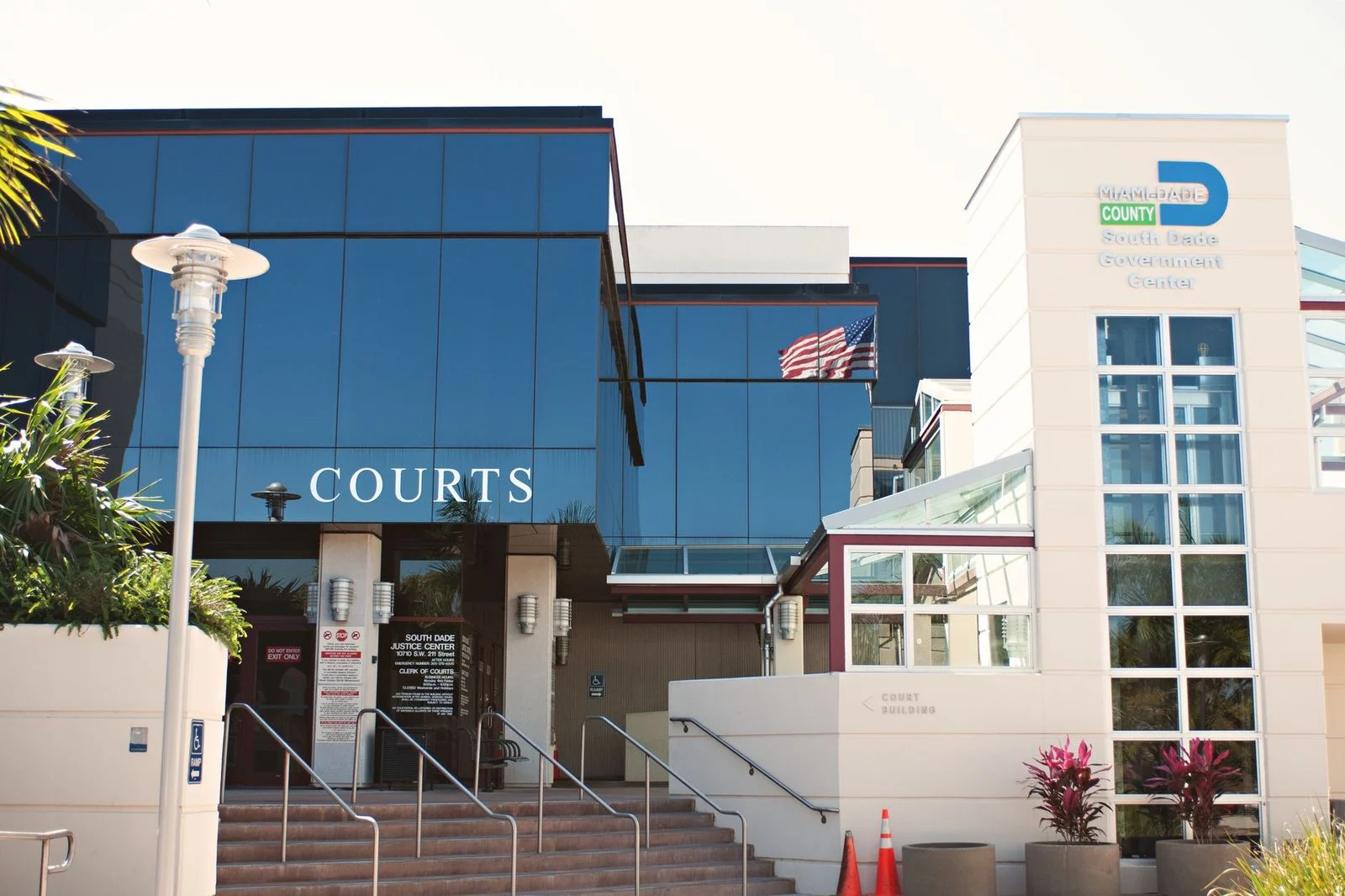
In Miami-Dade, the Miami-Dade Clerk mental health court page directs adult petitions to the Clerk’s Office Probate Court. Minors’ petitions go to Juvenile Court.
A wrong-county filing is treated as a venue problem, not a loss of the court’s power. In J.P. v. J.N., the filing of the petition in the wrong county did not divest the circuit court in Putnam County of jurisdiction.
If you are deciding where and how to file for someone you love, our team can talk through the facts with you. Talk it through with our team — the first consultation is free, confidential, and carries no obligation.
What goes into a Marchman Act petition filed in Miami-Dade?
A Marchman Act petition is a written request asking the court to order assessment and help for a person whose substance use is causing serious harm. The person named in it is the respondent.
For an adult respondent, the law lets a spouse or legal guardian, any relative, a service provider, or an adult with direct personal knowledge of the substance abuse and prior treatment file the petition (Fla. Stat. § 397.68112). For a minor, a parent, legal guardian, or service provider may file.
Its facts must explain why the petitioner believes the person is impaired and has lost self-control. It must also give a reason for concern, such as harm to self or others, or a refusal of care based on impaired judgment (Fla. Stat. § 397.68141).
A report from a qualified professional who examined the person within 30 days before filing may be attached. If there was no assessment, or the person refused one, the petition must say so.
Write down specific events while they’re fresh. Include dates, what happened, who saw it, and any threats or injuries. The petition describes facts and asks the court to act. It does not decide the outcome.
How does a Marchman Act filing differ from a Baker Act filing?
The Marchman Act is Florida’s law for substance use. The Baker Act is a separate Florida law for mental health crises. A family dealing with alcohol or drug problems usually looks at the Marchman Act first.
Each law has its own steps, so picking the wrong one can cost time. The Marchman Act test is in Fla. Stat. § 397.675. There must be good faith reason to believe the person is substance abuse impaired, or has a substance use disorder with a co-occurring mental health disorder, and has lost power of self-control. The person must also either need services and be unable to see that need, or be likely to suffer neglect or refuse care in a way that poses a real and present threat of substantial harm that cannot apparently be avoided through willing family, friends, or other services, or there must be a substantial likelihood that the person has inflicted, or threatened or attempted to inflict, or is likely to inflict, physical harm on himself, herself, or another.
Which law fits depends on the facts. A person with both substance use and mental health crises may fit more than one pattern, so write down what you see and when.
What happens after a Marchman Act petition is filed in a South Florida circuit court?
After filing, the court decides whether the respondent has a lawyer or needs one appointed. It must set a hearing within 10 court working days unless a continuance is granted (Fla. Stat. § 397.68151).
The respondent receives a copy of the petition and the hearing notice.
Under Fla. Stat. § 397.68151, once a petition for involuntary services for a substance abuse impaired person is filed with the clerk of the court, the court must immediately determine whether your loved one is represented by an attorney or whether appointing counsel is appropriate. An attorney for the person named in the petition has access to the person, witnesses, and records relevant to the case and represents the person’s interests, regardless of the source of payment to the attorney. The respondent can waive that right only if present and the court finds the waiver knowing, intelligent, and voluntary (Fla. Stat. § 397.681). In Hillsborough County v. Albrechta, a Second District Court of Appeal case, the court held that due process gives a Marchman respondent a constitutional right to counsel.
When the petitioner asserts an emergency, or the court finds one on reviewing the petition, the court may rely only on the petition and, without appointing an attorney, enter an ex parte order for involuntary assessment and stabilization, which must be carried out while the hearing on the petition for treatment is pending (Fla. Stat. § 397.6818).
The respondent generally must attend the hearing (Fla. Stat. § 397.6957). If the court finds the conditions proved by clear and convincing evidence, it may order involuntary treatment services for up to 90 days (Fla. Stat. § 397.697).
Waiting for a hearing while a loved one’s safety is uncertain is hard. Stumbling blocks can include a wrong county, a petition that leaves out the relationship, and general facts instead of specific ones. No one can predict how the court will rule.

Talking with Richard J. Casey III, Esq., about your filing
A matter may be referred to another lawyer or firm. The firm offers a free first consultation, which is confidential and carries no obligation to continue.
Quick answers
Where is a Marchman Act petition filed in Miami-Dade?
It is filed with the clerk of the court in the county where the person is located. Adult petitions route to Probate Court.
Who can file for an adult?
A spouse or legal guardian, any relative, a service provider, or an adult with direct personal knowledge of the person’s substance abuse impairment and prior course of assessment and treatment can file.
Does the person named have a right to a lawyer?
Yes. The respondent has a right to counsel at every stage.
How soon is the hearing?
It must be held within 10 court working days unless a continuance is granted.
If you are deciding where and how to file for someone you love, you do not have to sort it out alone. Reach out through our contact page or call (561) 849-4700 to talk through the facts.
Matters We Handle
Marchman Act Petitions
Guidance on filing a Marchman Act petition for a family member facing substance abuse impairment in Miami-Dade.
Guardianship
Support with plenary, limited and emergency temporary guardianship petitions, so families can address urgent and long-term needs.
Mental Health Guardianship
Help navigating guardianship matters where a loved one's mental health affects their ability to make decisions.
Involuntary Commitment for Addiction
Clear explanation of the involuntary commitment process for addiction and how it connects to the Marchman Act.
Why Families Contact Robinson Casey
Confidential First Consultation
Your first consultation is free, confidential and comes with no obligation to continue.
Focused Practice
Robinson Casey limits practice to Marchman Act petitions and guardianship matters.
Clear Next Steps
We explain the petition process and the information your family may need to gather before filing.
Supportive Team
Our team, including our support staff, helps coordinate your consultation and follow-up with care.
Speak With Our Office
Call (561) 849-4700 to discuss your family's situation with our office.
If Someone Is in Immediate Danger
If a person is in immediate danger, call 911 first. Then contact our office to discuss the Marchman Act petition process and your options.