
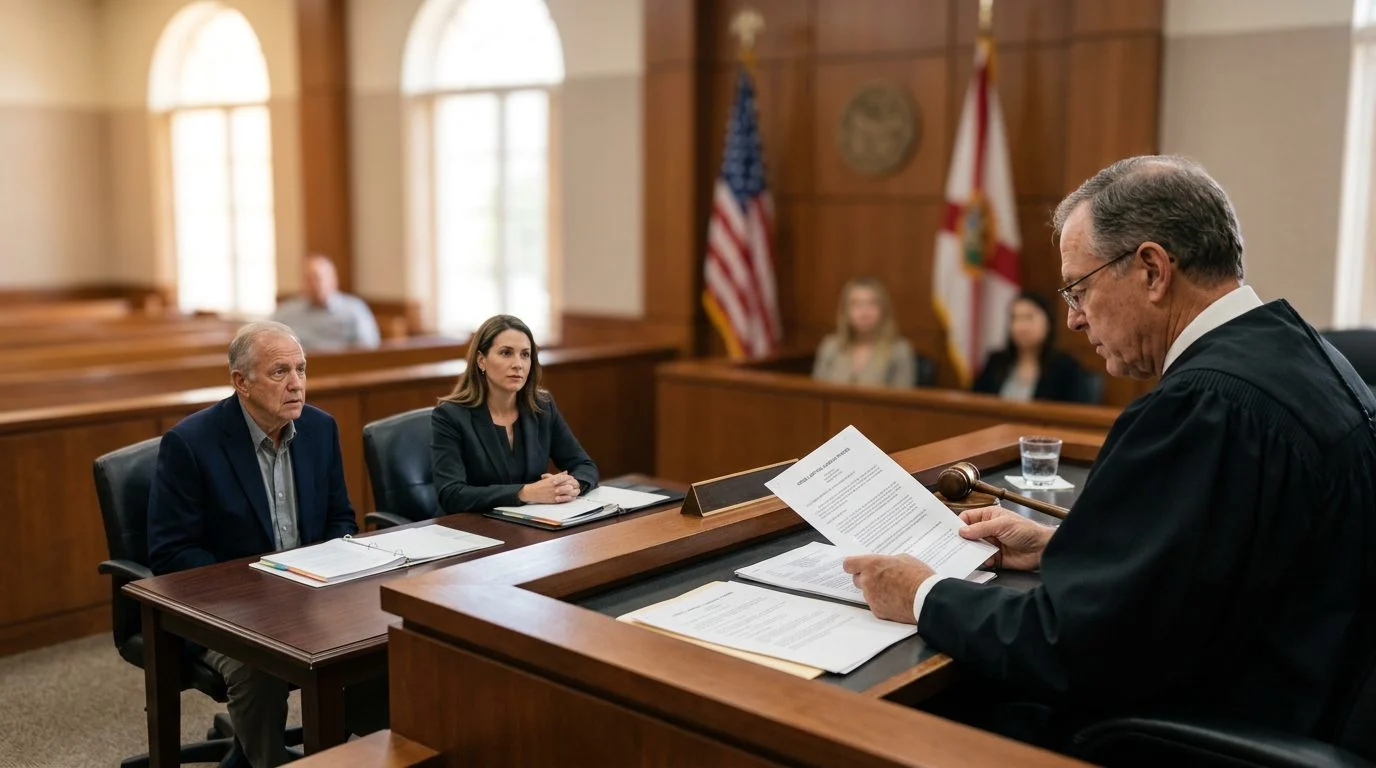
Limited Guardianship | South Florida and Miami-Dade
Limited Guardianship Help for South Florida Families
Some families need a court to step in, but not for every decision. Here is how a narrower approach can protect a loved one while keeping as much independence as possible.
Casey III, Esq. · Published November 8, 2026
Limited Guardianship Attorney in South Florida: What It Covers and How to Start
A limited guardianship lets a court-appointed guardian make only the decisions the judge names in the order. The adult keeps every right the court does not remove. Robinson & Casey limits practice to Marchman Act and guardianship matters, serving families across South Florida and statewide. This guide explains what a limited guardianship covers, how the process generally works, and how a limited guardianship attorney can help you decide your next step.
Not sure what your next step is?
Talk it through with our team — the first consultation is free, confidential, and carries no obligation.

What Is a Limited Guardianship and Who Is It For?
A limited guardianship gives a guardian power over only the specific rights the court lists. Florida law defines a limited guardian as a guardian the court appoints to exercise the rights and powers the court specifically designates.
Families usually look at this option when an adult can still handle much of daily life but needs help with certain decisions. Those decisions might include paying bills, choosing where to live, or consenting to some medical care. Petitioners can include adult children, spouses, or siblings.
The judge decides whether limited guardianship fits the facts. A family’s wishes alone do not settle the question. The court looks at the evidence about what the adult can and cannot do.
What a Limited Guardianship Attorney Handles
Representation covers the petition, the notice steps, the hearing, and the duties after appointment. Each step ties to a specific part of Florida’s guardianship law.
- Scope of the request. A verified petition must state whether the guardianship sought is plenary or limited. It must also explain why alternatives to guardianship are not enough (Fla. Stat. § 744.334).
- Notice. Notice of the petition goes to the alleged incapacitated person, that person’s attorney, and the next of kin named in the petition. The notice must say an attorney has been appointed to represent the person (Fla. Stat. § 744.331).
- The hearing. The court decides after it hears the evidence. The result depends on that evidence and the court’s discretion. No one can promise how the court will rule.
- Letters and powers. If the court appoints a limited guardian, the letters must state the guardian’s powers and duties (Fla. Stat. § 744.345).
- Reporting. Each guardian must file an initial report within 60 days after letters are signed (Fla. Stat. § 744.362).
If your matter may be better handled by another lawyer or firm, the firm will say so.
How the Limited Guardianship Process Generally Works
The process usually moves from a consultation to evidence, a verified petition, notice, and a court hearing. The court controls the actual schedule, so timing varies from case to case.
- Consultation. You describe the adult’s condition, the documents already in place, and the decisions that need support. The firm explains fees and costs, including filing fees, before anything is filed.
- One member must be a psychiatrist or other physician. Each member files a report within 15 days after appointment (Fla. Stat. § 744.331). Check the current statute text, since rules can change.
- Petition and notice. The verified petition is filed, and notice goes to the people the statute names.
- Hearing. The court hears the evidence and decides which rights, if any, the adult cannot exercise.
- Letters. If the court appoints a guardian, the letters state that the guardianship is limited and list the powers granted.
Each step can raise questions. Ask them early so you know what to expect.
Limited Versus Plenary and Emergency Temporary Guardianship
A limited guardianship names specific rights. A plenary guardianship covers all delegable rights. An emergency temporary guardianship is a short-term option for urgent danger.
- Limited. The guardian holds only the rights the order gives. Rights the court may remove but does not delegate to a guardian, such as the right to vote, to have a driver license, or to travel, remain with the adult.
- Plenary. A plenary guardian exercises all delegable legal rights and powers after the court finds the person lacks capacity for all the tasks needed to care for person or property (Fla. Stat. § 744.102).
Mental health guardianship and involuntary commitment for addiction can overlap with these cases. Under Fla. Stat. § 744.3215(4)(a), without first obtaining specific authority from the court, as described in s. 744.3725, a guardian may not commit the ward to a facility, institution, or licensed service provider without formal placement proceeding, pursuant to chapter 393, chapter 394, or chapter 397. The right option depends on the adult’s capacity and the facts. The court makes the final decision.
Why Robinson & Casey for Limited Guardianship Matters
Robinson & Casey limits practice to Marchman Act and guardianship matters, including limited guardianship. The firm serves families across South Florida and statewide.
You can verify several things on your own:
- Scope. The firm’s work is limited to guardianship and Marchman Act matters.
- The process. The consultation covers your situation, the decisions at issue, and fees before anything is filed.
This page does not list testimonials, past results, rankings, or certifications. No lawyer can promise how a court will rule. The firm will describe what the law allows and what the process involves.
Not sure what your next step is?
Talk it through with our team — the first consultation is free, confidential, and carries no obligation.
Common Questions About Limited Guardianship in Florida
What if the adult objects?
The adult can be heard, and the court weighs the evidence.
A lawyer can explain your options, but representation does not decide how the court rules.
How much does it cost?
The firm explains all fees and costs, including filing fees, at the consultation.
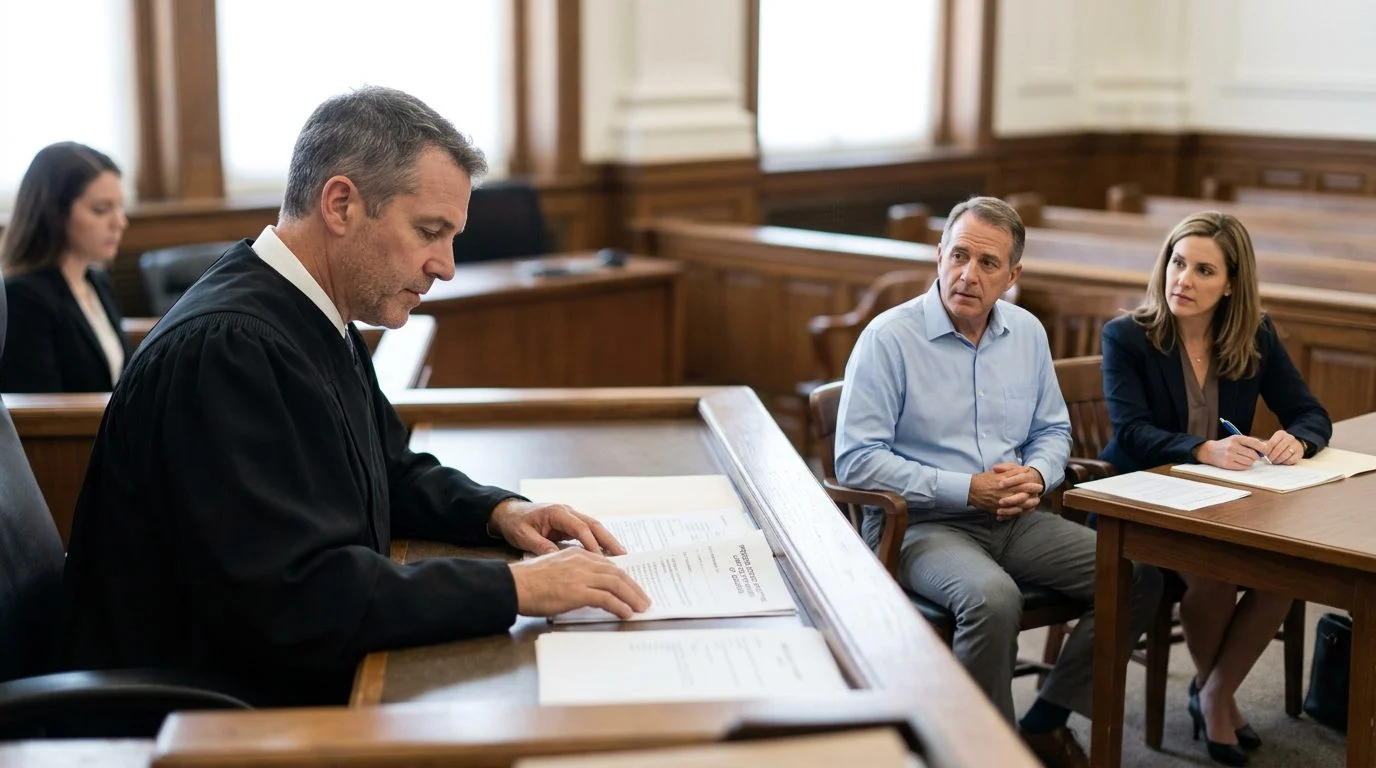
Talk to a Limited Guardianship Attorney About Your Family’s Situation
If your loved one now needs help with decisions like where to live or how to handle money, and your family is weighing a petition, you don’t have to sort it out alone. Robinson & Casey can review your facts and explain the options. Schedule a consultation or call (561) 849-4700.
Why Families Start the Conversation with Robinson Casey
Guardianship Focus
Robinson Casey focuses on guardianship matters, including limited guardianship, for families across South Florida and statewide.
Confidential Consultation
Your first consultation is free, confidential, and comes with no obligation to continue.
Clear Answers on Fees
We explain all fees and costs, including filing fees, during the consultation so you know what to expect.
Supportive Guidance
Our team walks you through each step and keeps your family informed as your matter moves forward.
Before Your Consultation
Gather the full name and date of birth of the person involved, any medical or care records you have, and a list of the decisions that worry you most. Having these ready helps us understand your family's situation sooner.
What a Limited Guardianship Can Address
Targeted Authority
The court grants the guardian power over specific decisions, such as medical care, living arrangements, or financial matters, rather than every area of life.
Preserved Independence
Areas the person can still manage on their own remain in their hands, which supports dignity and autonomy.
Tailored to the Situation
The scope of the petition is built around the real needs of your family and the person you are trying to protect.
Clear Next Steps
We outline the petition process, the paperwork involved, and what to expect from the court before anything is filed.