
Marchman Act & Guardianship | South Florida
Your Husband's Alcohol Withdrawal Is Frightening. You Don't Have to Figure Out the Next Step Alone.
Robinson Casey focuses on Marchman Act petitions and guardianship matters for families across South Florida and statewide. Learn what to do now, and talk with our attorneys about your options.
Casey III, Esq. · Published November 7, 2026
When Your Husband’s Drinking Has Turned Into Withdrawal and He Refuses Help
If your husband is in alcohol withdrawal and refuses help, Florida’s Marchman Act may give your family a legal way to ask a court for help. This page explains that path in plain terms.
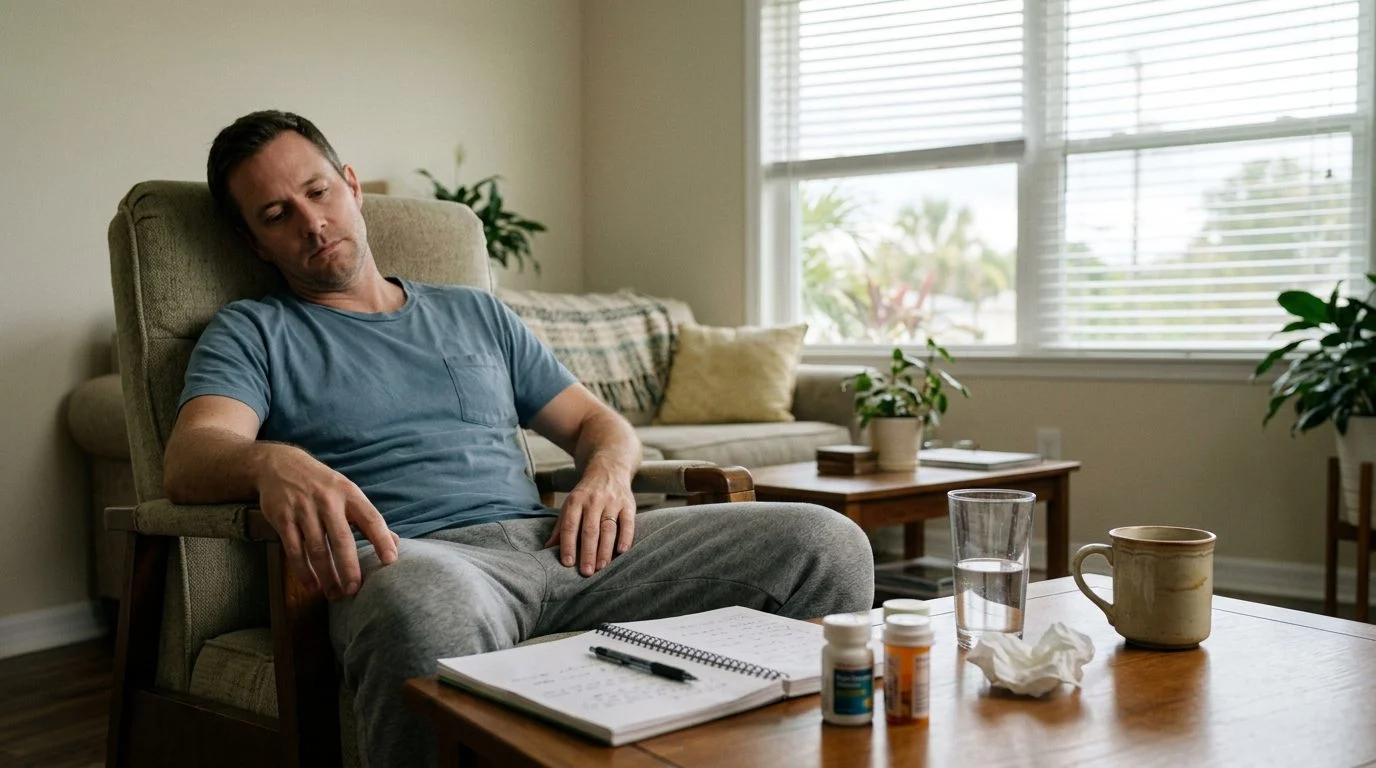
You know what this looks like. He shakes in the morning and sweats through the night. He can’t sleep, his moods swing hard, and he drinks again just to make the shaking stop. Every time you raise treatment, it becomes a fight.
Meanwhile, you’re holding the household together. You may be covering bills, watching money disappear, and trying to keep the kids calm. You lie awake asking what happens if nothing changes. That weight is real, and you shouldn’t have to carry it alone.
Treat this page as general information. It doesn’t replace medical advice, and a doctor should guide your husband’s care.
If your husband's drinking has your whole household on edge, you don't have to work out Florida's process alone, and we're glad to talk it through with you. Talk it through with our team — the first consultation is free, confidential, and carries no obligation.
Why Alcohol Withdrawal Can Be Dangerous and When to Get Medical Help Now
Alcohol withdrawal can be medically serious, so it isn’t safe to handle by guesswork at home. The risk is different for every person, and only a doctor can judge how much danger he is in.
Some signs mean he needs emergency care right away. Call 911 or go to the nearest emergency room if he has a seizure, becomes confused or sees things that aren’t there, runs a fever, has chest pain, vomits blood, or can’t stay awake.
Don’t wait for a court process in those moments. Court steps don’t replace emergency medical care. Medical safety comes first.
If he isn’t in an emergency but is still drinking heavily, ask a doctor about a medical evaluation. Write down what you see, with dates and times, so you can share it clearly with his care team.
What the Marchman Act Is and How It Differs From the Baker Act
The Marchman Act is Florida’s civil process for court-ordered assessment and treatment of a person impaired by substance use, including alcohol. Many spouses dealing with a partner’s escalating substance use want to know what options exist and how the process generally works. Florida DCF Marchman Act overview
The core test sits in § 397.675. A person may meet the criteria if there is good faith reason to believe they are substance abuse impaired. Because of that impairment, they must have lost the power of self-control over substance use.
The same statute says that mere refusal of services is not, by itself, evidence that a person lacks judgment about needing care.
The Baker Act is a different process. It deals with mental illness under Chapter 394 of the Florida Statutes. If your husband also has a psychiatric condition, the court may open a Baker Act review. Under § 397.6957, if at any point during the hearing the court has reason to believe he meets those commitment criteria, it may begin involuntary examination proceedings under them.
How a Marchman Act Petition Works in Florida
A spouse can file a Marchman Act petition for an adult in Florida. Under § 397.68112, the respondent’s spouse may file, along with a legal guardian, any relative, a service provider, or an adult who has direct personal knowledge of the respondent’s substance abuse impairment and his or her prior course of assessment and treatment.
The petition goes to the clerk of court in the county where your husband is physically located. The clerk may not charge a fee to file it, under § 397.681. Under Fla. Stat. § 397.681(1), a petition for involuntary treatment for substance abuse impairment must be filed with the clerk of the court in the county where the person is located.
The petition must name both of you and explain your relationship. It must also state facts showing why you believe he is impaired and has lost control of his use. Under § 397.68141, if he hasn’t been assessed, the petition must say so.
The court must set a hearing within 10 court working days unless it grants a continuance, under § 397.68151. At the hearing, the court hears relevant evidence, including family members who know his history. Testimony is taken under oath.
The petitioner carries the burden of proof. How your case goes depends on the facts.

Protecting the Children and the Household While You Wait
Protecting the children starts with acting on real risk now, not waiting for things to improve. If anyone is in immediate danger, call 911 first.
In an emergency, the court can act on the petition alone. Under § 397.6818, a service provider may not hold a person for observation longer than 72 hours, unless a listed exception applies.
On money, the filing itself carries no clerk fee. The court may prohibit service of process fees, or a law enforcement agency may waive them, if the petitioner is determined to be indigent, under § 397.68112.
Treatment records are confidential. Under § 397.501, they generally cannot be disclosed without his written consent, subject to listed exceptions.
Keep a private, dated log of incidents, who saw them, and what you did in response. Store copies somewhere safe. Make a simple safety plan for the children that names a trusted adult and a safe place to go.
Questions to Think Through Before You Decide on a Next Step
Your answers to a few plain questions can shape which step fits your family. Ask yourself these before you decide what to do next.
- Is anyone in immediate danger right now?
- Has he had medical care for withdrawal, and is there a current health concern?
- What have you already tried, and what happened?
- What would your family need to feel stable again?
Can a wife file a Marchman Act petition against her husband?
Yes. Florida law lets a spouse file a petition for an adult under § 397.68112.
Does the clerk charge a fee to file?
No. Under § 397.681, the clerk may not charge a fee to file this petition.
How long can court-ordered treatment last?
The court may order up to 90 days of treatment if the conditions are proved by clear and convincing evidence. See § 397.697.
Not sure what your next step is?
Talk it through with our team — the first consultation is free, confidential, and carries no obligation.
Talk Through Your Situation With Robinson Casey
Robinson Casey focuses on Marchman Act petitions and guardianship matters, serving families across South Florida and statewide. This page is written under the responsibility of Richard J. Casey III, Esq.
You have been holding this together for a long time. You don’t have to work out Florida’s process by yourself. Call (561) 849-4700 or use our contact page to schedule a free, confidential first consultation. It carries no obligation to continue.
How Robinson Casey Can Help
Marchman Act Petitions
We focus on preparing and filing Marchman Act petitions for families seeking court-ordered assessment and treatment for a loved one struggling with substance use.
Involuntary Commitment for Addiction
We help families understand the involuntary commitment process and what it may involve for their loved one.
Guardianship Matters
Our practice also covers emergency temporary, plenary, limited, and mental health guardianship when a family's situation calls for court protection.
Confidential Consultation
Our free first consultation is confidential and carries no obligation to continue. It is a chance to ask questions about your situation.
Medical Emergency: Act Right Away
Severe alcohol withdrawal can cause seizures, confusion, hallucinations, rapid heartbeat, or fever. If your husband shows any of these signs, call 911 or go to the nearest emergency room. Do not wait for a court process to get him medical care.
What Families Often Do Next
1. Get Medical Care First
Withdrawal from alcohol can be dangerous. A doctor or emergency team can assess his condition and recommend treatment. Keep a record of any medical advice you receive.
2. Write Down What You Are Seeing
Note dates, behaviors, drinking patterns, and any threats to his safety or yours. Clear, factual notes can help a lawyer understand your situation quickly.
4. Speak With Our Attorneys
Call (561) 849-4700 or schedule a free, confidential consultation to discuss your concerns and the steps that may be available to you.