
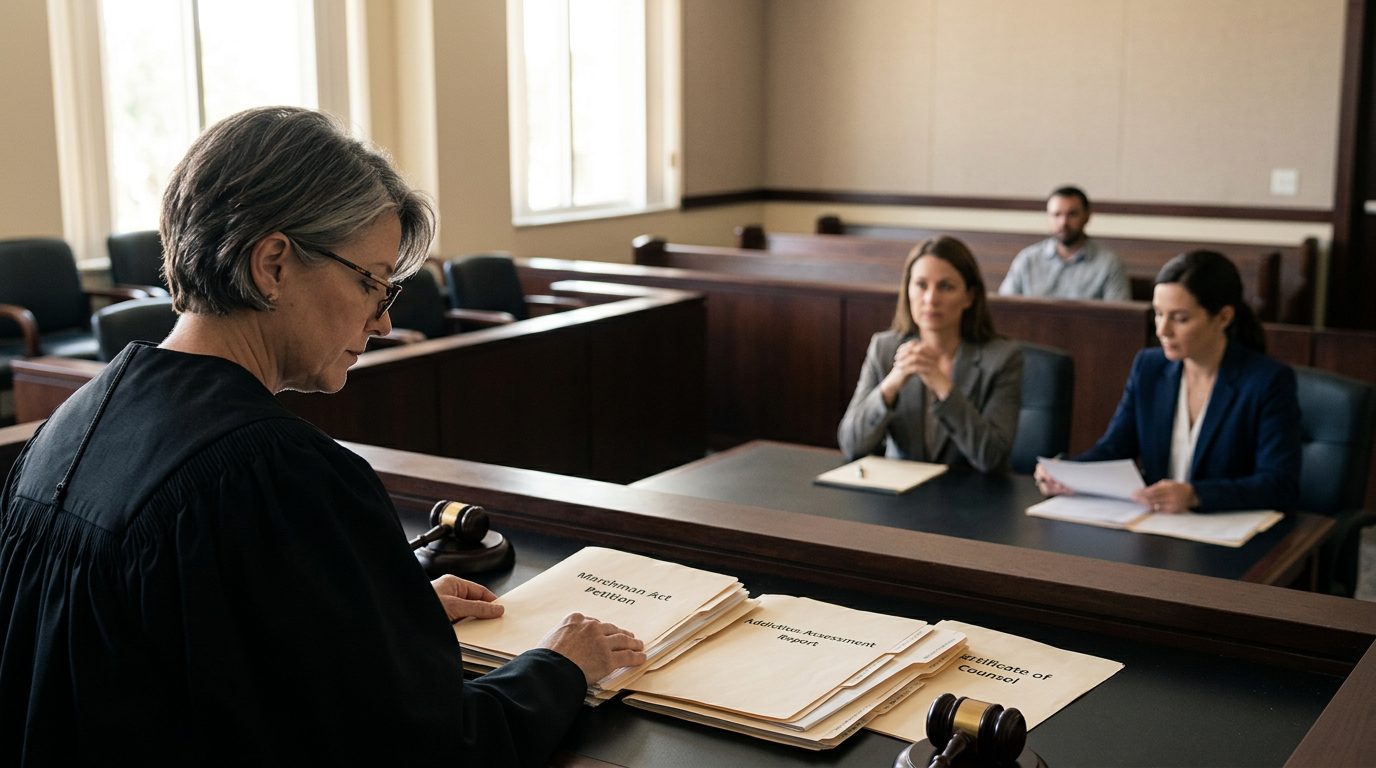
Marchman Act in Florida
How to Get Someone Marchman Acted in Florida
A guide to involuntary commitment for substance abuse—and how Robinson & Casey can help your family navigate the process.
By Richard J. Casey III, Esq. · Published October 05, 2026
How to Get Someone Marchman Acted in Florida: The Petition Process Explained
If someone you care about is struggling with substance abuse and refuses help, you may be wondering whether you can force them into treatment. In Florida, the answer is yes—through a legal process called a Marchman Act petition. This guide walks you through what the process involves, who can file, what the courts require, and what happens after an order is issued.
If you're facing a loved one's substance abuse and wondering whether a Marchman Act petition makes sense for your situation, reach out to discuss your options. Talk it through with our team — the first consultation is free, confidential, and carries no obligation.

What Is the Marchman Act and Why It Matters
The Marchman Act is Florida’s civil statute (Fla. Stat. § 397.675) that allows family members and other concerned parties to petition a court for involuntary assessment and treatment when someone’s addiction poses a danger to themselves or others. It’s designed for situations where a person has lost control over their substance use and refuses voluntary help.
The Marchman Act is a civil (not criminal) process. It focuses on treatment and safety, not punishment. You’re not trying to send someone to jail—you’re seeking a court order that requires them to be evaluated and, if necessary, treated for addiction. This distinction matters because the goal is recovery and harm reduction, not legal consequences.
The statute applies when active substance abuse exists, the person has refused voluntary treatment despite the severity of their addiction, and their condition poses imminent danger to their physical health, mental health, safety, or the safety of others.
Who Can File a Marchman Act Petition in Florida?
You don’t have to be a lawyer to start a Marchman Act petition. Florida law allows several categories of people to file:
- Immediate family members: spouse, parent, adult child, or sibling
- Healthcare providers and addiction treatment professionals: doctors, counselors, or treatment facility staff
- Law enforcement officers: police or sheriff’s deputies
- State attorneys or designated officials: prosecutors or child protective investigators
- Any person with personal knowledge of the substance abuse (in some circumstances)
If you fall into one of these categories and have witnessed the person’s addiction and their refusal to seek help, you have legal standing to file.
What Grounds Must Be Met for a Marchman Act Petition?
The court won’t issue a Marchman Act order just because someone uses drugs or alcohol. You must demonstrate three key elements:
Active substance abuse. The person must be currently using alcohol or drugs in a way that impairs their judgment or creates danger. This isn’t about occasional use—it’s about a pattern that has become severe enough to affect their functioning and safety.
Refusal of voluntary treatment. You must show that the person has declined help despite the severity of their addiction. If they’ve been offered treatment and rejected it, or if they deny they have a problem despite clear evidence, this element is met.
Imminent danger. The addiction must pose a substantial threat to the person’s physical health, mental health, safety, or to the safety of others. This could mean they’re engaging in risky behavior, neglecting their health, driving while impaired, or putting family members at risk. You’ll need to provide specific examples—not vague concerns, but concrete incidents or patterns that demonstrate real danger.
You don’t need to prove criminal activity, an arrest history, or that the person has hurt someone. The focus is on the addiction itself and the risk it creates.
The Marchman Act Petition Filing Process
The process unfolds in several stages:
Step 1: Prepare your petition. Document the substance abuse you’ve witnessed, specific incidents showing refusal of help, and concrete examples of the danger the addiction poses. Include dates, behaviors, and any prior treatment attempts. The more specific and detailed your evidence, the stronger your petition.
Step 2: File with the circuit court. You’ll file in the county where the person lives or where they’re currently found. You don’t need a lawyer to file, but the petition must meet legal requirements—missing details or procedural errors can delay or derail the process.
Step 3: The court reviews the petition. A judge examines your filing to ensure it contains the legally required elements. If it does, the court may proceed; if not, you may be asked to revise it.
Step 4: Ex parte hearing (if granted). The judge may issue an order for immediate assessment without the person present. This is called an “ex parte” order because only one side (you) is heard. This order allows law enforcement to take the person into custody for evaluation.
Step 5: Service and notice. The person is notified of the order and given an opportunity to respond. They’ll learn about the petition and the court’s findings.
Step 6: Full hearing. Both you and the person present evidence to the judge. You explain why you believe intervention is necessary; they have the chance to contest the petition. The judge then decides whether to order involuntary assessment or treatment.
What Happens After a Marchman Act Order Is Issued?
Once the court issues a Marchman Act order, the process moves into the treatment phase:
Immediate assessment. The person is transported to a designated treatment facility for evaluation. This typically happens within hours or a day of the order.
Evaluation period. The initial assessment usually lasts up to 5 days. During this time, medical and mental health professionals evaluate the person’s condition, substance abuse history, and treatment needs.
Treatment recommendation. The facility determines what level of care is appropriate—outpatient counseling, intensive outpatient programs, inpatient rehabilitation, or residential treatment.
Extended treatment. If treatment is recommended, the court may order up to 60 additional days of inpatient treatment. The person retains the right to request a hearing to contest the extension.
Ongoing court involvement. The court monitors progress and may adjust the treatment plan as needed.
Not sure what your next step is?
Talk it through with our team — the first consultation is free, confidential, and carries no obligation.
What Is the 33-Day Rule in Florida?
The “33-day rule” often confuses people because it’s not a hard statutory deadline. Here’s what it refers to: After an initial Marchman Act order, a person may be held for up to 5 days for evaluation. If treatment is recommended, the court can extend the order for up to 60 additional days. The 33-day reference sometimes relates to administrative timelines or the midpoint of the evaluation and treatment process, but exact timelines depend on the court’s findings and the treatment facility’s recommendations.
Can Someone Be Held on a Mental Hygiene Warrant in Florida?
Mental hygiene warrants are separate from Marchman Act orders. A mental hygiene warrant applies to individuals with mental illness (not primarily substance abuse) who pose a danger to themselves or others. The Marchman Act is the specific civil tool for involuntary addiction intervention. Both are civil proceedings designed to ensure safety and access to treatment, but they address different conditions and use different legal standards.
Common Challenges and What to Expect
Filing a Marchman Act petition is straightforward in concept but can be complex in practice:
Burden of proof. You must provide clear and convincing evidence of danger and refusal. The court sets a high bar because it’s ordering an involuntary intervention.
Resistance from the person. They may deny the addiction, minimize its severity, or contest the order at the hearing. Be prepared for this and bring specific evidence.
Court delays. Timelines vary by county and court docket. Some counties move quickly; others may take weeks.
Treatment availability. The court’s order depends on bed availability at treatment facilities. If no beds are available, the process may be delayed.
Cost considerations. Who pays for assessment and treatment varies by circumstances, insurance, and county resources. This is worth discussing with an attorney.
Why Legal Guidance Matters in a Marchman Act Petition
While you can file a Marchman Act petition without a lawyer, legal guidance significantly strengthens your case:
Proper documentation. An attorney ensures your petition contains all legally required elements and presents your evidence in the format the court expects.
Evidence presentation. A lawyer knows what evidence the court needs and how to present it persuasively.
Procedural compliance. Missing deadlines or filing in the wrong court can delay or derail the process. An attorney handles these details.
Representation at hearing. Having an attorney present at the hearing protects your interests and strengthens your testimony.
Post-order support. Legal guidance helps you navigate what happens after the order is issued, including treatment options and ongoing court involvement.

Frequently Asked Questions
Can I file a Marchman Act petition if I’m not a family member?
Yes. Healthcare providers, addiction treatment professionals, law enforcement officers, state attorneys, and others with personal knowledge of the substance abuse can file.
How long does the Marchman Act process take?
The initial petition and ex parte hearing can happen within days. The full hearing typically occurs within 10 days. The evaluation period lasts up to 5 days, and extended treatment can last up to 60 days.
What if the person contests the order?
They have the right to a full hearing where both sides present evidence. The judge will decide whether to uphold, modify, or dismiss the order.
Does a Marchman Act order ensure treatment success?
No. A Marchman Act order ensures assessment and access to treatment, but recovery depends on many factors, including the person’s willingness to engage in treatment once they’re in the program.
What if the person leaves treatment before the order expires?
The court can be notified, and enforcement mechanisms may apply. An attorney can advise on your options.
If you’re facing a loved one’s substance abuse and wondering whether a Marchman Act petition makes sense for your situation, Robinson & Casey can help you understand your options and guide you through the process. Reach out for a consultation to discuss what a petition might look like in your circumstances.
The Marchman Act Process: Key Steps
File a Petition
A family member, healthcare provider, law enforcement officer, addiction treatment professional, or other person with personal knowledge of substance abuse can file a petition with the court.
Ex Parte Hearing
The court may hold an immediate hearing without the respondent present to determine whether there is probable cause for involuntary assessment and treatment.
Full Hearing
The respondent has the right to appear, present evidence, and be heard. The court decides whether involuntary treatment is necessary based on the evidence presented.
Treatment & Monitoring
If the court orders involuntary commitment, the respondent enters treatment and may be monitored for compliance with the court's order.
Why Robinson & Casey for Your Marchman Act Petition
Focused Practice
We focus exclusively on Marchman Act petitions and guardianship matters. We know Florida law and the courts in South Florida.
Fast Action When It Matters
Time is critical when someone's substance abuse is escalating. We move quickly to file petitions and prepare for hearings.
Guidance Through a Difficult Process
We help families understand their options, prepare documentation, and present their case effectively to the court.
Accessible & Responsive
We serve families across South Florida and statewide. Call us to discuss your situation and what the Marchman Act may offer.
Not a Guardianship Matter?
The Marchman Act is for involuntary commitment due to substance abuse. If you need to establish guardianship for other reasons—such as mental incapacity, disability, or elder care—that is a separate legal process. Robinson & Casey also handles guardianship matters and can advise you on which path is right for your family.
Common Questions About the Marchman Act
Who can file a Marchman Act petition?
Family members, healthcare providers, addiction treatment professionals, law enforcement officers, state attorneys, and others with personal knowledge of the substance abuse can file a petition.
How long does the process take?
The initial petition and ex parte hearing can occur within days. The full hearing timeline depends on court scheduling and the specific circumstances of your case.
What happens if the court orders involuntary treatment?
The respondent enters a treatment facility for assessment and care. The court may set conditions for release and may require ongoing monitoring or follow-up hearings.
Can the respondent refuse treatment?
If the court orders involuntary commitment under the Marchman Act, the respondent is legally required to comply. Refusal can result in additional legal consequences.