
Marchman Act Attorney
Marchman Act for Alcohol Addiction in Florida
Legal intervention when a loved one's drinking poses a danger to themselves or others. Robinson & Casey handles involuntary commitment petitions across South Florida and statewide.
By Richard J. Casey III, Esq. · Published October 05, 2026
Marchman Act for Alcohol Addiction in Florida: When and How to File a Petition
The Marchman Act is Florida’s civil commitment statute that allows family members and healthcare providers to petition a court for involuntary assessment and treatment when someone’s alcohol addiction poses a danger to themselves or others. Unlike voluntary treatment, a Marchman Act petition does not require the person’s consent, making it a legal tool for intervention when addiction has spiraled beyond self-control.
If you’re researching this option for a loved one, you’re likely in a difficult moment—watching someone struggle with alcohol while they refuse help. This guide explains how the Marchman Act works, who can file, what the process looks like, and why having an attorney matters.
Not sure what your next step is?
Talk it through with our team — the first consultation is free, confidential, and carries no obligation.

What Is the Marchman Act and How Does It Apply to Alcohol Addiction?
Florida Statute § 397.675 creates a civil commitment process for substance abuse, including alcohol and drug addiction. The statute allows the court to order involuntary admission and treatment when there is good-faith reason to believe a person is substance-abuse impaired, has lost self-control over use, and either has impaired judgment about the need for services or poses a risk of harm to themselves or others.
The key difference from voluntary treatment: the person does not have to agree. If their addiction is severe enough and meets the statutory criteria, the court can order them into assessment and treatment over their objection. This is a powerful tool for families who have exhausted other options.
The Marchman Act applies statewide across Florida. Whether you live in Miami-Dade, Broward, Palm Beach, or any other county, the same statute and process apply. The petition is filed in the circuit court of the county where the person resides or is found.
Marchman Act vs. Baker Act: Understanding the Difference
Many people confuse the Marchman Act with the Baker Act. They are not the same, and understanding the difference is crucial.
The Baker Act addresses mental health crises and involuntary psychiatric examination. It applies when someone is experiencing a mental health emergency—acute psychosis, suicidal ideation, severe depression—that requires emergency psychiatric evaluation.
The Marchman Act specifically addresses substance abuse and addiction. It applies when alcohol or drug use is the primary issue driving the need for intervention.
Both statutes allow emergency intervention without the person’s consent. Both involve court processes. But they apply to different conditions and follow different procedures. Filing under the wrong statute can delay help or result in dismissal. An attorney familiar with both can assess your situation and recommend the appropriate legal path.
Who Can File a Marchman Act Petition for Alcohol Addiction?
The statute is broad about who may petition. You don’t have to be a lawyer or a medical professional to start the process.
Family members who can file include a spouse, parent, adult child, or sibling of the person struggling with addiction.
Healthcare and treatment providers include physicians, mental health professionals, addiction counselors, and treatment facilities.
Law enforcement and authorized persons include police officers and other individuals designated under the statute.
The petition is filed in the circuit court of the county where the person resides or is found. If your loved one is in Miami-Dade, you file in Miami-Dade Circuit Court. If they’re in another county, you file there.
The Marchman Act Petition and Hearing Process
Understanding the timeline and steps helps you prepare for what comes next.
Filing the petition. You or your attorney files a petition in circuit court alleging that the person is abusing alcohol in a manner that poses a substantial threat to their health, safety, or the health and safety of others. The petition must include specific facts—dates, incidents, behaviors—that support this allegation.
Emergency ex parte order. If the petition meets statutory requirements, the court may issue an emergency ex parte order (a temporary order issued without the person present) for immediate assessment. This order allows law enforcement or a designated person to take the individual to an assessment facility.
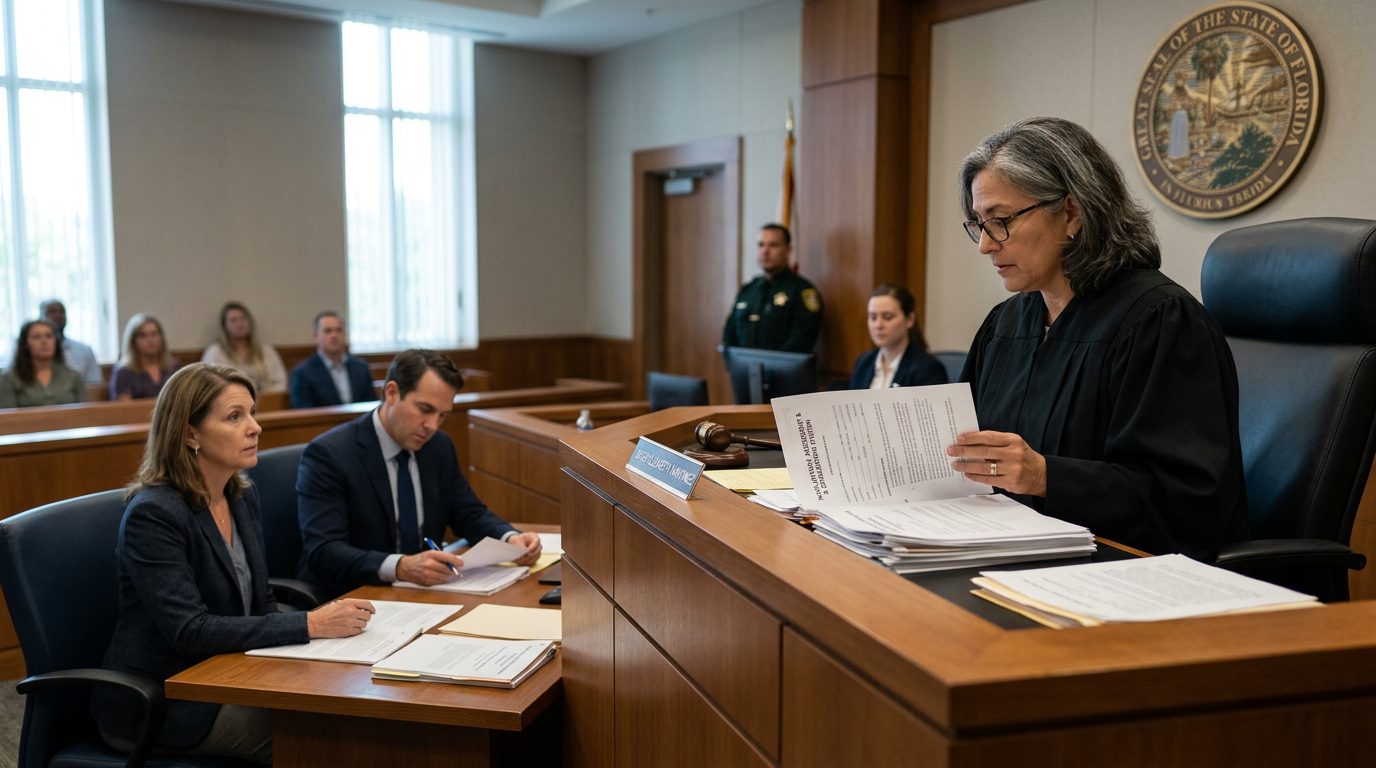
The hearing. A hearing is typically held within 5 business days. The person has the right to be present, to be represented by counsel, and to contest the petition. You present evidence supporting your allegations. The person or their attorney presents their side. The judge decides whether grounds exist for involuntary admission.
The court’s decision. If the court finds grounds, it may order involuntary assessment and, if appropriate, involuntary treatment. The order may last up to 60 days initially, with possible extensions.
Throughout this process, the person retains legal rights. They can request counsel, challenge the petition, and petition the court for modification or discharge if circumstances change.
What Happens After a Marchman Act Order Is Issued?
Once the court issues an order, the person is transported to a designated assessment facility. Addiction specialists evaluate them to determine the appropriate level of care—outpatient, inpatient, or residential treatment.
The assessment typically takes several days. Based on the results, the treatment provider recommends a care plan. If the court ordered involuntary treatment, the person enters that program. They retain the right to petition the court for discharge or modification at any time.
Treatment under a Marchman Act order is not indefinite. The initial order lasts up to 60 days. If continued treatment is necessary, the provider must petition the court for an extension. The person has the right to contest any extension.
Court records in Marchman Act cases are typically sealed, protecting privacy and confidentiality. This is important for families concerned about public exposure.
Not sure what your next step is?
Talk it through with our team — the first consultation is free, confidential, and carries no obligation.
Common Concerns About Filing a Marchman Act Petition
“Will this damage my relationship?” Many families worry that seeking involuntary commitment will permanently harm their bond with the person. It’s a real concern. But addiction often destroys relationships anyway—through broken promises, financial harm, and emotional exhaustion. An attorney can explain the process and help you understand what to expect, which reduces some of the fear and uncertainty.
“Is intervention really justified?” You may question whether the situation is severe enough. Does it meet the statutory threshold? An attorney can review the facts with you and assess whether grounds exist. This clarity helps you make an informed decision.
“What about cost and complexity?” The process seems daunting. Understanding it upfront—the steps, the timeline, the hearing—makes it less overwhelming and helps you prepare emotionally and logistically.
“What about privacy?” Court records are sealed in Marchman Act cases. The person’s medical and treatment information is confidential. Your family’s situation is not a public spectacle.
Why You May Need an Attorney for a Marchman Act Petition
Filing a Marchman Act petition yourself is legally possible, but it carries real risks.
An attorney ensures the petition is properly drafted with all required allegations and supporting facts. A poorly drafted petition may be dismissed, delaying help for your loved one.
Legal representation strengthens your case at the hearing. The judge hears clear, organized evidence. You’re not fumbling through documents or forgetting key details under stress.
An attorney protects your interests throughout the process. They explain your rights, answer your questions, and guide you through each step. They also represent you at the hearing, cross-examine the person if they testify, and present argument on your behalf.
Robinson & Casey handles Marchman Act petitions for families across South Florida and statewide. Our team understands the statute, the court process, and the emotional weight of this decision.

Next Steps: Getting Help With a Marchman Act Petition
If you’re considering a Marchman Act petition for a loved one struggling with alcohol addiction, the first step is to speak with an attorney who understands Florida’s civil commitment process. An initial consultation can help you understand whether the Marchman Act is appropriate for your situation, what the process looks like, and what to expect at each stage.
You don’t have to navigate this alone. If you’re facing the decision of whether to file a Marchman Act petition for a loved one struggling with alcohol addiction, let Robinson & Casey walk you through your options—call (561) 849-4149 to schedule a consultation.
Time Matters in Crisis
When alcohol addiction reaches a critical point, waiting can be dangerous. The Marchman Act provides a legal pathway for immediate intervention without the person's consent. If you believe your loved one is in immediate danger, contact us right away.
The Marchman Act Process
File a Petition
Family members or healthcare providers petition the court for involuntary assessment and treatment based on evidence that alcohol addiction poses danger.
Court Review
A judge evaluates the petition and evidence. The person may be ordered to undergo evaluation and, if necessary, treatment.
Assessment & Treatment
A qualified evaluator assesses the person's condition. If the assessment confirms the need for treatment, the court may order it.
Legal Representation
Robinson & Casey guides you through filing, court appearances, and all procedural steps to protect your loved one and your family.
Why Robinson & Casey for Your Marchman Act Petition
Focused Practice
Robinson & Casey focuses exclusively on Marchman Act petitions and guardianship matters. We handle nothing else.
South Florida & Statewide Service
We serve families across Miami-Dade, South Florida, and throughout Florida, with deep knowledge of local courts and procedures.
Urgent Response
We understand that addiction crises don't wait. We move quickly to file petitions and represent you in court.
Petition & Court Guidance
We prepare your petition, gather necessary evidence, and represent you at all court hearings.