
Marchman Act Attorney | Miami-Dade and South Florida
Facing a Contested Marchman Act Petition? Get Clear Guidance Now
When a family disagrees about a loved one's treatment, the court process can feel overwhelming. Robinson Casey helps you understand what comes next and how to respond.
Casey III, Esq. · Published November 8, 2026
When the Person Named in a Marchman Act Petition Says No
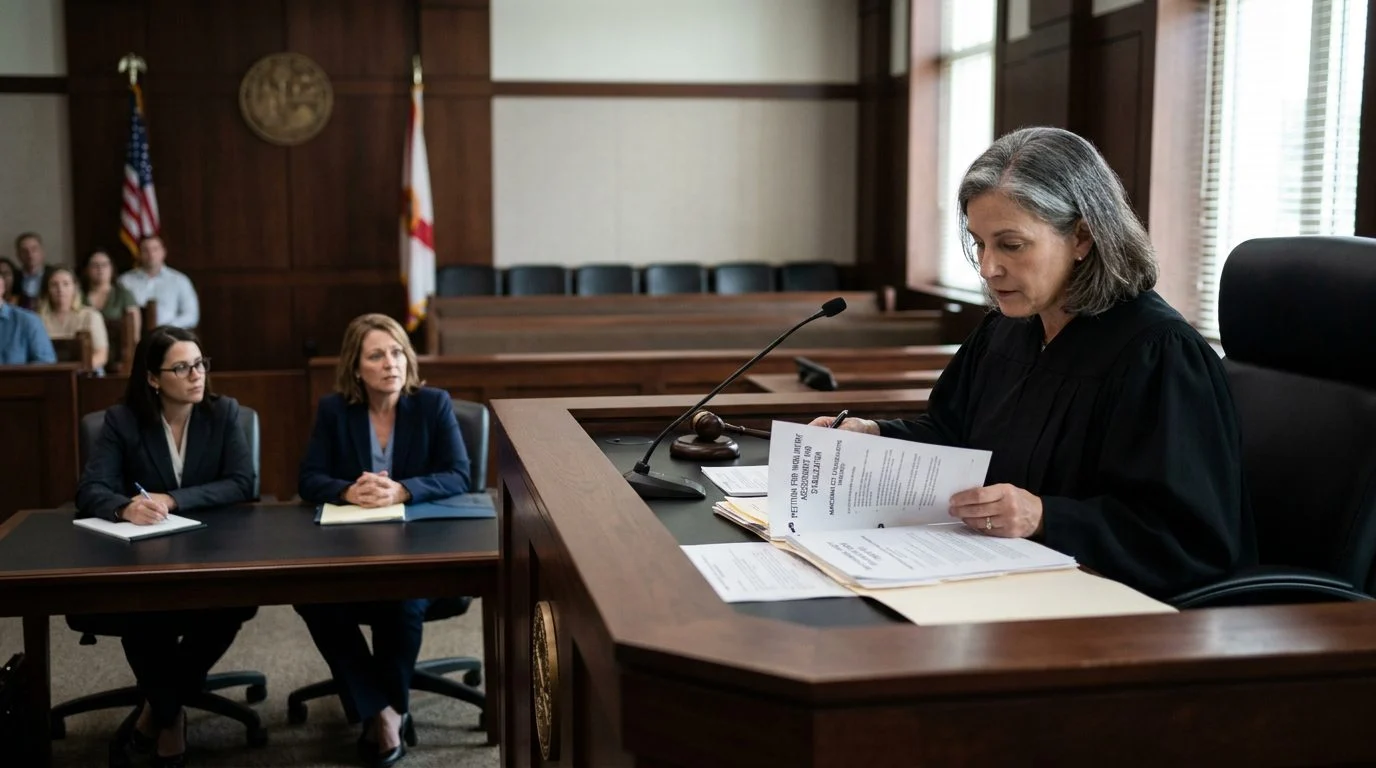
If the person named in a Marchman Act petition contests it, a judge decides the case at a hearing; the court must schedule a hearing on the petition within 10 court working days, unless a continuance is granted.
You may already be living with the strain. Money is tight. Behavior is unpredictable. You worry about the children. A serious incident or escalating substance use can make it feel like things cannot go on this way.
This page explains how a contested Marchman Act hearing works in Florida. It covers who can file, what the petition must show, what the household faces while the case is pending, and when a lawyer matters most. To talk through your situation, call (561) 849-4700.
If your spouse plans to contest a Marchman Act petition and your household cannot wait for answers, our team is ready to talk through your next steps, so call (561) 849-4700. Talk it through with our team — the first consultation is free, confidential, and carries no obligation.

What the Marchman Act Is Designed to Do
The Marchman Act is Florida’s court process for involuntary assessment and treatment of people impaired by substance abuse. It asks a judge to decide whether the named person meets the statute’s criteria.
Under Fla. Stat. § 397.675, there must be good faith reason to believe the person is substance abuse impaired. The impairment must have caused a loss of self-control over substance use. The criteria also require that the person has lost the power of self-control and either is in need of substance abuse services while being incapable of appreciating that need and of making a rational decision about it (mere refusal of services is not enough), or is likely to suffer neglect or refuse care in a way that poses a real and present threat of substantial harm that family, friends or other services cannot apparently prevent, or there is a substantial likelihood the person has inflicted, threatened or attempted, or is likely to inflict, physical harm on himself, herself, or another. Fla. Stat. § 397.675 reads: “(b) Without care or treatment, is likely to suffer from neglect or refuse to care for himself or herself; that such neglect or refusal poses a real and present threat of substantial harm to his or her well-being; and that it is not apparent that such harm may be avoided through the help of willing, able, and responsible family members or friends or the provision of other services, or there is substantial likelihood that the person has inflicted, or threatened to or attempted to inflict, or, unless admitted, is likely to inflict, physical harm on himself, herself, or another.” This section sets out the criteria, which are met when there is good faith reason to believe they apply. The statute also covers people with a substance use disorder and a co-occurring mental health disorder.
Under Fla. Stat. § 397.697, the court must find the conditions proved by clear and convincing evidence. It may then order treatment for a period not to exceed 90 days.
The Marchman Act is separate from guardianship. Guardianship has its own rules and its own process. Our practice covers both areas, so we can tell you which path your situation may involve.
Who Can File and Who Is Named in the Petition
For an adult, a spouse can file a petition. So can a legal guardian, a relative, a service provider, or an adult who has direct personal knowledge of the respondent’s substance abuse impairment and his or her prior course of assessment and treatment. Fla. Stat. § 397.68112 lists these petitioners.
The person named in the petition is the respondent.
The petition must name the respondent and the petitioner. It must state their relationship and the facts behind the request. Those facts must give the reason the petitioner believes the respondent is impaired. Fla. Stat. § 397.68141 lists these requirements. A report from a qualified professional who examined the respondent within 30 days may accompany the petition.
The petition goes to the clerk in the county where the person is located. The clerk may not charge a filing fee for it.
In J.P. v. J.N., the Fifth District held that a wrong-county filing did not take away the court’s jurisdiction.
How a Contested Marchman Act Hearing Generally Unfolds
A contested petition goes to a hearing. The court must schedule it within 10 court working days, unless a continuance is granted. Fla. Stat. § 397.68151 sets this timeline.
- Counsel check. The court decides whether the respondent has a lawyer or should be given one.
- Service. The respondent gets a copy of the petition and the hearing notice. The clerk issues a summons. Law enforcement may serve it, unless the chief judge authorizes private process servers.
- Assessment. The respondent generally cannot be ordered into treatment without a clinical assessment. The respondent’s assessment by a qualified professional must occur within 72 hours after arrival at a licensed service provider, unless the respondent shows signs of withdrawal or needs detox or treatment for a medical condition, which extends observation until that issue is resolved but no later than the scheduled hearing date, absent a court-approved extension. Fla. Stat. § 397.6957 covers these rules.
- Evidence. The respondent’s attorney has access to the person, witnesses, and records relevant to presenting the case. That can include family members familiar with the respondent’s history. The court may also order drug tests.
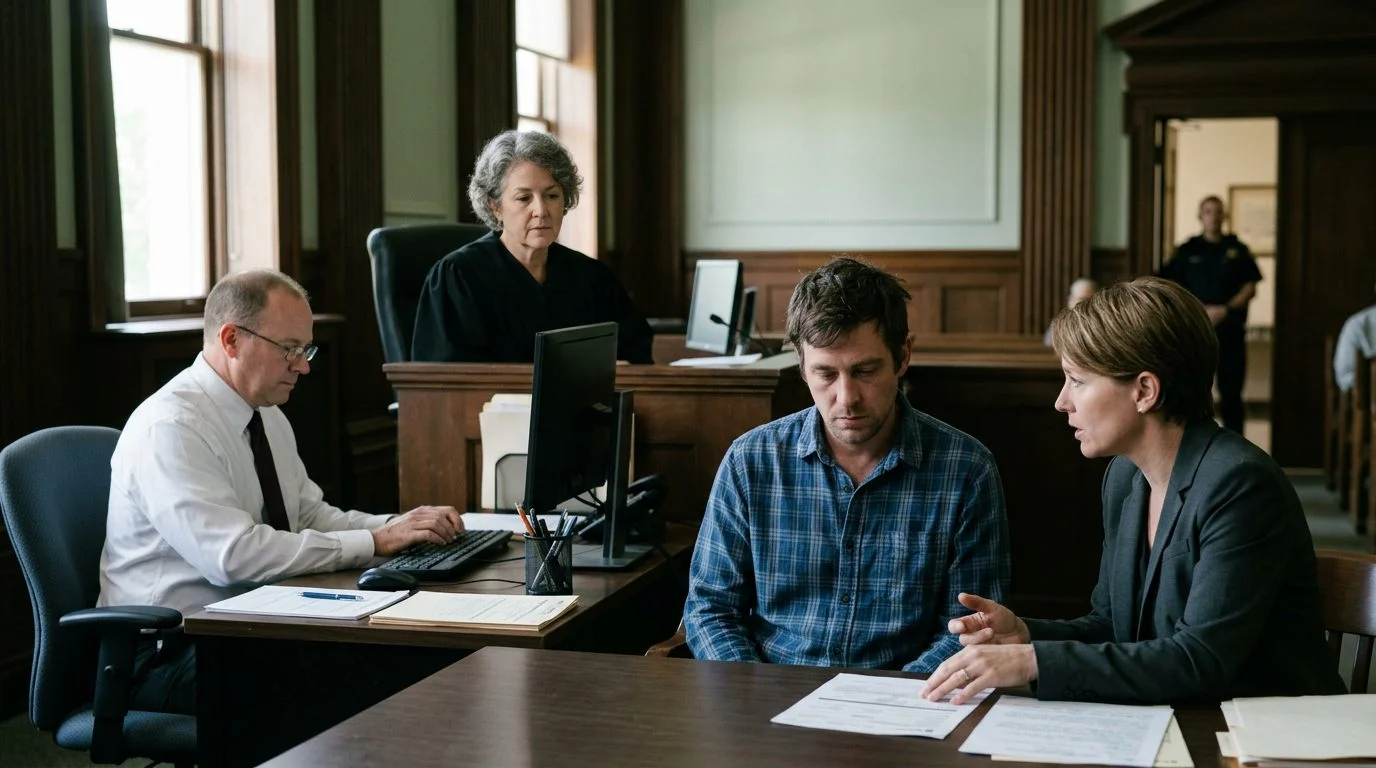
- Testimony and order. The person’s attorney must represent the person’s interests, regardless of who pays the attorney.
Who carries the burden matters.
What the Household Faces While a Contest Is Pending
A pending case can bring emergency steps before the final hearing. The household keeps running in the meantime.
In an emergency, the court may rely only on the petition. It may enter an ex parte order for assessment and stabilization without first appointing an attorney. Fla. Stat. § 397.6818 covers this process. A service provider may not hold the person for longer than 72 hours of observation unless the court grants more time after a hearing, the person shows signs of withdrawal or needs detox or medical treatment (which extends the hold until resolved but no later than the hearing date), or the period ends on a weekend or holiday, in which case the person may be held until the next court working day.
An ex parte order must have solid footing. In D.H. v. K.J.R., the Second District held that the trial court erred when the petition did not give a good-faith reason to believe the statutory criteria were met.
Treatment orders end. Under Fla. Stat. § 397.6971, a person may be released early. That can happen when the person no longer meets the criteria and gives informed consent to voluntary treatment.
Whether a pending case changes daily life depends on the facts. Keep a written log of dates and incidents. Keep the children’s routines as steady as you can.
When a Lawyer Is Needed and What Counsel Does
A lawyer matters once a petition is contested and a hearing is set. The respondent has the right to counsel at every stage. Fla. Stat. § 397.681 states that right, but the respondent may waive it if the respondent is present and the court finds the waiver is made knowingly, intelligently, and voluntarily.
If the respondent cannot afford private counsel, the respondent has a right to court-appointed counsel, and if the court believes the respondent needs or desires the assistance of counsel, the court shall appoint it. The Second District held in Hillsborough County v. Albrechta that a Marchman respondent has a constitutional right to counsel. Appointed counsel comes from the Office of Criminal Conflict and Civil Regional Counsel.
Because the petitioner carries the burden, the family side needs a clear plan. A lawyer can help organize the facts and identify witnesses. A lawyer can prepare evidence, present testimony, and examine witnesses.
If your matter falls outside Marchman Act or guardianship work, we will tell you so. A consultation is the right place to start that review.
Not sure what your next step is?
Talk it through with our team — the first consultation is free, confidential, and carries no obligation.
Why Families Work With Robinson Casey
Robinson Casey focuses exclusively on Marchman Act petitions and guardianship matters. The firm serves families across South Florida, including Miami-Dade, and statewide.
Richard J. Casey III, Esq. is the responsible attorney for this page. Our team includes support staff who handle office and case coordination.
Our work includes:
- Marchman Act attorney services
- Guardianship attorney services
- Emergency temporary guardianship
- Plenary guardianship
- Limited guardianship
- Mental health guardianship
- Involuntary commitment for addiction
The firm offers a free, confidential initial consultation, with no obligation to continue. That is the fee policy stated for this page.
Frequently Asked Questions
Can my spouse refuse to go to court?
The respondent must attend unless the court finds that he or she knowingly, intelligently, and voluntarily waives the right to be present, or that presence is inconsistent with his or her best interests or is likely to be injurious to self or others. Fla. Stat. § 397.6957
What should I do if my spouse has been served?
Read every page, write down the hearing date, and keep the papers together. Call us to talk through the next step.
Will the hearing happen right away?
The court must schedule the hearing within 10 court working days, unless a continuance is granted. Fla. Stat. § 397.68151
Does filing cost money?
Can family members be required to testify?
The court shall hear and review all relevant evidence, including testimony from family members who know the respondent’s history. Testimony is taken under oath. Fla. Stat. § 397.6957
Can my spouse get a court-appointed lawyer?
If the respondent wants counsel and cannot afford private counsel, the respondent has the right to court-appointed counsel. Fla. Stat. § 397.681
Your household does not have to face a contested hearing alone. Request your free, confidential consultation with our team today.
Why Families Contact Robinson Casey
Focused Practice
Robinson Casey limits practice to Marchman Act petitions and guardianship matters.
Confidential First Consultation
Your initial consultation is free, confidential, and carries no obligation to continue.
South Florida and Statewide
We represent families in Miami-Dade and across South Florida, and we handle matters statewide.
Supportive Team
Our team, including our attorneys and office staff, keeps you informed at each step of the process.
Direct Next Step
Call (561) 849-4700 to speak with our office about your situation.
Do Not Wait to Review Court Papers
Court papers and hearing notices can arrive with little warning. Do not ignore them. Contact a lawyer promptly so you can understand your options before the hearing.
How We Approach a Contested Petition
Review the Petition
We go through the petition and any notice you received so you know what the court is being asked to decide.
Understand the Hearing
We explain what to expect at the hearing, who may attend, and what evidence the court may consider.
Prepare Your Response
We work with you to gather information and build a clear, organized response to the petition.
Stay Informed
Our team keeps you updated on filings, scheduling, and next steps throughout the case.